



Důl Michal Mine
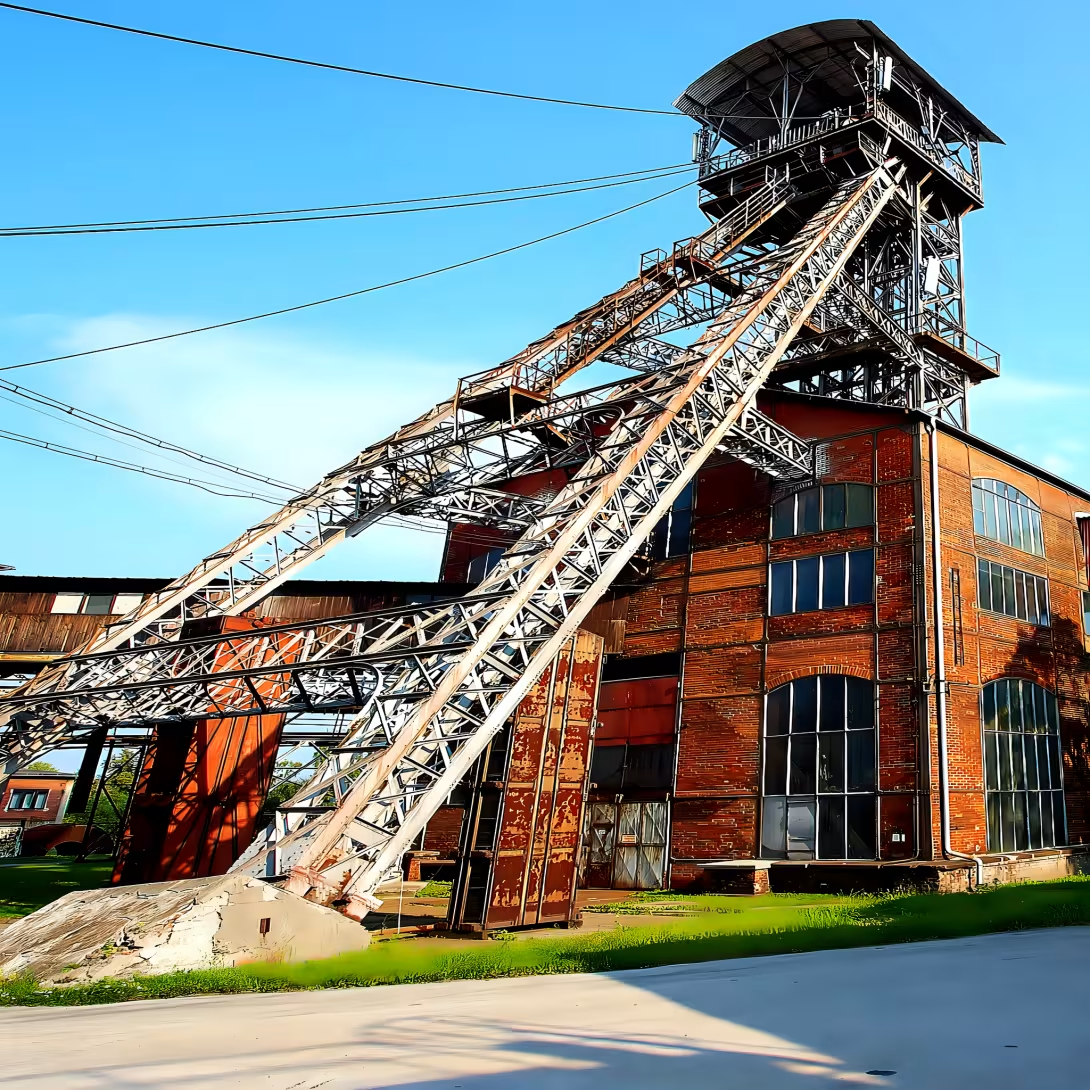
Důl Michal has its roots in the beginning of coal mining in Michalkovice. In 1843, the first two coal mining pits were dug in this area. One of them, originally called Mikhalkovická Pit No. 3, was named in 1850 by Michael Layer, an important mining expert and the Gubernary Council. The mine has thus reached the historical map of the mining industry.
The development period became 1856, when the mine bought the northern runway of Emperor Ferdinand. He remained under her administration for more than 90 years - until nationalization in 1945. The owner took care of modernization: in 1862, the so-called Mining Railways leading from the ferry to Michalkovic were launched, which enabled a more efficient expedition of coal extracted by rail.
In the first decades of operation, the mine gradually deepened. In 1863, the mining pit reached a depth of 161.2 metres. The work was dependent on steam drive - the mining machines and pumps for drainage of the pit were powered by steam power. In 1871, however, there was a disaster: during the reconstruction of the mining pit it collapsed and a pit building and machinery room collapsed into the crater. The following years brought further technical improvements: in 1874, a new steam engine with a power of 120 horsepower was installed and a Guibal fan with a diameter of seven metres was installed.
The mine was growing. By 1882 the mining was transferred from the Ferdinand auxiliary mine, the Michal pit reached a depth of 243.5 metres. Sixteen years later, the pit already had a depth of 397.8 meters. The advent of the new technology came in 1907 with the introduction of machine drilling during the milking of corridors.
The strongest transformation took place between 1912 and 1915. The mine was fundamentally rebuilt according to the design of architect František Fiala. The key change consisted of switching from old-fashioned steam drive to electric. The new machinery room was divided into a separation of heavy machinery and compressor, equipped with modern electric heavy machinery. Further improvements were gradually added - in 1929 the Škoda piston compressor was installed and in 1941 it was supplemented by a more powerful turbocompressor.
There was a nationalization in 1945. Since 1946, the mine became part of the Ostrava-Karvin coal mines and was renamed Mine Petr Cingr. After the mining, however, he returned to the traditional name Michal and an Industrial Museum was established in the area. Today, the mine is a national cultural monument administered by the National Heritage Institute and is open to the public. The visitor can thus see the evidence of the evolution of industrial technology and understand what place the mining in Ostrava's economy had.
Then and now
Drag the slider to compare how the landmark may have looked when it was built with the view today.
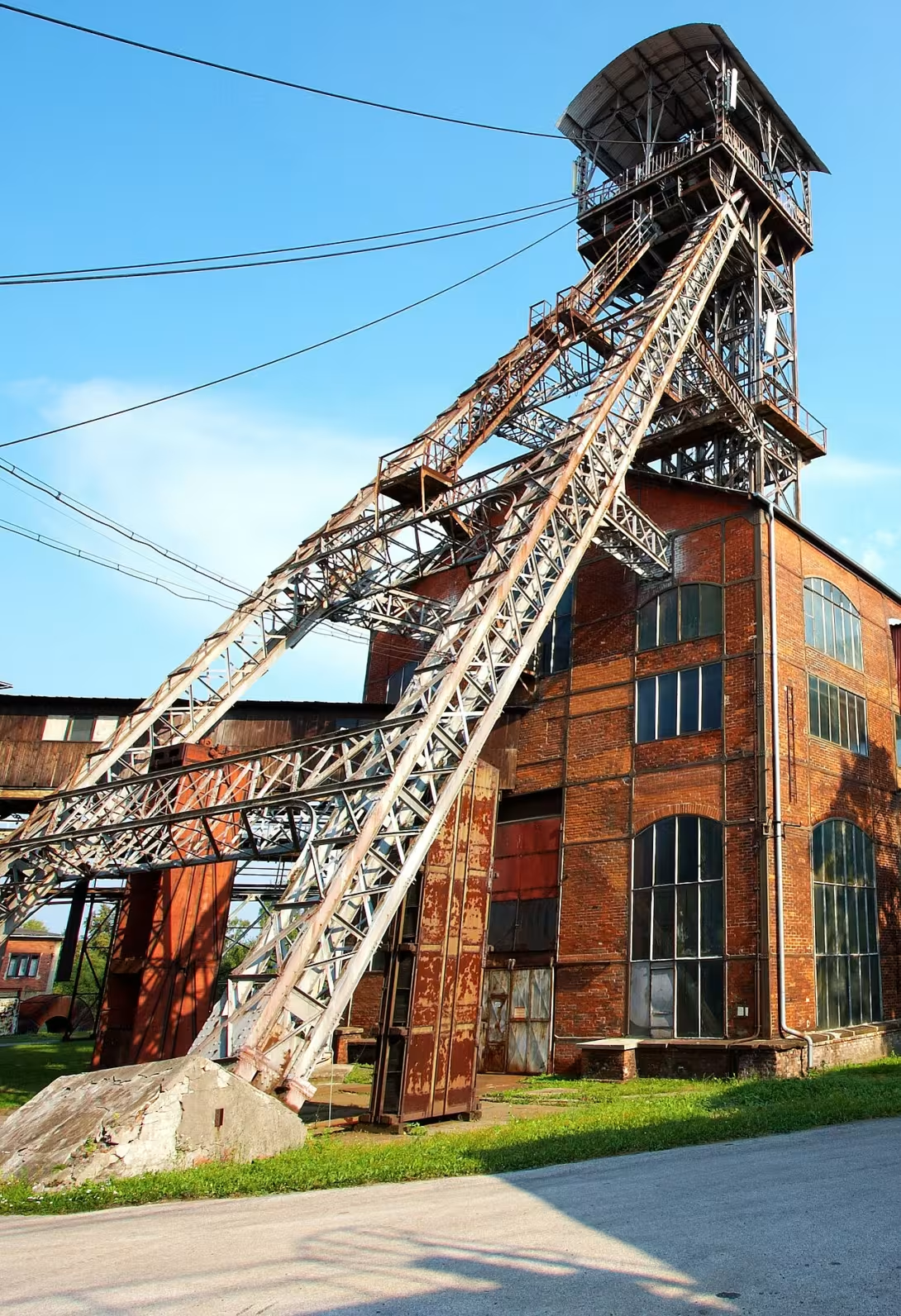
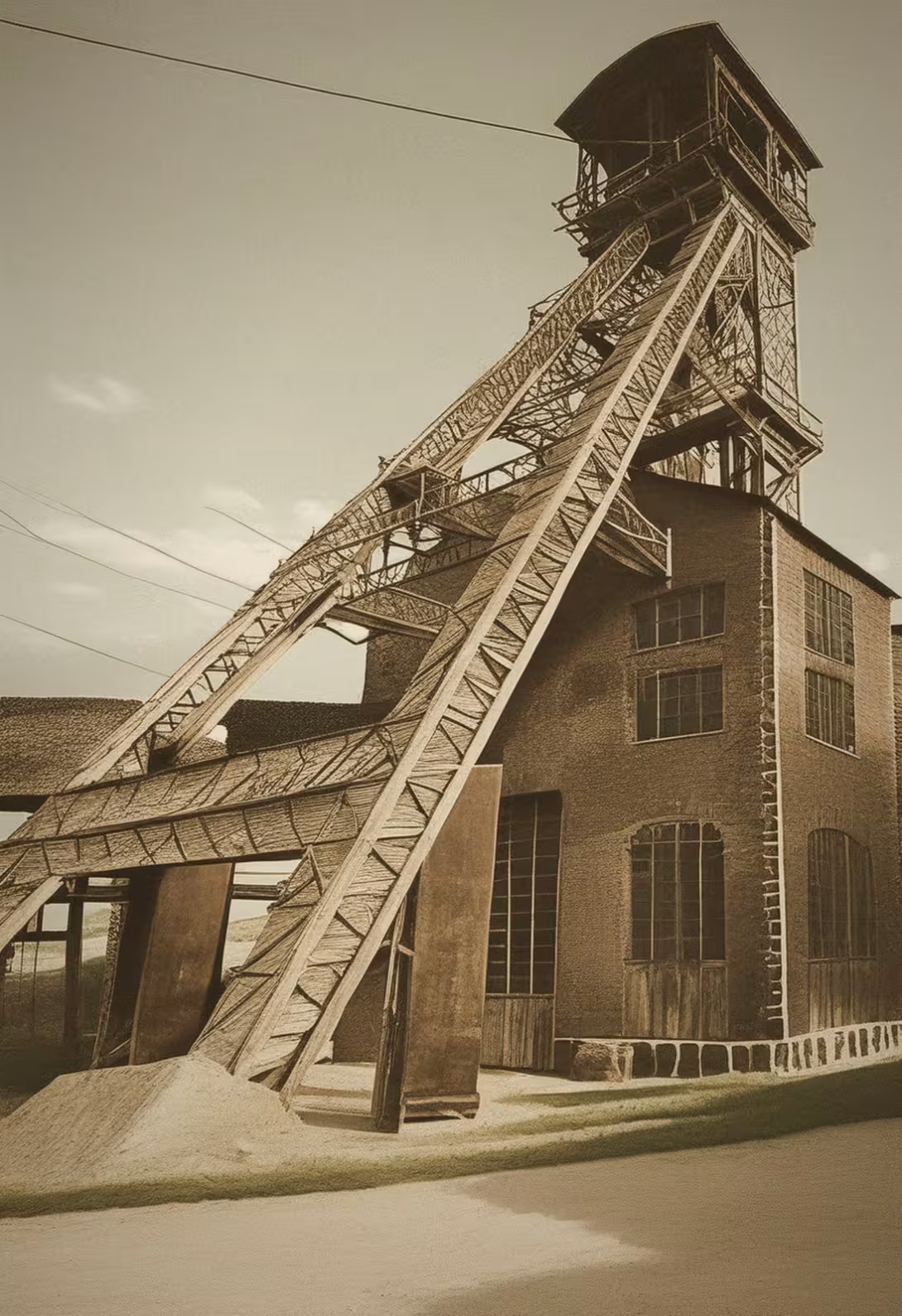
The historical appearance on the left is an AI-generated visualisation and serves as inspiration only.
Historical milestones
- 1843
- I've started the reading.
- 1856
- The mine has entered the property of Emperor Ferdinand's Northern Railroad.
- 1912
- Reconstruction according to the design of František Fiala.
- 2000
- Area open to the public.
Architectural development
The mine went through several stages of development, including reconstruction between 1912 and 1915 according to the design of architect František Fiala. During this reconstruction, the steam engine was replaced by electric propulsion and the newly built machinery room was divided into the separation of heavy machinery and compressor.
Historical events
- 1843
- I've started the reading.
- 1856
- The mine has entered the property of Emperor Ferdinand's Northern Railroad.
- 1946
- After nationalization he became part of the OKD and carried the name Petr Cingr.
- 2000
- The area was made available to the public as part of the Industrial Museum.
Owners
1843-1856: c. k. erár, 1856-1945: The Northern Railways of Emperor Ferdinand, 1946-1993: Ostrava-Karvin stone coal mines (OKD), from 2000: National Heritage Institute
Points of interest
- Důl Michal has its roots in the beginning of coal mining in Michalkovice and the first two coal mining pits were dug in this territory in 1843. - One of these jams, originally called Mikhalkovic Pit No. 3, was named by Michael Layer, a major mining expert and a cabinet council, in 1850. - In 1856, the mine was purchased by the Northern Railways of Emperor Ferdinand and remained under its administration for more than 90 years - until nationalisation in 1945. - In 1862, the mining track leading from the ferry to Michálkovice was operational, allowing for a more efficient expedition of coal extracted by rail. - The most striking transformation took place between 1912 and 1915 with the transition from old-fashioned steam drive to electric, which was done according to the design of architect František Fiala.
Guide
This guide is narrated by a synthetic voice generated by artificial intelligence.
Show guide text
This text was created by artificial intelligence and has not been editorially reviewed. It may contain inaccuracies.
Michal mine in the Michálkovice district of Ostrava is a former coal mine, today a national cultural monument under the care of the National Heritage Institute. Since 1946 it bore the name Petr Cingr. When mining ended and an Industrial Museum was established in the area, it returned to its original name Michal.
The first two shafts for black coal mining in Michálkovice were sunk in 1843. One of them, previously called Michálkovická shaft number 3, was given the name Michael in 1850. They named it after a prominent mining expert, the imperial councillor Michael Layer. In 1856 the mine was purchased by the Northern Railway of Emperor Ferdinand and owned it until nationalization in 1945. This company also built the Mining Railway from Přívoz to Michálkovice, which from 1862 made it possible to transport coal by rail.
The beginnings were also marked by accidents. In 1871, during reconstruction the mining shaft collapsed and the resulting crater caused the shaft building, engine house and part of the boiler room to cave in. Three years later the engine house received a new steam-powered hoisting engine with an output of 120 horsepower from the Prince Salm Machine Works in Blansko. The shaft was progressively deepened. In 1863 it measured over 161 meters, by 1898 it was already nearly 398 meters. In 1882 mining was transferred to it from the Ferdinand shaft, which then became an auxiliary mine. From 1907 the galleries were driven using mechanical drilling.
The current appearance of the area dates from 1912 to 1915. At that time the mine was fundamentally rebuilt according to the design of architect František Fiala and steam-powered machinery was replaced by electric power. The new engine house was divided into a hoisting machinery section and a compressor station. Mining was carried out by two electric hoisting engines. Their electrical equipment was supplied by the Viennese firm Siemens-Schuckert, the mechanical part by the Vítkovice Iron Works.
Michal gradually became the center of the surrounding mines. In 1913 all mining from the Petr a Pavel mine was transferred to it, and in 1916 also from the Jan and Josef mines in Slezská Ostrava. Their mining fields were merged and from 1925 the crew from auxiliary mines also descended underground through here. After nationalization the mine became part of the Ostrava-Karviná coal mines.
Tips for visitors
The best time to visit the Mine Michal is in the spring or autumn season, when the weather is pleasant and less likely to rush tourists. This mine offers a unique atmosphere with historic walls of black coal, which in these months are illuminated by sunlight in the most beautiful way.
Parking can be found near the mine, but due to limited capacity we recommend using public transport. You can verify the best connection using an online search engine or mobile travel app to get to Michalkovic without any problems.
When visiting the mine we recommend taking with you firm shoes and a suitable suit because the floors can be irregular and cold. Also remember the camera to capture the historic interiors of the mine in the best light.
The photography at the Mine Michal offers many interesting perspectives, especially in the evening when the walls of black coal illuminated by artificial light. The best places for photos are the main entrance hall and old transport tunnels.
Around the mine there are several interesting places to visit in 30 minutes. We recommend exploring the historical areas of Michalkovic and their architecture. It is advisable for families with children to plan a visit to combine with other activities in the surroundings.
Frequently asked questions
Can the monument be visited?
Yes. We verified the opening hours or admission on the official website (13. 10. 2026); you will find them in the visitor information on this page. Please double-check with the operator before you travel.
What are the opening hours and admission?
Details verified on the official website (13. 10. 2026) are listed in the visitor information on this page. Official website: https://www.dul-michal.cz/
Where is the monument?
Location: Michálkovice, Moravskoslezský kraj. The map on this page shows the exact spot.
Why is the monument protected?
It is listed in the Central List of Cultural Monuments of the Czech Republic as a national cultural monument (register no. 228).
Businesses nearby
Do you run a restaurant, accommodation, shop, museum, rental, wellness or other visitor service near this monument? Show yourself directly to the people heading to it — this is how they will see you in the app and on the web:
Events nearby
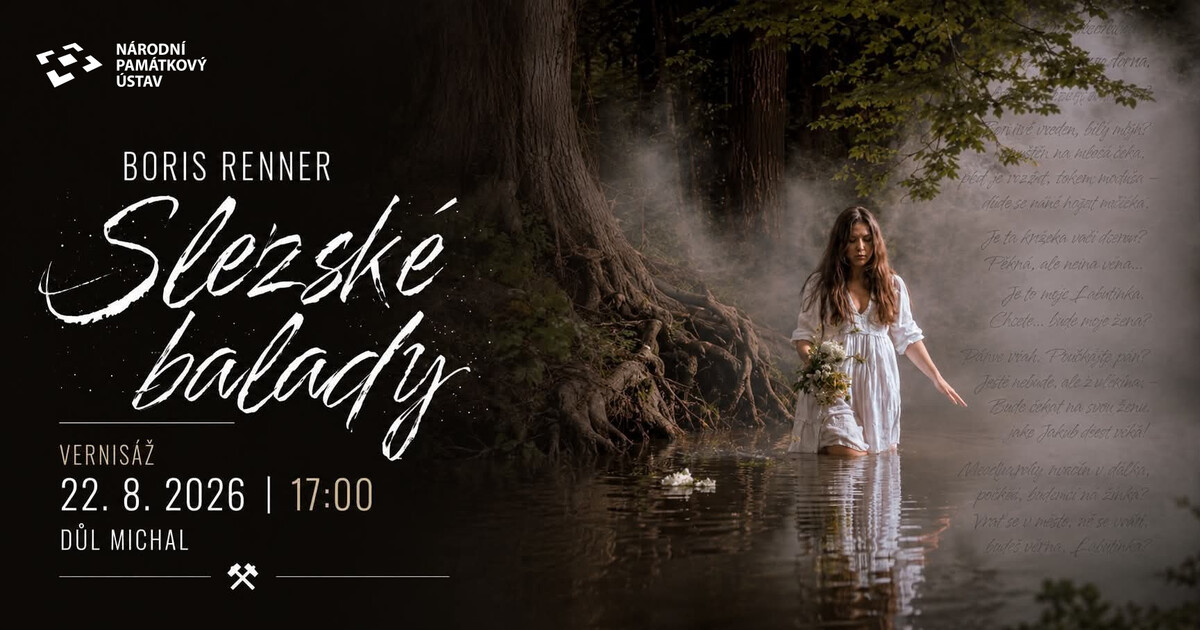
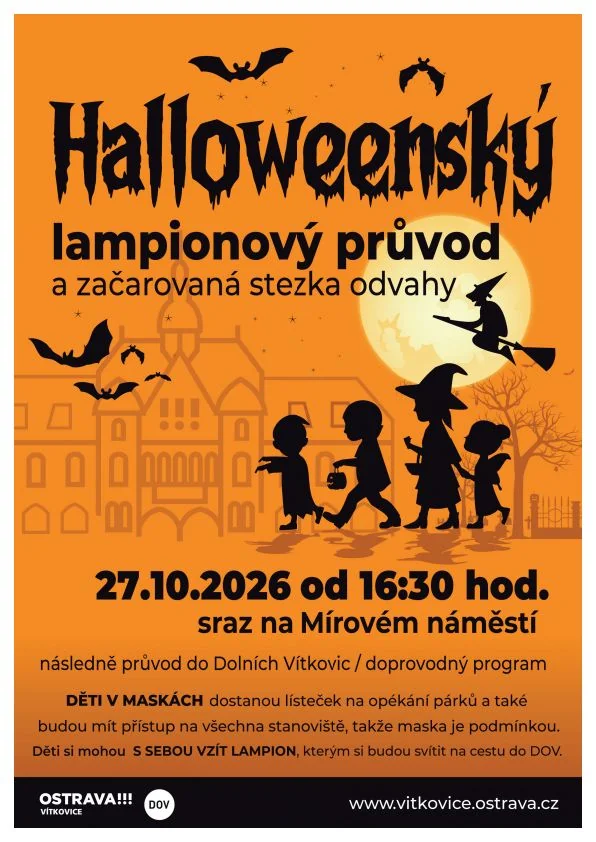
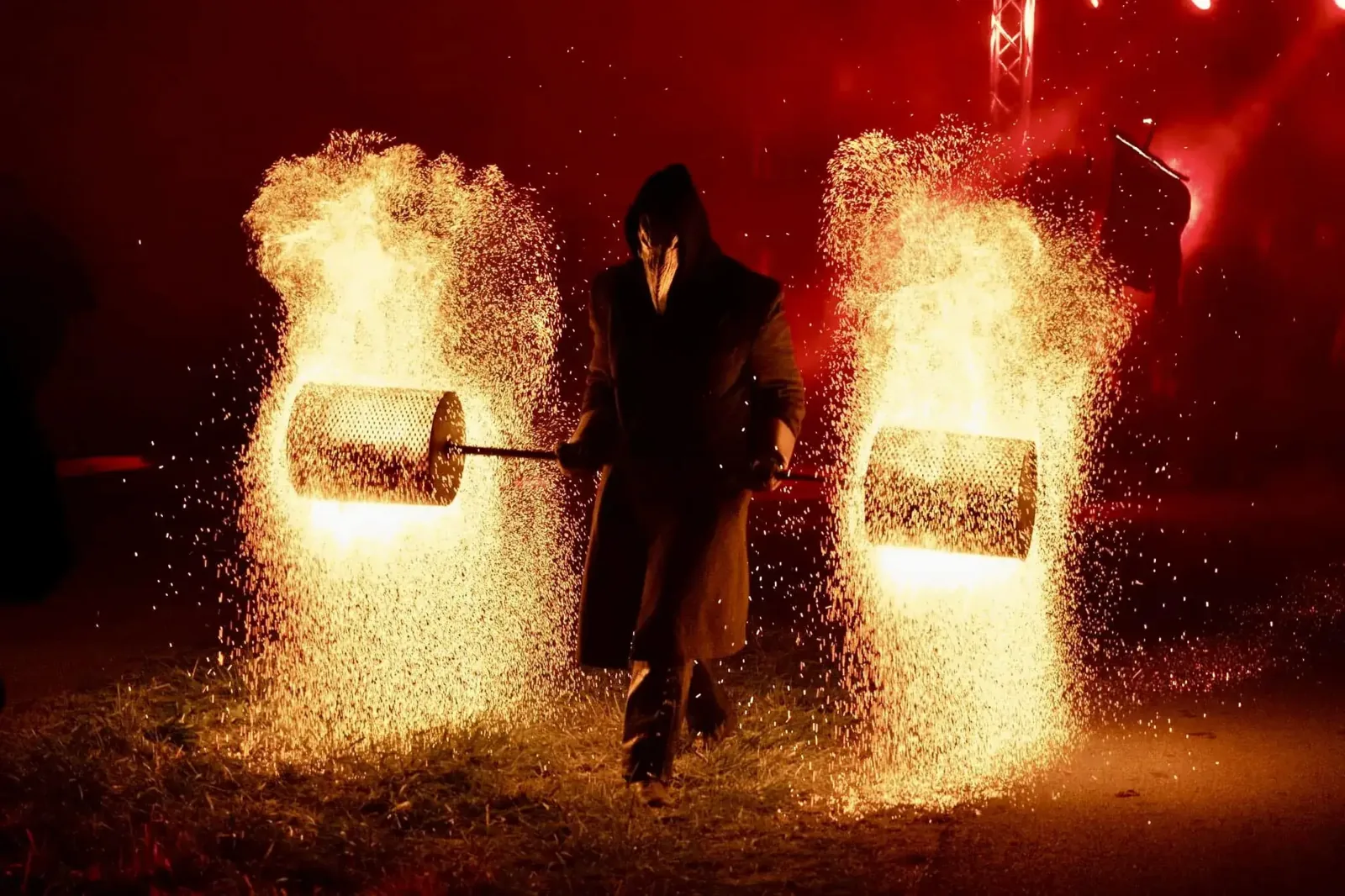
Zdroj akcí: otevřená data měst a obcí ČR (Národní katalog otevřených dat) a kalendář akcí Národního památkového ústavu.
Nearby
The surrounding landscape is made up of forests and forests. There are other mining monuments in the area.
Accommodation nearby
Themed route
Thematic cruise route: Důl Michal and surroundings
1.Důl Michal (mine) * Why is it worth a visit: * Historical coal mines are a fascinating witness to the industrial era in Ostrava. Důl Michal offers a view of the past and understanding how this part of Moravia and Silesia was shaped by coal mines.
2. Municipality of Michálkovice (municipal square) * Why is it worth a visit: * Municipal Square in Michalkovice is an ideal place for knowledge of local culture and history. Here are monuments that reflect the spirit of the village and its development.
3. Chapel of the Virgin Mary (Chapel) * Why is it worth a visit: * This chapel is not only a sacral place but also an architectural memory that attracts attention with its historical significance and beautiful construction. It's a place of peace and reflection for visitors.
4. Local shops and cafes (business and gastronomic objects) * Why is it worth a visit: * Exploring the local market or relaxing in one of the cafés offers an opportunity to explore local products and food or enjoy more authentic gastronomic experiences.
This route combines history, culture and everyday life in the village Michálkovice. The designed order allows a comfortable walk with a visit to the main important place - Mine Michal, and other attractions in the surroundings.
Seasonal recommendations
Spring: The visit to Michal Dól in spring offers a unique view of the reviving nature. Green meadows and flowering bushes color the surrounding landscape, creating an idyllic atmosphere to explore the historic structures of the mine with bright light. Spring is usually less demanding on the crowd load, which allows a calmer tour. We recommend wearing comfortable shoes and helmets or sunglasses to protect against sunlight.
Summer: Summer is an ideal time to visit the Michal Dole when the atmosphere is full of warmth and life. A high number of visitors can be expected in the main summer season, so we recommend arriving earlier in the afternoon to save long wait. Wear light, light clothes and do not leave at home sun cream for UV protection. Excellent lighting after a full day allows you to fully enjoy all the details of historical structures.
Autumn: Autumn brings to Důl Michal magic colored leaves and mild temperatures that are ideal for walking around the local area. The atmosphere is calmer compared to high traffic seasons, allowing for a more intimate experience. We recommend wearing layered clothes and a warm jacket to protect against cold evenings. Due to shorter days, it is advisable to plan a visit during the day so that you can use the available light.
Winter: The winter visit of the Dól Michal offers a unique view of the historical monument under the snow cover, creating a quiet and peaceful atmosphere. Opening hours can be limited due to winter conditions, so it is important to check before visiting. Hot clothes and protective shoes are essential for a comfortable stay in cold weather. In winter, you can enjoy it differently as the roofs and structures of the mines appear in the snow.
Visualizations and artistic views


The visualisations are generated by artificial intelligence and serve as inspiration.
Photos from the area
Real photos taken near the monument

Zdroj a licence jsou uvedeny u každého snímku.
View from the area
This animation was generated by artificial intelligence from a real photograph of the surroundings. The motion and details are not real footage of the location.
Tips from visitors
No tips yet. Be the first!
Log in and add your tip.
Sources and literature
Photos: Ostrava / Public domain, rozlišení zvýšeno umělou inteligencí — Wikimedia Commons. The author and licence also appear when you hover over the image.
Faktickým podkladem tohoto textu byl článek na Wikipedii, jehož autory jsou přispěvatelé Wikipedie. Článek je dostupný pod licencí CC BY-SA 4.0.
Location on the map
Příběhy a pověsti
Legendy, pověsti a příběhy spjaté s touto památkou

Fotografie návštěvníků
Zatím žádné fotografie. Buďte první, kdo přidá fotografii z návštěvy!
Log in a přidejte svou fotografii nebo hodnoťte.
Za ověřenou návštěvu v aplikaci získáte víc bodů — poznáme podle GPS, že jste na místě.
Reviews and comments