






Dům Na Bělišti - městské muzeum Museum building
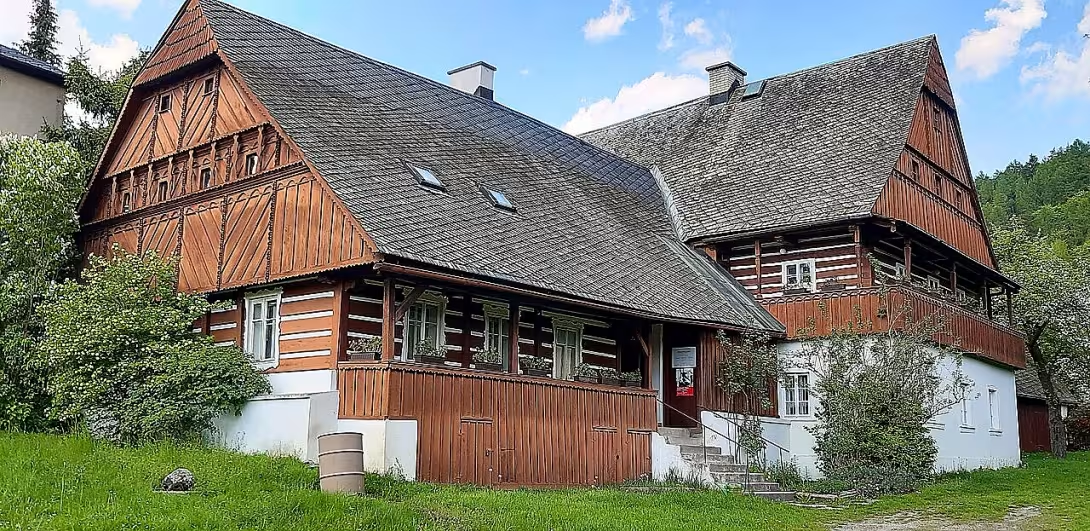
Dům Na Bělišti in Železný Brod is a historically significant building originally constructed as a large timber-framed house in the second half of the 17th century. Over time, it served various purposes, including functioning as a dyeing workshop and housing tenants before being transformed into a museum. The structure showcases elements of Pojizerská folk architecture and underwent major renovations in 1807 and 1930. Today, it houses a permanent ethnographic exhibition by the Městské muzeum v Železném Brodě.
The origins of Dům Na Bělišti trace back to its construction during the latter half of the 17th century when Mikuláš Des Four acquired the estate and town in 1628, following a sale by Albrecht z Valdštejna. The house remained under the ownership of the Desfour family until 1848. Its name, "Běliště," is derived from its use as a dyeing workshop where laundry was bleached using water from the nearby Žernovník stream. Historical records indicate that near this site once stood a shoemaker's fulling mill and later a tannery.
Architecturally, Dům Na Bělišti underwent significant changes in 1807 when it was extensively reconstructed, altering its appearance. The building features elements of Pojizerská folk architecture, with a two-part layout comprising the original main ground floor structure and an attached annex. Notable architectural details include a gabled roof with richly profiled eaves, a classicist balustrade known as "kočičí procházka," and sandstone sculptures from the mid-18th century relocated to its garden.
Ownership of Dům Na Bělišti changed hands several times over the centuries. After the Desfour family's tenure ended in 1848, it eventually came into the possession of Heřman Jirásek, who initially intended to demolish it. However, local painter Vlastimil Rada persuaded him otherwise, leading to its sale to the city of Železný Brod in the late 1960s. The city converted the building into a museum after extensive renovations between 1993 and 1997.
Key events in the history of Dům Na Bělišti include its significant reconstruction in 1807, which was funded by Jan Brožek, a local master tanner. In 1998, the house opened to the public with a permanent ethnographic exhibition curated by the Městské muzeum v Železném Brodě.
Today, Dům Na Bělišti serves as an important cultural site housing nine rooms dedicated to various aspects of local history and culture. The museum's exhibits cover topics such as geology, historical trade routes, and traditional crafts like linen processing and folk clothing. Notable displays include sandstone sculptures, models of wooden buildings, and a unique card table with chairs carved by a local innkeeper. The building is situated on the northern edge of Železný Brod, near the Žernovník stream and an old millrace.
Dům Na Bělišti stands as one of the most intriguing historical structures in the region of horní Pojizeří, recognized for its architectural significance and cultural heritage. Its preservation allows visitors to explore a rich tapestry of local history through its ethnographic exhibitions. This monument offers a unique glimpse into the past, making it an essential visit for anyone interested in the cultural and historical landscape of Železný Brod.
Then and now
Drag the slider to compare how the landmark may have looked when it was built with the view today.
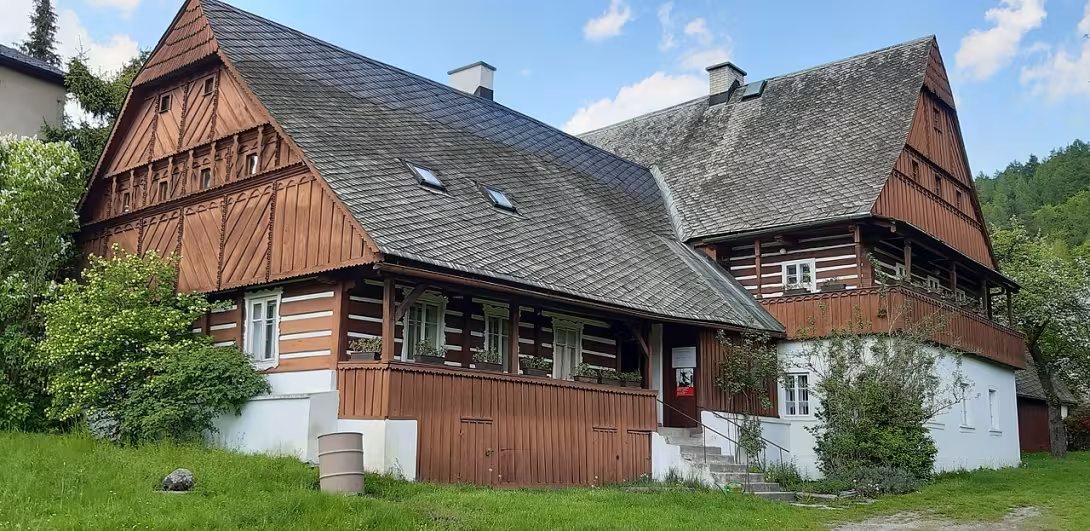

The historical appearance on the left is an AI-generated visualisation and serves as inspiration only.
Historical milestones
- 1807
- The house was significantly reconstructed with the help of God and at the expense of Jan Brožek, a local master tanner.
Architectural development
Dům Na Bělišti has undergone several architectural phases, including a major reconstruction in 1807 that changed its appearance. The building features elements of Pojizerská folk architecture and was further renovated in 1930 and extensively between 1993 and 1997.
Historical events
- 1807
- The building underwent significant reconstruction that altered its appearance.
- 1998
- A permanent ethnographic exhibition was opened in the house by the Městské muzeum v Železném Brodě.
Owners
Originally owned by Mikuláš Des Four from 1628 until 1848, followed by various owners including Heřman Jirásek. In the late 1960s, it was sold to the city of Železný Brod, which converted it into a museum.
Points of interest
- Dům Na Bělišti was originally constructed as a large timber-framed house in the second half of the 17th century. - The building showcases elements of Pojizerská folk architecture and underwent major renovations in 1807 and 1930. - Its name, "Běliště," is derived from its use as a dyeing workshop where laundry was bleached using water from the nearby Žernovník stream. - The house remained under the ownership of the Desfour family until 1848, after which it changed hands several times before being sold to the city of Železný Brod in the late 1960s. - Today, Dům Na Bělišti serves as a museum with nine rooms dedicated to various aspects of local history and culture.
Guide
This guide is narrated by a synthetic voice generated by artificial intelligence.
Show guide text
This text was created by artificial intelligence and has not been editorially reviewed. It may contain inaccuracies.
Welcome to the historic site of Dům Na Bělišti in Železný Brod—a remarkable testament to the area's rich cultural tapestry. As you stand before this impressive structure, take a moment to absorb its grandeur and historical significance.
Dům Na Bělišti was originally constructed as a large timber-framed house during the latter half of the 17th century. Its walls have witnessed centuries unfold, serving various purposes over time—from a vibrant dyeing workshop to providing housing for tenants. The building's evolution culminated in its current role as a museum, allowing visitors like you to step into history.
Notice the architectural style that characterizes this building: elements of Pojizerská folk architecture are evident throughout. As you gaze upon it now, take in the intricate timber framing—a feature that speaks volumes about the craftsmanship of bygone eras. The house underwent significant renovations in 1807 and again in 1930, each time preserving its historical essence while adapting to new uses.
The story of Dům Na Bělišti is intertwined with notable figures such as Mikuláš Des Four and Heřman Jirásek. These individuals contributed to the building's legacy, shaping it into a cultural landmark that continues to captivate visitors today.
One intriguing aspect of this site is its name, "Běliště," which harks back to its days as a dyeing workshop—a nod to its colorful past and the vibrant community life it once supported. This connection to local history adds an extra layer of charm and curiosity for those who explore its halls.
As you continue your journey through this historic site, I invite you to delve deeper into its stories and architectural details. Discover more about the lives that have passed through these walls and the cultural heritage they represent. Thank you for joining us at Dům Na Bělišti, where history comes alive with every step. Enjoy your exploration!
Tips for visitors
The best time to visit Dům Na Bělišti is during the late spring or early fall when the weather is pleasant, allowing for comfortable exploration of both the museum and its surroundings. During these seasons, you can enjoy outdoor activities without the crowds that often accompany peak tourist times in summer. Additionally, the natural light enhances the beauty of the historical architecture and surrounding landscapes.
The building is located near the northern edge of Železný Brod, making it accessible by both car and public transport. For those using public transportation, verify current routes and schedules to ensure a smooth journey.
When visiting Dům Na Bělišti, consider bringing comfortable walking shoes as you may want to explore the surrounding historical trade routes and sites related to bauxite mining. A camera is also recommended for capturing the architectural details of the building and the scenic views along the Žernovník stream. Don't forget a hat or sunscreen if visiting during sunny days, and perhaps a light jacket in case it gets chilly.
For photography enthusiasts, some of the best spots to capture Dům Na Bělišti are from angles that highlight its timber-framed structure against the natural backdrop of the Žernovník stream. Early morning or late afternoon light can provide soft shadows and warm tones, enhancing the building's historical charm.
Nearby attractions within a 30-minute drive include other sites related to bauxite mining, which offer insights into the region’s industrial history. These locations are perfect for those interested in both natural and cultural heritage. Families with children might also enjoy exploring these areas as they often have educational exhibits and outdoor spaces suitable for young visitors.
Frequently asked questions
Can the monument be visited?
Some buildings of this kind are open for guided tours, others serve another purpose or are privately owned. We have not verified whether and when this monument is open – please ask the operator.
What are the opening hours and admission?
We have not verified the opening hours or admission. Current information is published by the operator.
Where is the monument?
Location: Železný Brod, Liberecký kraj. The map on this page shows the exact spot.
Why is the monument protected?
It is listed in the Central List of Cultural Monuments of the Czech Republic as a cultural monument (register no. 1000126799).
Businesses nearby
Do you run a restaurant, accommodation, shop, museum, rental, wellness or other visitor service near this monument? Show yourself directly to the people heading to it — this is how they will see you in the app and on the web:
Nearby
The building is situated on the northern edge of Železný Brod, near the Žernovník stream and an old millrace. The surrounding area includes historical trade routes and sites for bauxite mining.
Accommodation nearby
Trips and activities nearby
Guided tours, tickets and activities nearby from GetYourGuide
Affiliate link: if you buy from the partner, we may receive a commission. The price for you does not change.
Search tours and activities →Themed route
Thematic Walking Tour: Železný Brod and the Historical Dům Na Bělišti
1. Dům Na Bělišti - Městské muzeum (Budova muzea)
Begin your journey at this historic townhouse, which now serves as a city museum. The building offers insights into the local history and culture of Železný Brod, making it an essential starting point for understanding the area's past.
2. Žernovník Stream
A short walk north from Dům Na Bělišti will take you to the serene Žernovník stream. This natural feature adds a tranquil ambiance and serves as a reminder of the historical trade routes that once utilized such waterways for transportation and commerce.
3. Old Millrace
Nearby, explore the remnants of an old millrace. These structures are significant as they reflect the area's industrial past, particularly in relation to milling activities that were vital to local economies before modern advancements.
4. Historical Trade Routes
Follow the path along what was once a bustling trade route. This segment offers a glimpse into how goods and ideas moved through Železný Brod, connecting it with other regions and contributing to its development over centuries.
5. Bauxite Mining Sites
Conclude your tour by visiting nearby bauxite mining sites. These locations are crucial for understanding the industrial heritage of Železný Brod, highlighting the region's role in the extraction and processing of this important mineral resource.
This thematic walking tour provides a comprehensive exploration of Železný Brod’s rich history, from its cultural roots to its industrial legacy.
Seasonal recommendations
Spring: Visiting Dům Na Bělišti during spring offers a delightful experience as the landscape around Železný Brod begins to burst with vibrant colors from blooming flowers and lush greenery, creating an idyllic setting for exploring the historic site. The gentle warmth of the season makes it perfect for leisurely strolls through the museum's grounds. However, spring can also bring unpredictable weather, so visitors are advised to dress in layers that can be adjusted easily as temperatures fluctuate throughout the day. It is recommended to arrive early to fully enjoy the serene atmosphere before larger crowds gather during peak visiting hours.
Summer: The summer months provide an ideal time for a visit to Dům Na Bělišti, with long daylight hours and warm weather enhancing the experience of exploring both the museum's exhibits and its beautiful surroundings. This is the busiest season, so it’s advisable to plan your visit early in the morning or later in the afternoon to avoid crowds. Comfortable walking shoes and light clothing are recommended due to the heat, along with bringing a hat and sunscreen for protection against strong sunlight. The lively atmosphere during this time makes it perfect for families and those looking to enjoy outdoor activities.
Autumn: Autumn brings a picturesque transformation to Dům Na Bělišti as the foliage turns into rich hues of orange, red, and gold, creating a stunning backdrop that enhances the historical charm of the site. The cooler temperatures make walking around more comfortable, though visitors should bring a light jacket or sweater for the crisp air. This season is less crowded than summer, offering a peaceful environment to appreciate the museum's offerings. Late afternoon visits can be particularly rewarding when the golden light casts a warm glow over the landscape.
Winter: Visiting Dům Na Bělišti in winter offers a unique and enchanting experience, with snow-covered surroundings that add a magical touch to the historic site. The shorter days mean it's best to arrive early to make the most of the museum’s hours, which are typically reduced during this season. Visitors should dress warmly in layers, including hats, gloves, and waterproof boots if there is snow or rain. While the atmosphere can be quieter due to fewer tourists, the charm of a winter visit provides a cozy opportunity for reflection amidst the serene, snowy landscape.
Visualizations and artistic views


The visualisations are generated by artificial intelligence and serve as inspiration.
Photos from the area
Real photos taken near the monument


Zdroj a licence jsou uvedeny u každého snímku.
Tips from visitors
No tips yet. Be the first!
Log in and add your tip.
Sources and literature
Photos: Jrnka ka / CC BY-SA 4.0 — Wikimedia Commons. The author and licence also appear when you hover over the image.
Faktickým podkladem tohoto textu byl článek na Wikipedii, jehož autory jsou přispěvatelé Wikipedie. Článek je dostupný pod licencí CC BY-SA 4.0.
Location on the map
More monuments – Železný Brod
Show all in the municipality
Příběhy a pověsti
Legendy, pověsti a příběhy spjaté s touto památkou
Fotografie návštěvníků
Zatím žádné fotografie. Buďte první, kdo přidá fotografii z návštěvy!
Log in a přidejte svou fotografii nebo hodnoťte.
Za ověřenou návštěvu v aplikaci získáte víc bodů — poznáme podle GPS, že jste na místě.
Reviews and comments