



evangelická škola Emaus House
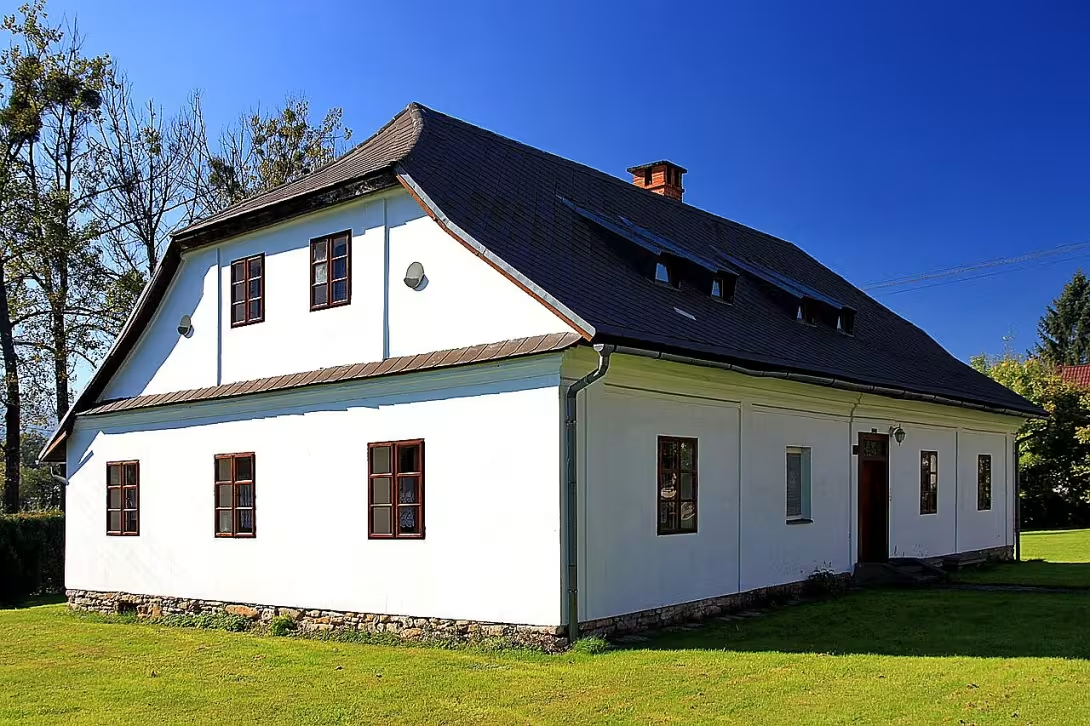
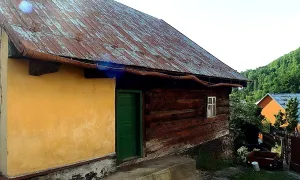
The former evangelická škola Emaus, located in the centre of the village Návsí in the Moravian-Silesian Region, is a classicist rural house from the 18th century, which keeps its attention as a cultural monument of the Czech Republic. This historic building, originally built for the education of evangelical children based on the Tolerance Patent of Josef II, represents a fascinating chapter of local and religious history. Today it serves as the seat of the Silesian Church of the Evangelical Augsburg Religion, which reflects its long tradition of religious life in the region.
The history of the building begins after 1781, when the Tolerance Patent of Josef II was declared, which enabled evangelical religion to build churches and establish schools. In 1784 the first evangelical school was founded in Návsí, which represented a significant step towards religious freedom and autonomy for the local community. Originally there was an educational activity in a wooden building, but already in 1808 a new brick building was built on the site donated by Adam Sikora. This classical country house became the center of local religious and educational life, where 100-160 children were educated in the top years.
The building Emaus is an architect of classical style with preserved original layout and beam tipping ceilings. This interior shows the historical value of the building, which in 1995 was subjected to a respectful renovation. After moving the school to a new building in 1886, Emaus turned into a functional space serving various purposes, from the accommodation for the widow to the pastor Jan Winkler to the post office.
The building's ownership went through several phases. After the foundation of the school in 1784, the building was built on a site donated by Adam Sikora, which became its owner until 1808. It then went to the administration of the church and in 1869 the school was handed over to the municipality of Návsí on the basis of the Austrian government regulation which urged the establishment of public schools. Since 1995, the building has been used by the Parish Choir of the Silesian Church of the Evangelical Augsburg Religion.
The Emaus building witnessed many interesting events. She served as a resting place for evangelics coming from Poland, who went far from the service to Jistebná. This function highlights its importance to the local religious community despite changes in the social context.
Today, after the historic renovation in 1995, the building serves as a cultural and religious centre of the village Návsí. Its original classical architecture and rich history make it not only a monument, but also a living part of the local heritage. For tourists and historically curious people, it offers an opportunity to explore a unique piece of Czech history.
Visiting the former Evangelical School of Emaus is not only a way into the past, but also a way to appreciate the long tradition of religious and educational life in the area. Its history and architecture commemorate the important stages of the local community and their path to religious freedom. This monument is therefore not only for historians, but also for any quitter who is interested in the rich history of the Czech Republic.
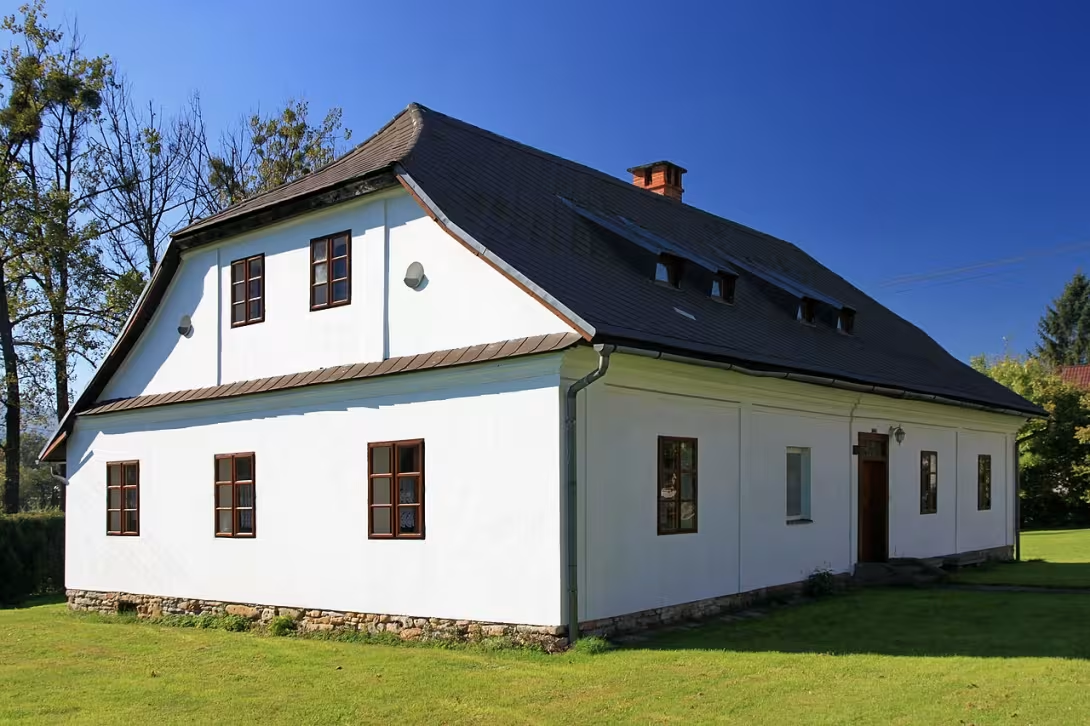
Then and now
Drag the slider to compare how the landmark may have looked when it was built with the view today.
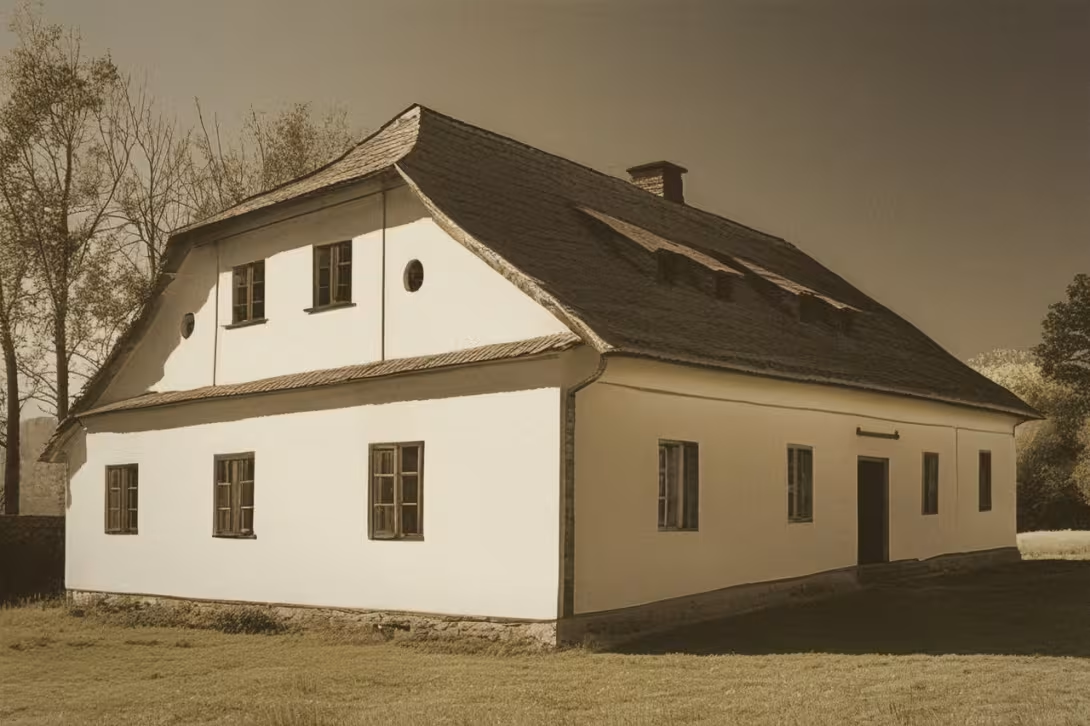
The historical appearance on the left is an AI-generated visualisation and serves as inspiration only.
Historical milestones
- 1784
- Establishing the Evangelical School
- 1808
- Position of the new building
- 1869
- Transfer of school to the municipality Návsí
- 1995
- Historical renovation of the building
Architectural development
Originally, there was a wooden building. In 1808 a new brick building was built in a classical style. The interior has preserved the original available and preserved frame cover ceilings.
Historical events
1784 foundation of evangelical school, 1808 construction of new wall building, 1869 transfer of school to the municipality Návsí, 1995 historical renovation of building.
Owners
Adam Sikora (1791 donated land), church (since 1808), village Návsí (since 1869), parish choir of the Silesian Church of the Evangelical Augsburg religion (current user).
Points of interest
- Former evangelická škola Emaus is a classicist country house from the 18th century and a cultural monument of the Czech Republic. - Originally built for the education of evangelical children based on the Tolerance Patent of Josef II, now serves as the headquarters of the Parish Choir of the Silesian Church of the Evangelical Augsburg religion. - After 1781, when the Tolerance Patent of Josef II was declared, the first evangelical school in Návsí was founded in 1784. - The architecture of the building represents a classical style with preserved original layout and beam-tipping ceilings, indicating its historical value. - After renovation in 1995, the building serves as a cultural and religious centre of the village Návsí.
Guide
Show guide text
This text was created by artificial intelligence and has not been editorially reviewed. It may contain inaccuracies.
Hello! Welcome to the unique historical monument of the former evangelická škola Emaus. You are standing in front of a classicist country house whose elegant cuts and decorated facade interest you already on sight. This object is located in the middle of Návsí and represents an important part of local history.
Let's look at the beginnings of this building. In 1784 the evangelical school was founded to teach children from evangelical families. This project was possible thanks to the Tolerance patent of Josef II, which allowed more religious freedom. In 1808 a new brick building was built, which served as a school building and later for other purposes.
Look up at the facade of this classic house. Observe carefully processed windows and elegant cuts that are characteristic of this architectural era. Although specific details are not specified, note the harmony and balance in the construction, which is a sign of Classicism.
This place also has connections with several historical personalities. Andrzej Kaleta, Adam Sikora and Jan Winkler are names that appear in the history of this building. Although their exact roles are not recorded, their connection to this monument suggests a profound impact on the local community.
The interesting thing is that after its original purpose, this building became the headquarters of the Silesian Church of Evangelical Augsburg. It is a reminder of the constant changes that the room is subject to, while preserving its historical value.
We want you to immerse yourselves in the atmosphere and the past. This house is not only an architectural work but also a living place with rich stories. If you have time, explore the surrounding areas and discover the other history this little village hides.
Thank you for your visit! I hope this guide inspired you to explore and appreciate history more deeply. Have a good time in the world of the past.
Tips for visitors
The best time to visit the historical building of the former Evangelical School of Emaus is in the spring or autumn period when the weather is pleasant and the sunlight ideally illuminates architectural details. This time of year also offers a beautiful green landscape around the village Návsí.
When visiting, bring protective clothes and shoes suitable for walking, because the path to the monument may be a little more unstale. Remember also the umbrella and water, especially in the summer months.
For photography is the best place in front of the building around the afternoon when light falls from the side. This lighting angle highlights the classical architectural elements of the building. Photography inside can be limited, so check the rules before entering.
In the vicinity of the monument you can see the evangelical church in Návsí. It is a beautiful place with a rich history that offers peace and a view of the countryside. It is advisable for families with children to plan a visit after school or on Saturday when children are more free.
Frequently asked questions
Can the monument be visited?
This is a residential or farm building, not a museum with opening hours. Please view it from public space and respect the owners' privacy. We have no information about access to the interior.
Where is the monument?
Location: Návsí, Moravskoslezský kraj. The map on this page shows the exact spot.
Why is the monument protected?
It is listed in the Central List of Cultural Monuments of the Czech Republic as a cultural monument (register no. 1000118692).
Businesses nearby
Do you run a restaurant, accommodation, shop, museum, rental, wellness or other visitor service near this monument? Show yourself directly to the people heading to it — this is how they will see you in the app and on the web:
Nearby
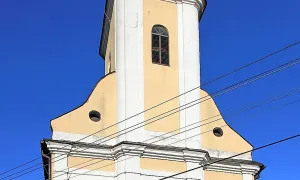
Evangelický kostel v Návsí.
Accommodation nearby
Themed route
Thematic cruise route from the village Návsí
1. Emaus Evangelical School - Type: Historical building, educational institution - Why is it worth visiting: This school is an important historical and cultural place with a rich past. Visitors can explore its architecture and learn about the history of education in the region.
2. Evangelical Church in Návsí - Type: Religious monument - Why is it worth visiting: The church is not only a spiritual centre but also an architectural pearl of the village. Its interior and history offer a view of local traditions and important events.
3. Emaus Evangelical School Station - Type: Public area, area - Why is it worth a visit: The tank is a place for relaxation and reflection. Here you can enjoy a quiet moment in a pleasant atmosphere and look at the surrounding architecture.
4. Tower of Evangelical Church - Type: Architectural element - Why is it worth visiting: The tower offers an excellent view of the village and surrounding countryside. It is an ideal place for those who want to enjoy a panoramic view and understand the historical height of the church.
5. Exposition in school building - Type: Cultural events - Why is worth a visit: Exposure may include various thematic exhibitions related to school and regional history. It's an opportunity to learn more about local culture and history.
This route offers a comprehensive view of the cultural and historical aspects of the village Návsí, mainly focused on the evangelical school of Emaus and its surroundings.
Seasonal recommendations
Spring: During spring evangelická škola Emaus on Návsí lights up with sunlight, which particularly highlights its historical architecture. Flowers in the surroundings are beginning to bloom and add to the atmosphere a breath of new life. It is advisable to visit a monument at the end of spring when the weather is warm but not too hot. During this period the openness of the building can be longer and visitors can meet with a smaller crowd. It is recommended to wear warm but comfortable clothes that allow you to enjoy an outdoor walk around the school.
Summer: In summer evangelická škola Emaus is surrounded by ripe trees and flowering bushes, creating a pleasant shadow atmosphere. The sun may be strong, so it is advisable to visit the memory morning or evening to avoid heat and crowds. Summer brings a high frequency of visitors, especially in the summer months when the weather is the hottest. It is recommended to wear light clothes and to carry protective sunglasses and UV cream.
Autumn: Autumn brings color jar, when tree leaves take on live shades. This seasonal change creates a unique atmosphere around the Evangelical School of Emaus. Autumn is an ideal time to visit, because the number of visitors usually decreases and the monument offers a quieter environment. The weather may be irregular, so it is advisable to prepare for morning cold and noon humidity. It is recommended to wear layered clothing and bring an umbrella with you for possible rain.
Winter: During winter evangelická škola Emaus is surrounded by snow, creating an idyllic atmosphere. Wet and cold weather can affect the opening times of the sights, so it is advisable to check in before visiting. Winter is the period with the lowest number of visitors, which makes it easier to explore the historical site. It is important to wear warm clothes and suitable footwear to help you overcome snow cover or wet roads during rainy days.
Visualizations and artistic views


The visualisations are generated by artificial intelligence and serve as inspiration.
Photos from the area
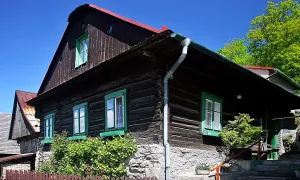
Real photos taken near the monument


Zdroj a licence jsou uvedeny u každého snímku.
Tips from visitors
No tips yet. Be the first!
Log in and add your tip.
Sources and literature
Photos: Hons084 / CC BY-SA 3.0 — Wikimedia Commons. The author and licence also appear when you hover over the image.
Faktickým podkladem tohoto textu byl článek na Wikipedii, jehož autory jsou přispěvatelé Wikipedie. Článek je dostupný pod licencí CC BY-SA 4.0.
Location on the map
Příběhy a pověsti
Legendy, pověsti a příběhy spjaté s touto památkou
Fotografie návštěvníků
Zatím žádné fotografie. Buďte první, kdo přidá fotografii z návštěvy!
Log in a přidejte svou fotografii nebo hodnoťte.
Za ověřenou návštěvu v aplikaci získáte víc bodů — poznáme podle GPS, že jste na místě.
Reviews and comments