






Františkánský klášter v Chebu Monastery
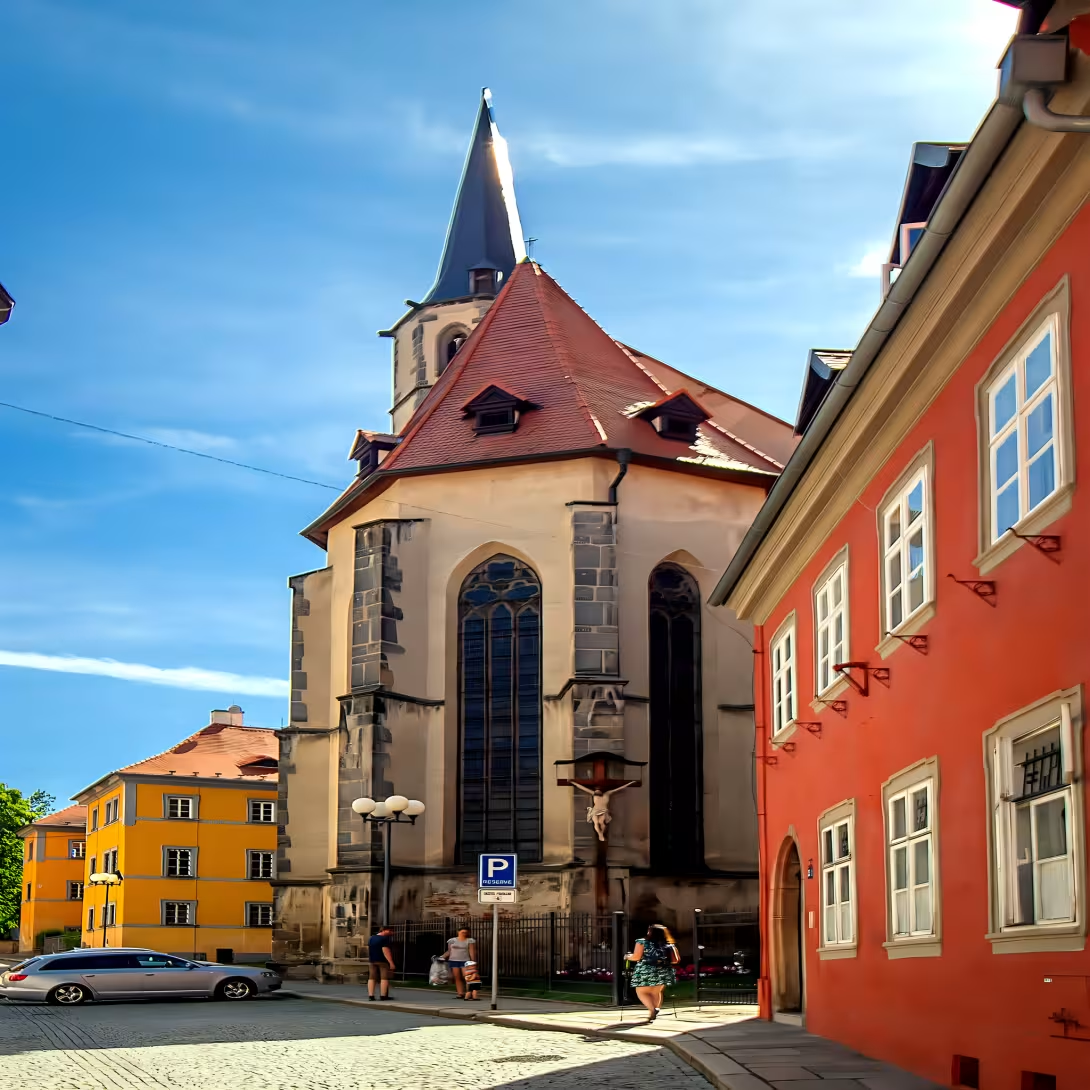
The Františkánský Klášter v Chebu is a historic Franciscan monastery located in the western Czech town of Cheb. Renowned for its Gothic architecture and significant historical value, it was established in the mid-13th century. The site features a church dedicated to the Annunciation, notable for well-preserved frescoes that offer insights into medieval religious life in Western Bohemia.
The Franciscan order of Minor Brothers founded the monastery before 1256. They arrived during a period when Bohemia experienced significant religious and political changes, reflecting broader European trends towards mendicant orders emphasizing poverty and preaching. Initially established in 1210, the Franciscans aimed to spread their message through such monastic communities.
Architecturally, the monastery underwent significant development after a fire in 1270 destroyed parts of it. Reconstruction efforts culminated in 1285 with the consecration of the rebuilt church dedicated to the Annunciation. This Gothic-style church features a three-nave hall design and preserved frescoes that provide valuable insights into medieval religious art. Additionally, remnants of an early 14th-century cloister have been well-preserved.
Throughout its history, the monastery experienced several administrative changes and challenges. In 1465, local Franciscans joined a stricter observant branch of their order, reflecting shifts within the broader Franciscan movement. By the late 16th century, during the Reformation, many monasteries were closed, leaving only two active convents in Saxonia, including Cheb's. In 1603, the leadership of the Franciscan order integrated the Cheb monastery into the Upper German (Strasbourg) province.
The Františkánský Klášter v Chebu faced its final closure in 1951 when the communist government mandated the departure of the Franciscans as part of "Action K." Despite this, the site has been preserved and is now accessible to visitors. Today, it stands as a testament to its historical significance, offering a glimpse into the architectural and religious history of the region.
Visitors today can explore the Františkánský Klášter v Chebu, appreciating its Gothic architecture and rich frescoes that adorn its walls. The site's historical significance is underscored by its resilience through centuries of change, from fires to political upheavals. It remains a valuable cultural heritage site, inviting those interested in history and art to discover its enduring legacy.
Then and now
Drag the slider to compare how the landmark may have looked when it was built with the view today.
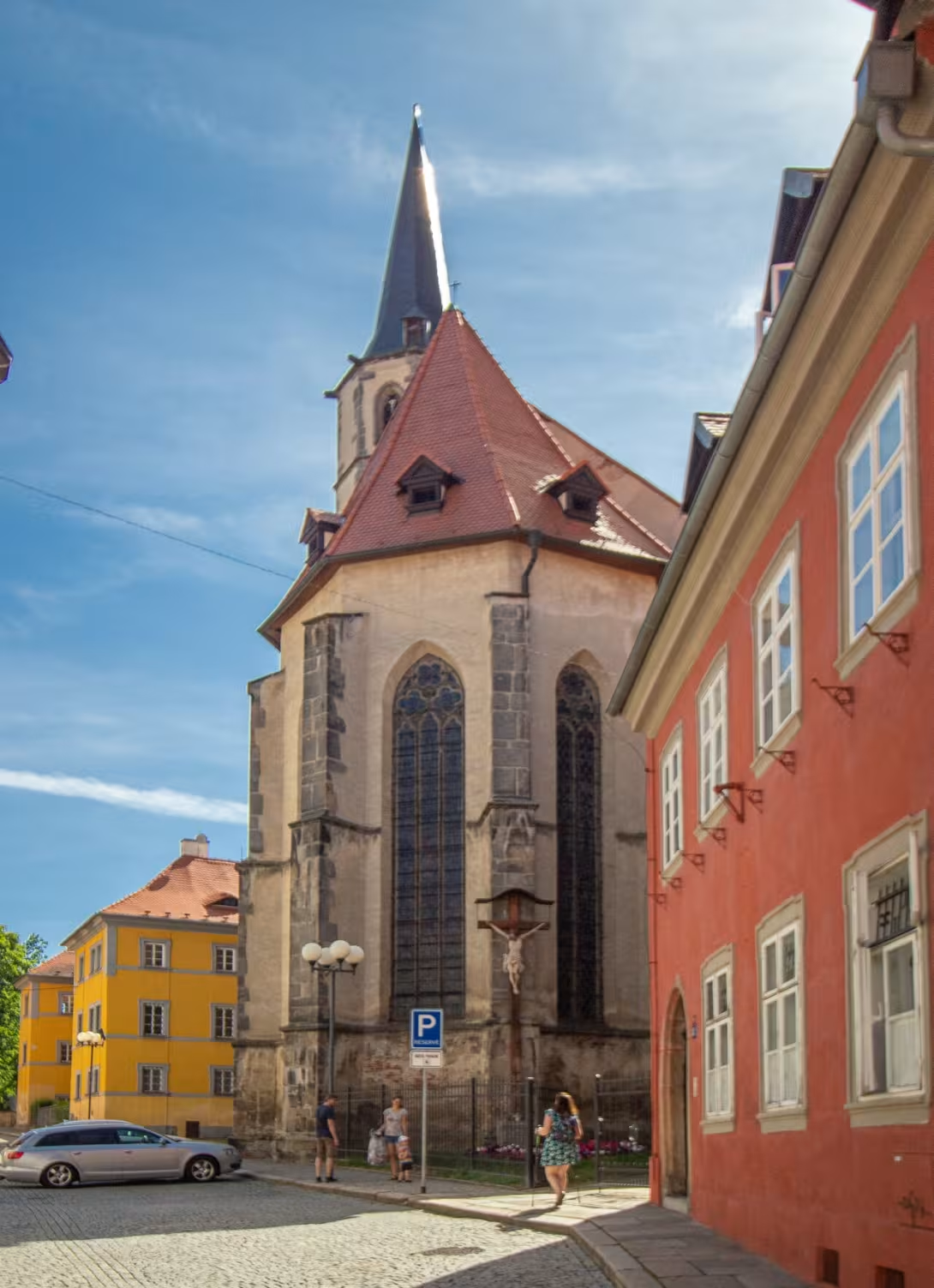
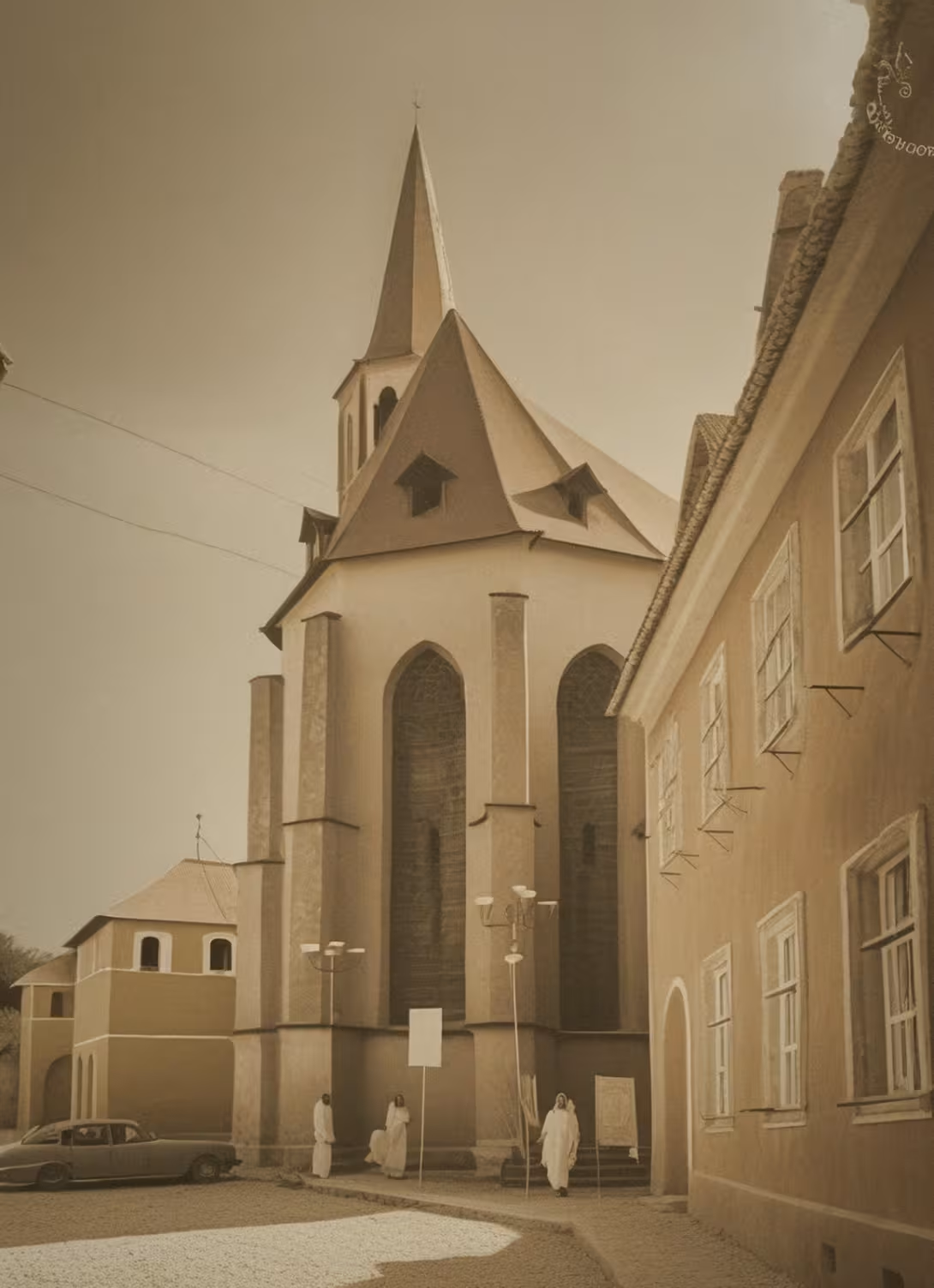
The historical appearance on the left is an AI-generated visualisation and serves as inspiration only.
Historical milestones
- 1256
- Františkánský řád menších bratří established their presence in Cheb.
- 1270
- A fire destroyed parts of the monastery and church.
- 1285
- The reconstructed church was consecrated with a dedication to the Annunciation.
- 1465
- Cheb's Franciscans joined the stricter observant branch of their order.
Architectural development
The Františkánský klášter v Chebu underwent significant architectural development, initially established in the mid-13th century. After a fire in 1270, it was rebuilt and consecrated again in 1285 with a focus on Gothic style. The church is a three-nave hall church featuring preserved frescoes and parts of the cloister from the early 14th century.
Historical events
Františkánský řád menších bratří established the monastery in Cheb before 1256.
A fire in 1270 destroyed parts of the monastery, leading to significant reconstruction efforts.
In 1465, the local Franciscans joined a stricter observant branch of their order.
The monastery was closed in 1951 due to government action during communist rule.
Owners
The monastery was originally owned by the Franciscan order of the Minor Brothers, administratively part of the Saxon province of the Franciscans. In 1465, the Cheb Franciscans joined a stricter observant branch. By the late 16th century, due to the closure of monasteries during the Reformation, only two active convents remained in Saxonia, including Cheb. In 1603, the leadership decided to incorporate the Cheb monastery into the Upper German (Strasbourg) province.
Points of interest
- Despite its significant history, the Františkánský Klášter v Chebu was one of only two Franciscan convents to remain active in Saxonia by the late 16th century, showcasing resilience during a time when many monasteries were closed due to the Reformation.
- The monastery's church was consecrated in 1285 after reconstruction efforts following a fire in 1270. This event highlights how medieval communities prioritized rebuilding and preserving religious structures even after devastating events.
- In 1603, the leadership of the Franciscan order integrated the Cheb monastery into the Upper German (Strasbourg) province, reflecting broader organizational changes within the order that sought to unify various branches under a more centralized administration.
- The monastery's frescoes are not only artistic masterpieces but also serve as historical documents. They offer insights into medieval religious life and practices in Western Bohemia, capturing details of daily monastic life and spiritual themes from that era.
- In 1951, the Františkánský Klášter v Chebu was closed during "Action K," a communist initiative aimed at removing religious orders. This marked a significant shift in the monastery's history as it transitioned from an active religious site to a preserved cultural heritage location.
Guide
This guide is narrated by a synthetic voice generated by artificial intelligence.
Show guide text
This text was created by artificial intelligence and has not been editorially reviewed. It may contain inaccuracies.
Welcome to the Franciscan Monastery in Cheb, one of the most interesting historical sites in western Bohemia. You stand before a beautiful complex that symbolizes both the past and present of this lovely city. Look up at the façade where you will see preserved medieval elements that reflect the rich history of this place.
Let's step back into the past to discover how the Cheb Franciscan Monastery developed. The Order of Friars Minor first appeared in Cheb in 1256, when they established their first community here. Several years later, in 1270, a fire damaged part of the monastery and church. However, the Franciscans managed to restore it, and by 1285, the Church of the Annunciation was reconsecrated.
Notice how the monastic church comes into focus. It is a beautiful example of Gothic architecture typical for this region of Bohemia. Take a look at the façade and see how Gothic elements blend with other architectural details. Whether you are looking up at the tower or down at the floor, every detail is evidence of rich history and architectural skill.
Now pay attention to some of the key stories and personalities associated with this place. Despite its significant history, the Franciscan Monastery in Cheb was one of only two Franciscan convents that remained active in Saxony at the end of the 16th century. This is a testament to its resilience and ability to adapt to changing historical conditions.
Whether you are here for the first time or have stopped by before, the Franciscan Monastery in Cheb is a place that will fascinate and inspire you. Explore its beautiful architectural details, experience the atmosphere of the past, and remember that you are here.
Businesses nearby
Do you run a restaurant, accommodation, shop, museum, rental, wellness or other visitor service near this monument? Show yourself directly to the people heading to it — this is how they will see you in the app and on the web:
Nearby
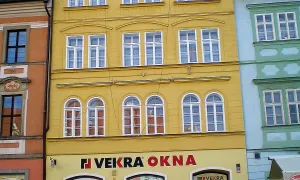
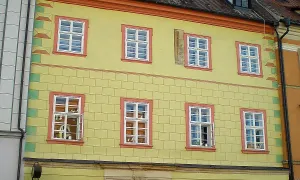
The monastery is situated in Cheb, surrounded by other historical sites such as the former Clarisse convent. The area features a mix of medieval architecture and natural landscapes typical of western Bohemia.
Accommodation nearby
Themed route
Trasa: Cheb and its historic core
1. Franciscan Monastery in Cheb (main destination) - This monastery is the dominant feature of Cheb's historic core and is worth visiting for its unique architecture and rich history. The monastery serves as the seat of the Franciscan order and offers beautiful courtyards and an exhibition on the history of the monastery.
2. Cheb Town Hall - Located near the monastery, it is a stunning example of medieval architecture. It's a place where you can learn about the city's history and its administrative institutions.
3. Cheb Gate - This gate serves as the entrance to Cheb's historic core and is worth visiting for its historical significance and beautiful architecture.
Seasonal recommendations
Jaro: In the spring season, the Franciscan Monastery in Cheb is surrounded by lush greenery and blooming flowers, creating a pleasant atmosphere. The specific feature of this time is also the spring lighting, which illuminates the interior spaces of the monastery and highlights its historical value. Practical tips: The best time to visit the monastery during the spring months is in the morning or afternoon to avoid crowds of tourists. Additionally, it's advisable to bring an umbrella during spring as the weather can be unpredictable.
Léto: During the main summer season, the Cheb Monastery is a very popular destination, so it's best to arrive early to avoid large crowds. The specific feature at this time is the summer lighting, which illuminates the interior spaces of the monastery and highlights its historical value. The atmosphere in summer is very relaxed and calm, making it ideal for exploring the monument. Practical tips: The best time to visit the monastery in summer is in the morning or late afternoon to avoid crowds.
Podzim: In the autumn season, the Cheb Monastery is surrounded by beautiful autumn foliage, creating a pleasant atmosphere. The specific feature of this time is also the autumn lighting, which illuminates the interior spaces of the monastery and highlights its historical value. Practical tips: The best time to visit the monastery during the autumn months is in the morning or afternoon to avoid crowds of tourists. Additionally, it's advisable to bring warm clothing during autumn as the weather can be cold.
Zima: In winter, the Cheb Monastery is a less frequented destination, making it an ideal time to visit during the winter months. The specific feature at this time is the winter lighting, which illuminates the interior spaces of the monastery and highlights its historical value. The atmosphere in winter is very calm and quiet, making it ideal for exploring the monument. Practical tips: The best time to visit the monastery in winter is in the morning as the opening hours are shorter during this period and there are fewer people. Additionally, it's advisable to bring warm clothing to avoid the cold.
Visualizations and artistic views


The visualisations are generated by artificial intelligence and serve as inspiration.
Photos from the area
Real photos taken near the monument

Zdroj a licence jsou uvedeny u každého snímku.
Tips from visitors
No tips yet. Be the first!
Log in and add your tip.
Sources and literature
Photos: VitVit / CC BY-SA 4.0, rozlišení zvýšeno umělou inteligencí — Wikimedia Commons. The author and licence also appear when you hover over the image.
Faktickým podkladem tohoto textu byl článek na Wikipedii, jehož autory jsou přispěvatelé Wikipedie. Článek je dostupný pod licencí CC BY-SA 4.0.
Location on the map



Příběhy a pověsti
Legendy, pověsti a příběhy spjaté s touto památkou
Fotografie návštěvníků
Zatím žádné fotografie. Buďte první, kdo přidá fotografii z návštěvy!
Log in a přidejte svou fotografii nebo hodnoťte.
Za ověřenou návštěvu v aplikaci získáte víc bodů — poznáme podle GPS, že jste na místě.
Reviews and comments