






Gablerovský dům House
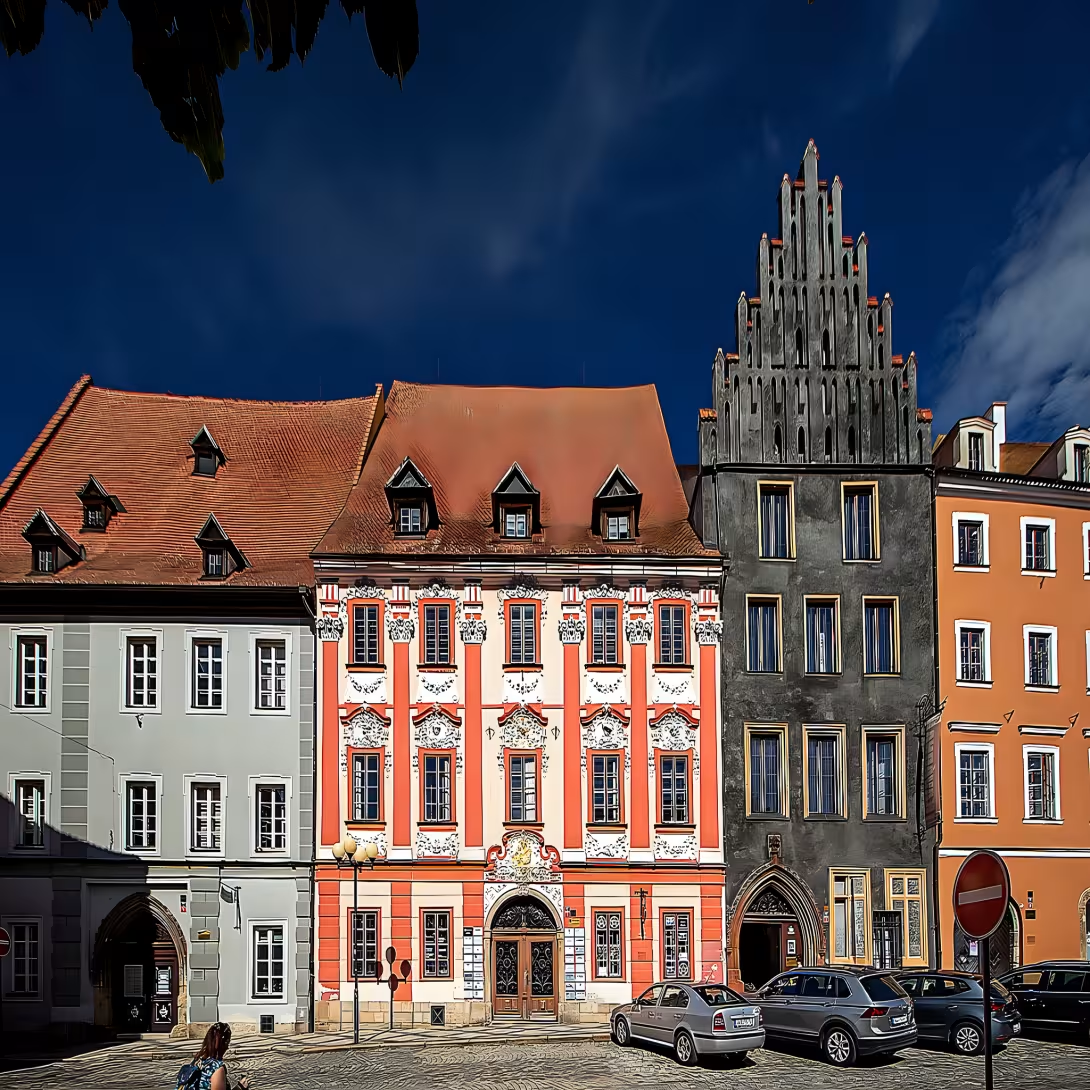
Gablerovský Dům, also known as Gabler's House or the House of Gabler, is a baroque townhouse in Cheb. It features an exquisite rococo façade and a rich cultural history. Originally built with a late Gothic core from the 15th century, it gained significance during the late 18th and early 19th centuries when Anton Gabler, a prominent citizen and town councilor, transformed it into a cultural hub through his extensive library and music collection.
The origins of Gablerovský Dům trace back to its acquisition by the Jesuit Order in 1657. They intended to convert it into a college, reflecting religious and political shifts in Bohemia under the Habsburg Monarchy. This period saw significant transformations across Europe, especially in arts and architecture, evident in the evolution of Gablerovský Dům.
Architecturally, the building transformed from its late Gothic origins to baroque style. The most notable change was the construction of a two-story, five-axis rococo façade completed in 1773. This façade features rusticated ground floor pilasters and colossal pilasters connecting the upper floors, adorned with rokoko ornamentation and allegories representing the four seasons. A chronogram above the entrance indicates this completion date. The façade also boasts a stucco relief of Madonna with Child above the entrance.
Ownership changed significantly over time. After the Jesuits acquired it in 1657, Anton Gabler became its owner at the turn of the 18th and 19th centuries. Under his ownership, the house gained cultural prominence due to Gabler's contributions as a town councilor and his passion for literature and music.
The building holds several historical curiosities that add to its allure. A hidden Gothic fresco from the 15th century, depicting a hunting scene with nobles, is partially preserved beneath layers of plaster. Despite damage from later modifications such as inserted floors and wooden beams, this fresco remains an artistic treasure from the 15th century.
Today, Gablerovský Dům stands as a testament to its rich historical tapestry and architectural evolution. Visitors can appreciate its intricate façade and explore the remnants of its storied past. The house's transformation over centuries—from a late Gothic structure to a baroque masterpiece—makes it a fascinating destination for those interested in cultural history and architecture.
Gablerovský Dům invites visitors to step back in time, experiencing the layers of history embedded within its walls while celebrating its enduring legacy.
Historical milestones
- 15th century
- Original late Gothic core construction.
- 1657
- Acquisition by the Jesuit Order for conversion into a college.
- 1773
- Completion of the two-story, five-axis rococo façade.
- Late 18th to early 19th century
- Anton Gabler transforms it into a cultural hub with library and music collection.
Architectural development
Gablerovský dům originally had a late Gothic core, which underwent significant transformation in the baroque period. The building features a two-story, five-axis rococo façade completed in 1773, characterized by rusticated ground floor pilasters and colossal pilasters connecting the upper floors. The façade is adorned with rokoko ornamentation and allegories of the four seasons.
Historical events
1657: The Jesuit Order purchased the house intending to rebuild it as a college.
1773: A chronogram above the entrance indicates that the rococo façade was constructed.
Owners
In 1657, the Jesuit Order acquired the building with plans to convert it into a college. Later, at the turn of the 18th and 19th centuries, Anton Gabler became its owner.
Points of interest
- Gablerovský Dům was originally built with a late Gothic core from the 15th century. - The Jesuit Order acquired it in 1657 and intended to convert it into a college. - A hidden Gothic fresco from the 15th century, depicting a hunting scene with nobles, is partially preserved beneath layers of plaster. - The building's façade was transformed into a two-story, five-axis rococo style completed in 1773, featuring rusticated ground floor pilasters and colossal pilasters connecting the upper floors adorned with rokoko ornamentation and allegories representing the four seasons. - Anton Gabler be
Guide
Show guide text
This text was created by artificial intelligence and has not been editorially reviewed. It may contain inaccuracies.
Welcome to Cheb. As you stand here in the heart of this historic town, take a moment to simply breathe in the atmosphere of the surroundings. You are standing directly in front of one of the most striking and layered pieces of architecture in the area: Gablerovský dům. At first glance, the building presents a vision of elegance and grace, a testament to the refined tastes of centuries past. Allow your eyes to wander over the exquisite Rococo façade that defines its presence on the street. It is a sight that commands attention, drawing you into the story of a house that has worn many different faces throughout the ages.
To truly appreciate what you see before you, we must look beyond the surface and travel back through the centuries. While the building appears to be a masterpiece of the late eighteenth century, its story actually begins much deeper in the past. Beneath that beautiful, decorative exterior lies a much older soul. The very core of Gablerovský dům is rooted in the late Gothic period, dating all the way back to the 15th century. Imagine, if you will, the structure as it stood hundreds of years ago—sturdier, more austere, and built with the heavy, functional strength characteristic of the Middle Ages. This original Gothic foundation is the silent anchor that has held this site steady while the world around it transformed.
As time moved forward, the purpose of this building shifted alongside the changing tides of history. In 1657, a significant turning point occurred when the Jesuit Order acquired the property. Their vision was ambitious; they intended to transform this residence into a college, a place of learning and spiritual guidance. While the full conversion into a grand educational institution may have evolved differently than they originally planned, the influence of the Jesuits left an indelible mark on the history of the site, marking its transition from a private dwelling to a place of institutional importance.
Now, let us turn our attention back to the visual splendor that greets you right now. If you look closely at the façade, you are witnessing the culmination of a grand architectural transformation that reached its peak in 1773. This was the year the two-story, five-axis Rococo façade was completed. This style was all about light, movement, and intricate ornamentation, a sharp and beautiful contrast to the dark, heavy Gothic origins hidden within the walls. The architects of that era sought to bring a sense of playfulness and sophistication to the streets of Cheb, and in Gablerovský dům, they succeeded brilliantly. Notice how the design creates a sense of rhythm and elegance, turning a simple townhouse into a work of art that reflects the prosperity and cultural awakening of the time.
However, a building is never just a collection of stones and decorative plaster; it is defined by the spirit of the people who lived within its walls. As we move into the late 18th and early 19th centuries, the house takes on a new identity, one of intellectual and cultural brilliance. This was the era of Anton Gabler. A prominent citizen and a respected town councilor, Anton Gabler was a man of great vision and passion. Under his stewardship, Gablerovský dům was transformed into much more than a mere residence; it became a vibrant cultural hub for the community.
Imagine the sounds and the atmosphere of the house during Gabler's time. It was a place where ideas flourished and art was celebrated. He curated an impressive library and a significant music collection, turning the house into a sanctuary for scholars and music lovers alike. When you look at the building now, try to envision the lively discussions, the sound of musical instruments drifting through the rooms, and the intellectual energy that Anton Gabler brought to this corner of Cheb. He didn't just inhabit this house; he gave it a heartbeat.
But even as we admire the visible beauty of the Rococo exterior and celebrate the legacy of Anton Gabler, there is a deeper mystery waiting to be uncovered—a secret that lies hidden just out of sight. Beneath the layers of plaster that cover the interior walls, there is a ghost of the past waiting to be rediscovered. Hidden away from the modern eye is a late Gothic fresco from the 15th century. This ancient painting depicts a lively hunting scene, complete with nobles engaged in the pursuits of the era. It is a fragment of a lost world, a glimpse into the medieval life that existed long before the Rococo elegance was ever conceived. This hidden masterpiece serves as a reminder that every building is a collection of secrets, with layers of history stacked one upon the other, waiting for the right moment to be revealed.
As you stand here, you are witnessing a remarkable intersection of eras. You are seeing the 15th-century Gothic strength, the 17th-century Jesuit influence, the 18th-century Rococo beauty, and the 19th-century cultural legacy of Anton Gabler, all existing in a single, magnificent structure. Gablerovský dům is not just a house; it is a living timeline of Cheb itself.
We hope this brief journey through time has enriched your view of this magnificent landmark. As you continue your walk through the beautiful streets of Cheb, keep your eyes open for the stories hidden in the stones and the echoes of the past in every corner. Thank you for listening, and please, enjoy the rest of your exploration.
Tips for visitors
The best time to visit Gablerovský dům is during the late spring or early fall when the weather is pleasant, allowing you to fully appreciate its exquisite rococo façade and surrounding architecture without the crowds typical of peak tourist seasons. The softer light during these months also enhances the beauty of the building's intricate details.
Parking near Gablerovský dům can be limited due to its central location in Cheb. Visitors are encouraged to use public transportation, which is readily available and convenient for reaching the site. For those who prefer driving, it’s advisable to check local resources or a map application for nearby parking options.
When visiting Gablerovský dům, consider bringing comfortable walking shoes as you may want to explore the surrounding area of Cheb on foot. A camera is recommended to capture the architectural beauty and any street scenes that catch your eye. Additionally, carrying a water bottle and some snacks can make your visit more enjoyable.
Photography enthusiasts will find Gablerovský dům's façade particularly striking in the morning light when shadows are softer, or during golden hour in the late afternoon for a warm glow on its rococo details. The surrounding streets of Cheb also offer charming backdrops and interesting angles for capturing the essence of this historic site.
In the vicinity of Gablerovský dům, within about 30 minutes by car or public transport, you can explore other historical sites in Cheb that enrich your understanding of the area's rich cultural heritage. Although specific nearby attractions are not detailed here, a short drive or ride will lead you to discover more of what this beautiful region has to offer.
Businesses nearby
Do you run a restaurant, accommodation, shop, museum, rental, wellness or other visitor service near this monument? Show yourself directly to the people heading to it — this is how they will see you in the app and on the web:
Accommodation nearby
Themed route
Gablerovský dům Thematic Tour
1. Gablerovský dům (Dům) Start your journey at the heart of Cheb with Gablerovský dům, a historic building that offers a glimpse into the architectural elegance of the past. This house is renowned for its unique design and historical significance, making it an essential visit for anyone interested in cultural heritage.
2. Chebské náměstí (Náměstí) A short walk from Gablerovský dům will bring you to Chebské náměstí, the central square of Cheb. This vibrant area is perfect for exploring local shops and cafes while soaking in the lively atmosphere of the town center. The square's historical buildings provide a picturesque backdrop that enhances its charm.
3. Chebská radnice (Ratův dům) Nearby, visit the Chebská radnice, an impressive town hall with stunning architecture and rich history. This building is significant for its role in local governance over centuries and offers visitors a chance to appreciate its beautiful design and historical importance.
4. Chebský hrad (Hrad) A short distance from the town center lies Chebský hrad, an ancient castle that dominates the skyline with its imposing presence. Explore this historic fortress for breathtaking views of the surrounding landscape and learn about its storied past as a strategic military site.
5. Pivovar Staropramen (Pivovar) Conclude your tour at Pivovar Staropramen, one of the oldest breweries in the region. This brewery offers tours that provide insights into traditional beer-making processes and allows visitors to sample some of their finest brews. It's a perfect way to end your day with a taste of local culture.
This thematic tour provides an enriching experience through Cheb’s historic sites and cultural landmarks, offering both educational value and leisurely enjoyment.
Seasonal recommendations
Spring: Visiting Gablerovský dům in Cheb during the spring offers a refreshing experience as nature awakens with blooming flowers and lush greenery surrounding the historic site, creating an enchanting atmosphere. This season is ideal for photography enthusiasts who want to capture vibrant landscapes against the backdrop of the house's architecture. With milder temperatures, visitors should dress comfortably but be prepared for occasional rain showers by carrying a light waterproof jacket or umbrella. Spring tends to attract moderate crowds, making it a pleasant time to explore without feeling overwhelmed.
Summer: The summer season at Gablerovský dům is characterized by long daylight hours and warm weather, perfect for leisurely strolls around the property and enjoying outdoor activities in Cheb's beautiful surroundings. This period sees an increase in visitors due to its popularity during the main tourist season, so it’s advisable to arrive early to avoid crowds. Light, breathable clothing is recommended to stay comfortable under the sun, along with a hat or sunglasses for protection. Don’t forget sunscreen and plenty of water to keep hydrated while exploring.
Autumn: Autumn brings a unique charm to Gablerovský dům, as the foliage transforms into vibrant shades of red, orange, and gold, offering picturesque views that enhance the historic ambiance of the site. This season is less crowded than summer, providing a more tranquil experience for visitors who appreciate nature’s beauty. The weather can be unpredictable with cooler temperatures, so layering your clothing will ensure comfort during your visit. It's also a great time to enjoy outdoor activities like hiking in the nearby forested areas.
Winter: Visiting Gablerovský dům in winter presents a serene and mystical atmosphere as snow blankets the landscape, creating a picturesque scene that complements the historic architecture. The colder temperatures mean shorter opening hours for the site, so it’s wise to check ahead before planning your visit. Dress warmly with layers, including thermal wear and a heavy coat, along with gloves and a hat to stay cozy while exploring. Winter can be quieter in terms of tourism, offering a peaceful experience away from the hustle and bustle of peak seasons.
Visualizations and artistic views


The visualisations are generated by artificial intelligence and serve as inspiration.
Photos from the area
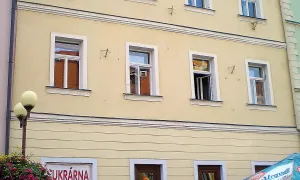
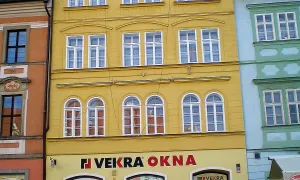
Real photos taken near the monument


Zdroj a licence jsou uvedeny u každého snímku.
Tips from visitors
No tips yet. Be the first!
Log in and add your tip.
Sources and literature
Fotografie: VitVit / CC BY-SA 4.0, rozlišení zvýšeno umělou inteligencí — Wikimedia Commons. The author and licence also appear when you hover over the image.
Faktickým podkladem tohoto textu byl článek na Wikipedii, jehož autory jsou přispěvatelé Wikipedie. Článek je dostupný pod licencí CC BY-SA 4.0.
Location on the map

Příběhy a pověsti
Legendy, pověsti a příběhy spjaté s touto památkou
Fotografie návštěvníků
Zatím žádné fotografie. Buďte první, kdo přidá fotografii z návštěvy!
Přihlaste se a přidejte svou fotografii nebo hodnoťte.
Za ověřenou návštěvu v aplikaci získáte víc bodů — poznáme podle GPS, že jste na místě.
Reviews and comments