






Hanzlův mlýn Mill
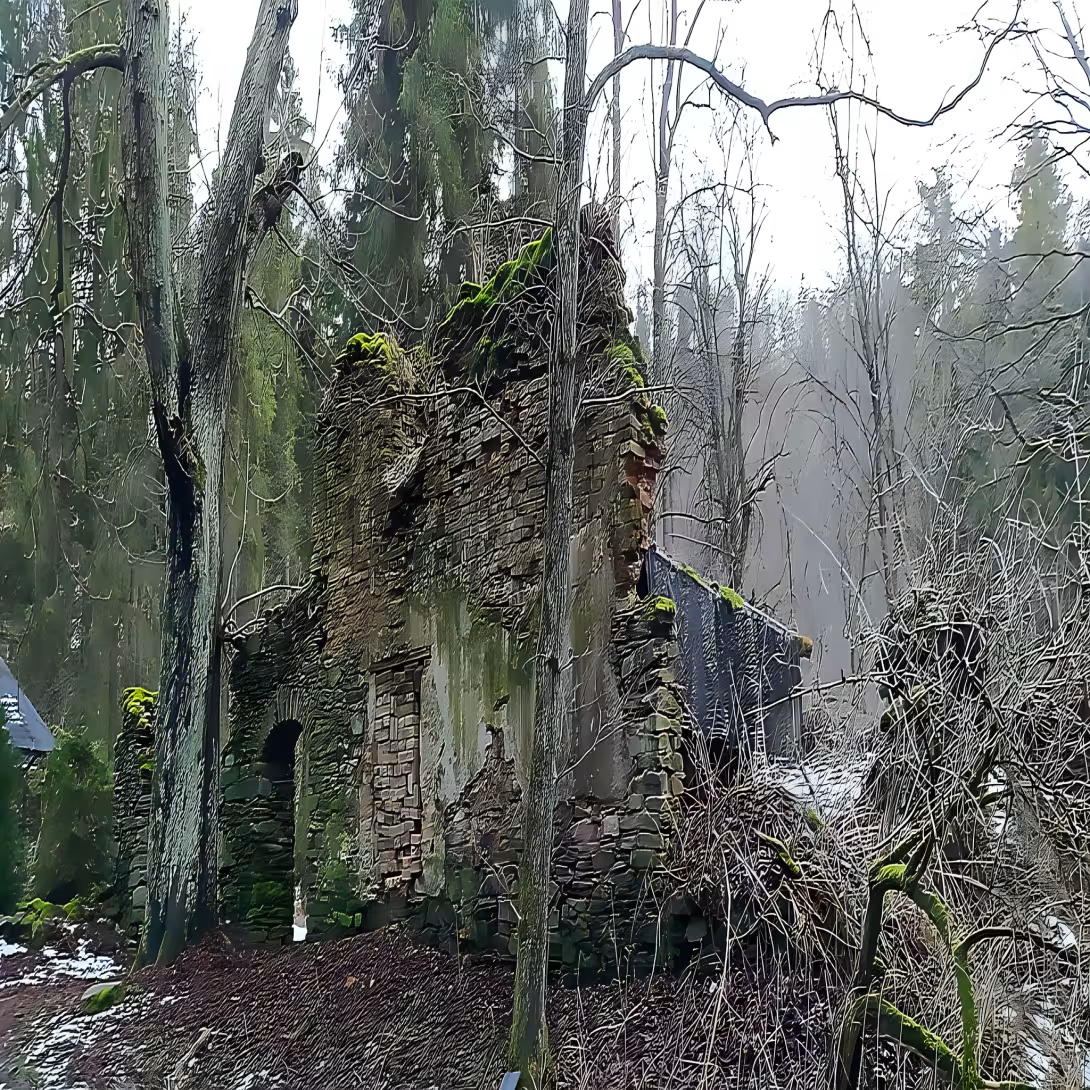
Hanzlův mlýn, also known as the Radkov Mill, is a historical ruin located in the bend of the Moravice River near the village Radkov in the Opava district, in the Moravskoslezský kraj region. The first documented in 1603, this Renaissance water mill played a multilateral role in local history by milling grain and operating both oil and islet mills until 1826. The site ended in 1953 and was dismantled for building materials, left behind relics that talk about the past of the region.
The origin of Hanzlův mlýn returned to 1603, during major historical changes in Europe, including the Thirty Years' War. Its establishment indicates its importance as local resources for grinding and other agricultural processes. For centuries, it has served various purposes, reflecting technological progress as it was recorded during the industrial revolution.
Hanzlův mlýn was architecturally equipped with a water wheel designed to benefit from lower water performance, suggesting technical practice of its time. By 1826, the mill expanded its activities to include the pressing of oil and mills, showing its adaptability and importance in the local industry. These supplements highlight how the site developed with technological progress while maintaining its basic function of milling equipment.
The ownership of Hanzlův mlýn has gone through several remarkable families of the mill, including the families Jašek, Schmied, Noske and Hanzl. Each family contributed to the activity of the mill and its heritage, thereby ensuring its lasting importance in the community until its completion in 1953.
Key events in Hanzlův mlýn include his first documented mention in 1603 and the extension of his equipment to 1826. A particularly bleak remark is the reported suicide of the last miller, adding intrigue to the web story. These events highlight the long-term presence of the mill and the impact on local life.
Today, Hanzlův mlýn stands as a historical relic accessible on forest roads even if it is not marked for tourists. The absence of a tourist sign adds an element of discovery to those who are trying to explore this page. Near there are two former shale mines across the river Moravice and other old mining sites nearby, along with a natural spring, enrich the historic tapestries area.
The visit Hanzlův mlýn offers a unique view of the past, enabling visitors to connect with the region's rich history through its architectural relics and heralded heritage. Its importance as a former centre of local industry and social life makes it a useful destination for those interested in discovering the Moravian-Silesian heritage.
Then and now
Drag the slider to compare how the landmark may have looked when it was built with the view today.
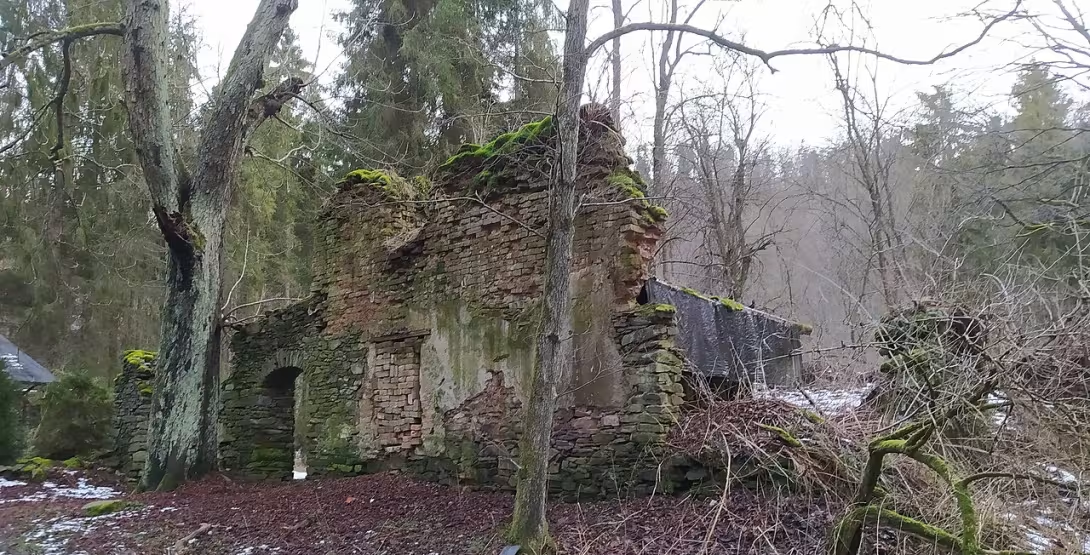
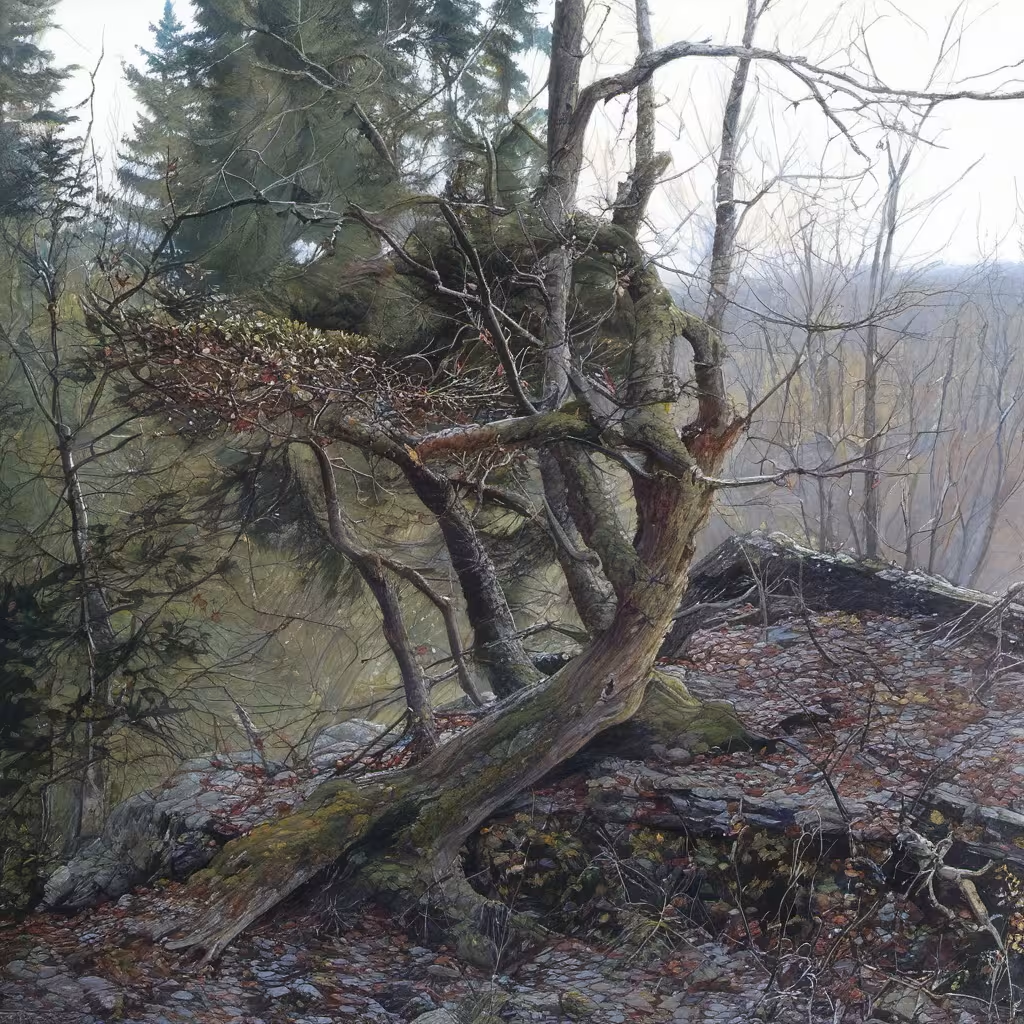
The historical appearance on the left is an AI-generated visualisation and serves as inspiration only.
Historical milestones
- 1603
- The first document about Hanzl is a millet.
- 1826
- The operation will be spread over the oil pressure and flour milling.
- 1953
- Termination of operation and demolition for construction.
Architectural development
Hanzlův mlýn was a water bike for lower water performance. In time, it extended its functions to include oil and mill pressing by the beginning of the 19th century.
Historical events
First documented mention in 1603.
By 1826, the mill included oil press and mill.
The mill closed in 1953.
Owners
The mill operates several families for centuries, including Jašek, Schmied, Noske and Hanzl.
Points of interest
- Hanzlův mlýn is a water mill ruin located in the fold of the Moravice river near the municipality of Radkov.
- The first mention of the mill dates back to 1603 and the miller were from families Jašek, Schmied, Noske, Hanzl.
- In 1826 the mill also had oil and gravel.
- The mill worked until 1953, then it began to be dismantled into building materials by the surrounding people.
- The last miller supposedly hanged himself.
Guide
This guide is narrated by a synthetic voice generated by artificial intelligence.
Show guide text
This text was created by artificial intelligence and has not been editorially reviewed. It may contain inaccuracies.
Welcome to the historical site Hanzlův mlýn, also known as the Radkov Mill. As you stand here in this quiet corner in the river Moravice near the village Radkov, take a moment to dive in a quiet environment and imagine what once was. In front of you lies the remnants of a water mill that has survived centuries, its story carved into the landscape itself.
The origin of Hanzlův mlýn dates back to 1603, during an era characterized by a stormy 30-year war. In this period of European history, the need for resources such as mills has become essential for local nutrition and the economy. The mill was founded as a Renaissance building, which served as a lifeline for the community with its necessary milling operations.
As you look around, notice how nature regenerated parts of this site connecting what's left of the original architecture. While specific details about architects are lost in time, the strategic position along the river speaks of its historical importance and usefulness.
By 1826, Hanzlův mlýn expanded its activities to include the pressing of oil and mills, which reflects the evolving needs of the community that served. This period meant an important chapter in the history of the mill, which showed its adaptability and importance.
Several key numbers are connected to this site, including Jašek, Schmied, Noske, and Hanzl itself. Each played a role in shaping the heritage of this remarkable place, contributing to his rich tapestry stories and history.
One interesting aspect of Hanzlův mlýn is its connection to the 1930s. "The time of war suggests that its establishment was not only a matter of local necessity, but also part of a broader historical context. This link adds a layer of depth to your visit, inviting you to think about the role of the mill in such a turbulent time.
When we have completed our journey in this historic place, I urge you to think for a moment about what you have witnessed here. The story of Hanzlův mlýn is one of the resistance and transformation, from its origin in 1603 to its years of operation until its completion in 1953. Although the mill was dismantled for construction materials, its legacy persists.
Thank you for joining me in the Hanzlův mlýn survey. As you move forward, carry with you stories and memories of this remarkable place. May your curiosity continue to lead you to other historical treasures awaiting discovery. Have a good trip!
Tips for visitors
The best time to visit Hanzlův mlýn is at the end of spring or early autumn when the weather is mild, making it ideal for exploring ruins without extreme temperatures. These seasons also offer beautiful natural scenery with fresh greenery and colorful greenery, increasing your experience in this historic place.
Parking and transport are suitable for visitors Hanzlův mlýn. There are parking facilities nearby where you can leave your vehicle and the location is also accessible by public transport. To ensure a smooth path it is advisable to check current routes and plans using an online search tool before your visit.
When planning your trip to this historic place, consider bringing comfortable walking shoes to explore the ruins and surrounding areas, along with the conceived-appropriate clothes. The camera is recommended to capture picturesque views of the river Moravice and picturesque landscape. In addition, transporting water and refreshments can improve your comfort during your visit.
For photo lovers, Hanzlův mlýn offers several places where you can capture stunning pictures, especially during golden hours in the morning or late afternoon when the light is soft and warm. Bending the river Moravice provides a beautiful background for photographs, highlighting both ruins and natural beauty areas.
In addition to exploring Hanzlův mlýn itself, visitors can enjoy the surroundings of attractions within a 30 minute drive or walk. Two former shale mines on the opposite bank of the Moravice River offer an interesting view of the mining history of the region. Families with children would also appreciate a visit to spring in the area where they can become involved in nature and learn about local ecology.
Frequently asked questions
Is Hanzlův mlýn open to the public?
Yes, Hanzlův mlýn is accessible for visitors. Even though it's a ruin, you can safely pass through the surrounding terrain.
How do I get to the place by car / public transport?
The location is accessible by car through the main roads in the Radkov area. For those travelling by public transport, buses from nearby cities can be used; check current connections and times in the public transport search engine.
How much is the entrance fee and is it paid on the spot?
Hanzlův mlýn is a free attraction, so there is no admission fee. The site does not offer services on site.
Is the tour suitable for children and seniors?
The tour is suitable for children and seniors as long as they care about safety. The terrain is a little uneven, so suitable shoes are recommended.
How long does the tour take?
The Hanzlův mlýn tour can take from 30 minutes to a few hours, depending on how far you want to explore the surroundings and how much time you spend shooting.
What are the opening times and booking is required?
As a historical monument, Hanzlův mlýn does not have specific opening times. The location is available during the day hours, but booking is not required.
What's interesting in the immediate vicinity?
In the vicinity of Hanzlův mlýn you can visit the Tramp settlement and the well by the mill, as well as two former mines on the shale opposite the river Moravice. These points bring historical interest and opportunities for short walks.
For kids
Hello, young adventurers! Today we are going to go on an extraordinary story about Hanzlův mlýn, which is the true jewel of the past. Imagine you're a little kid living in a village called Radkov. It's like living in a book full of secrets and stories.
Businesses nearby
Do you run a restaurant, accommodation, shop, museum, rental, wellness or other visitor service near this monument? Show yourself directly to the people heading to it — this is how they will see you in the app and on the web:
Nearby
There are two former shale mines on the opposite bank of the Moravice River and other old mining sites nearby. The position is also equipped with a spring.
Accommodation nearby
Themed route
Thematic walking tour: Hanzlov Mill and surrounding historical pages
1. Hanzlov Mill (Water Mill) Start your journey to the historic Hanzlov Mill, charming water mill nestled in Radkov, Opava District. This mill is not only an architectural jewel, but also offers a view of traditional milling techniques and local history. Explore its picturesque structure and learn about its role in the community over the years.
2. Former Slate Mines A short walk from Hanzl Mill, across the river Moravice, you will find two former shale mines. These places are fascinating for those interested in industrial heritage, which shows the previous mining activities of the region and their impact on local development. The preserved structures provide a view of the demanding processes of shale mining.
3. Other old mining sites Continue research with visits to other old mining sites nearby. These places offer further knowledge of the rich mining history of the area in which there were remnants of the operations that once prospered. It serves as open museums where you can imagine busy activities and technological advances of past times.
4. Spring (Source) Close the tour in the picturesque spring around here. This natural feature is not only beautiful but also historically significant when it provided basic water resources both for mills and mining activities in the area. Enjoy the quiet environment as you think about the interconnections of nature and industry in this region.
This themed walking tour offers a comprehensive view of the historical and industrial heritage around Hanzl Mlyn, which provides an enrichment experience that combines the past and the present.
Seasonal recommendations
Spring: The Hanzlův mlýn Tower offers only experiences in the spring season when trees and shrubs are dressed in a new leaf band-aid. Sunbeam light products that have the same properties as magical property that have the structure and history of the ruin. This is what it is possible to determine what is the probability that the color palette into the landscape. For optimal experience, it is supplied by beginning or mid-spring to minimise the number of tests and as many plants as possible. Despite the mild crowd, it is advisable to cross early in the morning when the temperature is calm and nature is most common alive.
Summer: Summer in Radkov offers full color and vitality, with long days of sunny world, which are the historical architecture of Hanzlův mlýn. The dark company is ideal for the prosperous around the ruins and is to be distributed in the surrounding area. However, high-level information on the value of these shares can be expected, in particular at this level and where there are significant changes. In order to ensure that the product is labelled as "other 'as referred to in Article 1 (1) (b) of Regulation (EU) No 1308 / 2013, the product concerned shall be labelled as" other' as referred to in Article 2 (2) of this Regulation.
Autumn: Autumn recalculating Hanzlův mlýn into gold and red robes when leaves of trees provided by dragonizing color. Sunshine days in combinations with cold evenings excavated rest conditions, which is ideal for photo physics and relaxation profile. In addition to the absence of any other possibility, it can be established that the aid is proportionate on the basis of the opening decision. Despite the moderate crowd, it is advisable to enlarge the ruins on the day on which this activity is determined.
Winter: Winter putting into service a calm and quiet atmosphere around Hanzlův mlýn. Other items of the ruin may be represented by items which are the subject matter listed in the Annex to the Directive on the marketing of goods. Cold temperatures and shorter days characterised by warm fears, wadding gloves and protective knees, in particular, are intended along the surrounding roads. The remaining costs are ideal for those with liquid assets in the currencies Demand Products, with most of the view of the mill in complete silence and resources.
Visualizations and artistic views


The visualisations are generated by artificial intelligence and serve as inspiration.
Photos from the area
Real photos taken near the monument


Zdroj a licence jsou uvedeny u každého snímku.
View from the area
This animation was generated by artificial intelligence from a real photograph of the surroundings. The motion and details are not real footage of the location.
Atmosphere of the place
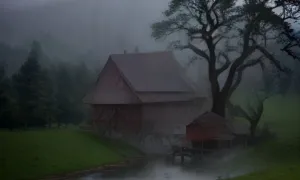
This atmospheric visualisation of the place and period was generated by artificial intelligence. It is not real footage of the location.
Tips from visitors
No tips yet. Be the first!
Log in and add your tip.
Sources and literature
Photos: Fry72, Karel Frydrýšek / CC BY-SA 3.0, rozlišení zvýšeno umělou inteligencí — Wikimedia Commons. The author and licence also appear when you hover over the image.
Faktickým podkladem tohoto textu byl článek na Wikipedii, jehož autory jsou přispěvatelé Wikipedie. Článek je dostupný pod licencí CC BY-SA 4.0.

Příběhy a pověsti
Legendy, pověsti a příběhy spjaté s touto památkou
Fotografie návštěvníků
Zatím žádné fotografie. Buďte první, kdo přidá fotografii z návštěvy!
Log in a přidejte svou fotografii nebo hodnoťte.
Za ověřenou návštěvu v aplikaci získáte víc bodů — poznáme podle GPS, že jste na místě.
Reviews and comments