



Hoštejn Ruin
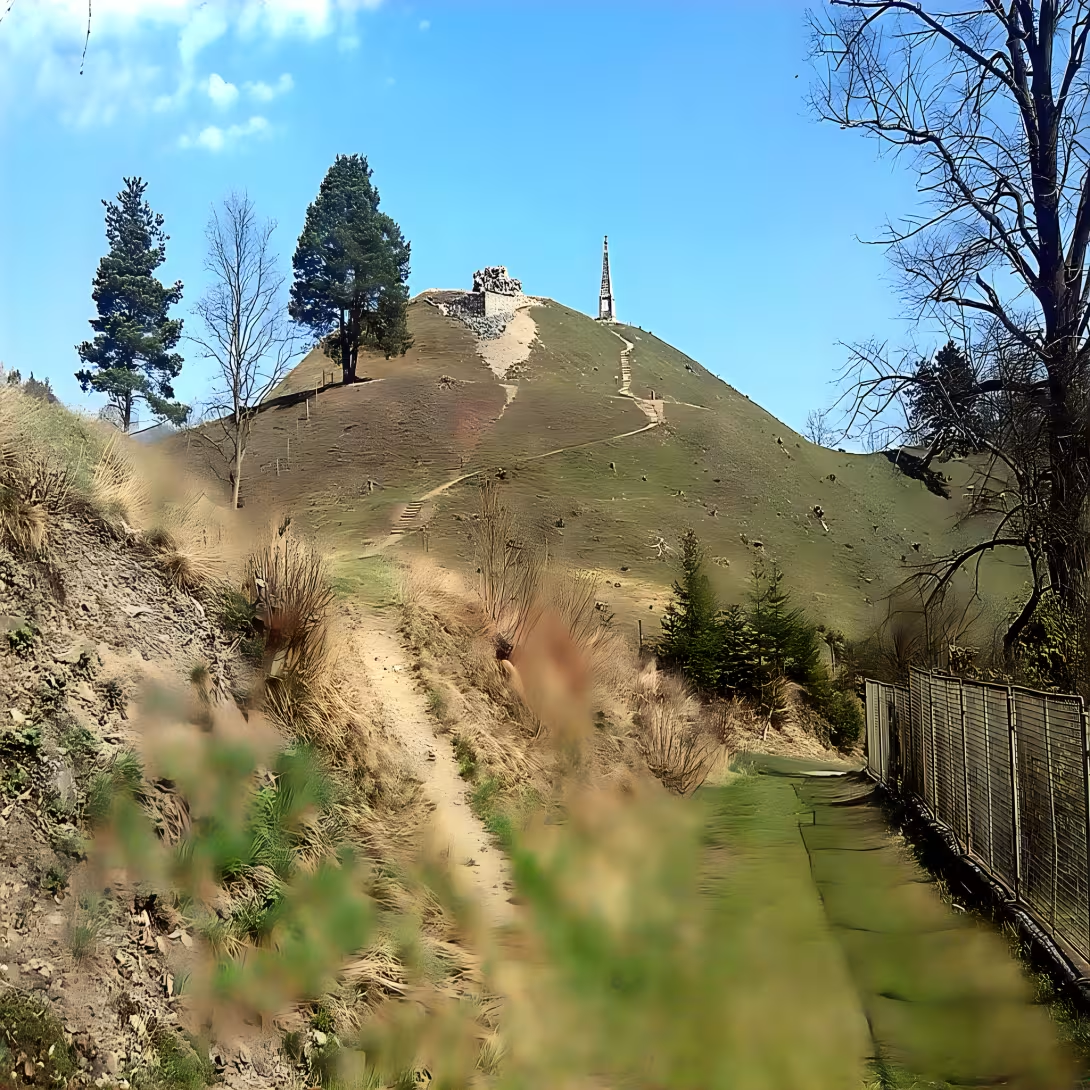
Hoštejn Castle Ruin is an intriguing historical monument in Hoštejn village, Šumperk District, Olomouc Region, Czech Republic. This Gothic castle ruin dates back to around 1300, symbolizing medieval power struggles and architectural achievements. Its importance lies not only in its military history but also in its cultural heritage, protected since 1964.
The origins of Hoštejn Castle trace back to the late 13th century, a time marked by political conflict between local nobility and Bohemia's central monarchy. Historical records first mention Hoštejn in 1289 as a strategic site against Zábřeh Castle's owners. Boreš z Rýzmburka likely built the castle around 1300 to establish a power base, countering local rivals. It served as a stronghold for political opponents of King Wenceslaus II and faced attacks by royal forces led by Záviš z Falkenštejna in the late 13th century.
Architecturally, Hoštejn began as a Gothic castle with defensive features like moats and ramparts, typical of medieval fortifications designed to withstand sieges. Over time, it underwent various ownership changes and conflicts, leading to its ruin during the Hussite Wars in 1424 when Albert of Austria's troops severely damaged it.
Ownership of Hoštejn Castle changed hands several times throughout history. Initially owned by the Hrabišic family, it later passed to the Šternberk family and Tunkl z Brníčka. By the early 16th century, Ladislav z Boskovic was associated with the castle. These transitions reflect medieval Bohemia's turbulent political landscape, where allegiances shifted frequently.
Key events in Hoštejn's history include its initial mention in 1289 and involvement in conflicts against royal forces. The castle's role during the Hussite Wars highlights its strategic importance and vulnerability to military campaigns. Interestingly, remnants of the castle were repurposed for infrastructure development when used in constructing a railway line in 1845.
Today, Hoštejn Castle Ruin stands as a cultural monument with minimal remains of its original structure visible. Visitors can explore its historical significance and appreciate the remnants of its defensive architecture. The surrounding area features rolling hills and other medieval fortifications, offering insight into the region's rich history. Despite its ruinous state, Hoštejn Castle Ruin is worth visiting for those interested in Bohemian history.
Hoštejn Castle Ruin offers a unique window into the past, inviting visitors to reflect on the complex interplay of power, architecture, and history. Its preservation as a cultural monument ensures that future generations can continue to learn from and appreciate this significant historical site.
Then and now
Drag the slider to compare how the landmark may have looked when it was built with the view today.
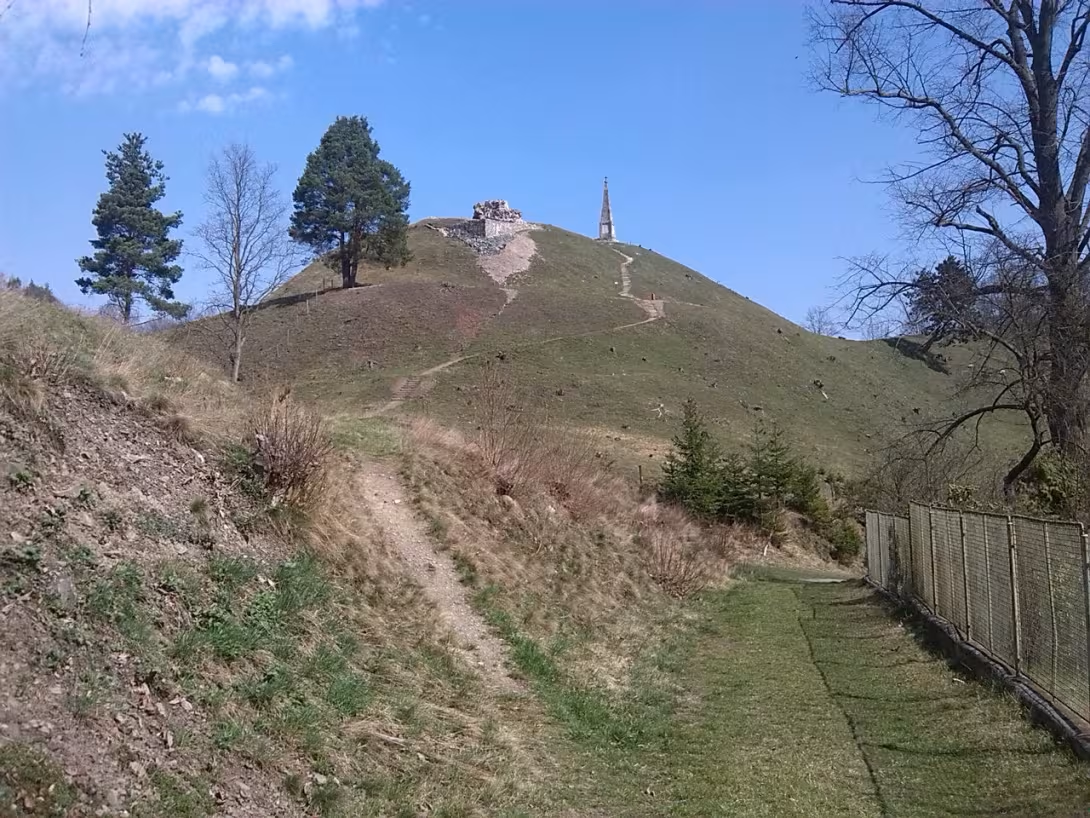
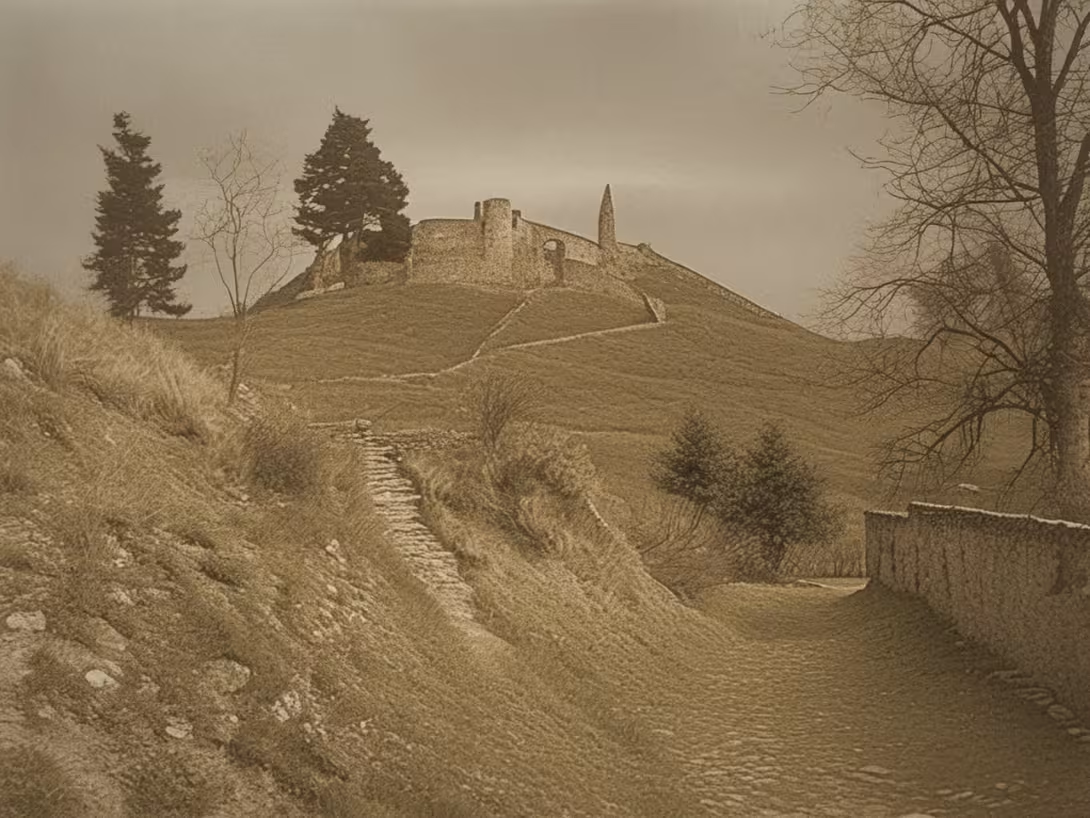
The historical appearance on the left is an AI-generated visualisation and serves as inspiration only.
Historical milestones
- 1289
- First documented mention of Hoštejn Castle.
- 1278
- Post-Moravian Field Battle, Hrabišic family's influence increased.
- 1290
- After Záviš z Falkenštejna's death, the castle came under Šternberk control.
- 1424
- Hoštejn was attacked and severely damaged by Albert of Austria's forces.
Architectural development
Hoštejn began as a Gothic castle with defensive features such as moats and ramparts. Over time, it underwent various phases of ownership and conflict, leading to its eventual ruin during the Hussite Wars.
Historical events
In 1289, Hoštejn is first mentioned in historical records as a strategic site against Zábřeh Castle's owners.
The castle served as a base for political opponents of King Wenceslaus II and was attacked by royal forces led by Záviš z Falkenštejna around the late 13th century.
During the Hussite Wars, it suffered significant damage and was eventually destroyed in 1424 by Albert of Austria's troops.
Owners
Initially owned by the Hrabišic family, it later passed through various hands including the Šternberk family and Tunkl z Brníčka. By the early 16th century, it was associated with Ladislav z Boskovic.
Points of interest
- Despite its ruinous state today, Hoštejn Castle was once a formidable Gothic stronghold featuring advanced defensive structures like moats and ramparts, which were ahead of their time in medieval fortification design.
- The castle's history is marked by frequent changes in ownership due to the turbulent political landscape of medieval Bohemia. This shifting control reflects how allegiances could change rapidly during periods of conflict, with powerful families such as the Hrabišic and Šternberk playing pivotal roles.
- During its time, Hoštejn Castle was not just a military bastion but also played a part in infrastructure development when parts of it were repurposed for constructing a railway line in 1845, showcasing an interesting blend of historical preservation and modernization.
- The castle's involvement in the Hussite Wars as a strategic site highlights its importance during one of Bohemia's most significant religious and military upheavals. Its destruction by Albert of Austria’s troops in 1424 marked a turning point in its history.
- Interestingly, Hoštejn Castle was initially built around 1300 by Boreš z Rýzmburka to establish a power base against both local rivals and the central monarchy, illustrating how personal ambitions often intersected with broader political struggles during this era.
Guide
This guide is narrated by a synthetic voice generated by artificial intelligence.
Show guide text
This text was created by artificial intelligence and has not been editorially reviewed. It may contain inaccuracies.
Hoštejn is the ruin of a Gothic castle above the village of the same name in the Šumperk district, seven kilometers west of Zábřeh. Very little remains of the castle. On the eastern side of the promontory, a system of ditches and ramparts has been preserved. In the westernmost tip of the oval fortified settlement stands the only above-ground remnant of the palace wall, and beneath it you can see a cellar and part of a filled-in staircase. The castle has been a cultural monument since 1964.
The founder was probably Boreš from Rýzmberk of the Hrabiš family. As early as 1267, a certain Mutiš de Honstein appears in his document, possibly Boreš's castellan at the castle. The first direct mention of the castle comes from 1289. Hoštejn was probably created as a power counterbalance to the Zábřeh castle, which belonged to the lords of Zábřeh, the political opponents of the Rýzmberk family.
The Zbraslavská chronicle later describes Hoštejn as a den of brigands. King Václav the Second sent an army against it led by Záviš of Falkenštejn. The then lord of the castle, Friedrich from Schonberk, was apparently not a brigand but rather Záviš's political opponent. The army conquered the castle, executed the garrison, and Záviš became its master. After his death in 1290, the castle fell to the lords of Šternberk.
At the beginning of the fifteenth century, the castellan at Hoštejn was Hynčík from Frývaldov, the later leading supporter of the Hussite movement in the Zábřeh region. The castle therefore became a frequent target of attacks. Around 1424, it was heavily damaged by a detachment of Archduke Albert of Austria's army. By 1437 it was already in ruins. The new owners, the Tunks from Brníčko, lived elsewhere and had no interest in the destroyed structure.
At the beginning of the sixteenth century, bandits settled in the ruins for six whole years. Their activities were ended by Arkleb Trnavský from Boskovice, who conquered the castle and allegedly demolished it to its foundations in 1522. The destruction was completed in 1845 by the construction of the railway line from Olomouc to Prague, for which the remains of the castle were dismantled.
The fortifications of the castle measured four hundred and fifty meters in total. The castle was divided into two parts and its nearly rectangular core measured roughly fifty meters in length. On the round hillock where a tower apparently once stood, a sandstone monument now stands, which commemorates the completion of that very railway line.
Tips for visitors
The best time to visit Hoštejn Castle ruins is during late spring or early autumn, when the weather is mild and pleasant for exploring the site. These seasons offer comfortable temperatures and fewer crowds compared to summer months. Additionally, the surrounding landscape of rolling hills and historical sites is particularly beautiful in these periods, with lush greenery in spring and warm hues in autumn.
It's advisable to park in nearby Zábřeh or other larger towns and continue by foot or bicycle. Walking or cycling is also an option if you prefer not to drive.
When visiting Hoštejn Castle ruins, bring comfortable walking shoes as the terrain around the site includes uneven paths and remnants of medieval fortifications. A hat, sunscreen, and water are essential due to limited shade in the area. Additionally, consider bringing a camera with a zoom lens for capturing detailed shots of the castle's architecture from various angles.
For photography enthusiasts, the best spots at Hoštejn Castle ruins include the eastern side where you can capture panoramic views of the surrounding hills and remnants of fortifications under optimal lighting conditions during early morning or late afternoon. The soft light during these times enhances textures and shadows, adding depth to your photographs.
Nearby attractions within a 30-minute drive from Hoštejn Castle include the town of Zábřeh, which offers historical sites such as St. James Church and the Museum of Folk Architecture and Way of Life. These locations provide additional cultural insights into the region's history. For families with children, exploring these nearby areas can be both educational and entertaining.
Frequently asked questions
Can the monument be visited?
This is a ruin. Such sites are often freely accessible, but some can only be visited with a guide or are closed for safety reasons. We have not verified the current situation – take care and respect any restrictions.
Where is the monument?
Location: Hoštejn, Olomoucký kraj. The map on this page shows the exact spot.
Why is the monument protected?
It is listed in the Central List of Cultural Monuments of the Czech Republic as a cultural monument (register no. 26591/8-890).
Businesses nearby
Do you run a restaurant, accommodation, shop, museum, rental, wellness or other visitor service near this monument? Show yourself directly to the people heading to it — this is how they will see you in the app and on the web:
Nearby
The area around Hoštejn Castle features rolling hills and historical sites such as the nearby town of Zábřeh. The landscape includes remnants of medieval fortifications.
Accommodation nearby
Themed route
Thematic Tour Itinerary: Hoštejn Castle and Surroundings
1. Hoštejn Castle Ruins - Type: Historical Site - Why Visit: Explore the remnants of this medieval fortress perched on a hill, offering panoramic views of the surrounding landscape. The ruins provide insight into the strategic importance of Hoštejn during its time and are an excellent starting point for understanding the region's history.
2. Zábřeh - Type: Town - Why Visit: Just a short drive from Hoštejn, Zábřeh is known for its charming historical center and cultural heritage. The town offers quaint streets, local shops, and cafes where visitors can enjoy traditional Czech cuisine and immerse themselves in the regional culture.
3. Medieval Fortifications - Type: Historical Site - Why Visit: Discover remnants of medieval fortifications scattered around Hoštejn. These sites provide a glimpse into the defensive strategies used during the Middle Ages, highlighting the area's historical significance and offering unique photo opportunities against the backdrop of rolling hills.
4. Local Vineyards - Type: Agricultural Site - Why Visit: Experience the local viticulture that thrives in the fertile lands surrounding Hoštejn. Visitors can explore small vineyards, learn about traditional wine-making processes, and enjoy tastings of regional wines, offering a delightful sensory experience.
This itinerary offers a blend of historical exploration and cultural immersion, perfect for those interested in medieval history and Czech traditions.
Seasonal recommendations
Spring: Visiting Hoštejn Castle ruin during spring offers a unique experience as the landscape comes alive with blooming flora, creating a picturesque backdrop for exploring the historic site. The soft light of spring enhances the textures and colors of the ancient stones, providing an ideal setting for photography enthusiasts. As nature awakens, visitors may notice an increase in local wildlife activity, adding to the ambiance. It's advisable to wear layers due to fluctuating temperatures throughout the day. Early morning visits are recommended to enjoy a quieter atmosphere before larger crowds arrive.
Summer: Summer at Hoštejn Castle is characterized by lush greenery and warm sunlight that bathes the ruins, accentuating their historical grandeur. The long daylight hours allow for extended exploration of the site, making it perfect for families and groups looking to spend an afternoon immersed in history. However, summer also brings larger crowds, especially during peak tourist season, so arriving early is beneficial. Comfortable walking shoes and sun protection are essential due to the increased activity of insects and potential heat.
Autumn: The autumn months transform Hoštejn Castle into a stunning tapestry of reds, oranges, and yellows as deciduous trees shed their leaves, offering a breathtaking view from the ruins. The cooler temperatures make for comfortable exploration without the summer heat, while the softer light creates dramatic shadows that enhance the castle's mystique. This is an ideal time to visit if you prefer fewer visitors and a more serene experience. Layered clothing is recommended as temperatures can vary significantly throughout the day.
Winter: Winter at Hoštejn Castle provides a stark yet beautiful contrast with snow-covered ruins that evoke a sense of ancient majesty amidst the quiet, frosty landscape. The shorter days mean visits are best planned for midday when sunlight is strongest, offering the best illumination of the site's features. However, winter also means limited access due to potential closures from inclement weather and safety concerns on icy paths. Visitors should dress warmly in insulated layers and wear sturdy boots with good traction. Be prepared for a quieter visit as fewer tourists venture out during this season.
Visualizations and artistic views


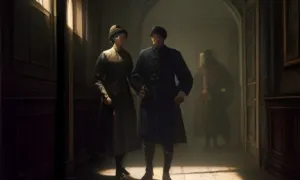
The visualisations are generated by artificial intelligence and serve as inspiration.
Photos from the area
Real photos taken near the monument


Zdroj a licence jsou uvedeny u každého snímku.
Tips from visitors
No tips yet. Be the first!
Log in and add your tip.
Sources and literature
Photos: Aeternitas01 / CC BY-SA 4.0, rozlišení zvýšeno umělou inteligencí — Wikimedia Commons. The author and licence also appear when you hover over the image.
Faktickým podkladem tohoto textu byl článek na Wikipedii, jehož autory jsou přispěvatelé Wikipedie. Článek je dostupný pod licencí CC BY-SA 4.0.
Location on the map

Příběhy a pověsti
Legendy, pověsti a příběhy spjaté s touto památkou
Fotografie návštěvníků
Zatím žádné fotografie. Buďte první, kdo přidá fotografii z návštěvy!
Log in a přidejte svou fotografii nebo hodnoťte.
Za ověřenou návštěvu v aplikaci získáte víc bodů — poznáme podle GPS, že jste na místě.
Reviews and comments