



Hradiště Orlík Castle
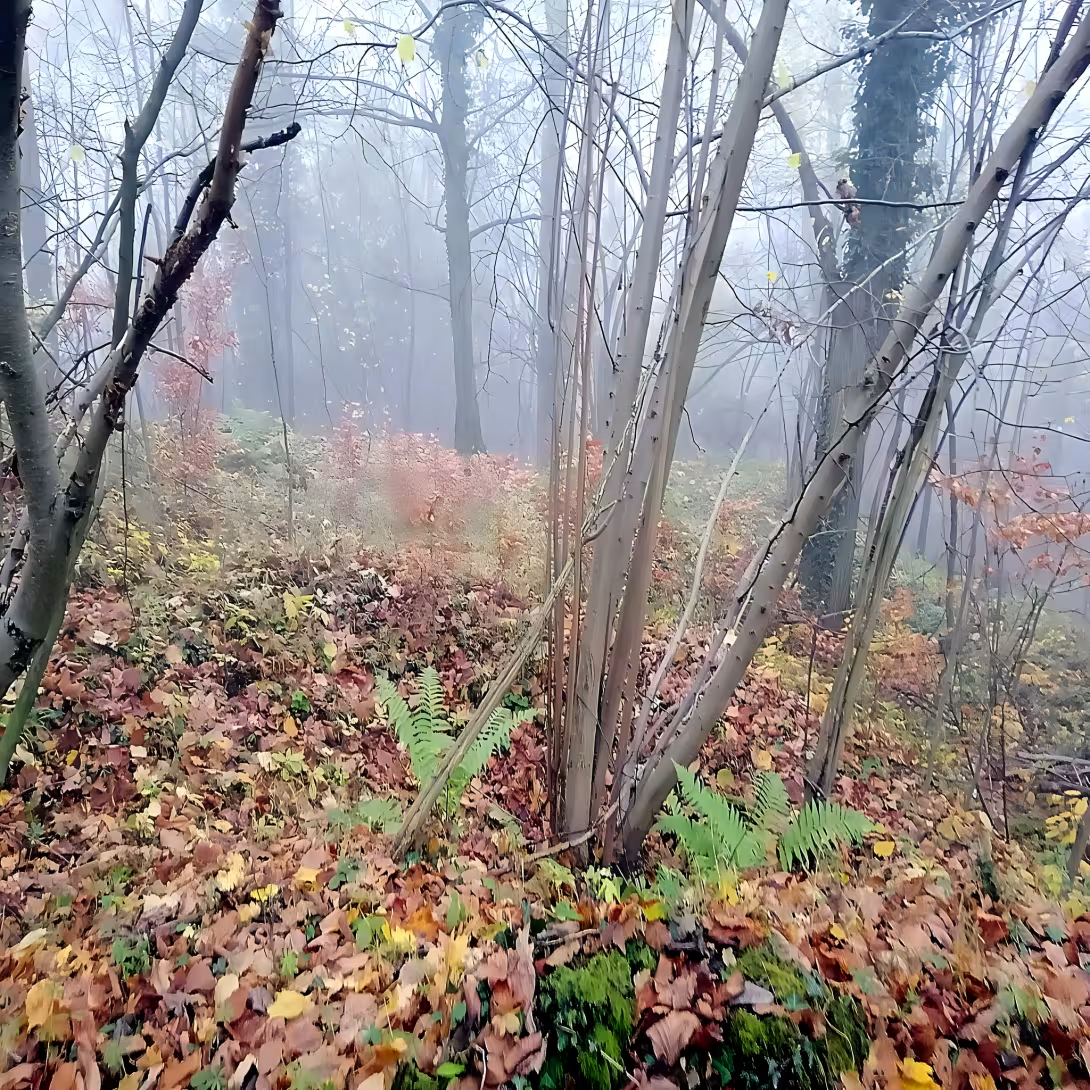
Hradiště Orlík, also known as Saldenstein, is a medieval castle ruin on an island in the Tichá Orlice River near Brandýs nad Orlicí. Its origins date back to the transition between the 13th and 14th centuries, though the exact construction date remains unknown. The site holds historical significance due to its association with Perchta, wife of Vítek ze Švábenic, who resided there in 1311. This castle once served as a strategic stronghold controlling five villages before falling into ruin.
The origins and historical context of Hradiště Orlík are rooted in the late medieval period when Bohemia was part of the Holy Roman Empire. During this time, noble families frequently built castles for defense and territorial control amidst political fragmentation and conflict. The castle's association with Perchta and Vítek ze Švábenic highlights its importance as a regional seat of power.
Architecturally, Hradiště Orlík features a two-part layout comprising a forecourt and a main triangular core surrounded by ditches. Remains suggest multiple structures, possibly including a tower on the west side near a waterworks site. The entrance likely faced northeast, while the northern part may have housed a palace. These elements reflect typical medieval defensive strategies.
Ownership initially belonged to Vítek ze Švábenic and his wife Perchta. They donated it to the Order of the Cross with the Red Star from Zderaz, who did not utilize the castle, leading to its eventual abandonment and ruin. This transition marks a significant change in the site's fortunes.
Key events at Hradiště Orlík include its mention in historical records as being inhabited by Perchta in 1311. Archaeological evidence suggests that during the late medieval period, specifically between the 14th and 15th centuries, the castle hosted a military unit involved in regional raids. These findings are supported by significant military artifacts uncovered through archaeological research.
Today, Hradiště Orlík is accessible via a green-marked hiking trail passing over Čertová rokle gorge with the Čertova lávka bridge. The site's current state as a ruin offers visitors a glimpse into its historical significance and architectural features. Its archaeological importance and scenic location make it a worthwhile destination for those interested in medieval history and natural landscapes.
Hradiště Orlík stands as a testament to the region's rich medieval past, offering insights into the lives of noble families and their strategic use of castles. Visitors are invited to explore this historical monument, where they can appreciate its architectural remnants and immerse themselves in the surrounding natural beauty.
Then and now
Drag the slider to compare how the landmark may have looked when it was built with the view today.
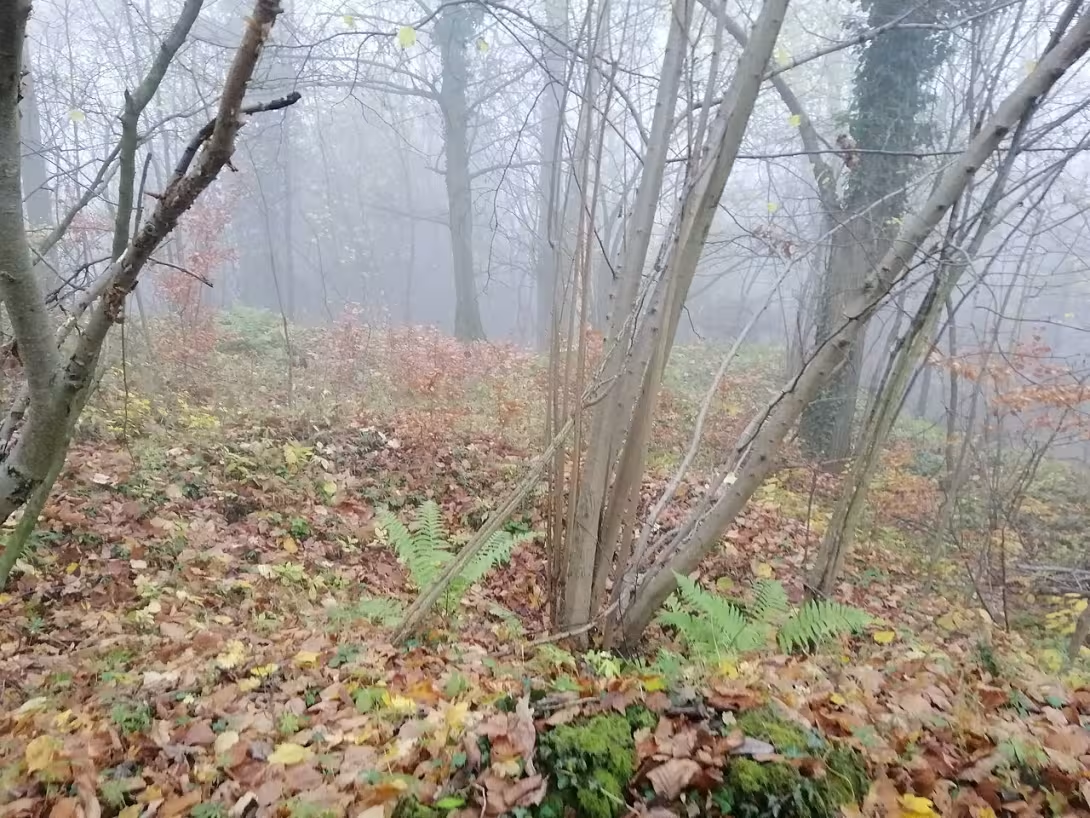
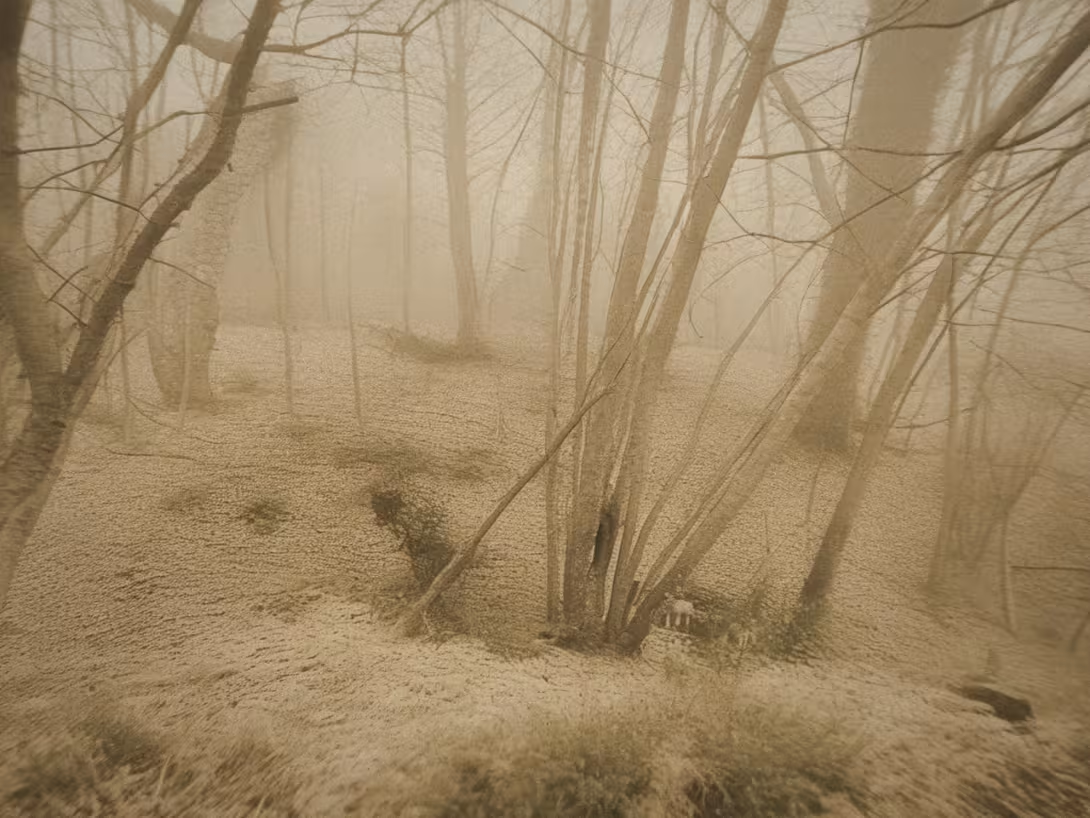
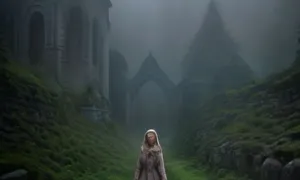
The historical appearance on the left is an AI-generated visualisation and serves as inspiration only.
Historical milestones
- circa 1300
- The fortress of Orlík was built between the 13th and 14th centuries.
- 1311
- Perchta, wife of Vítek ze Švábenic, settled here.
- circa 1350
- The fortress of Orlík was donated to the Order of the Cross with the Red Star.
- 14th and 15th centuries
- A military unit stationed at the castle participated in regional raids.
Architectural development
The castle features a two-part layout with a forecourt and a main triangular core surrounded by ditches. The remains suggest multiple structures, possibly including a tower on the west side near a waterworks site. Its entrance likely faced northeast, while the northern part may have housed a palace.
Historical events
1311: Mentioned in historical records as being inhabited by Perchta, wife of Vítek ze Švábenic.
14th to 15th century: Archaeological evidence suggests the castle hosted a military unit involved in regional raids.
Owners
Initially owned by Vítek ze Švábenic and his wife Perchta, who donated it to the Order of the Cross with the Red Star from Zderaz. The castle was later abandoned and fell into ruin.
Points of interest
- Despite its strategic importance, Hradiště Orlík was donated to the Order of the Cross with the Red Star from Zderaz and subsequently fell into disuse, highlighting a unique case where a noble family relinquished control over their stronghold.
- Archaeological findings at Hradištë Orlík have uncovered military artifacts indicating that a unit stationed there participated in regional raids during the late medieval period, shedding light on its role beyond mere residence or defense.
- The castle's architectural layout features a two-part design with a forecourt and triangular core surrounded by ditches, reflecting typical defensive strategies of the time while also suggesting possible residential functions within its northern section.
- Hradištë Orlík was once associated with Perchta, wife of Vítek ze Švábenic, who resided there in 1311, providing a glimpse into the personal histories and social dynamics of medieval Bohemian nobility.
- Accessible via a green-marked hiking trail that includes Čertová rokle gorge and the Čertova lávka bridge, Hradištë Orlík offers visitors not only historical insights but also stunning natural scenery, blending cultural heritage with outdoor adventure.
Guide
This guide is narrated by a synthetic voice generated by artificial intelligence.
Show guide text
This text was created by artificial intelligence and has not been editorially reviewed. It may contain inaccuracies.
Orlík, also called Saldenstein, is a ruined castle. Its remains lie on a promontory above the Tichá Orlice river near Brandýs nad Orlicí. Below the castle, a green hiking trail runs through Čertova rokle, above which stands Čertova lávka.
When the castle was built is unknown. It was most likely built around the turn of the thirteenth and fourteenth centuries. Only one written mention of the castle has survived, dating from thirteen eleven. At that time, Perchta lived there, the wife of Vítek ze Švábenic. Five villages belonged to the castle. Vítek and his widow Perchta donated them to the Prague Crusaders with the Red Cross from the monastery on Zderaze. The Crusaders did not use the castle, so it fell into ruin. In more recent times, its remains were further damaged by the construction of a water tank.
From two thousand nine onwards, archaeological excavations took place here for several years. They were led by the archaeological department of the Regional Museum in Vysoké Mýto. The archaeologists found a large quantity of military items, that is objects connected with warfare. Some of them are significant within the context of the whole of Central Europe. The results of the excavation suggest that at the turn of the fourteenth and fifteenth centuries, a combat squad could have inhabited the castle. This squad undertook plundering expeditions in a relatively wide area. Their activities are also mentioned in contemporary written sources.
The castle consisted of two parts. The first part was formed by the outer ward, which was enclosed by a ditch. This has only partially survived. Behind another, well-preserved ditch, lay the core of the castle. It had an approximately triangular shape and on the northern side it was still surrounded by a palisade.
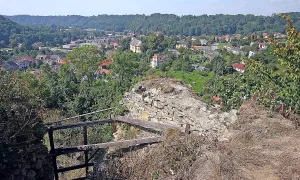
The prominent remains of structures in the terrain are in places formed by severely crumbling masonry. They indicate that in the core stood separate, mutually divided buildings, most likely on all three sides. The entrance gate was apparently in the northeastern corner. A palace could have stood on the northern side. In the west, in the place of the water works, there is a tradition of a standalone tower. If it did not actually stand there, it would be a castle without a tower.
Tips for visitors
The best time to visit Hradiště Orlík is during late spring or early autumn, when the weather is mild and pleasant for exploring outdoor sites. These seasons offer clear skies and comfortable temperatures, perfect for hiking around the castle ruins and enjoying nearby natural attractions like Čertová rokle gorge. Additionally, visiting outside of peak summer months can help avoid larger crowds, providing a more serene experience.
Visitors can drive their own vehicles or use public transport to reach the area.
When planning your visit, consider bringing comfortable walking shoes, as exploring the castle ruins involves some uneven terrain. A hat, sunscreen, and water are also recommended due to exposure to the elements. For those interested in photography or simply enjoying a picnic, bringing a camera and snacks can enhance your experience. Remember that weather conditions can change quickly, so packing layers is wise.
Photography enthusiasts will find several spots around Hradiště Orlík ideal for capturing stunning images of the castle ruins against the backdrop of the Tichá Orlice River. The best light for photography is typically during the golden hours—shortly after sunrise or before sunset—when the soft, warm lighting accentuates the textures and details of the ruins. Exploring different angles around the island can also yield unique perspectives.
Nearby attractions within a 30-minute drive include Čertová rokle gorge, known for its dramatic landscapes and hiking trails. This natural site offers breathtaking views and is perfect for those interested in exploring nature. Additionally, visitors may enjoy a stroll through Brandýs nad Orlicí to explore local shops and cafes before or after visiting the ruins.
Frequently asked questions
Can the monument be visited?
This is a ruin. Such sites are often freely accessible, but some can only be visited with a guide or are closed for safety reasons. We have not verified the current situation – take care and respect any restrictions.
Where is the monument?
Location: Brandýs nad Orlicí, Pardubický kraj. The map on this page shows the exact spot.
Why is the monument protected?
It is listed in the Central List of Cultural Monuments of the Czech Republic as a cultural monument (register no. 37011/6-4078).
Businesses nearby
Do you run a restaurant, accommodation, shop, museum, rental, wellness or other visitor service near this monument? Show yourself directly to the people heading to it — this is how they will see you in the app and on the web:
Events nearby

Zdroj akcí: otevřená data měst a obcí ČR (Národní katalog otevřených dat) a kalendář akcí Národního památkového ústavu.
Nearby
Located near Brandýs nad Orlicí, the area features natural attractions like Čertová rokle gorge and is accessible via hiking trails.
Accommodation nearby
Themed route
Thematic Tour Itinerary: Orlík Castle and Surroundings
1. Orlík Hrad (Castle)
Type: Historical Monument
Why Visit: Begin your journey at the majestic Orlík Castle, located in the village of Orlík. This 13th-century fortress offers a glimpse into medieval history with its well-preserved architecture and scenic views over the surrounding landscape. Explore the castle's towers and ramparts to experience the strategic importance it held during its time.
2. Čertová Rokle Gorge
Type: Natural Attraction
Why Visit: A short drive from Orlík Castle, Čertová Rokle is a stunning gorge carved by the Orlice River. This natural wonder features dramatic rock formations and lush greenery, making it perfect for hiking enthusiasts. The trails offer breathtaking views and an opportunity to immerse yourself in the tranquility of nature.
3. Hiking Trails Near Brandýs nad Orlicí
Type: Outdoor Activity
Why Visit: Explore the extensive network of hiking trails accessible from Brandýs nad Orlicí, which lead through picturesque landscapes surrounding Orlík Castle. These trails provide a chance to enjoy the natural beauty of the region on foot, with paths suitable for both casual walkers and more adventurous hikers.
4. Brandýs nad Orlicí
Type: Town Visit
Why Visit: Conclude your tour in Brandýs nad Orlicí, a charming town near Orlík Castle. Known for its cultural heritage and historical sites, the town offers quaint streets to explore, local eateries serving traditional Czech cuisine, and an opportunity to relax by the Orlice River. It's the perfect place to reflect on your day's adventures.
This itinerary provides a balanced mix of history, nature, and culture, ensuring a memorable experience in the Pardubický kraj region.
Seasonal recommendations
Spring: The arrival of spring at Hradiště Orlík brings a rejuvenating atmosphere as the landscape awakens with vibrant colors and blossoms. This season offers the unique opportunity to witness the gradual greening of the ruins, enveloped in fresh foliage that adds a picturesque quality to the site. Visitors should take advantage of the mild weather by wearing comfortable layers that can be adjusted as temperatures fluctuate throughout the day. Although crowds are less intense than in summer, it's still advisable to arrive early to enjoy the serene environment and capture stunning photographs with softer lighting conditions.
Summer: Summer at Hradiště Orlík is characterized by long days filled with warm sunshine, making it an ideal time for exploring the historical ruins. The lush greenery provides a striking contrast against the ancient stones, creating a vibrant backdrop that enhances the site's beauty. However, this season also attracts more visitors, so arriving early in the morning can help avoid larger crowds and ensure a more tranquil experience. Comfortable walking shoes and light clothing are recommended to handle the heat, along with sunscreen and plenty of water to stay hydrated during your visit.
Autumn: Autumn transforms Hradiště Orlík into a tapestry of warm hues as leaves turn shades of red, orange, and gold. This season offers a magical atmosphere that is perfect for photography enthusiasts looking to capture the ruins against a stunningly colorful landscape. The cooler temperatures make it an ideal time for longer walks around the site without the discomfort of summer heat. Visitors should dress in layers to accommodate changing weather conditions and consider bringing a light jacket or sweater as the day progresses.
Winter: Winter at Hradiště Orlík presents a stark yet beautiful scene, with snow blanketing the ruins and creating an ethereal atmosphere that is both haunting and serene. The lack of foliage allows for unobstructed views of the architectural details of the site, offering a unique perspective during this quieter season. However, visitors should be prepared for colder temperatures by dressing warmly in layers, including hats, gloves, and insulated footwear.
Visualizations and artistic views


The visualisations are generated by artificial intelligence and serve as inspiration.
Photos from the area
Real photos taken near the monument


Zdroj a licence jsou uvedeny u každého snímku.
Tips from visitors
No tips yet. Be the first!
Log in and add your tip.
Sources and literature
Photos: Adam Bartošek / CC BY-SA 4.0, rozlišení zvýšeno umělou inteligencí — Wikimedia Commons. The author and licence also appear when you hover over the image.
Faktickým podkladem tohoto textu byl článek na Wikipedii, jehož autory jsou přispěvatelé Wikipedie. Článek je dostupný pod licencí CC BY-SA 4.0.
Location on the map
Příběhy a pověsti
Legendy, pověsti a příběhy spjaté s touto památkou
Fotografie návštěvníků
Zatím žádné fotografie. Buďte první, kdo přidá fotografii z návštěvy!
Log in a přidejte svou fotografii nebo hodnoťte.
Za ověřenou návštěvu v aplikaci získáte víc bodů — poznáme podle GPS, že jste na místě.
Reviews and comments