






jezuitská kolej v Kutné Hoře School building
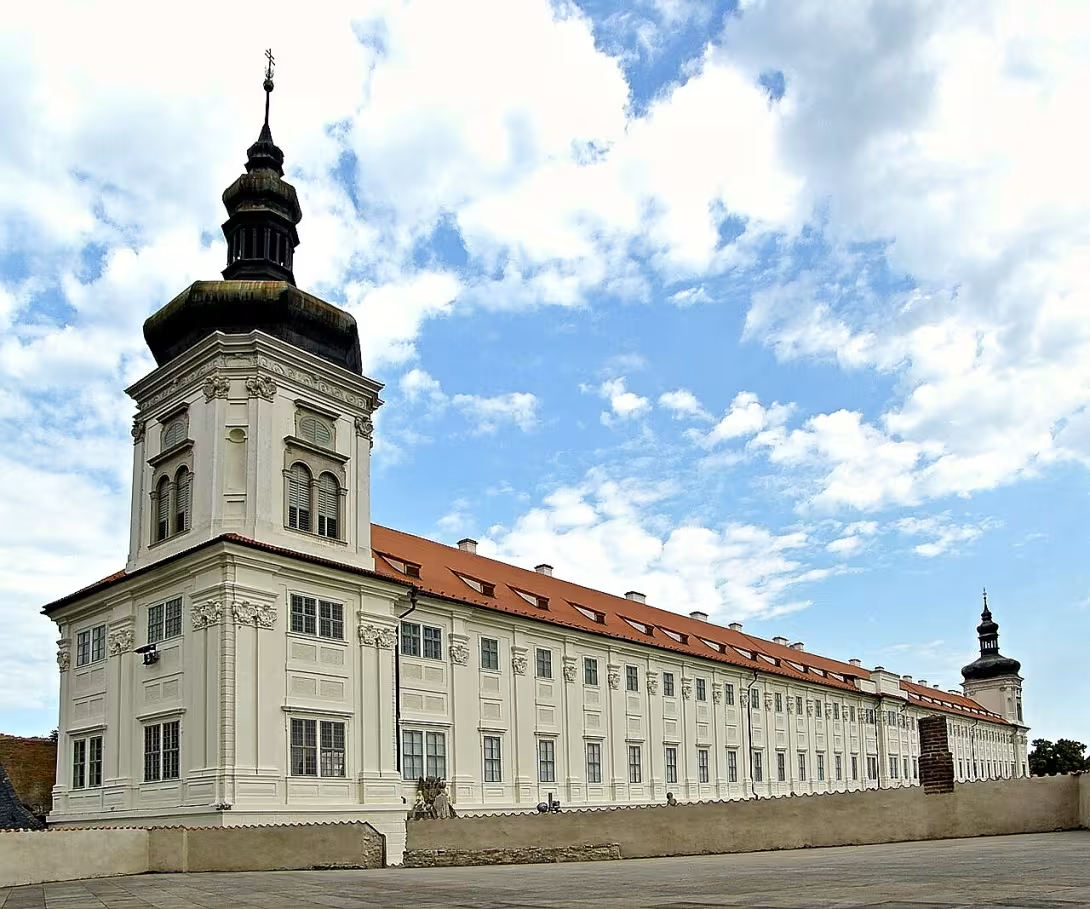
The Jesuit College in Kutná Hora is an impressive Baroque structure, showcasing early 18th-century architecture and education. Situated between Kutná Hora’s Old Town and St. Barbara's Church, this former Jesuit school was built from 1666 to 1750. Italian architect Giovanni Domenico Orsi designed it, reflecting both artistic ambition and historical context, making it a significant cultural landmark in the Czech Republic.
The college's origins date back to the Counter-Reformation period under Habsburg rule in Bohemia. Established as an educational institution for Jesuits, who promoted Catholic education across Europe after the Protestant Reformation, construction began on October 1, 1666, with a cornerstone laid on May 8, 1667. Despite financial constraints that limited its location outside the city center, it aimed to provide a comprehensive educational environment for Jesuit students.
Architecturally, the college is an early Baroque masterpiece with a unique 'F'-shaped floorplan, originally intended as an 'E'. Orsi's vision was modified due to financial challenges and his death in 1676. Carlo Lurago continued the work, focusing on practical aspects like drainage systems, while Kilián Ignác Dientzenhofer later contributed to the central wing, diverging from Orsi’s initial plans. The building features two towers and spans approximately 180 meters (590 feet) in length. A notable design element is the promenade leading to St. Barbara's Church, adorned with sculptural decorations by František Baugut.
Ownership and administration have changed over time. Initially managed by Jesuits from 1626 until their suppression in 1773, it later served as military barracks. Since the 21st century, the Gallery of the Central Bohemian Region (GASK) has been housed within its walls, preserving and showcasing art collections.
Key events mark the college's history. The Jesuits moved into the northern wing in 1678, and by 1716, the eastern wing was completed with a notable corner tower. Despite financial difficulties, construction continued until approximately 1750 when the central wing reached completion. Renovations revealed unique features like a rare Baroque lime kiln and frescoes by Hermann Schmidt in the refectory.
Today, the Jesuit College is an accessible cultural site offering insights into architectural history and educational heritage. Its transformation from a Jesuit school to military barracks and now an art gallery reflects its adaptability over centuries. The college's rich artistic elements and historical significance make it a worthwhile destination for those interested in Baroque architecture, religious history, or Czech culture.
Visiting the Jesuit College provides a unique opportunity to explore a site with diverse historical roles while appreciating its architectural beauty and cultural contributions. Its enduring legacy invites exploration and reflection on how the past influences present-day heritage.
Then and now
Drag the slider to compare how the landmark may have looked when it was built with the view today.
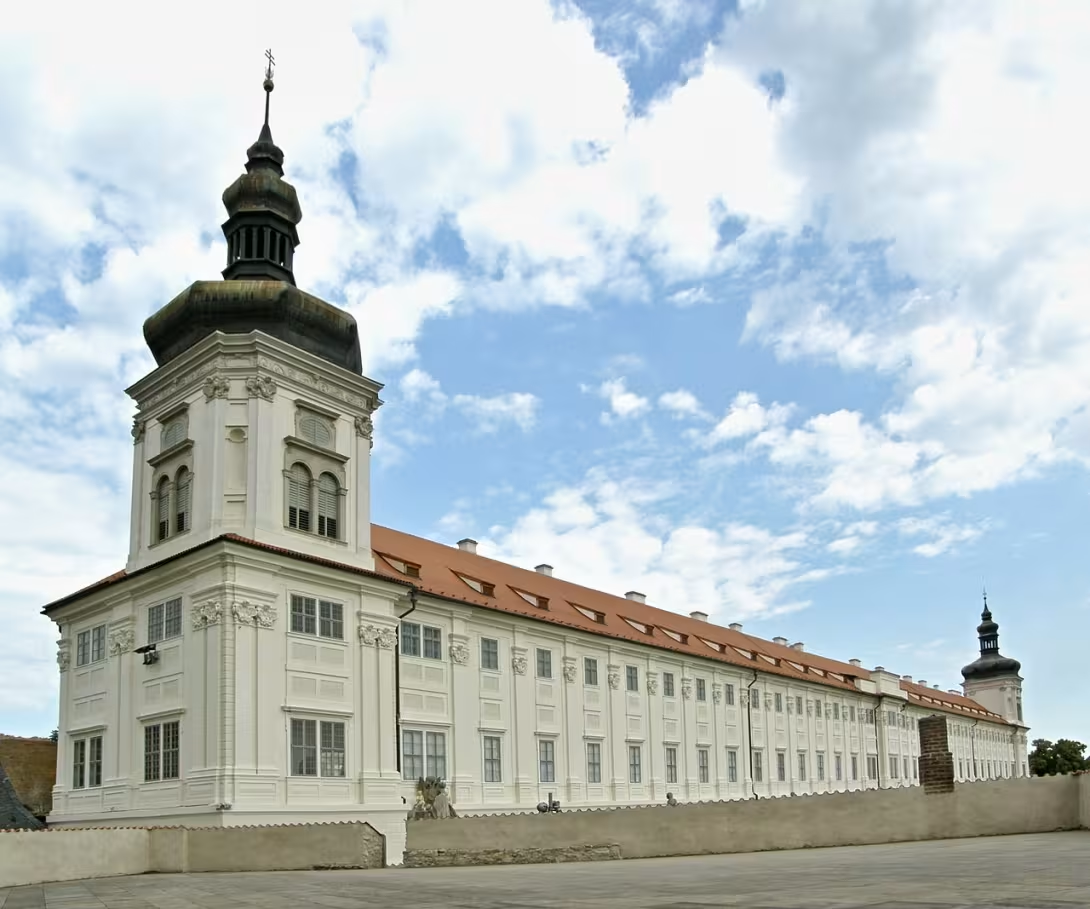

The historical appearance on the left is an AI-generated visualisation and serves as inspiration only.
Historical milestones
- 1667
- Construction of the Jesuit College began.
- 1678
- Jesuits moved into the northern wing.
- 1716
- Completion of the eastern wing's corner tower.
- 1750
- Approximate completion of the central wing.
Architectural development
Initially designed by Giovanni Domenico Orsi, the Jesuit College's construction progressed slowly due to funding issues. Carlo Lurago continued the work post-Orsi's death in 1679, focusing on practical elements like drainage systems. The eastern wing was completed with a notable tower in 1716. Kilián Ignác Dientzenhofer later contributed to the central wing, which differed from Orsi’s original plans.
Historical events
Construction began on October 1, 1666, with the cornerstone laid on May 8, 1667.
The college was completed around 1750 after several phases of construction and financial challenges.
Owners
Jesuits (1626-1773)
Military (post-1773)
Points of interest
- The Jesuit College's 'F'-shaped floorplan was originally intended to be an 'E', but financial constraints and the death of architect Giovanni Domenico Orsi led to its redesign by Carlo Lurago.
- A rare Baroque lime kiln, discovered during renovations, is one of the unique architectural features within the Jesuit College, highlighting early construction techniques used in the building's development.
- The promenade leading to St. Barbara's Church is adorned with sculptural decorations crafted by František Baugut, adding an artistic flair that connects the college with its surrounding religious landmarks.
- Despite financial difficulties and Orsi’s death, the Jesuit College continued construction until around 1750, showcasing the perseverance of architects like Carlo Lurago and Kilián Ignác Dientzenhofer in completing this Baroque masterpiece.
- Frescoes by Hermann Schmidt were uncovered in the refectory during renovations, providing a glimpse into the artistic embellishments that adorned the college's interior spaces.
Guide
This guide is narrated by a synthetic voice generated by artificial intelligence.
Show guide text
This text was created by artificial intelligence and has not been editorially reviewed. It may contain inaccuracies.
Welcome! You are standing before a unique historical monument, the Jesuit College in Kutná Hora. Before you is a building with a distinctive layout in the shape of the letter F, which was originally intended to be an E. Take a look at the facade of the building and observe its harmonious proportions and symmetry.
Let's move on to the historical context. The Jesuit College was built between 1667 and 1750. The project was entrusted to the Italian architect Giovanni Domenico Orsi, who became one of the most famous architects of his time. Around 1678, the Jesuits moved into the northern part of the building, while the eastern wing was completed as late as 1716. The largest part of the building, the central block, was finished around 1750.
Notice that the building has a unique layout. The originally intended E-shaped plan was changed to F due to financial constraints and the death of architect Orsi. This deviation from the architectural plan was carried out by Carlo Lurago, who was working in Kutná Hora at the time.
Now pay attention to the unique baroque stucco that was discovered during reconstruction. It is a rare architectural element that will captivate you.
The Jesuit College in Kutná Hora is full of secrets and interesting stories. Although there are not many historically proven personalities here, the building itself is a symbol of Europe's cultural and religious heritage.
Take a look at the interiors of the building and enjoy its unique atmosphere. The Jesuit College in Kutná Hora is rightly considered one of the most significant Baroque buildings in the Czech Republic. Enjoy your visit!
Tips for visitors
The best time to visit the Jesuit College in Kutná Hora is during late spring or early autumn, when the weather is mild and pleasant for exploring both indoors and outdoors. This period also coincides with fewer tourists compared to peak summer months, allowing you a more serene experience of this Baroque masterpiece. Additionally, visiting during these times means you can enjoy outdoor activities in the surrounding cultural landscape without extreme temperatures.
Public transportation is recommended for ease of access; buses and trams are available options that connect to various parts of the city, including Vnitřní Město where the college is located. For those driving, it’s advisable to park in designated areas outside the city center and walk or take public transport into town. Always check current transportation schedules online for the most accurate information.
When visiting the Jesuit College, consider bringing a camera to capture its stunning Baroque architecture and intricate details. The best spots for photography are the main entrance and the courtyard, where natural light enhances the building's features during midday. Early morning or late afternoon can provide softer lighting conditions that add depth to your photos. Don't forget comfortable walking shoes as you explore both the college grounds and nearby sites.
Nearby attractions within a 30-minute walk include the Church of St. Barbara, known for its beautiful Gothic architecture, and Chateau Hill, offering panoramic views of Kutná Hora. These sites provide additional historical context and enrich your visit to the Jesuit College. For families with children, these areas are engaging as they offer both educational insights and leisurely exploration opportunities.
For families visiting with children, the Jesuit College offers a blend of history and architecture that can be fascinating for all ages. Engage kids by explaining the historical significance of the college and its role in education during the Baroque period. Nearby, Chateau Hill is an excellent spot for a family-friendly walk or picnic, allowing children to enjoy open spaces while learning about local history.
Frequently asked questions
Can the monument be visited?
The building is in use (offices, a school, shops and the like). The interior is generally accessible only during operating hours and tours are not usually offered; we have not verified the details. You can see the exterior from the street.
Where is the monument?
Location: Kutná Hora-Vnitřní Město, Středočeský kraj. The map on this page shows the exact spot.
Why is the monument protected?
It is listed in the Central List of Cultural Monuments of the Czech Republic as a cultural monument (register no. 1000141373).
Businesses nearby
Do you run a restaurant, accommodation, shop, museum, rental, wellness or other visitor service near this monument? Show yourself directly to the people heading to it — this is how they will see you in the app and on the web:
Nearby
Located near Kutná Hora's historical sites, including the Church of St. Barbara and the Chateau Hill, the college is surrounded by a rich cultural landscape.
Accommodation nearby
Trips and activities nearby
Guided tours, tickets and activities nearby from GetYourGuide
Affiliate link: if you buy from the partner, we may receive a commission. The price for you does not change.
Search tours and activities →Themed route
Kutná Hora's Hidden Gems
Stop 1: Church of St. Barbara Type: Church Why: This stunning Gothic church is a masterpiece of Czech architecture and a UNESCO World Heritage Site. Its intricate stone carvings and stunning stained-glass windows make it a must-see.
Stop 2: Chateau Hill Type: Hill Why: This hill offers breathtaking views of the city and the surrounding landscape. It's a great spot to take in the history and culture of Kutná Hora.
Stop 3: Jezuitská kolej (Jesuit College) Type: School Why: This beautiful Baroque building is a former Jesuit college and is now a school. Its stunning architecture and peaceful atmosphere make it a great place to relax and learn.
Stop 4: Kutná Hora's Old Town Square Type: Square Why: This charming square is surrounded by historic buildings and offers a glimpse into the city's rich history. It's a great place to grab a coffee or snack and people-watch.
Stop 5: St. Barbara's Convent Type: Convent Why: This beautiful convent is located near the Church of St. Barbara and offers stunning views of the city. It's a great place to learn about the history of the convent and its significance in the city.
Seasonal recommendations
Jaro
Spring is the ideal time to visit the Jesuit College in Kutná Hora. Around the building are charming blooming trees and lush nature creating a pleasant atmosphere. The lighting is soft and natural, allowing full enjoyment of the historic architecture. We recommend visiting the college during the spring season when there are fewer tourists, taking advantage of better conditions for touring. The best time to visit is between 9 and 11 a.m., when it's open and less crowded.
Léto
Summer is the peak season for visitors to historical sites in Kutná Hora. The lighting is more intense, and nature is in full bloom. The best time to visit is between 8 and 9 a.m., when it's still quiet, allowing you to explore the college without unnecessary disturbance.
Podzim
Fall is a beautiful season for visiting the Jesuit College in Kutná Hora. The lighting is soft, and nature is in vivid colors. The atmosphere is calm and serene, allowing full enjoyment of the historic architecture. We recommend visiting the college during the fall season when there are fewer tourists, taking advantage of better conditions for touring. The best time to visit is between 9 and 11 a.m., when it's open and less crowded.
Zima
Winter is a quiet season for visitors to historical sites in Kutná Hora. The lighting is soft, and nature is covered with snow. The best time to visit is between 9 and 11 a.m., when it's open and less crowded. Don't forget to dress warmly so you don't get cold.
Visualizations and artistic views


The visualisations are generated by artificial intelligence and serve as inspiration.
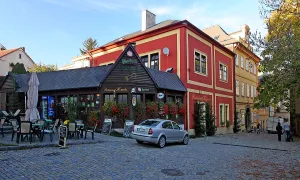
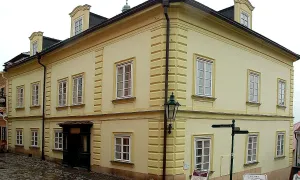
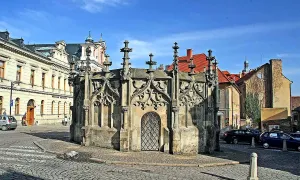
Photos from the area
Real photos taken near the monument

Zdroj a licence jsou uvedeny u každého snímku.
Tips from visitors
No tips yet. Be the first!
Log in and add your tip.
Sources and literature
Photos: MAKY.OREL / CC BY-SA 3.0 — Wikimedia Commons. The author and licence also appear when you hover over the image.
Faktickým podkladem tohoto textu byl článek na Wikipedii, jehož autory jsou přispěvatelé Wikipedie. Článek je dostupný pod licencí CC BY-SA 4.0.
Location on the map
More monuments – Kutná Hora-Vnitřní Město
Show all in the municipality

Příběhy a pověsti
Legendy, pověsti a příběhy spjaté s touto památkou
Fotografie návštěvníků
Zatím žádné fotografie. Buďte první, kdo přidá fotografii z návštěvy!
Log in a přidejte svou fotografii nebo hodnoťte.
Za ověřenou návštěvu v aplikaci získáte víc bodů — poznáme podle GPS, že jste na místě.
Reviews and comments