






kaple svatého Josefa (Podlesí) Chapel
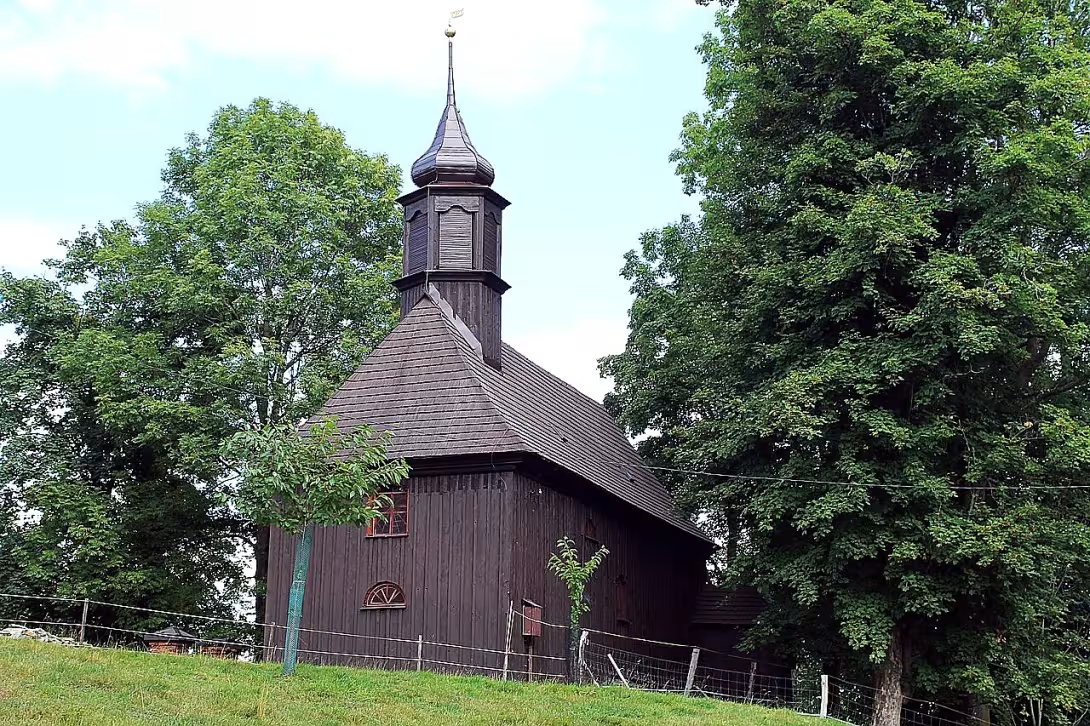
The Chapel of Saint Joseph in Podlesí is a culturally significant wooden structure located within Světlá Hora, Moravskoslezský kraj. Built in 1748 as a bell tower, it was expanded and equipped with liturgical items by 1776. Declared a cultural monument in 2004, the chapel is notable for its historical importance and architectural features.
Originating from the mid-18th century when Bohemia was part of the Habsburg Monarchy, an era influenced by Baroque styles across Europe, the chapel began as an open wooden bell tower. It featured a bell cast in Wrocław by the burgrave of Bruntál. By 1776, it underwent significant expansion and decoration, including the installation of an organ and liturgical items.
Architecturally, the Chapel of Saint Joseph is characterized by its wooden rotunda design with a longitudinal orientation on a rectangular plan, ending in a polygonal closure. It has a valved roof and a steeple topped with a bulbous dome above the entrance porch. The interior includes a nave and a large vestibule leading to stairs that access both the gallery and tower space.
Throughout its history, the chapel experienced various changes in ownership and administration. Initially under the care of the German Order's parish in Stará Rudná, it later came under local community jurisdiction. In 1820, a church society was established to manage the chapel. By 1842, the belfry had been heightened and shingled. The mid-19th century saw further modifications, including new pews in 1847 and bell recasting in 1862 after damage.
Key events include the confiscation of its bells during World War I, with a replacement dedicated to Saint Joseph acquired only in 1930. After years of neglect, Archbishop Jan Graubner of Olomouc consecrated the chapel to the Good Shepherd in 1993. Following its designation as a cultural monument in 2004, significant restoration efforts were undertaken between 2004 and 2005.
Today, the Chapel of Saint Joseph stands within a cemetery surrounded by remnants of marble tombstones, enclosed by a stone wall with a brick archway entrance. Its historical significance and architectural features make it a worthwhile visit for those interested in cultural heritage and religious history. Preservation efforts ensure that visitors can appreciate its unique story and contribution to the region's cultural landscape.
Then and now
Drag the slider to compare how the landmark may have looked when it was built with the view today.
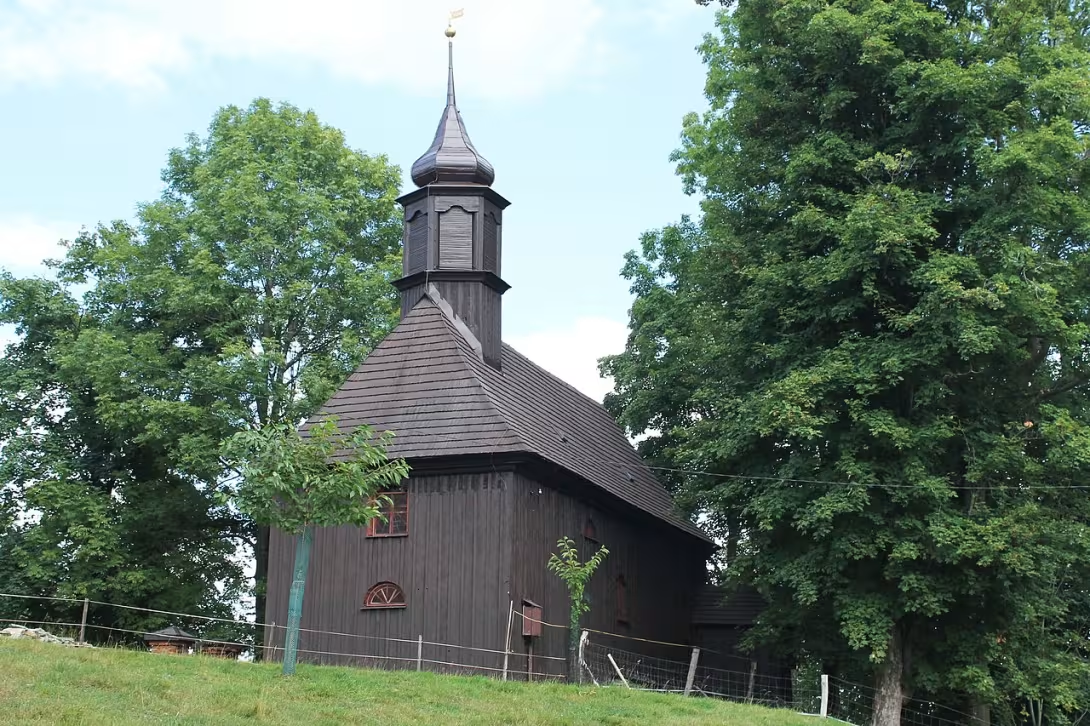
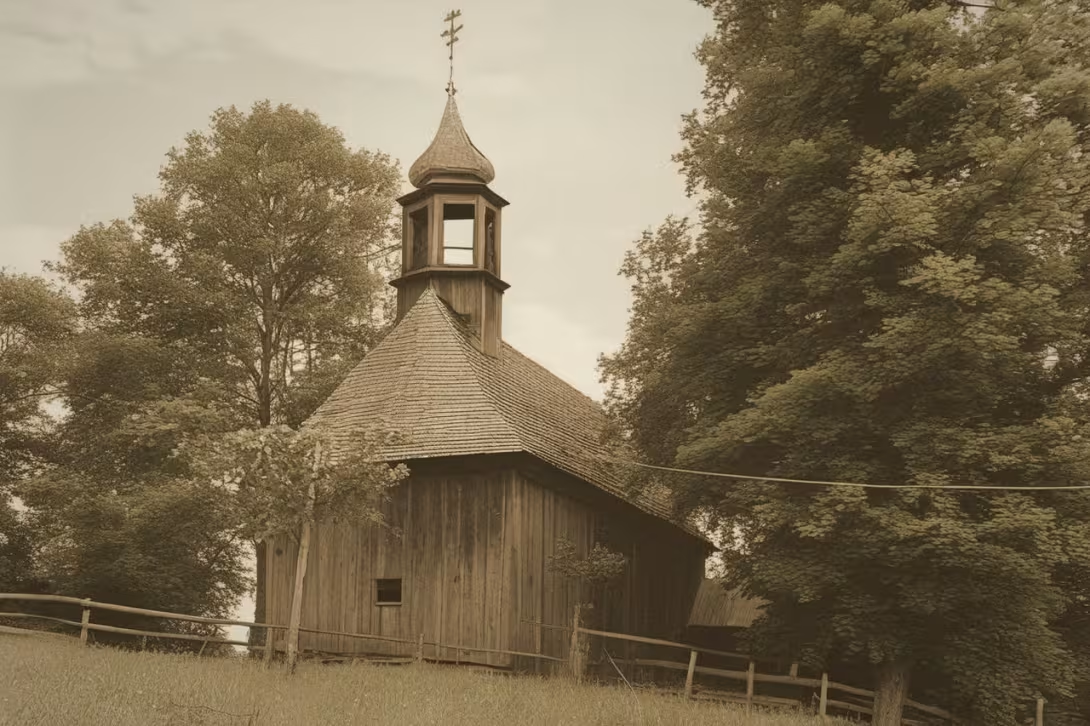
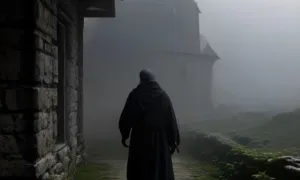
The historical appearance on the left is an AI-generated visualisation and serves as inspiration only.
Historical milestones
- 1748
- The chapel was built as an open wooden structure serving as a bell tower.
- 1776
- The chapel was expanded and decorated with an organ and liturgical equipment.
- 1842
- The belfry of the chapel was heightened and shingled.
- 2004
- The chapel was declared a cultural monument by the Ministry of Culture of the Czech Republic.
Architectural development
The Chapel of Saint Joseph began as a simple wooden structure serving as a bell tower in 1748. By 1776, it was expanded and decorated with an organ and liturgical items. In 1842, the belfry was heightened and shingled. The chapel underwent further modifications in the mid-19th century, including the installation of new pews and bells. After being declared a cultural monument in 2004, significant restoration efforts were undertaken between 2004 and 2005.
Historical events
In 1748, the wooden chapel was built and initially served as a bell tower with a bell cast by the burgrave of Bruntál in Wrocław.
The chapel underwent significant expansion and decoration in 1776, including the installation of an organ and liturgical equipment.
During World War I, the bells were confiscated, and a new bell dedicated to Saint Joseph was acquired only in 1930.
In 1993, the chapel was consecrated by Archbishop Jan Graubner of Olomouc to the Good Shepherd after being neglected for years.
Points of interest
- The chapel originally began as an open wooden bell tower in 1748, a unique starting point for what would become a significant religious structure. - A notable feature of the chapel is its bell, which was cast in Wrocław by the burgrave of Bruntál, highlighting cross-regional connections within the Habsburg Monarchy.
- The chapel underwent several ownership and administrative changes over the centuries, reflecting broader socio-political shifts in the region, including a period when it was managed by a local church society established in 1820.
- During World War I, the chapel's bells were confiscated, leading to a significant delay until a replacement bell dedicated to Saint Joseph was acquired in 1930, illustrating the impact of global conflicts on local heritage.
- In 1993, Archbishop Jan Graubner consecrated the chapel to the Good Shepherd after years of neglect, marking a pivotal moment in its religious history and restoration journey.
Guide
This guide is narrated by a synthetic voice generated by artificial intelligence.
Show guide text
This text was created by artificial intelligence and has not been editorially reviewed. It may contain inaccuracies.
Welcome to the Chapel of Saint Joseph in Podlesí, a remarkable wooden rotunda that stands as a testament to cultural and historical heritage. As you stand here under the gentle canopy of trees, take a moment to absorb the serene atmosphere surrounding this unique monument.
Constructed initially in 1748, this chapel began its life as an open wooden bell tower—a fascinating starting point for what would become a significant religious structure. Over time, it transformed into more than just a place of worship; it became a symbol of resilience and community spirit. The chapel was expanded and adorned with liturgical equipment by 1776, including the addition of an organ that added to its spiritual ambiance.
Notice the craftsmanship in the wooden architecture as you look around. While specific architectural details aren't extensively documented, the very essence of this structure speaks volumes about the era's building techniques and aesthetic sensibilities. The chapel's history is enriched with layers of stories from different centuries, each contributing to its current form.
Throughout the years, the Chapel of Saint Joseph has undergone several renovations, including a significant restoration in 2004 when it was declared a cultural monument by the Ministry of Culture of the Czech Republic. This recognition underscores its importance not only as a place of worship but also as a cherished piece of cultural history.
One intriguing aspect of this chapel is its bell, which was cast in Wrocław by the burgrave of Bruntál. This detail highlights fascinating cross-regional connections and the historical ties that bind communities across regions.
As you continue to explore, imagine the generations who have gathered here over centuries, each adding their own stories to the fabric of this sacred place. The Chapel of Saint Joseph is not just a structure but a living chronicle of faith, artistry, and community.
We invite you to take your time, wander around, and let the quiet beauty of this chapel envelop you. Whether you're drawn to its historical significance or simply wish to enjoy its peaceful presence in nature, there's something here for everyone.
Thank you for joining us on this journey through history. May your visit inspire reflection and appreciation for the stories embedded within these walls. As we conclude our audio guide, feel free to explore further or return another day to discover more of what Podlesí has to offer. Safe travels!
Businesses nearby
Do you run a restaurant, accommodation, shop, museum, rental, wellness or other visitor service near this monument? Show yourself directly to the people heading to it — this is how they will see you in the app and on the web:
Nearby
The chapel is situated within the cemetery of Podlesí, surrounded by remnants of marble tombstones. The area features a stone wall approximately one meter high with a brick archway.
Accommodation nearby
Themed route
Tematická výletní trasa: Kaple svatého Josefa a okolí
1. Kaple svatého Josefa (Podlesí) - *Typ:* Religiozní památka - *Proč stojí za návštěvu:* Tato kaple, nacházející se v hřbitovním prostoru obce Podlesí, je klíčovým místem pro ty, kteří chtějí pochopit historii a architekturu regionu. Její jednoduchost a umístění mezi zbytky mramorových hrobků dodávají silný pocit minulosti.
2. Hřbitov Podlesí - *Typ:* Historické místo - *Proč stojí za návštěvu:* Okolo kaple se rozprostírá hřbitov, kde lze najít zbytky mramorových hrobků. Tyto památky svědčí o bohaté historii obce a jejím vývoji skrze různé generace.
3. Kamenná zeď s cihlovou obloukovou branou - *Typ:* Architektonická památka - *Proč stojí za návštěvu:* Tato jednometrová kamenná zeď, která obklopuje hřbitovní prostor, je doplněna cihlovou obloukovou branou. Je to příklad tradiční místní architektury a dodává celému areálu historický vzhled.
Tato trasa nabízí návštěvníkům možnost prozkoumat klíčové prvky kulturního dědictví obce Podlesí bez nutnosti se vzdalovat od hlavní památky.
Seasonal recommendations
Spring: Visiting the Kaple svatého Josefa during spring offers a charming experience as nature awakens around this historical site. The surrounding landscape is adorned with blossoming flowers and fresh greenery, creating a picturesque setting that enhances the serene atmosphere of the chapel. As daylight hours increase, visitors can enjoy longer periods to explore both the interior and the natural beauty outside. It's advisable to wear comfortable layers, as temperatures may vary, and to bring along a camera to capture the vibrant scenery. While spring is generally less crowded than summer months, arriving earlier in the day allows for a more peaceful visit.
Summer: The Kaple svatého Josefa shines under the bright summer sun, with its natural surroundings flourishing into full bloom. This season offers the longest daylight hours, perfect for extended exploration of both the chapel and the lush landscapes surrounding it. Summer is also the peak tourist season, so expect larger crowds; arriving early in the morning can help avoid the busiest times. Comfortable walking shoes and light clothing are recommended due to warmer temperatures. Don't forget sunscreen and a hat to protect against the sun while enjoying this vibrant period.
Autumn: Autumn brings a warm, golden glow to Podlesí, making it an ideal time for a visit to Kaple svatého Josefa. The changing leaves create a stunning backdrop that complements the chapel’s historical architecture beautifully. This season is characterized by milder temperatures and fewer visitors compared to summer, offering a more tranquil experience. It's advisable to wear layers as the weather can be unpredictable, with cooler evenings. Early morning or late afternoon visits are recommended for softer lighting and a quieter atmosphere.
Winter: The Kaple svatého Josefa takes on an enchanting character during winter, with snow-covered landscapes providing a magical setting that enhances its historical charm. Shorter daylight hours mean planning your visit to make the most of available light is essential. Winter can be less crowded than other seasons, offering a peaceful and reflective experience. Visitors should dress warmly in layers and wear waterproof footwear for comfort. Be mindful of potential closures or reduced opening times during this season, especially on public holidays or adverse weather conditions.
Visualizations and artistic views


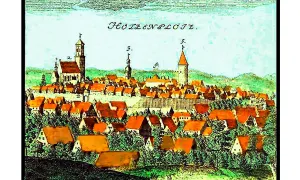
The visualisations are generated by artificial intelligence and serve as inspiration.
Photos from the area
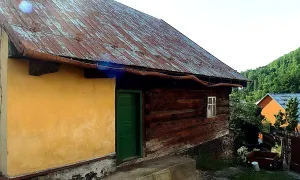
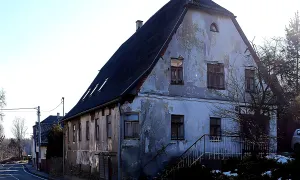
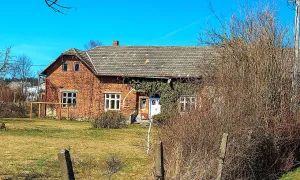
Real photos taken near the monument

Zdroj a licence jsou uvedeny u každého snímku.
Tips from visitors
No tips yet. Be the first!
Log in and add your tip.
Sources and literature
Fotografie: Harold / CC BY-SA 3.0 — Wikimedia Commons. The author and licence also appear when you hover over the image.
Faktickým podkladem tohoto textu byl článek na Wikipedii, jehož autory jsou přispěvatelé Wikipedie. Článek je dostupný pod licencí CC BY-SA 4.0.
Location on the map
Příběhy a pověsti
Legendy, pověsti a příběhy spjaté s touto památkou
Fotografie návštěvníků
Zatím žádné fotografie. Buďte první, kdo přidá fotografii z návštěvy!
Přihlaste se a přidejte svou fotografii nebo hodnoťte.
Za ověřenou návštěvu v aplikaci získáte víc bodů — poznáme podle GPS, že jste na místě.
Reviews and comments