






Kaple svatého Marka (Příbor) Chapel
Objekt se nedochoval — na místě dnes nestojí. Následující text popisuje jeho historii, ne současnou návštěvu.
The chapel of St. Mark in the Peak is a remarkable Baroque sacred building with a rich history from 1616. The chapel is located in a valley along the road between Příbor and Prchalov and has witnessed important historical events and architectural transformations for centuries. Its importance goes beyond its religious function and reflects wider cultural and historical trends in the region.
The origin of St. Mark's Chapel is linked to local history and legend. The site was known as' Saint Mark 'long before the construction of the chapel, although the reasons for this designation remain unclear. In 1616, a wooden chapel with an altar was built after the discovery of several graves during the excavation of local inhabitants. The historian Gregor Wolný assumed that there might be remains of cutlery that escaped because of the plague in 1585. The initial wooden structure enabled the possession of the mass, approved by the local standard.
Architectural, the chapel has undergone significant changes from its original form. After it was destroyed by the storm in 1700, it was rebuilt between 1703 and 1713 as a stone structure under the direction of David Josef Ignác Holub, who served as parish priest Příbor and Dean at that time. This reconstruction reflected the Baroque style prevailing at this time, characterized by its grandeur and attention to detail.
Throughout his history, the chapel experienced various administrative changes and significant events. In 1787 it was dismantled along with another nearby chapel, with their materials designed to build a wall around St. Valentine's in Příbor. In addition, plans were drawn up in 1743 to build a stone cross near the chapel; In 1900, however, only its base remained, when it was supplemented by a statue of the Virgin Mary, donated by a couple of Perovovi.
This site also had cultural and religious significance for the local community. Processes used to visit the chapel on St. Mark's Day and during cross days, stressing its role in local traditions and spiritual life. Near there is another cross across the road, calvary and place of execution which contributed to the historical landscape of the area.
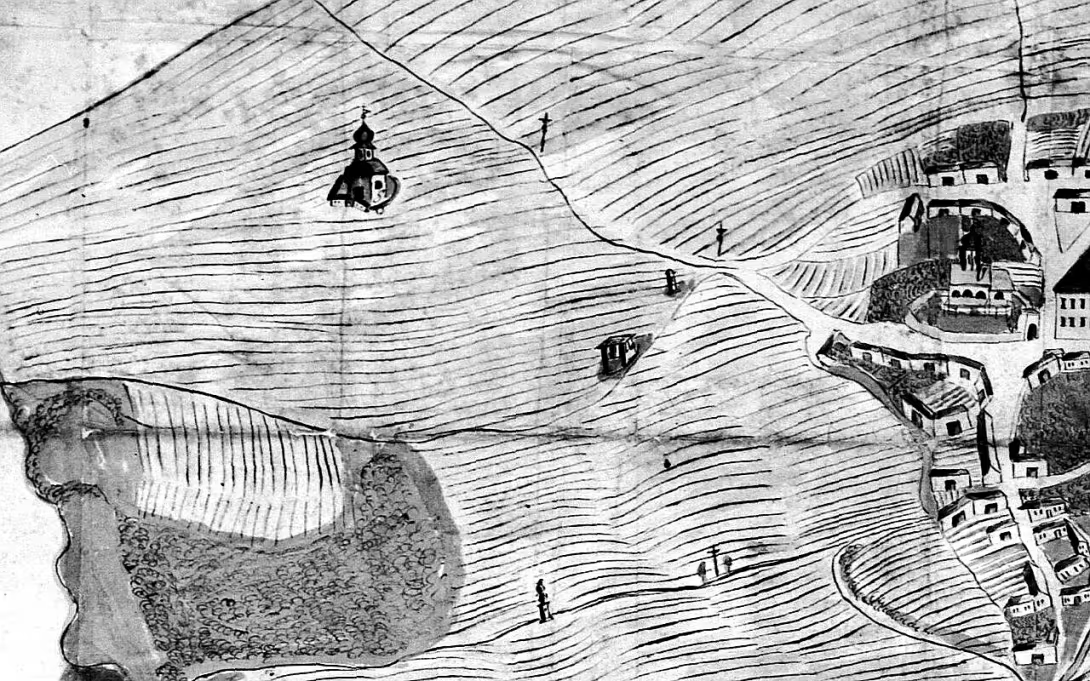
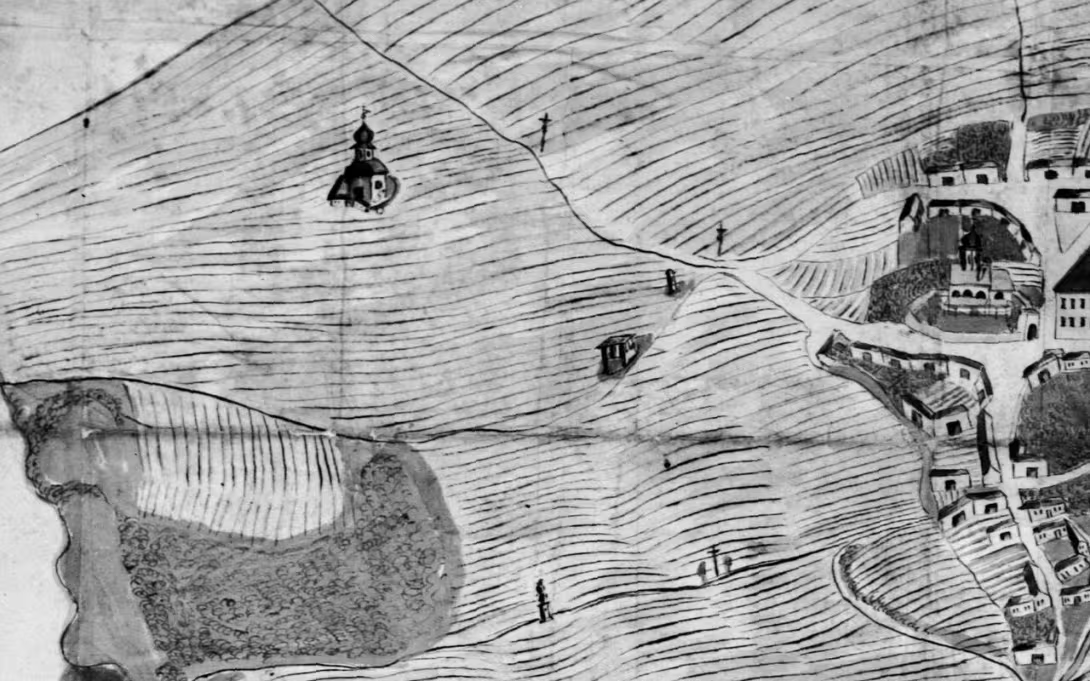
Today, the chapel of St. Mark is no longer as it once was, but its legacy will continue through historical records and artistic images. In 1728, Karl Ludwig Hramek's first military mapping and Veduta captured baroque architecture with a square layout with an extension tower and surrounding walls. Although the physical structure is gone, these visual records offer valuable insights into his past grandeur.
Visit Příbor to explore the location of St. Mark's Chapel offers a unique opportunity to connect with the rich history and cultural heritage of the region. While the chapel itself may no longer be present, its story still resonates and invites visitors to think about the historical stories that shaped this area.
Then and now
Drag the slider to compare how the landmark may have looked when it was built with the view today.
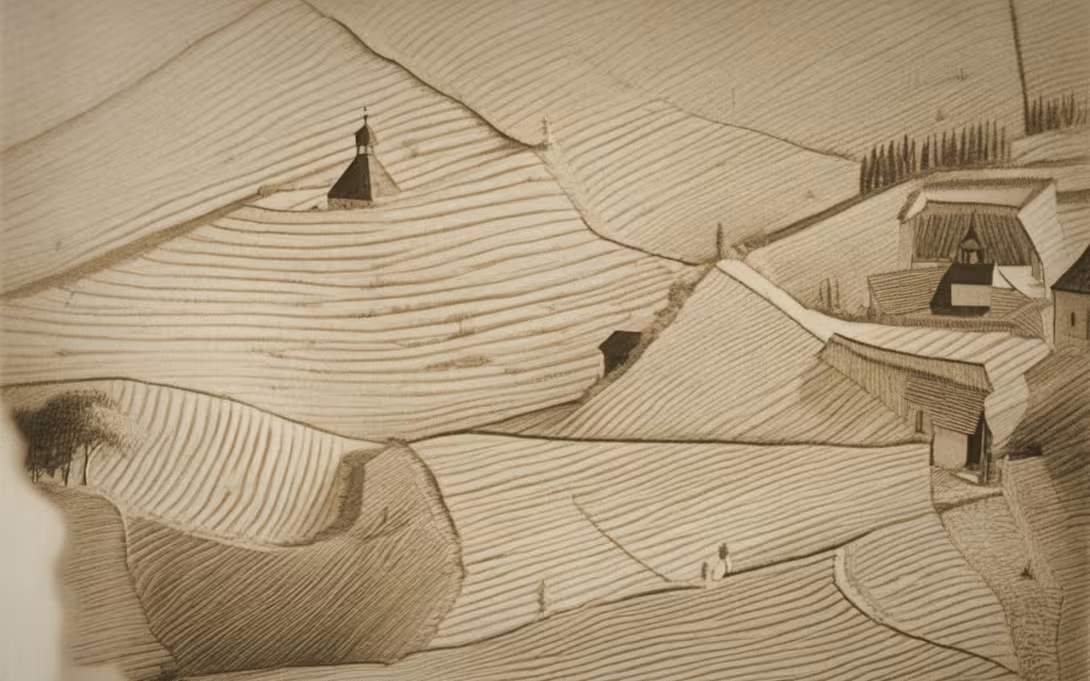
The historical appearance on the left is an AI-generated visualisation and serves as inspiration only.
Historical milestones
- 1616
- Construction of St. Mark's wooden chapel.
- 1700
- Chapel destroyed by storm.
- 1703- 1713
- Reconstruction as a stone chapel in Baroque style.
- 1743
- Plans to build a stone cross near the chapel.
- 1787
- Chapel dismantled; materials used for St. Valentine's church walls.
Architectural development
St. Mark's Chapel underwent significant architectural changes from the original wooden structure to the stone reconstruction in the early 18th century. The original chapel was replaced by a stone version after it was destroyed by the storm, reflecting the baroque influences typical of this era.
Historical events
- 1616
- Construction of the original wooden chapel with altar.
- 1700
- The wooden chapel was destroyed by a storm that led to its reconstruction in stone between 1703 and 1713.
- 1787
- Both the chapel of St. Mark and the other nearby chapel were dismantled and their materials were used to build a wall around St. Valentine's.
Points of interest
- St. Mark's Chapel was known as' St. Mark 'long before its construction in 1616, although the reasons for that name remain a mystery. This already existing label suggests the ancient meaning or traditions associated with the site.
- After the destruction of the storms in 1700, the chapel was rebuilt between 1703 and 1713 under the direction of David Josef Ignác Holub, who served as a parish priest and dean. His dual role underlines his significant influence on the architectural conversion of the chapel into a baroque style.
- In 1787, the chapel was dismantled along with another nearby building and their materials were rebuilt to build a wall around St. Valentine's church in Příbor. This recycling act reflects historical inventive practices during this period.
- The plans of 1743 to build a stone cross at the chapel only led to the completion of its base in 1900, when it was eventually supplemented by a statue of Our Lady, donated by a couple of Perovovy. The delay and possible completion underlines the involvement and commitment of the local community for almost a hundred years.
- Although the chapel of St. Mark no longer physically exists, Vedute Karl Ludwig Khamek from 1728 provides a detailed visual record of the Baroque architecture and captures its square layout with a tower with an attachment and surrounding walls. This artistic depiction allows modern viewers to appreciate his historical grandeur despite his absence today.
Guide
This guide is narrated by a synthetic voice generated by artificial intelligence.
Show guide text
This text was created by artificial intelligence and has not been editorially reviewed. It may contain inaccuracies.
Welcome to the historic site of the St. Mark's Chapel in Příbor, where history and spirituality intersect in the quiet region of the Moravian-Silesian region. As you stand before this sacred space, imagine going back to time, to the time when the Baroque architecture began to bless our country with its complex beauty.
The chapel of St. Mark has roots that go deep into the past. It was originally built in 1616 as a wooden construction on a plot known as' Saint Mark '. This name itself bears a mystery that points to an ancient tradition or meaning that is connected to this place long before the chapel rose from its foundations. The original chapel served not only as a place of worship, but also as a testament to the community's devotion, with an altar where the masses took place under the blessing of a local citizen.
But nature had other plans. In 1700, a wild storm called for a wooden chapel and left behind only memories and ruins. It was from this ashes that the stone of the chapel of St. Mark rose again between 1703 and 1713. This new structure was rebuilt in Baroque style as a symbol of resistance and faith. The way you look at him now, notice how his architecture embodies the spirit of the era, defined by grandeur and elegance.
While accurate architects remain unknown, their vision has left us with proof of baroque craft. The construction of the chapel invites you to explore every detail - its facade, which is a silent witness to centuries of history, attracts your attention. Although many of his creators remain covered in mystery, their legacy will persist through stones and mortar.
The story of this place is enriched with characters such as Gregor Wolný and David Josef Ignác Holub, individuals whose lives have been linked to the history of the chapel. Their contributions, even if they are not detailed here, are fibers from the fabric of the cutlery rich cultural tapestry.
An interesting aspect of St. Mark's Chapel is its mysterious name of origin - 'St. Mark'. This already existing label indicates a deep connection to the site that prevents the building of the chapel. It serves as a reminder of the layers of history and tradition that make this place unique.
When we are at the end of our journey, it is important to remember that in 1787, the chapel of St. Mark was dismantled, his materials were used for the St. Valentine's Church Wall. This transformation act speaks of the community's ability to adapt and preserve its heritage across generations.
Now we invite you to think about the stories inside these walls and territories. Let your imagination wander through time as you explore further to Příbor, bearing the echoes of history that he shared the Chapel of St. Mark. Thank you for joining us on this journey; Let him inspire you to reveal more hidden jewels in our vast tapestry of history and culture.
For kids
More than 410 years ago, when kings and princesses wore long coats and noblemen chased with rags, the chapel of St. Mark was built in a small place called Příbor. It was a place where people carried deep beliefs and often gathered under the shadow of intimate trees to share stories of the mysteries of the past.
Businesses nearby
Do you run a restaurant, accommodation, shop, museum, rental, wellness or other visitor service near this monument? Show yourself directly to the people heading to it — this is how they will see you in the app and on the web:
Nearby
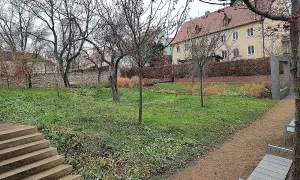
The chapel once stood in the valley along the road between Příbor and Prchalov, now interrupted by the highway. There is another cross on the opposite side of the road, the calvary and the execution site.
Visualizations and artistic views


The visualisations are generated by artificial intelligence and serve as inspiration.
Photos from the area
Real photos taken near the monument

Zdroj a licence jsou uvedeny u každého snímku.
Atmosphere of the place
This atmospheric visualisation of the place and period was generated by artificial intelligence. It is not real footage of the location.
Tips from visitors
No tips yet. Be the first!
Log in and add your tip.
Sources and literature
Photos: Karel Ludvík Chrámek / Public domain — Wikimedia Commons. The author and licence also appear when you hover over the image.
Faktickým podkladem tohoto textu byl článek na Wikipedii, jehož autory jsou přispěvatelé Wikipedie. Článek je dostupný pod licencí CC BY-SA 4.0.
Location on the map


Příběhy a pověsti
Legendy, pověsti a příběhy spjaté s touto památkou
Příběh: Kaple svatého Marka (Příbor)
Bylo to v pondělí ráno, kdy Tomáš, mladý řezník z Příboru, se opilý týráním osudu, stál na úpatí svatého Marka a dychtivě očekával slunce. Vůně čerstvých kvě…
Číst příběh
Pověst: Kaple svatého Marka (Příbor)
Podle místní pověsti neslo toto místo v dolině pod Příborem zvláštní jméno dávno předtím, než tu stál jakýkoli kříž nebo kámen. Staří obyvatelé je prostě naz…
Číst příběhFotografie návštěvníků
Zatím žádné fotografie. Buďte první, kdo přidá fotografii z návštěvy!
Log in a přidejte svou fotografii nebo hodnoťte.
Za ověřenou návštěvu v aplikaci získáte víc bodů — poznáme podle GPS, že jste na místě.
Reviews and comments