






Kašna s Rolandem Fountain
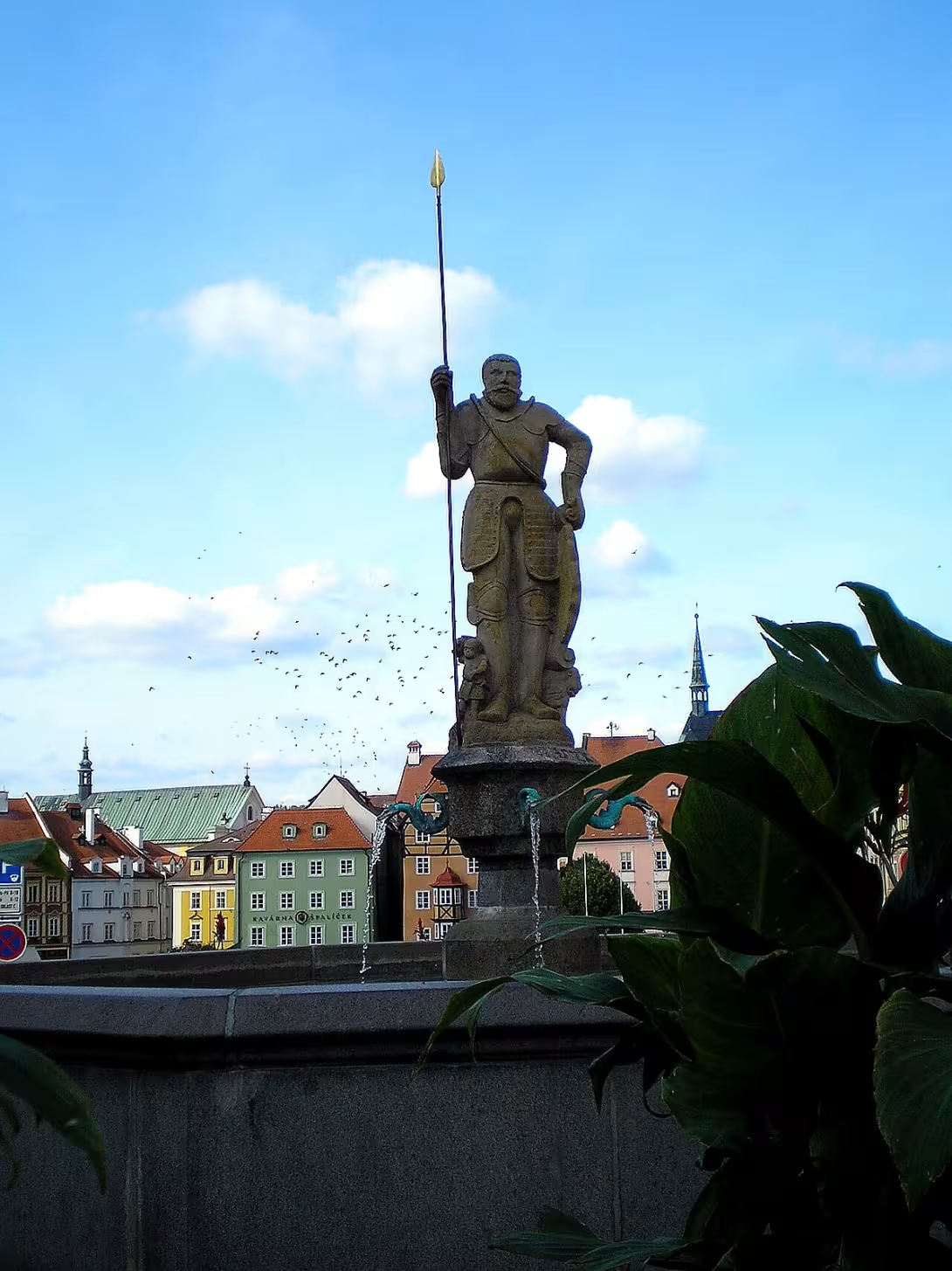
The Renaissance fountain with a statue of Roland is located in the upper part of King George's Square from Poděbrad in Cheb. The building has been protected as a cultural monument since 1958. It is an important document of the 16th century city representation and is inextricably linked to the history of Cheb waterworks.
The history of water elements in this square dates back to 1481 to 1482, when the first stone fountain was created. It was demolished in 1865. In the middle of the square there was originally a wooden tank, which was replaced by a stone structure in 1523. In 1528 it was supplemented by a wooden polychrome statue of an armed artist from the painter Mathese. The sculpture was consecrated on St. Martin, and among the locals it was nicknamed Mart-Barth-Tischler, because it allegedly resembled the Cheb carpenter Barth.
In 1591 there was a fundamental change when the wooden statue was replaced by a stone sculpture of an armed landskecht. The author was sculptor Wolf Henff. The figure is today referred to as the knight Roland, but in popular presentation it is often called Wastl. In the 16th century, when the city of Cheb experienced the boom of Renaissance culture, similar public buildings served as an important element of the city's representation.
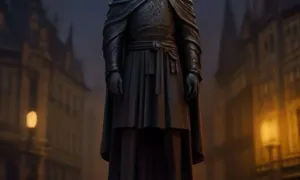
The fountain itself has a polygonal plan with smooth walls and a ledge. In the middle of the tank stands a prism pillar on which is mounted a statue of a knight in sublife size. The figure holds the spear in the right hand and the left hand rests on the shield with the city emblem Cheb.
During the 20th century the monument passed through several modifications. In 1966 the sculptor Jozka Antek restored the statue. In 1985, the original stone statue was married and stored in the Mázhaus Cheb Museum, where it is kept today. A sandstone copy was installed on the fountain, the author of which is the academic sculptor Jiří Živný.
Today visitors to Cheb can admire this historical fountain right on King George's Square of Podebrad, close to other important monuments such as Cheb Castle or a collection of town houses Špalíček. The building represents a valuable example of Renaissance sculpture and commemorates the long tradition of city administration and public space care. Visiting this place offers direct contact with the history of Cheb craft and art, which has been preserved as a stone knight up to the present day.
Historical milestones
- 1481
- Construction of the first stone fountain in this part of the square.
- 1591
- Installation of stone statue of Landskecht by sculptor Wolf Henff.
- 1958
- The fountain with the statue was declared a cultural monument.
- 1985
- The original statue was moved to the museum and replaced by a copy.
Architectural development
The original wooden tank was replaced by a stone structure in 1523. In 1591, a stone statue by Wolf Henff was installed. The statue was restored in 1966 and a sandstone copy from Jiří Živný was mounted on the fountain in 1985.
Historical events
In 1481-1482 the first stone fountain was built on the square. In 1528 it was supplemented by a wooden statue, which was replaced by a stone Langhouse in 1591. In 1985 the original statue was moved to the Cheb Museum and replaced by a copy.
Points of interest
- Since 1958, this Renaissance fountain has been protected as a cultural monument. - The original 1528 wooden statue was consecrated on St. Martin and the locals called it Mart-Barth-Tischler because it resembled a carpenter. The current stone sculpture of an armed man called Wastl replaced a wooden statue in 1591. - The original stone statue was married in 1985 and stored in the museum, in its place is now a sandstone copy. - The figure holds the spear in the right hand and the left hand rests on the shield on which the city emblem Cheb is displayed.
Guide
Show guide text
This text was created by artificial intelligence and has not been editorially reviewed. It may contain inaccuracies.
Welcome to the Royal Square in Cheb, one of the most famous places in this historic village. You are standing in front of a magical Renaissance fountain with Roland, which is the center of attention and fascinates with its architectural beauty. Look up at her polygonal floor plan and notice the prism pillar in the middle of the tank that will increase your impression of this place.
Let's move on to the beginning of this memorable structure. In 1481 the first stone fountain was built in this part of the square, which served as a life-giving resource for the inhabitants of Cheb. With the coming of the end of the 16th century, the present stone sculpture appeared from sculptor Wolf Henff, which was a significant event in the history of the city. In 1591, a stone statue of landskecht was installed, which still tells the story of this area.
Now pay attention to the architecture of the fountain and its details. Note the careful processing of the stone, which gives structure elegance and resistance. The French pillar is home to a statue of a knight of sublife size, which holds a spear in his right hand and rests on a shield with a city emblem. This detail tells the story of protection and heroism.
The key personality associated with this monument is Mathes, who played an important role in its historical context. Although his story is not quite known, his legacy blends with the fountain and gives the place a deeper meaning.
Interesting fact is that since 1958 this Renaissance fountain has been protected as a cultural monument. The original wooden statue from 1528 was consecrated on St. Martin and the locals called it Mart-Barth-Tischler because it resembled a carpenter. Now this statue is replaced by a copy, but its story remains in the local memory.
By inviting you to further explore this area and thanking us for your visit, we will say goodbye. I hope your experience before Roland's fountain was as fascinating as her history. Keep this memory in your heart and continue your discovery of Cheb.
Tips for visitors
For a quiet visit to the fountain, I recommend the morning clock, where the square is less crowded with people and the light is ideal for capturing details of the stone pillar. Parking is possible on reserved areas around the historical centre; use the connection search engine for current transport options. Take your comfortable shoes on the paving dice and the camera with you, you will take the best pictures from a slight perspective towards the Pimple. In the nearby area within 30 minutes walk you can visit the picturesque Špalíček or the historic Cheb Castle. For families with children, King George's Square from Poděbrad is a great place for a short walk with the possibility of sitting in nearby cafes.
Businesses nearby
Do you run a restaurant, accommodation, shop, museum, rental, wellness or other visitor service near this monument? Show yourself directly to the people heading to it — this is how they will see you in the app and on the web:
Nearby
Náměstí Krále Jiřího z Poděbrad, Chebský hrad, Špalíček.
Accommodation nearby
Themed route
Thematic cruise route from Cheb
1. The square of King George of Podebrad - Type: Square - Why is it worth a visit: This historic city centre offers beautiful architecture and a view of Cheb Castle. It's the perfect place to start your trip where you can relax and prepare for the next trip.
2. Cheb Castle - Type: Castle - Why is it worth visiting: Cheb Castle is one of the oldest walls in Bohemia and offers views of the whole city. It's a place full of history where you can look at its fortress buildings and enjoy the peace in the castle courtyard.
3.Kašna s Rolandem - Type: fountain - Why is it worth visiting: This memorable fountain is not only a beautiful work of art but also a symbolic place in Cheb. Her statue of Roland resembles a historic defense against foreign invasions.
4. - Type: Cultural institutions - Why it is worth a visit: Špalíček is a centre for cultural and educational activities where you can learn more about the history and traditions of Cheb. It's a place full of inspiration and new experiences.
5. Back to the Square of King George of Podebrad - Type: End of journey - Why is it worth a visit: After exploring the main attractions you can close your trip by relaxing on the square where you can buy a souvenir or relax before the next day.
This route offers a compact view of the history and culture of Cheb using its key points.
Seasonal recommendations
Spring: In the spring season Kašna s Rolandem in Cheb is revived by flowers and new leaves, which adds a lively color to the historical environment. Sunshine complements architectural details of the monument. This season it is advisable to visit in the morning or in the evening to avoid the midday warm hours and time-limited crowds. The good idea is to wear a hand player to protect against cold spring air.
Summer: Summer in Cheb offers long sunny days that are ideal for walking around the fountain with Roland. Urban open spaces become popular among locals and visitors, which increases the number of people. We recommend visiting the memory in the early morning hours or later in the evening when the atmosphere is milder and friendlier. Don't forget the protective sunglasses and plenty of drinking water.
Autumn: In autumn, Kašna s Rolandem offers views of the colour sheet, which adds something magical to the historical environment. Sundays are still warm, but evenings are quickly colder and damp. Visit the memory at noon, when the sun is the most distinctive, and come with clothes suitable for variable weather. A box of warm lunch tickets can be useful this season.
Winter: The winter visit to Kashna with Roland offers unique views of the historic monument under the snow cover, creating a romantic and peaceful environment. Opening hours may be limited due to cold temperatures, so it is advisable to check before visiting. Hot clothes, including hat and gloves, are essential for comfort. Visiting the memory of the morning may be an ideal way to enjoy peace without crowds.
Visualizations and artistic views

The visualisations are generated by artificial intelligence and serve as inspiration.
Photos from the area
Real photos taken near the monument


Zdroj a licence jsou uvedeny u každého snímku.
Tips from visitors
No tips yet. Be the first!
Log in and add your tip.
Sources and literature
Photos: Novojaro / CC BY-SA 3.0 — Wikimedia Commons. The author and licence also appear when you hover over the image.
Faktickým podkladem tohoto textu byl článek na Wikipedii, jehož autory jsou přispěvatelé Wikipedie. Článek je dostupný pod licencí CC BY-SA 4.0.
Location on the map

Příběhy a pověsti
Legendy, pověsti a příběhy spjaté s touto památkou
Fotografie návštěvníků
Zatím žádné fotografie. Buďte první, kdo přidá fotografii z návštěvy!
Log in a přidejte svou fotografii nebo hodnoťte.
Za ověřenou návštěvu v aplikaci získáte víc bodů — poznáme podle GPS, že jste na místě.
Reviews and comments