






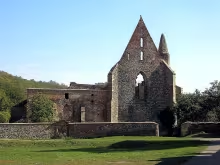
Klášter Rosa coeli, located in Dolní Kounice within South Moravia, is a historically significant cultural monument dating back to 1181. Founded by Moravian noble Vilém z Pulína as penance for his raids into Austria, this Premonstratensian monastery stands out due to its architectural evolution and historical importance. The site features remnants of a Gothic church and a baroque residence, reflecting centuries of change.
The origin of Klášter Rosa coeli is rooted in the late 12th century when Vilém z Pulína established it as penance for his military incursions into Austria. He allied with the Premonstratensians from Louňovice, leading to a provisional monastery by 1183. This foundation was part of broader political and religious developments in Bohemia during this era, characterized by feudal conflicts and the spread of monastic orders.
Architecturally, Klášter Rosa coeli underwent significant transformations over time. Initially established with structures from the late 12th century, it saw major developments in the second half of the 14th century with the construction of a Gothic church and an adjacent quadrangle. The site also includes remnants from an earlier Romanesque basilica, showcasing its long history of structural evolution.
Ownership and administration of the monastery have seen dramatic changes throughout its history. After Vilém z Pulína's foundation, it was possibly affected by the Hussite Wars around 1423, though this is not precisely documented. In 1526, Martin Göschl, the abbot at the time, converted to Lutheranism and left Dolní Kounice under pressure from Bishop Stanislav Thurz. Subsequently, King Ferdinand I Habsburg took control after Göschl's departure. The monastery was later sold in 1537 to Jiří Žabka z Limberka, místokancléř Českého království, who established a family burial site within the church. Ownership changed hands several times until Strahov Premonstratensians acquired it in 1698, only to sell it back to the Ditrichštejn family in 1808.
Key events at Klášter Rosa coeli include its foundation by Vilém z Pulína and the possible destruction during the Hussite Wars. The conversion of Martin Göschl to Lutheranism also marked a significant moment in its history, leading to his departure from Dolní Kounice. These events highlight the monastery's resilience and adaptability through turbulent times.
Today, Klášter Rosa coeli is under the ownership of the Brno diocese, with the Městský úřad Dolní Kounice managing it. The site has been preserved as a cultural monument, with ongoing restoration efforts initiated by a committee formed in 1926 and continued by the Krajské středisko státní památkové péče v Brně after World War II. It is publicly accessible and occasionally serves as a filming location for movies and television series, adding to its cultural significance.
Visiting Klášter Rosa coeli offers a glimpse into the rich tapestry of Moravian history and architecture. Its enduring legacy as a site of religious, historical, and cultural importance makes it a worthwhile destination for those interested in exploring South Moravia's past.
Historical milestones
- 1181
- Založení kláštera Rosa coeli Vilémem z Pulína.
- 1183
- Provisionální zřízení kláštera s Premonstratensany z Louňovic.
- kolem 1350
- Výstavba gotického kostela a čtvercového dvora.
- 1423
- Možné zničení během husitských válek.
- 1526
- Martin Göschl konvertuje k luteranismu a opouští Dolní Kounice.
- 1537
- Prodej kláštera Jiřímu Žabkovi z Limberka.
Architectural development
The monastery underwent significant architectural changes over time. Initially established in the late 12th century, it saw major developments in the second half of the 14th century with the construction of a Gothic church and adjacent quadrangle. The site also includes remnants from an earlier Romanesque basilica, highlighting its long history of structural evolution.
Historical events
- 1181
- Foundation of the monastery by Vilém z Pulína.
- 1423
- Possible destruction during the Hussite Wars, though not precisely documented.
- 1526
- Martin Göschl, the abbot, converted to Lutheranism and left Dolní Kounice under pressure from Bishop Stanislav Thurz.
Points of interest
- The foundation of Klášter Rosa coeli by Vilém z Pulína in 1181 was a unique act of penance for his military actions against Austria, highlighting the intertwining of personal atonement and religious establishment during that era.
- Despite the lack of precise documentation, it is speculated that Klášter Rosa coeli may have been affected by the Hussite Wars around 1423, reflecting its vulnerability to regional conflicts and political upheavals in Bohemia.
Guide
Show guide text
Welcome to the historic site of Klášter Rosa coeli, nestled on the eastern edge of Dolní Kounice in the Jihomoravský region. As you stand here today, imagine the serene landscape that has witnessed centuries unfold—a testament to both human endeavor and spiritual devotion.
The story of this remarkable place begins in 1181 when Moravian noble Vilém z Pulína founded Klášter Rosa coeli as an act of penance for his raids into Austria. This foundation was not just a personal atonement but also marked the introduction of the Premonstratensian order from Louňovice to this area, weaving together threads of history and spirituality.
As you look around, take in the remnants that speak volumes about its architectural journey. The site features elements of a Gothic church and a baroque residence—each stone whispering tales of eras long past. Notice how these structures harmonize with their surroundings, offering glimpses into the artistic sensibilities of different periods.
The history of Klášter Rosa coeli is rich with intriguing narratives. In 1183, provisional arrangements were made to establish the monastery with Premonstratensians from Louňovice, setting a foundation for its spiritual mission. By around 1350, significant developments included the construction of a Gothic church and a square courtyard, showcasing architectural innovation.
However, not all was peaceful in this sacred sanctuary. The turbulent times of the Hussite Wars in 1423 may have led to destruction here, leaving behind echoes of conflict that once shook these grounds. Later, in 1526, Martin Göschl's conversion to Lutheranism and subsequent departure from Dolní Kounice marked a pivotal moment, reflecting broader religious shifts of the time.
In 1537, another chapter unfolded with the sale of the monastery to Jiří Žabka z Limberka. Each transition not only altered its physical landscape but also enriched its historical tapestry.
One fascinating aspect of this site is the unique foundation by Vilém z Pulína as penance for his military actions against Austria, highlighting how personal atonement and religious establishment were deeply intertwined during that era.
As we conclude our journey through Klášter Rosa coeli, I invite you to linger a moment longer. Reflect on the layers of history beneath your feet and imagine the lives that have passed through this sacred space. There is much more to explore here—each corner holds stories waiting to be discovered. Thank you for joining me today; may your visit inspire both curiosity and reflection as you continue to uncover the mysteries of Dolní Kounice's rich heritage.
Tips for visitors
The best time to visit the Klášter Rosa coeli is during late spring or early autumn, from May to September. During these months, the weather is typically mild and pleasant, making it ideal for exploring the ruins and surrounding landscape. Additionally, visiting in this period allows you to enjoy the natural beauty of South Moravia without the crowds that may be present during peak tourist seasons.
Parking and transport options are convenient for visitors. There is parking available near Dolní Kounice, from where you can easily access the site either by foot or using local transportation services. For those preferring public transport, regional buses connect to nearby towns, though it's advisable to check current routes online. The site itself is accessible on foot and offers a peaceful exploration experience.
When visiting Klášter Rosa coeli, it’s recommended to bring comfortable walking shoes as the terrain can be uneven due to its historical nature. A hat and sunscreen are also useful for protection against the sun during your visit. Additionally, carrying a water bottle is advisable, especially if you plan on spending several hours exploring the site and its surroundings.
Photography enthusiasts will find several spots around Klášter Rosa coeli that offer stunning views, particularly at sunrise or sunset when the light enhances the dramatic appearance of the ruins. The eastern edge of Dolní Kounice provides a picturesque backdrop for capturing the historical essence of the site. Be mindful of lighting conditions to best capture the textures and details of the architecture.
For families with children, Klášter Rosa coeli offers an educational experience into medieval history. Nearby attractions within 30 minutes include other cultural sites in South Moravia that provide a broader context of the region's heritage. These can be great for family outings, offering both historical insights and leisure activities suitable for all ages.
Businesses nearby
Do you run a restaurant, accommodation, shop, museum, rental, wellness or other visitor service near this monument? Show yourself directly to the people heading to it — this is how they will see you in the app and on the web:
Events nearby


Event source: Kudy z nudy and open data of the Czech Republic
Nearby
The site is surrounded by a landscape that includes remnants of historical structures and natural features. It is located near other cultural sites within South Moravia.
Accommodation nearby
Trips and activities nearby
Guided tours, tickets and activities nearby from GetYourGuide
Search tours and activities →Themed route
Tematická výletní trasa: Klášter Rosa coeli a jeho okolí
1. Klášter Rosa coeli (klášter) - Typ: Historický klášterní komplex - Proč stojí za návštěvu: Tento barokní klášter, nacházející se v obci Dolní Kounice, je známý svou architektonickou krásou a bohatou historií. Je to jedinečný příklad klášterního života ve střední Evropě, který nabízí návštěvníkům pohled na jeho výjimečné interiéry a historickou expozici.
2. Památkově chráněná obec Dolní Kounice - Typ: Historické město - Proč stojí za návštěvu: Obec je známá svým původním centrem s historickou architekturou, která odráží bohatou kulturní minulost oblasti. Návštěvníci mohou prozkoumat staré uličky a objevit památky, které představují důležité kapitoly regionální historie.
3. Reminiscence historických struktur v okolí - Typ: Historické zbytky - Proč stojí za návštěvu: Okolí kláštera je obohaceno zbytky starodávných stavb, které svědčí o dlouhé historii a proměnách regionu. Tyto struktury poskytují cenný vhled do minulosti a dodávají výletu další vrstvu kulturního zážitku.
4. Přirozené prvky okolního kraje - Typ: Přírodní prvky - Proč stojí za návštěvu: Klášter a jeho okolí jsou obklopeny přírodou, která nabízí klidné prostory k odpočinku a reflektování. Tyto prvky přispívají ke krásnému krajinářskému rázu cesty a umožňují návštěvníkům ocenit spojení mezi historií a přírodou.
Tato trasa nabízí kombinaci kulturních, historických i přírodních zážitků, které společně vytvářejí bohatý obraz regionu Jihomoravského kraje.
Seasonal recommendations
Spring: The arrival of spring at the Klášter Rosa coeli brings a refreshing transformation to the landscape, with wildflowers beginning to bloom around the ruins and gentle breezes carrying the scent of renewal. This time of year offers unique lighting conditions as longer days provide ample natural light for exploring the historical site, enhancing its mystical atmosphere. To fully appreciate this seasonal beauty, visitors should consider bringing comfortable walking shoes for a leisurely stroll through the blooming surroundings. The mild weather makes it an ideal time to visit before the summer crowds arrive, allowing for a more intimate experience with fewer people around.
Summer: Summer at Klášter Rosa coeli is characterized by vibrant greenery and warm sunshine that accentuates the ancient stones of the ruins. This is when the site comes alive with lush vegetation, casting intricate shadows across the landscape as the sun moves through the sky. Due to its popularity during this peak tourist season, it's advisable for visitors to arrive early in the day to avoid larger crowds and secure a peaceful exploration. Wearing light, breathable clothing and bringing plenty of water is essential to stay comfortable while enjoying the site’s outdoor beauty.
Autumn: The autumnal visit to Klášter Rosa coeli offers a dramatic change in scenery as the foliage transforms into a palette of fiery reds, oranges, and yellows. This season provides a serene atmosphere with fewer visitors, allowing for quiet reflection amidst nature's colorful display. As days become shorter, planning your visit during daylight hours is crucial to make the most of the natural lighting that highlights the ruins' textures. Layered clothing is recommended to accommodate the cooler temperatures, ensuring comfort as you wander through this picturesque setting.
Winter: Winter at Klášter Rosa coeli presents a stark yet enchanting landscape, with snow often blanketing the ruins and creating a mystical ambiance under the soft winter light. The reduced number of visitors during this season offers an opportunity for solitude and contemplation in the quiet beauty of the site. However, it's important to dress warmly, as temperatures can be quite chilly, and to check opening hours, which may vary due to weather conditions. Visiting on a clear day provides the best chance to appreciate the ruins' silhouette against a crisp winter sky.
Visualizations and artistic views

Vizualizace jsou generovány umělou inteligencí a slouží jako inspirace.
Tips from visitors
No tips yet. Be the first!
Log in and add your tip.



Reviews and comments