






Horní Předměstí (Boskovice) Settlement
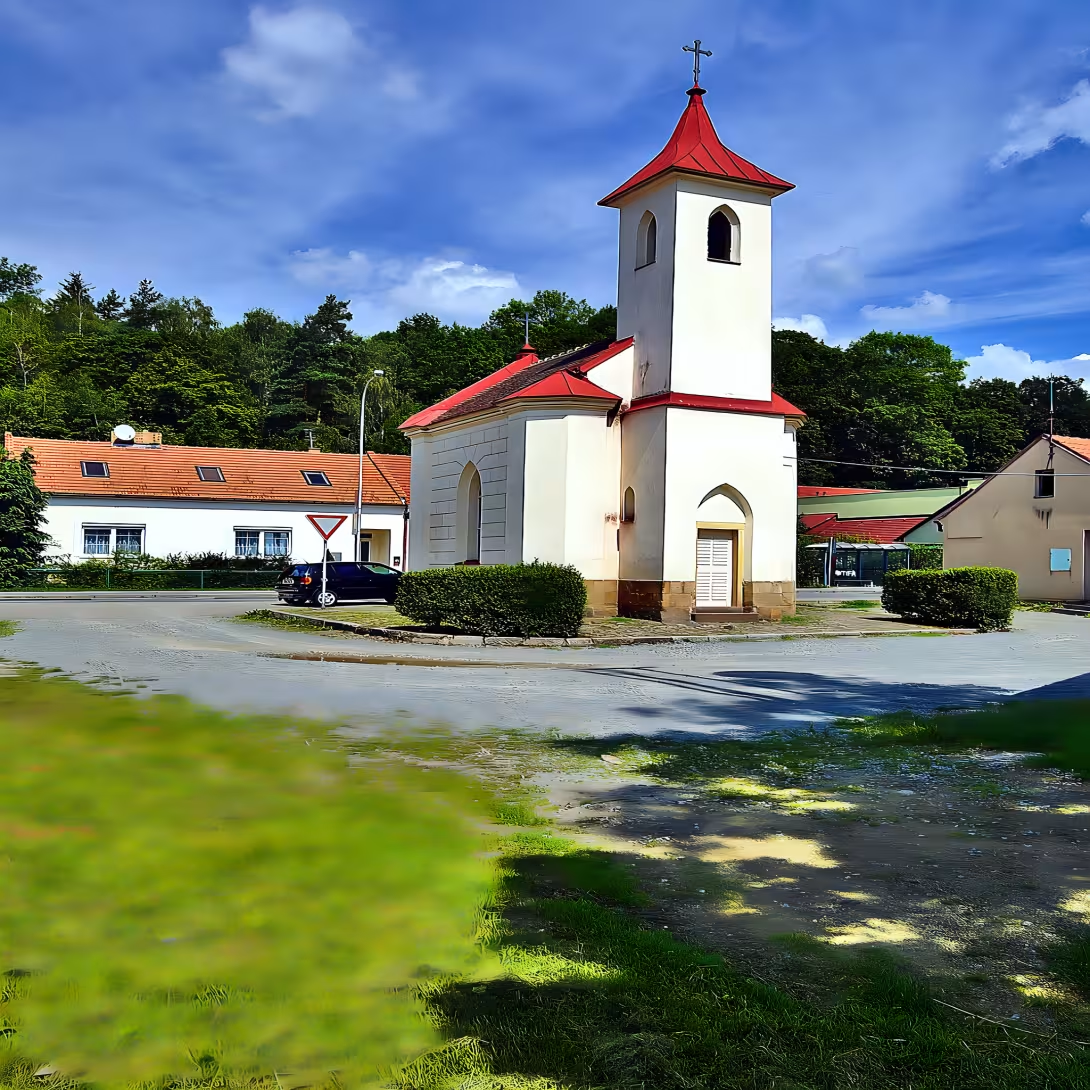
Horní Předměstí is a historic quarter in Boskovice, located within the Blansko district of Jihomoravský kraj. Its origins date back to medieval times when it was an independent cadastral territory until 1953. The area is renowned for its Gothic architecture, particularly the Church of All Saints, which reflects significant urban changes over centuries.
Developed as one of two suburban settlements in Boskovice during the Middle Ages, Horní Předměstí lies to the north and east of the city center. It expanded through the 19th century along key streets such as Havlíčkova and Sušilova. Architectural development began with buildings lining these important routes. The interwar period saw further expansion, while World War II brought additional construction, including an evangelical church.
The Gothic style of the Church of All Saints mirrors broader European architectural trends during medieval times when Bohemia was part of the Holy Roman Empire. This style reflects significant cultural developments prevalent across Europe at that time. Over the years, the area's architecture evolved with new structures added in response to changing needs and historical events.
Throughout its history, Horní Předměstí underwent several administrative changes. Until 1953, it was a separate cadastral territory known as Boskovice Horní předměstí. That year marked a major reorganization when it merged with other territories into the historic core of Boskovic, leading to the gradual disappearance of its local name from common usage.
Key events in the area's history include its development as a medieval suburban settlement and the construction of an evangelical church during World War II. These developments highlight Horní Předměstí's dynamic nature, reflecting broader historical shifts within Boskovice and the region.
Today, Horní Předměstí remains accessible to visitors interested in exploring its rich history and architectural heritage. The area features a mix of historic buildings and newer constructions from the socialist era and early 21st century. Its significance lies not only in its medieval origins but also in illustrating urban development evolution over several centuries.
Visiting Horní Předměstí offers a unique opportunity to witness the layers of history embedded within Boskovice's urban landscape. The Church of All Saints stands as a prominent reminder of the area's Gothic past, while surrounding architecture tells stories of adaptation and change through time. This historic quarter is a testament to the enduring legacy of medieval settlement patterns and their transformation into modern urban spaces.
Then and now
Drag the slider to compare how the landmark may have looked when it was built with the view today.
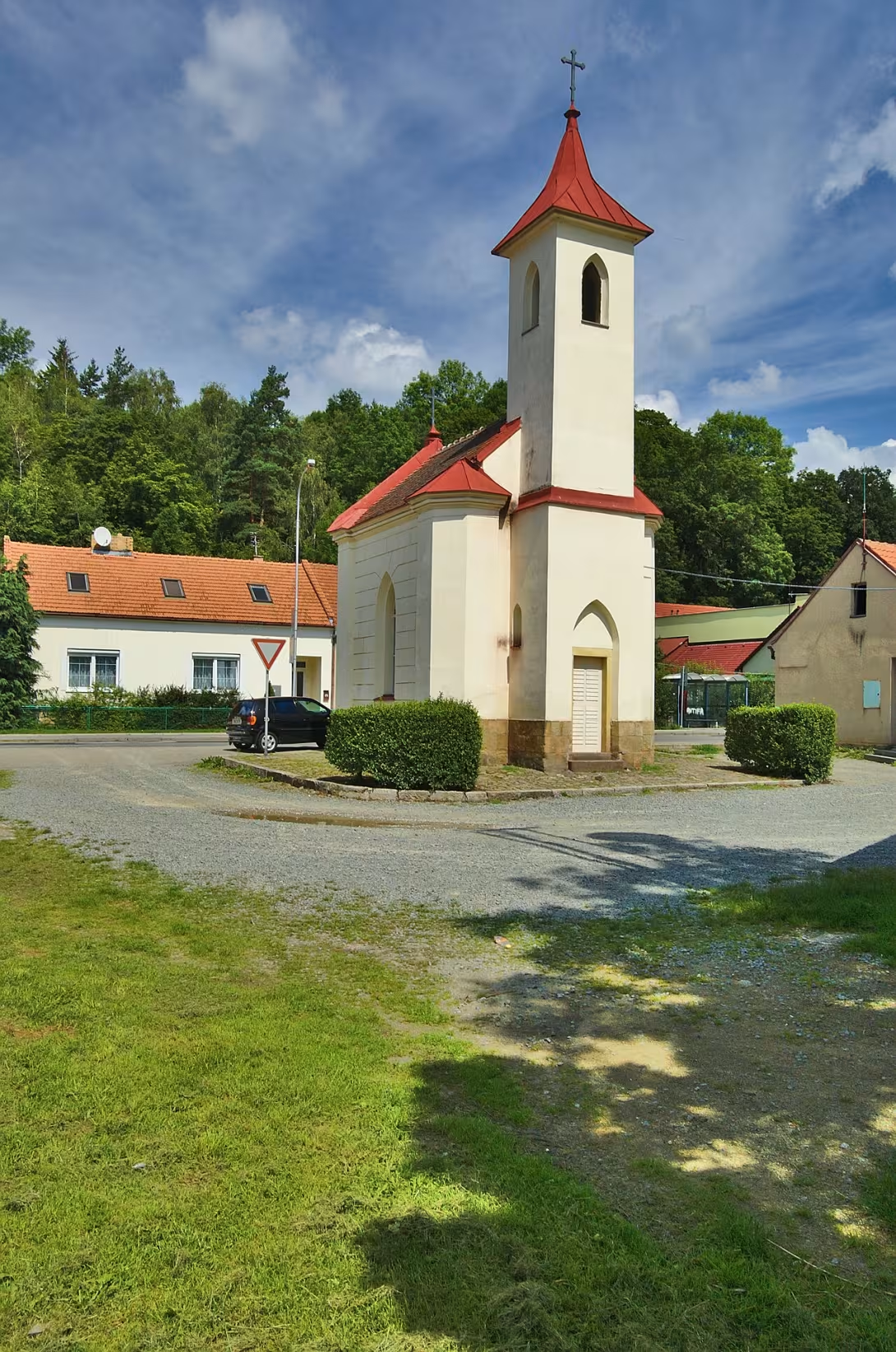

The historical appearance on the left is an AI-generated visualisation and serves as inspiration only.
Historical milestones
- medieval times
- Horní Předměstí developed as a suburban settlement.
- 19th century
- Expansion along key streets like Havlíčkova and Sušilova.
- interwar period
- Further expansion of the area.
- 1940
- Construction of an evangelical church during World War II.
- 1953
- Merged with other territories into Boskovic's historic core.
Architectural development
Horní Předměstí's development began as a suburban settlement with buildings along key streets. The area saw expansion in the interwar period and further construction during World War II, including an evangelical church.
Historical events
Horní Předměstí developed as one of two medieval suburban settlements in Boskovice, expanding through the 19th century.
During World War II, an evangelical church was constructed in the area.
In 1953, a major reorganization merged Horní Předměstí with other territories into the historic core of Boskovic.
Guide
This guide is narrated by a synthetic voice generated by artificial intelligence.
Show guide text
This text was created by artificial intelligence and has not been editorially reviewed. It may contain inaccuracies.
Welcome to Horní Předměstí in Boskovice, a historic quarter that whispers tales from medieval times right into the present. As you stand here, imagine stepping back through centuries where history and architecture blend seamlessly around you.
This area is steeped in history, having developed as a suburban settlement during medieval times. It once thrived with its own administrative identity until 1953, when it merged with Boskovice's historic core—a rarity for suburban areas of that era. As you wander through the narrow streets, feel the echoes of past generations who shaped this unique quarter.
Now, turn your attention to the architectural marvels around you. The Church of All Saints stands as a testament to Gothic architecture, its presence commanding and serene. Notice how it anchors the area with its historical significance and architectural beauty. Although specific architects remain unknown, their work continues to inspire awe among those who visit.
As we delve deeper into the history here, consider the expansion that took place in the 19th century along key streets like Havlíčkova and Sušilova. This period saw significant urban changes as the area grew and adapted over time. Further development occurred during the interwar period, with more growth adding layers to this historic tapestry.
A particularly intriguing chapter unfolded during World War II when an evangelical church was constructed in 1940, showcasing resilience and adaptation amidst challenging times. These stories of endurance and transformation are etched into every corner of Horní Předměstí.
One fascinating aspect that sets this area apart is its former status as an independent cadastral territory until 1953. This unique administrative identity highlights the distinctiveness of Horní Předměstí within medieval Europe's suburban landscape, adding a layer of intrigue to your exploration.
As you continue your journey through this historic quarter, I invite you to immerse yourself in its atmosphere and let your curiosity guide you. Explore each street, absorb the history that surrounds you, and discover the stories waiting to be uncovered. Thank you for joining me on this walk through time—may it inspire a deeper appreciation for the rich tapestry of Boskovice's past.
Enjoy your exploration, and until next time, farewell from Horní Předměstí!
Tips for visitors
The best time to visit Horní Předměstí is during the late spring or early fall when the weather is pleasant, allowing you to comfortably explore its historic streets and architecture. These seasons offer a balance of good weather and fewer crowds compared to summer peak tourist times. The soft light during these months also enhances the charm of Gothic structures like the Church of All Saints.
Public transport is accessible for reaching Horní Předměstí, including buses that connect to the area. It's advisable to check current routes and schedules through a local transportation website or app to plan your visit efficiently.
When visiting Horní Předměstí, it’s recommended to wear comfortable walking shoes as you'll likely be exploring on foot. A light jacket is also advisable due to variable weather conditions. Bringing water and snacks can enhance your experience, especially if you plan to spend several hours exploring the area. Don’t forget a camera or smartphone for capturing the historic architecture.
For photography enthusiasts, early morning or late afternoon offers the best natural lighting to capture the intricate details of Gothic architecture in Horní Předměstí. The Church of All Saints provides picturesque views and is an ideal spot for photos. Exploring the area during these times can also provide a more serene experience with fewer visitors.
Nearby, within 30 minutes by car or public transport, you can visit other historical sites in Boskovice that complement your exploration of Horní Předměstí. The local museum offers insights into the region's history and culture. For families with children, consider visiting nearby parks where kids can enjoy outdoor activities while adults appreciate the area’s natural beauty.
Frequently asked questions
Can the monument be visited?
This is a structure in a public space that can usually be seen from outside free of charge. We have not verified that this particular one is freely accessible.
Where is the monument?
Location: Boskovice, Jihomoravský kraj. The map on this page shows the exact spot.
Businesses nearby
Do you run a restaurant, accommodation, shop, museum, rental, wellness or other visitor service near this monument? Show yourself directly to the people heading to it — this is how they will see you in the app and on the web:
Events nearby


Zdroj akcí: otevřená data měst a obcí ČR (Národní katalog otevřených dat) a kalendář akcí Národního památkového ústavu.
Nearby
The area is located north and east of the city center of Boskovice, featuring streets like Havlíčkova and Sušilova.
Accommodation nearby
Themed route
Thematic Walking Tour: Upper Suburb (Boskovice) and Surroundings
1. Horní Předměstí Sídelní Útvar - Type: Residential Complex - Why Visit: Begin your journey at the heart of Boskovice's architectural evolution, where modern design meets historical context. This residential complex showcases contemporary living spaces that reflect the city's commitment to sustainable urban development.
2. Havlíčkova Street - Type: Urban Street - Why Visit: Stroll along Havlíčkova Street, a charming urban artery that offers a glimpse into daily life in Boskovice. The street is lined with local shops and cafes, providing an excellent opportunity to experience the community's vibrant atmosphere.
3. Sušilova Street - Type: Urban Street - Why Visit: Continue your exploration on Sušilova Street, where historic architecture blends seamlessly with modern elements. This area highlights Boskovice’s rich cultural heritage and provides a picturesque backdrop for leisurely walks or casual meet-ups.
4. Intersection of Havlíčkova and Sušilova Streets - Type: Urban Intersection - Why Visit: Conclude your tour at the intersection where these two streets meet, symbolizing the convergence of history and modernity in Boskovice. This spot offers a panoramic view of the surrounding area, allowing you to reflect on the city’s dynamic urban landscape.
This walking tour encapsulates the essence of Boskovice's Upper Suburb, inviting visitors to appreciate its unique blend of past and present within a compact urban setting.
Seasonal recommendations
Spring: Visiting Horní Předměstí during spring offers a unique experience as nature awakens, with blooming flowers and lush greenery enhancing the historical charm of the site. The soft light filtering through budding trees creates an enchanting atmosphere ideal for photography or leisurely exploration. It's advisable to wear layers, as temperatures can vary significantly throughout the day. While crowds are generally manageable, arriving early in the morning can provide a more tranquil experience and allow you to enjoy the beauty of spring without interruption.
Summer: The summer months bring vibrant life to Horní Předměstí, with long daylight hours perfect for exploring the historical architecture under clear skies. This is peak tourist season, so expect larger crowds, especially during weekends and holidays. Arriving early can help you avoid the busiest times, and wearing comfortable shoes and light clothing will enhance your visit in the warmer weather. The lively atmosphere makes it a great time to experience local events or enjoy outdoor activities nearby.
Autumn: Autumn transforms Horní Předměstí into a picturesque setting with its warm hues of reds, oranges, and yellows. This season offers a more serene ambiance as visitor numbers dwindle compared to summer, allowing for a leisurely exploration of the site's historical features. The cooler temperatures make it an ideal time for walking tours or picnics in the surrounding areas. Dressing warmly and carrying a light jacket is recommended, as evenings can be quite chilly.
Winter: Winter cloaks Horní Předměstí in a quiet, almost magical atmosphere with its snow-covered landscapes and shorter days. The site may have limited hours of operation during this time, so it's best to check ahead for any closures or special events. Visitors should dress warmly, as temperatures can be quite low, and wearing waterproof boots is advisable if there's snow on the ground. Despite fewer visitors, the winter season offers a unique opportunity to appreciate the historical architecture in a tranquil setting, often illuminated by soft lighting that enhances its charm.
Visualizations and artistic views


The visualisations are generated by artificial intelligence and serve as inspiration.
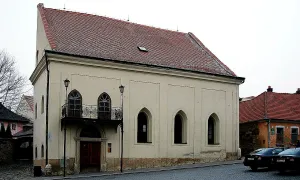
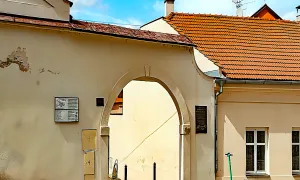
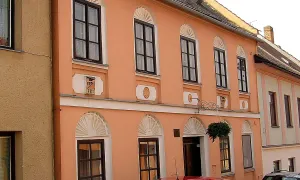
Photos from the area
Real photos taken near the monument


Zdroj a licence jsou uvedeny u každého snímku.
Atmosphere of the place
This atmospheric visualisation of the place and period was generated by artificial intelligence. It is not real footage of the location.
Tips from visitors
No tips yet. Be the first!
Log in and add your tip.
Sources and literature
Photos: Jiří Komárek / CC BY-SA 4.0, rozlišení zvýšeno umělou inteligencí — Wikimedia Commons. The author and licence also appear when you hover over the image.
Faktickým podkladem tohoto textu byl článek na Wikipedii, jehož autory jsou přispěvatelé Wikipedie. Článek je dostupný pod licencí CC BY-SA 4.0.
Location on the map
Příběhy a pověsti
Legendy, pověsti a příběhy spjaté s touto památkou
Fotografie návštěvníků
Zatím žádné fotografie. Buďte první, kdo přidá fotografii z návštěvy!
Log in a přidejte svou fotografii nebo hodnoťte.
Za ověřenou návštěvu v aplikaci získáte víc bodů — poznáme podle GPS, že jste na místě.
Reviews and comments