



Piruchtův mlýn Water mill
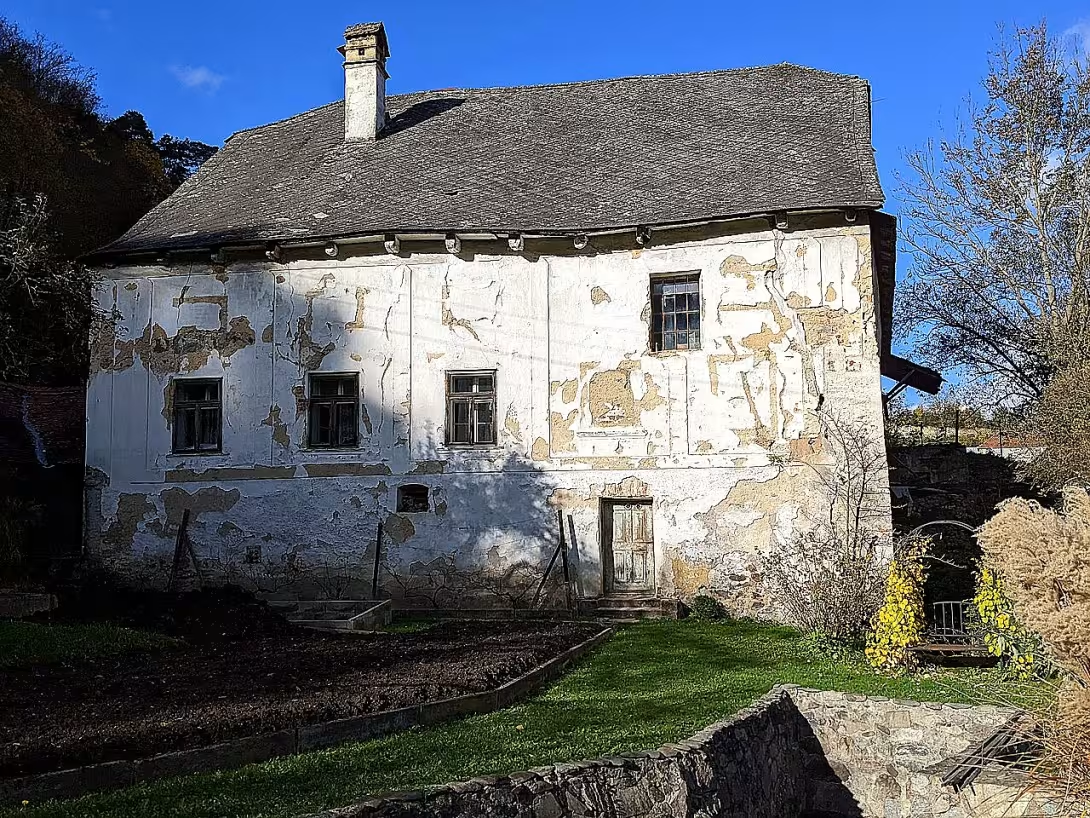
Pirocht Mill in Boskovice is a Renaissance water mill found in the eastern part of the Pile Valley on the river Bělé. This real-estate cultural monument of the Czech Republic is one of the most preserved objects of its kind in the region. She kept the authentic mill technology and the original living quarters.
Few direct reports about the oldest history of the mill have been preserved, but its Renaissance origin is evidenced by the layout of the building. The first reliable historical record of the existence of the construction dates from 1764 to 1768, when it was drawn on the map of the first military mapping.
The building has a rectangular plan and is built from a mixed stone brick wall. The floor residential area has a tritraction layout with a central hall on both floors. The ground floor hall is encapsulated with a vaults and accessible directly from the yard, there is a wooden staircase to the floor, which is situated on the floor. The remains of black kitchens were preserved on both floors. The facade of the object is smooth and divided by the lizene frame. The saddle roof shall be worn by a lambstone crover with a standing stool; the original shindle is located under the current eternite cover. From the north side of the building lies a short transverse wing designed for a water-jet, the ground floor of which is partially embedded in the field.
The mill has been part of the Boskovické cascade in the past. The three-kilometer section of the river Belé included five mills and two water saws. Pirocht Mill is today the only preserved object from this system in almost intact form. The separate mill part, accessible from the south, is single-track and divided into three levels of floors. Inside there is a set of historical technological elements such as transmissions, pulleys, gears, cylindrical stools, peeling, lifts, conveyors, pocket lift, bag footbridge and scrap. The technical equipment also includes the upper-water waterwheel torso and diesel engine produced by Breitfeld, Daněk and spol. in Blansko.
Pirocht Mill is a valuable document of historical milling and technical construction, which allows you to see the way in which the previous centuries have been run. Visiting this place in the Pilsen Valley offers a unique opportunity to recognize the authentic preserved technology in its original environment.
Then and now
Drag the slider to compare how the landmark may have looked when it was built with the view today.
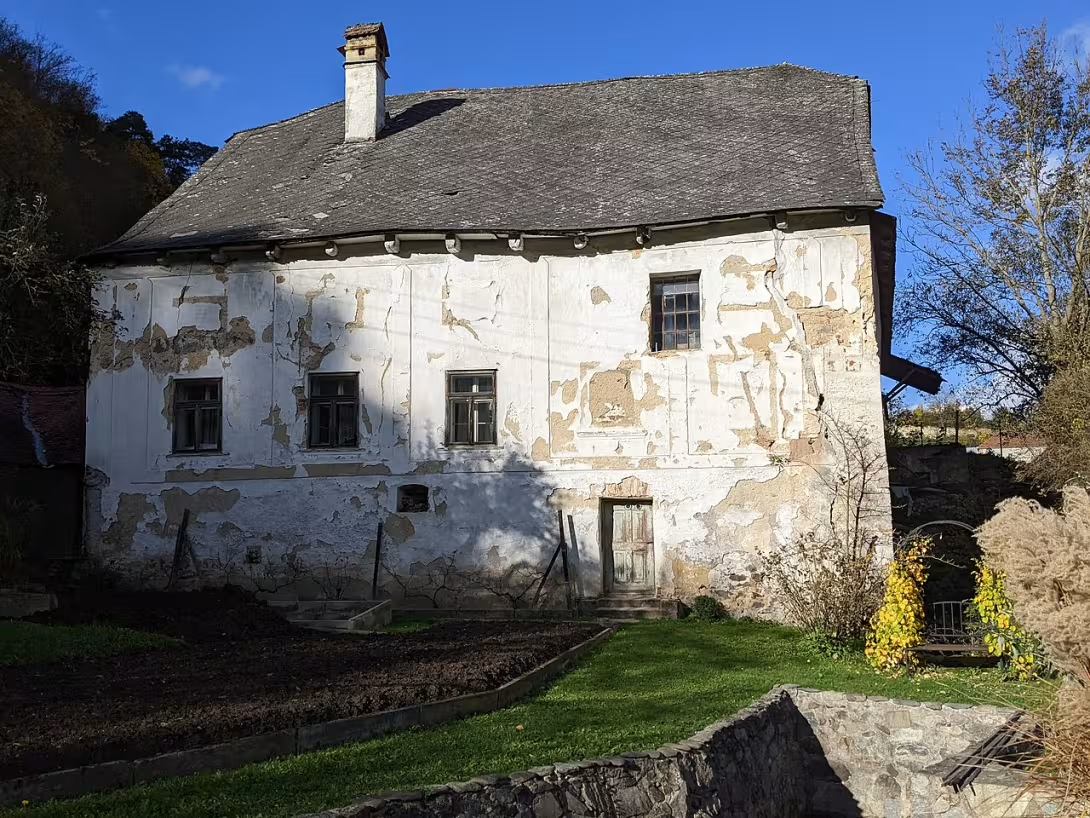

The historical appearance on the left is an AI-generated visualisation and serves as inspiration only.
Historical milestones
- Around 1550
- Estimated construction in Renaissance style.
- 1764-1768
- First documented mention of the mill on the map of the first military mapping.
- 19th Century
- Installation of technological equipment including diesel engine.
- 20th century
- The closure of the mill and the preservation of the building as a cultural monument.
Architectural development
The original Renaissance building was built from a mixed stone-brick wall. The object has a rectangular floor plan with a storey living area and a connecting cross wing for a waterjet. The roof is covered with eternity, under which the original shindle was preserved.
Historical events
1764-1768: First documented enchantment of the mill on map 1. military mapping.
Points of interest
- Pirocht Mill is a Renaissance water mill, which belongs to the most preserved objects of its kind in the region thanks to the preservation of authentic technology and original living space. - The first reliable historical record of the existence of the construction dates from 1764 to 1768 when it was drawn on the map of the first military mapping. - The building has a rectangular floor plan, a mixed stone-brick wall and under the current etternite roof cover is the original shindle. - In the past, the mill was part of the Boskovická cascade comprising five mills and two water saws, and Pirocht's mill is now the only preserved object of this system in almost intact form. - The technical equipment of the mill includes a set of historical elements such as transmissions, cylindrical stools, peeling machine, scrapping machine, top water waterbike and diesel engine from Blansko.
Guide
Show guide text
This text was created by artificial intelligence and has not been editorially reviewed. It may contain inaccuracies.
Welcome to Boskovice, a quiet and quiet corner called the Pilsen Valley. Stop for a moment, take a breath and feel the surrounding nature. Right now, you're facing one of the most important technical testimonies in this area, the Pirocht Mill. Look at the structure in front of you. You see a brick building in front of you with a distinctive saddle roof that tells the story of many centuries. It is a place where the power of water, human labour and the need to feed the local population has joined together. Feel the atmosphere of this place where the river Belá continues to flow in its course and reminds us of the time when water was the main source of energy for the whole human world.
Now let's look together at how this place came to be. The Pirocht Mill is not just an ordinary building, it is a monument to Renaissance origin. It is assumed that his foundations were laid around a thousand and five hundred and fifty. So imagine what events took place here when the construction was new and Renaissance architecture and thought ruled the surrounding area. The mill was not only a technical facility at the time, but the center of social life. This is where people from around here came in with their cereals, they met here, they exchanged news, and the miller was one of the most respected but mysterious characters in the community.
Now, when you look around, you realize this mill wasn't lonely in the landscape. He was part of a fascinating system called the Boskovická cascade. Think of it as a series of mills along the flow of water, where water from one mill flowed into the other, and so every drop of energy offered by the river Belá was used. Pirocht Mill is located in the eastern part of the valley and was an important link to this chain. Although this system of mills is now extinct, it is this building before you that serves as living proof of how effectively our ancestors managed to work with nature.
Now pay attention to the architecture itself. Look at the walls of the building. It's a sturdy walled structure that was designed to withstand the moisture of the river and the pressure of heavy machinery inside. Note the saddle roof, which is typical of its simplicity and functionality. Although the building may have changed slightly over the centuries, it has retained its authentic face. If you look closer at the facade and the overall available, you will see that this was not a spectacular palace, but a practical working space connected to the living.
Now, if we could enter in in spirit, the real treasures await us. Pirocht Mill is one of the most preserved objects of its kind in the whole region. Why? Because he kept authentic mill technology in the bowels of the building. Imagine the sound of spinning wheels, dust from ground grain in the air and the rhythmic beating of machines. In addition to the technical part, the living space is preserved here, which will carry us back to a long time ago. Especially fascinating are the so-called black cuisine. It was a room where it was cooked on an open fire and smoke slowly escaped through walls or roof, thereby naturally preserving the space. It is a fascinating contrast to today's modern cuisine and a reminder of how demanding and physically exhausting daily housekeeping in the milling families was.
Although we don't know the names of the particular architects who designed this mill, or the personalities who worked here, we can follow through history. The first reliable record of the existence of this place dates from a thousand seven hundred sixty-four to a thousand seven hundred sixty-eight. At that time, the mill was drawn into a map of the first military mapping. Imagine that by that time the mill had stood in the landscape for more than two centuries and was a stable point in maps of strategic importance.
But, as the years passed, the world was changing, and so was technology. In the nineteenth century, Pirocht's mill experienced a fundamental transformation. A diesel engine was installed for traditional water propulsion. That was a huge leap forward. The miller was no longer fully dependent only on the surface of the river Belé and its flow. The diesel engine brought reliability and higher performance, allowing the mill to survive in competition with the large industrial mills that began to emerge in cities. This detail shows us how the old Renaissance building adapted to new times and technological progress.
But the twentieth century brought an end to the era of small craft mills. The operation of the Pirocht Mill was eventually completed, but instead of being demolished or forgotten, it was preserved as a cultural monument. It's because they realized the value of this place and decided to protect its authenticity. That's why today you can stand in front of this building and feel its history.
You may be interested in what lies the greatest secret of this place. It's in his incredible preservation. While many other mills in the Boskovická cascade disappeared or were rebuilt into unrecognizability, Pirocht's mill remained faithful to its roots. It's like a time capsule that allows us to see the world where the rhythm of the day was determined by water and grinding grain was the basis of the survival of the entire community. When you look at the building, try to imagine the contrast between the silence of today's valley and the noise that existed here when the mill worked to fill up.
Now that you know the story of Pirocht's Mill, I suggest you bypass it and perceive its involvement in the landscape from different angles. Take a look at how the building comes to the river Belé and how it is inserted into the green of the Pilsen Valley. Feel the texture of the walls and the simplicity of the roof, which has protected internal mechanisms and human lives for more than 400 years.
Pirocht Mill is a silent witness to history, teaching us patience and respect for the craft. This is where the Renaissance meets the industrial revolution and where nature still plays a major role. I hope this short trip to the past has helped you better understand the importance of this technical monument.
I wish you a pleasant further walk Boskovicemi and their beautiful surroundings. Let yourself be inspired by the mysterious corners of the Piles Valley and discover the other traces of history that this landscape holds within you. Thank you for your attention and goodbye.
Tips for visitors
The best time to visit is in the morning during the working week or in the early afternoon hours of the weekend when the Pilsner Valley has a quieter atmosphere and light better depicts the Renaissance details of the mill facade.
You can easily reach the monument by car or walking from the centre of Boskovice.
It is ideal for photographers to take advantage of the morning clock when the sun shines through the trees in the Pilsner Valley and creates interesting shadows on the wall structure of the mill. Don't forget to wear fixed shoes suitable for movement in the natural terrain around the watercourse.
In the vicinity of the mill you can explore the picturesque Pilska Valley, which offers relaxation at the river Bělé, or take a longer walk to the historic heart of Boskovice, where the atmosphere of the past centuries breathes upon you.
We recommend families with children to join a visit to the mill with a walk in the valley where children can observe the river Bělou and discover the technical attractions of the historical building in the natural environment.
Frequently asked questions
Can the monument be visited?
This is a technical monument. Some are open as exhibitions, others are out of use or on private land. We have not verified whether this one is accessible.
What are the opening hours and admission?
We have not verified the opening hours or admission. Current information is published by the operator.
Where is the monument?
Location: Boskovice, Jihomoravský kraj. The map on this page shows the exact spot.
Why is the monument protected?
It is listed in the Central List of Cultural Monuments of the Czech Republic as a cultural monument (register no. 1679498490).
Businesses nearby
Do you run a restaurant, accommodation, shop, museum, rental, wellness or other visitor service near this monument? Show yourself directly to the people heading to it — this is how they will see you in the app and on the web:
Events nearby

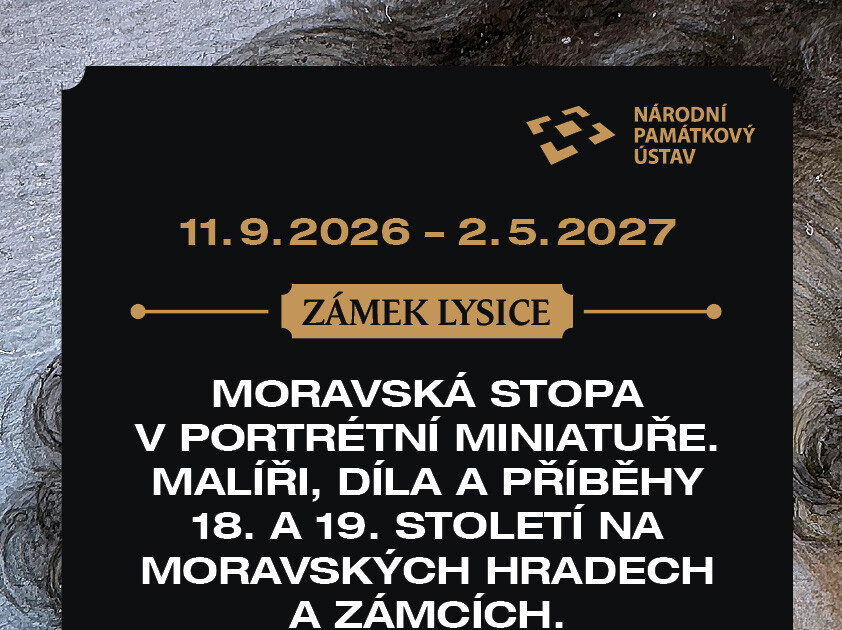


Zdroj akcí: otevřená data měst a obcí ČR (Národní katalog otevřených dat) a kalendář akcí Národního památkového ústavu.
Nearby
Pilsen Valley, the river Bela, the city of Boskovice.
Accommodation nearby
Themed route
Thematic cruise route around Pirucht Mill
1. Piruchtův mlýn (mill) Start your journey at Pirucht Mill itself, which is not only a historical monument, but also an example of the classic rural industry. The mill boasts a rich history and is worth a visit to those interested in the techniques of past times and the architecture of mill buildings.
2. Pilean Valley (natural area) After visiting the Pirucht Mill, go to the Pilski Valley, which is a beautiful natural spa. This place offers quiet walks along the river Belá and is ideal for relaxation in nature. The valley is famous for its picturesque landscape views, which are particularly charming during spring or autumn.
3. River White (River) The following point of the route is the river Bělá, which flows in the Pil Valley brings peace and tranquility. Walking along the shores of this river are ideal for those looking for a place to relax or want to immerse themselves in the silence of rural nature. White is also a popular place for picnics and short swimwear.
4. City Boskovice (urban area) After visiting the Pilské valley, go to the center of Boskovice, which is famous for its rich history and architecture. The city offers diverse cultural activities, restaurants and shops, which is the ideal conclusion for your cruise route. Boskovice is also known for its historical houses and a wide range of cultural events.
This route allows you to know not only Piruchtův mlýn, but also the surrounding natural beauty and city attractions Boskovice.
Seasonal recommendations
In spring the mill will surround the awakening nature and the fresh greenery, which together with the fine spring light creates an optimistic atmosphere. It is recommended to dress in layers because the morning cold can still be felt. The best time to visit is in the morning hours, where peace and air are the cleanest.
The summer season brings rich green trees and intense sunlight, which will highlight the details of the building beautifully. Expect more visitors in the main season, so it is advisable to arrive first thing in the morning to avoid the biggest crowds and heat. Don't forget light clothing and plenty of fluids.
In autumn, the surroundings of the mill turn into golden and brown tones, while morning fog gives the place a mysterious touch. For walks are ideal afternoon hours, when the sun throws long shadows and the colour of leaves are the most distinctive. The practical recommendation is moisture-resistant footwear due to wet leaves and possible precipitation.
In winter, the monument works calmly and quietly, especially if it is covered by a layer of snow and freezing air. At this time, traffic is usually the lowest, which allows the perception of total silence.
Visualizations and artistic views


The visualisations are generated by artificial intelligence and serve as inspiration.
Photos from the area
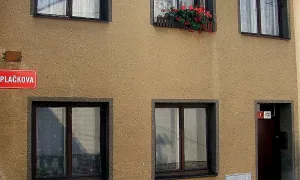
Real photos taken near the monument


Zdroj a licence jsou uvedeny u každého snímku.
Atmosphere of the place
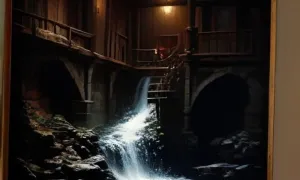
This atmospheric visualisation of the place and period was generated by artificial intelligence. It is not real footage of the location.
Tips from visitors
No tips yet. Be the first!
Log in and add your tip.
Sources and literature
Photos: MartinVeselka / CC BY-SA 4.0 — Wikimedia Commons. The author and licence also appear when you hover over the image.
Faktickým podkladem tohoto textu byl článek na Wikipedii, jehož autory jsou přispěvatelé Wikipedie. Článek je dostupný pod licencí CC BY-SA 4.0.
Location on the map

Příběhy a pověsti
Legendy, pověsti a příběhy spjaté s touto památkou
Fotografie návštěvníků
Zatím žádné fotografie. Buďte první, kdo přidá fotografii z návštěvy!
Log in a přidejte svou fotografii nebo hodnoťte.
Za ověřenou návštěvu v aplikaci získáte víc bodů — poznáme podle GPS, že jste na místě.
Reviews and comments