



Konvent oblátů v České Kamenici Monastery
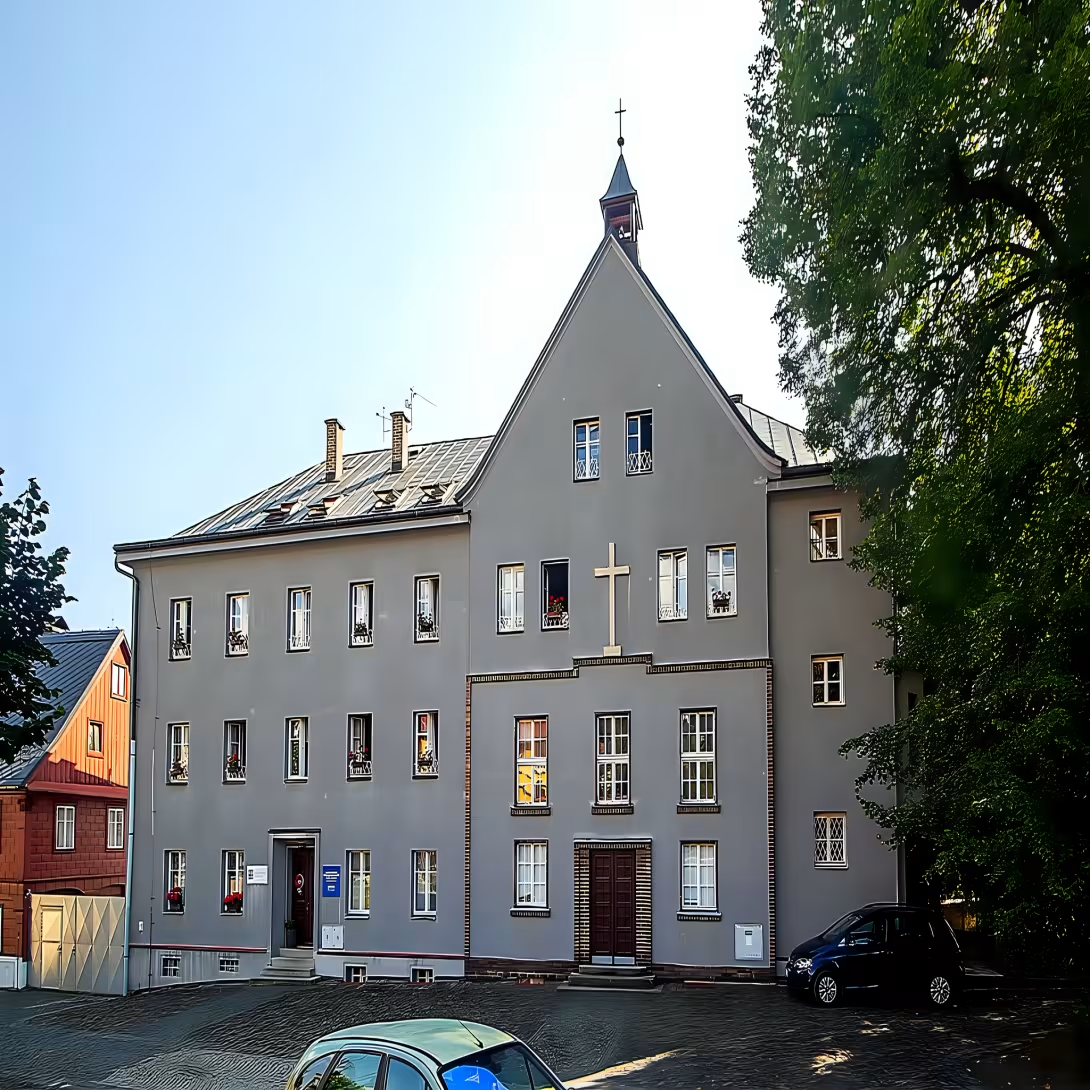
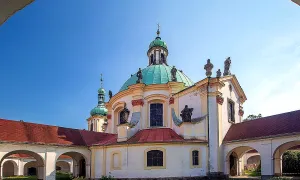
The Oblate Convent in Česká Kamenice is a historical site that briefly existed from 1923 to 1925 near a pilgrimage chapel dedicated to the Nativity of the Virgin Mary. Located in the town of Česká Kamenice, within the Děčín district, this convent represents an intriguing chapter in Czechoslovakia's interwar religious history. Although its existence was short-lived, it reflects broader social and spiritual dynamics during a time when the country was establishing its identity following independence from Austria-Hungary.
The origin of the Oblate Convent is rooted in the early 20th century, a period marked by significant political and cultural shifts in Czechoslovakia. In 1923, an initiative led to the establishment of this convent at a pilgrimage chapel in Česká Kamenice. The project was driven by the desire to create a new Oblate community dedicated to the Nativity of the Virgin Mary. This effort was part of broader movements across Europe seeking to redefine religious and communal life amidst changing political landscapes.
Despite securing a building for this purpose, the convent's establishment faced challenges from the outset. By 1925, only two years after its inception, the Oblates had definitively left Česká Kamenice. The reasons behind their departure are not detailed in historical records, but it underscores the difficulties of sustaining new religious communities during a period of significant social transformation.
Today, the site where the Oblate Convent once stood serves as a reminder of this brief yet notable attempt to establish a religious community in interwar Czechoslovakia. While there is no surviving structure from that time, the location remains accessible and offers insight into the historical context of its era. Visitors interested in exploring the spiritual and social history of the region may find it worthwhile to visit Česká Kamenice and reflect on this unique chapter in its past.
The Oblate Convent's story is a testament to the dynamic interplay between religion, society, and politics during a pivotal time in Czechoslovakia's history. Its brief existence highlights both the aspirations and challenges faced by those seeking to create new forms of community life in the aftermath of World War I. As such, it holds historical significance for understanding the broader trends of religious and social change during the interwar period.
For those interested in exploring the rich tapestry of Czechoslovakia's history, a visit to Česká Kamenice offers an opportunity to connect with this intriguing piece of the past. The site invites reflection on the complexities of establishing new communities amidst broader societal shifts, making it a meaningful destination for anyone curious about the interwar period and its impact on religious life in the region.
Then and now
Drag the slider to compare how the landmark may have looked when it was built with the view today.
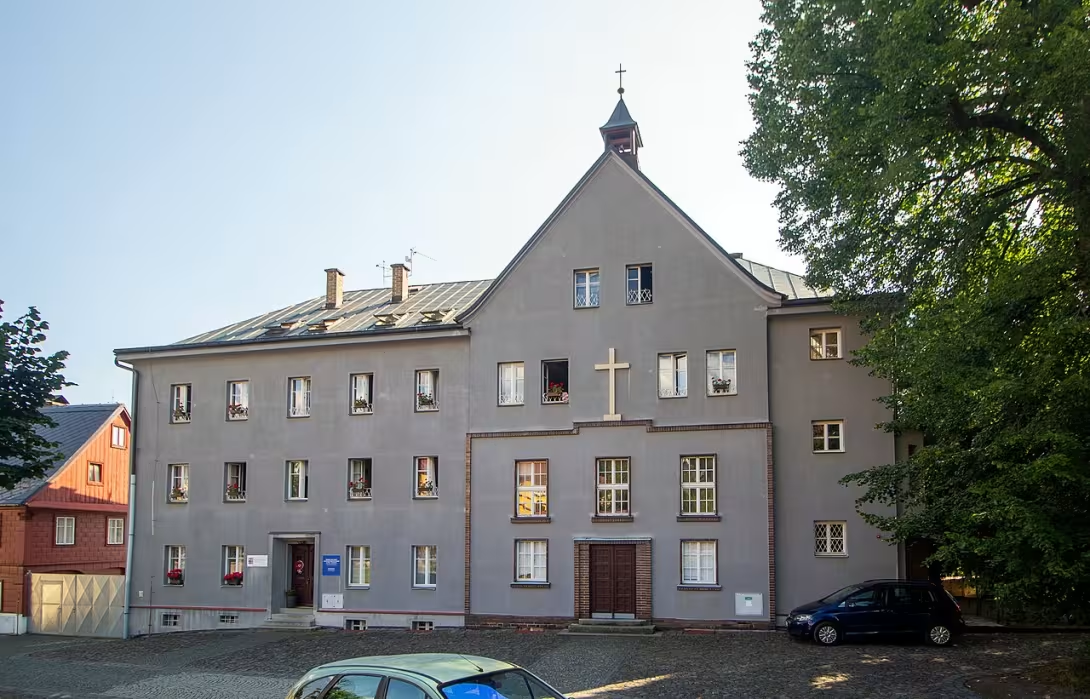

The historical appearance on the left is an AI-generated visualisation and serves as inspiration only.
Historical milestones
- 1923
- An attempt was made to establish an Oblate convent at a pilgrimage chapel in Česká Kamenice.
- 1925
- The Oblates definitively left Česká Kamenice.
Historical events
In 1923, an attempt was made to establish an Oblate convent at a pilgrimage chapel in Česká Kamenice.
By 1925, the Oblates had definitively left Česká Kamenice.
Guide
This guide is narrated by a synthetic voice generated by artificial intelligence.
Show guide text
This text was created by artificial intelligence and has not been editorially reviewed. It may contain inaccuracies.
The convent of the Oblates existed in Česká Kamenice only briefly, from 1923 to 1925. It was an attempt to establish an Oblate convent of the Birth of the Virgin Mary at the pilgrimage chapel of the Birth of the Virgin Mary located there.
The entire project was directed from Varnsdorf and began to be implemented in 1923. A building was successfully obtained for the new convent, but the attempt ultimately failed. Already in 1925, the Oblates permanently left Česká Kamenice.
Tips for visitors
The best time to visit the Oblate Convent in Česká Kamenice is during late spring or early autumn when the weather is mild, and the surrounding landscape is particularly beautiful with blooming flowers or colorful foliage. These seasons offer comfortable temperatures for exploring the area on foot and enjoying outdoor activities nearby.
Public transport options may include buses that connect major towns in the region; however, verify current routes and schedules through a reliable travel app or website.
When visiting, consider bringing comfortable walking shoes as you might want to explore the area around the convent, including its proximity to the pilgrimage chapel. A camera is recommended for capturing the serene architecture of the convent and the picturesque landscape. Sunscreen and water are also advisable due to potential exposure during outdoor activities.
For photography enthusiasts, early morning or late afternoon provides the best natural light for capturing the convent's architectural details and the surrounding scenery. The area around the chapel offers excellent vantage points with softer lighting conditions that enhance photos of the structure against the landscape.
Nearby attractions within a 30-minute drive include other historical sites and nature trails in the region, offering opportunities to explore more of Česká Kamenice's cultural heritage and natural beauty. These locations are perfect for extending your visit and experiencing the local environment.
Frequently asked questions
Can the monument be visited?
Religious buildings are usually open mainly during services; at other times a visit is normally arranged with the parish or the operator. We have not verified specific times.
Where is the monument?
Location: Česká Kamenice, Ústecký kraj. The map on this page shows the exact spot.
Businesses nearby
Do you run a restaurant, accommodation, shop, museum, rental, wellness or other visitor service near this monument? Show yourself directly to the people heading to it — this is how they will see you in the app and on the web:
Accommodation nearby
Themed route
Tematická výletní trasa: Konvent oblátů v České Kamenici
1. Konvent oblátů v České Kamenici (klášter) - Typ: Historická památka, klášterní komplex - Proč stojí za návštěvu: Tento konvent je jedním z nejstarších a nejlépe zachovaných barokních klášterů v České republice. Jeho historie sahá do 13. století, kdy byl založen řádem oblátů. Významnou částí komplexu je i krásně zdobená barokní kaple a klášterní knihovna s bohatým fondu starých tisků.
2. Kostel svatého Jiljí - Typ: Kostel, náboženská památka - Proč stojí za návštěvu: Tento kostel je jedním z nejstarších sakrálních objektů v České Kamenici. Jeho gotický interiér a historie, která sahá do 13. století, přitahují návštěvníky zájemci o duchovní i architektonickou minulost města.
3. Staré náměstí - Typ: Historické náměstí - Proč stojí za návštěvu: Staré náměstí je srdcem České Kamenice, kde se nachází mnoho historických budov a památek. Je to místo plné atmosféry starodávného města, kde lze prozkoumat architektonický bohatství období od gotiky po barok.
4. Městské muzeum v České Kamenici - Typ: Muzeum - Proč stojí za návštěvu: Toto muzeum nabízí cenný přehled o historii a kultuře města. Vystavuje různé exponáty, které dokumentují život v České Kamenici od středověku po současnost, což poskytuje hlubší porozumění regionálním tradicím a dějinám.
5. Památník oblátům - Typ: Památník - Proč stojí za návštěvu: Tento památník je věnován oblátům, kteří zde žili a pracovali. Je to místo pro vzpomínku na duchovní odkaz řádu oblátů a jejich přínos pro místní komunitu a historii.
Tato trasa nabízí návštěvníkům možnost se ponořit do bohaté historie a kultury České Kamenice, od hlavního klášterního komplexu přes kostel a městské památky po muzeum a památník.
Seasonal recommendations
Spring: Visiting the Premonstratensian Monastery in Česká Kamenice during spring offers a unique experience as nature begins to awaken. The monastery grounds are adorned with blooming flowers and lush greenery, creating an enchanting atmosphere that enhances the historical charm of the site. This season is ideal for photography enthusiasts who wish to capture vibrant landscapes against the backdrop of ancient architecture. Visitors should be prepared for occasional rain showers, so wearing waterproof clothing or carrying an umbrella is advisable. The weather can be unpredictable, with mild temperatures, making layered clothing a practical choice. Spring tends to attract fewer tourists compared to summer, allowing for a more serene exploration.
Summer: Summer at the Premonstratensian Monastery in Česká Kamenice is vibrant and lively, characterized by long daylight hours that provide ample time to explore the site thoroughly. The warm weather invites visitors to enjoy outdoor activities around the monastery's grounds, such as picnicking or leisurely walks through surrounding nature trails. This season often sees a higher influx of tourists due to its popularity among travelers seeking cultural experiences in pleasant weather. To avoid crowds, it is recommended to arrive early in the morning. Comfortable walking shoes and light clothing are essential for navigating the site comfortably during the warmer months.
Autumn: Autumn brings a distinct charm to the Premonstratensian Monastery with its rich tapestry of colors as leaves turn golden and red. The cooler temperatures create a cozy ambiance perfect for leisurely strolls through the monastery’s historic pathways, where visitors can appreciate the serene beauty of nature in transition. This season is ideal for those who enjoy quieter visits, as it tends to attract fewer tourists than summer. Layered clothing is recommended due to the variable weather, which can range from crisp and sunny days to cooler, overcast conditions. The changing foliage provides a picturesque setting that complements the architectural beauty of the monastery.
Winter: Winter at the Premonstratensian Monastery offers a unique perspective on its historic architecture, often shrouded in a blanket of snow or glistening with frost. This season transforms the site into a serene and almost mystical landscape, providing an atmospheric backdrop that is both tranquil and captivating. While some parts of the monastery might be less accessible due to weather conditions, the winter scenery adds a special charm for those who appreciate quiet reflection amidst nature's beauty. Visitors should dress warmly in layers and wear sturdy boots suitable for potentially icy paths. The shorter daylight hours mean planning your visit during midday when there is more natural light available. Winter also tends to have fewer visitors, offering a peaceful experience away from the summer crowds.
Visualizations and artistic views


The visualisations are generated by artificial intelligence and serve as inspiration.
Tips from visitors
No tips yet. Be the first!
Log in and add your tip.
Sources and literature
Photos: VitVit / CC BY-SA 4.0, rozlišení zvýšeno umělou inteligencí — Wikimedia Commons. The author and licence also appear when you hover over the image.


Příběhy a pověsti
Legendy, pověsti a příběhy spjaté s touto památkou
Fotografie návštěvníků
Zatím žádné fotografie. Buďte první, kdo přidá fotografii z návštěvy!
Log in a přidejte svou fotografii nebo hodnoťte.
Za ověřenou návštěvu v aplikaci získáte víc bodů — poznáme podle GPS, že jste na místě.
Reviews and comments