






kostel Husova sboru Církve československé husitské v Doubravě Church
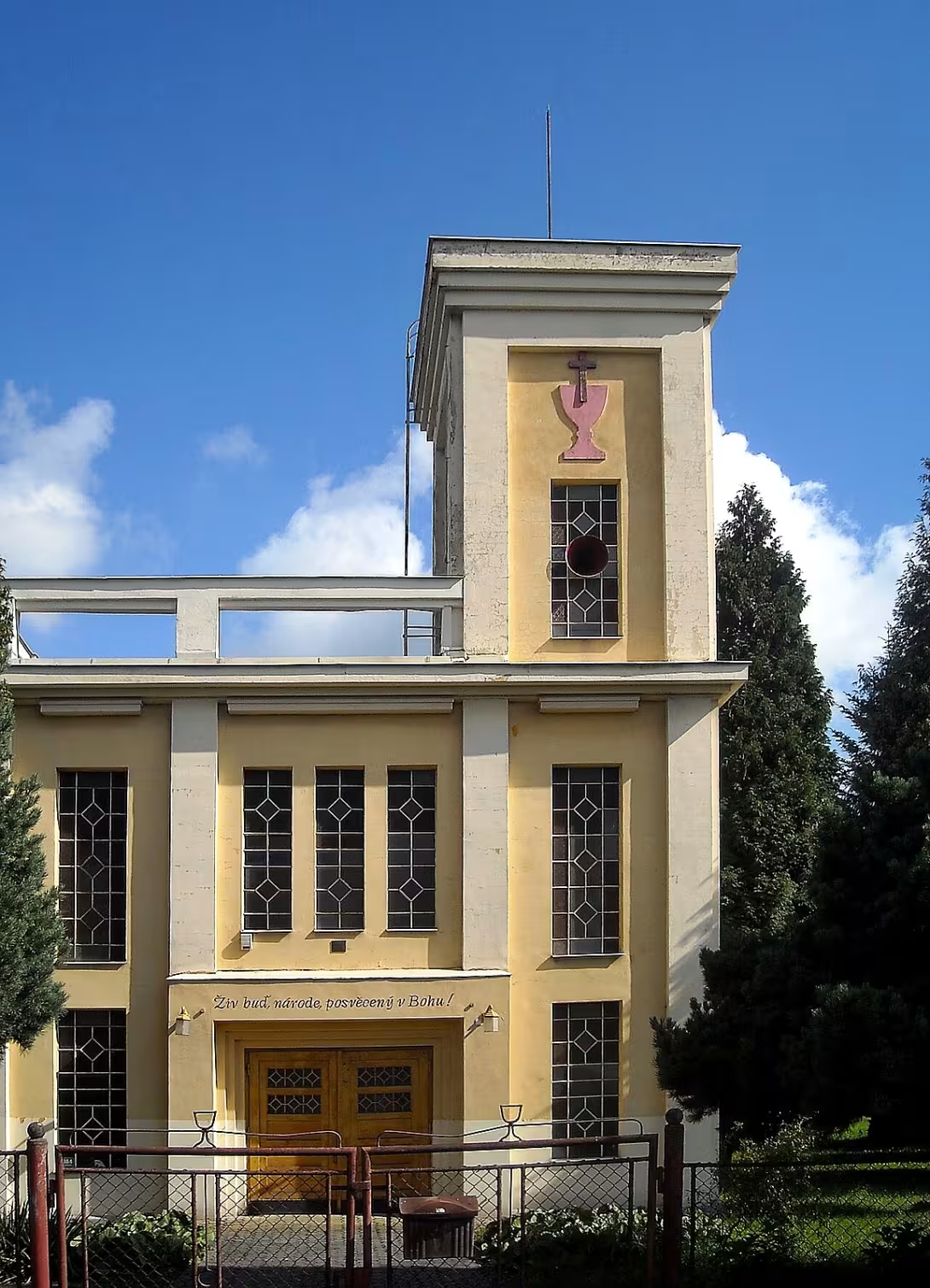
The Church of the Husite Congregation in Doubrava is a notable historical monument located in the village of Doubrava, within the Karviná District of Moravskoslezský kraj, Czech Republic. Constructed in 1928 and declared a cultural heritage site in 2001, this church exemplifies Hussite tradition and modernist architectural innovation. It plays a significant role in the religious life of the local community and features distinctive design elements reflecting early 20th-century trends.
The origins of the Church trace back to 1921 when the Czechoslovak Hussite Church (CČSH) was established in Doubrava. Initially, services were held in a municipal school until construction began with the laying of its foundation stone on April 29, 1928. The church officially opened on November 4, 1928, by Bishop Ferdinand Stibor, marking an important milestone for the local Hussite community. This period saw a cultural and religious revival in Czechoslovakia, where movements like the Hussite Church sought to reconnect with historical traditions amidst significant architectural experimentation across Europe.
Architecturally, the church is a modernist marvel designed as a single-nave, non-oriented building with a rectangular floor plan. It features reinforced concrete construction with a flat roof and a pyramidal tower on its south corner. Geometrically arranged colored glass windows set in metal frames contribute to the unique atmosphere within. In 1966, the church underwent interior renovations and was fully reconstructed and reopened on October 25, 1998.
Throughout its history, the Church has been managed by the religious community of Orlová-Doubrava under the vicariate of Ostrava in the Olomoucká diecéze. The architectural vision was realized through the efforts of local builder Čeněk Volný, who played a crucial role in its construction and subsequent renovations.
The church is significant not only for its religious function but also as part of the Doubrava Educational Trail. An informative panel dedicated to the church and Jan Hus is located along this trail, offering visitors insights into local history and culture. The surrounding landscape within a 5 km radius adds to the site's appeal, making it a worthwhile destination for those interested in both religious heritage and architectural beauty.
Today, the Church of the Husite Congregation remains an accessible cultural landmark that continues to serve its community while attracting visitors from afar. Its historical significance, coupled with its modernist design, makes it a compelling site worth exploring. Visitors are invited to experience this unique blend of history and architecture, reflecting on its enduring legacy in Czech religious and cultural life.
Then and now
Drag the slider to compare how the landmark may have looked when it was built with the view today.
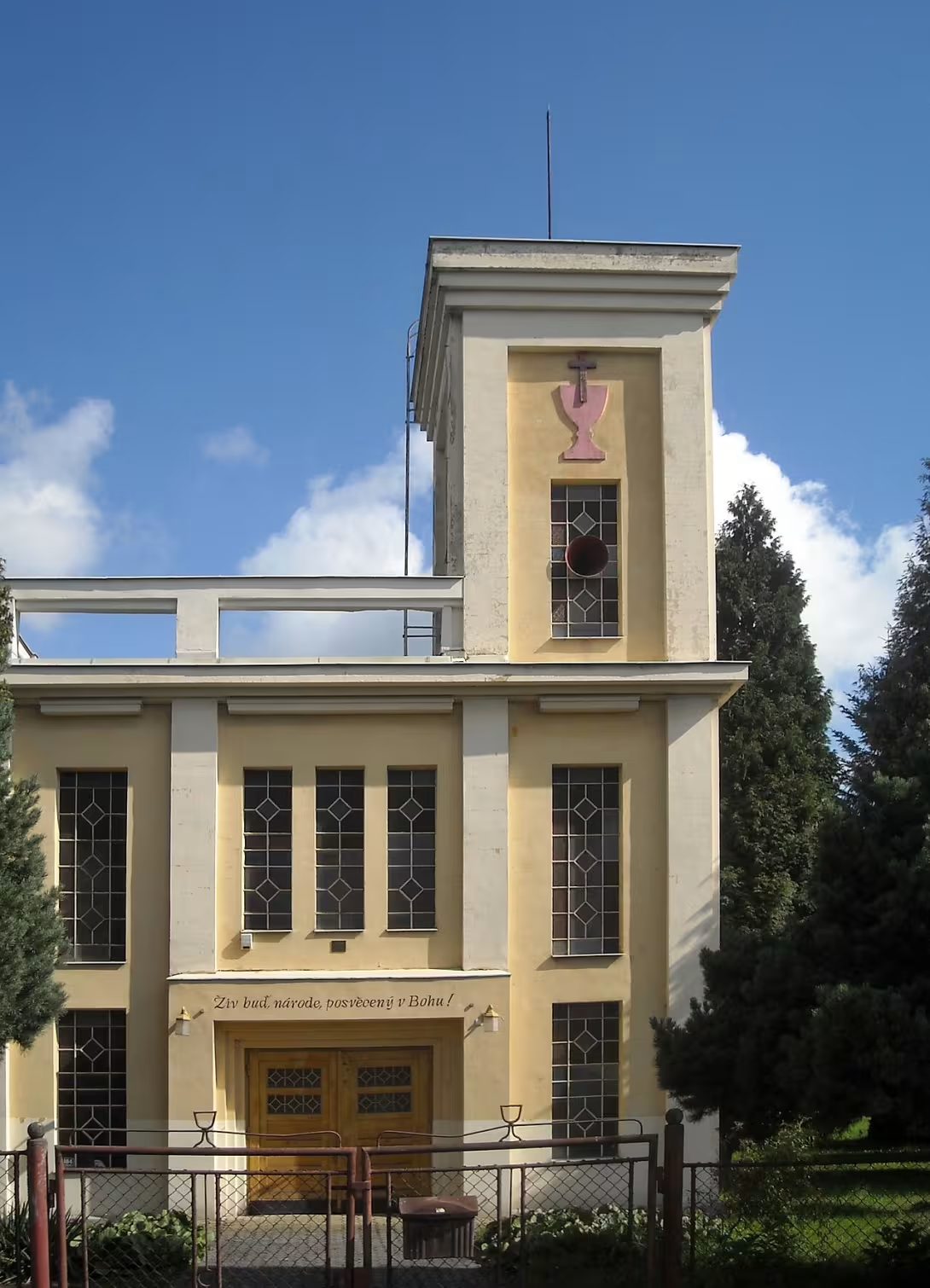

The historical appearance on the left is an AI-generated visualisation and serves as inspiration only.
Historical milestones
- 1921
- Establishment of the Czechoslovak Hussite Church (CČSH) in Doubrava.
- 1928
- Foundation stone laid and church officially opened by Bishop Ferdinand Stibor.
- 1966
- Interior renovations were carried out.
- 1998
- Reconstruction completed and church reopened.
Architectural development
The Church of the Husite Congregation in Doubrava was designed as a single-nave, non-oriented building with a rectangular floor plan. Its reinforced concrete structure features a flat roof and is accentuated by a pyramidal tower on the south corner. The church underwent interior renovations in 1966 and a full reconstruction in 1998.
Historical events
1921: Establishment of the Czechoslovak Hussite Church (CČSH) in Doubrava.
1928: Foundation stone laid on April 29, with official opening on November 4 by Bishop Ferdinand Stibor.
1998: Reconstruction completed and church reopened on October 25.
Points of interest
- The Church of the Husite Congregation was initially constructed using a reinforced concrete method, which was quite innovative for religious buildings in 1928 and reflected broader architectural trends in Europe at the time.
- A distinctive feature of the church is its geometrically arranged colored glass windows set in metal frames, contributing to a unique atmosphere that merges modernist architecture with spiritual ambiance.
- The church underwent significant interior renovations in 1966, reflecting ongoing efforts to maintain and adapt the building for contemporary use while preserving its historical and architectural integrity.
- Architect Čeněk Volný was instrumental not only in constructing the church but also played a crucial role in its later renovations, demonstrating a long-term commitment to the preservation of this cultural monument.
- The Church is part of the Doubrava Educational Trail, which includes an informative panel dedicated to both the church and Jan Hus, providing visitors with insights into local history and culture within a picturesque landscape.
Guide
This guide is narrated by a synthetic voice generated by artificial intelligence.
Show guide text
This text was created by artificial intelligence and has not been editorially reviewed. It may contain inaccuracies.
Welcome to the Church of the Husite Congregation in Doubrava, a remarkable testament to modernist architecture with deep historical roots in the Hussite tradition. As you stand before this architectural gem, take a moment to soak in its unique atmosphere. Constructed from reinforced concrete, an innovative choice for religious buildings at that time, it features geometric windows that catch and play with light, creating an ethereal ambiance.
Let's delve into the history of this site. The Czechoslovak Hussite Church (CČSH) was established here in 1921, marking a significant moment in Doubrava’s spiritual landscape. By 1928, under the guidance of Bishop Ferdinand Stibor, the foundation stone was laid and the church officially opened its doors to the community. This period was marked by architectural experimentation across Europe, and this church is no exception with its modernist elements. Fast forward to 1966, when significant interior renovations were carried out, further enhancing its spiritual and aesthetic appeal. The reconstruction completed in 1998 ensured that this historical gem could continue to serve as a beacon of cultural heritage.
As you look around, notice the architectural finesse crafted by Čeněk Volný. His vision is evident in every detail, from the geometrically arranged columns to the play of light through the windows. These elements not only define the church’s aesthetic but also its spiritual atmosphere, inviting contemplation and reflection.
While exploring, it's intriguing to think about the stories that have unfolded within these walls since its inception. Though specific historical figures are not detailed here, the presence of Bishop Ferdinand Stibor during its opening ceremony connects this site to a broader narrative of religious and cultural identity in Czechoslovakia.
One fascinating aspect of this church is its construction method. In 1928, using reinforced concrete for a religious building was quite avant-garde, reflecting broader architectural trends sweeping through Europe at the time. This choice not only speaks to the innovative spirit of the era but also ensures the structure's longevity and resilience.
As we conclude our brief journey, I invite you to continue exploring this remarkable site in your own time. Each corner holds a story, each light pattern tells a tale. The Church of the Husite Congregation in Doubrava is not just an architectural marvel; it’s a living testament to history, faith, and innovation.
Thank you for joining me on this auditory exploration. May your visit be enriching and inspiring. Farewell!
Tips for visitors
The best time to visit the Church of the Husite Congregation in Doubrava is during late spring or early autumn when the weather is mild, making it ideal for exploring both the church and the surrounding natural landscape. These seasons offer pleasant temperatures that enhance your experience on the Doubrava Educational Trail, allowing you to comfortably absorb the historical insights and enjoy the scenic views without the discomfort of extreme heat or cold.
For those preferring public transport, there are routes that can bring you close to Doubrava. It’s recommended to verify the latest connections using a travel planner or local transportation websites to ensure smooth access to the church.
When visiting, consider bringing comfortable walking shoes as exploring the church and its surroundings on foot is part of the experience. A camera is also essential for capturing the unique modernist architecture of the church and the picturesque landscapes within the 5 km radius. Additionally, carrying a light jacket or sweater can be beneficial due to variable weather conditions.
Photography enthusiasts will find several spots around the Church of the Husite Congregation ideal for capturing its architectural beauty, especially during golden hours in the early morning or late afternoon when the light is soft and enhances the reinforced concrete structures. The surrounding landscape also offers diverse backdrops for photography, from natural features to historical elements along the Doubrava Educational Trail.
For families with children, the Church of the Husite Congregation and its surroundings provide a rich educational experience. Engage your children in learning about the Hussite tradition and local history through interactive exploration of the church and trail. Nearby, within a 30-minute drive, are natural features that offer opportunities for outdoor activities such as hiking or picnicking, making it an enjoyable day out for all ages.
Frequently asked questions
Can the monument be visited?
Religious buildings are usually open mainly during services; at other times a visit is normally arranged with the parish or the operator. We have not verified specific times.
Where is the monument?
Location: Doubrava, Moravskoslezský kraj. The map on this page shows the exact spot.
Why is the monument protected?
It is listed in the Central List of Cultural Monuments of the Czech Republic as a cultural monument (register no. 51202/8-4070).
Businesses nearby
Do you run a restaurant, accommodation, shop, museum, rental, wellness or other visitor service near this monument? Show yourself directly to the people heading to it — this is how they will see you in the app and on the web:
Events nearby
Zdroj akcí: otevřená data měst a obcí ČR (Národní katalog otevřených dat) a kalendář akcí Národního památkového ústavu.
Nearby
The church is part of the Doubrava Educational Trail, which offers insights into local history and culture. The surrounding landscape includes natural features within a 5 km radius.
Accommodation nearby
Themed route
Tematická výletní trasa: Doubrava Educational Trail
1. Kostel Husova sboru Církve československé husitské v Doubravě (Kostel) - Typ: Historická památka - Proč stojí za návštěvu: Tento kostel je klíčovým centrem pro pochopení duchovní a kulturní historie Doubravy. Jeho architektura a historie nabízejí bohaté zkušenosti o vlivu husitských tradic na místní komunitu.
2. Doubrava Educational Trail - Typ: Historická a kulturní trasa - Proč stojí za návštěvu: Tato trasa nabízí poutavé poznatky o historii a kultuře Doubravy. Procházka tímto okruhem vám umožní prozkoumat místní historické místa, která jsou propojena s hlavní památkou kostela.
3. Přírodní kraje kolem Doubravy - Typ: Přírodní zázemí - Proč stojí za návštěvu: V rámci 5 km okolních přírodních oblastí najdete krásné krajinné prvky, které dodávají cestě klid a pohled na přírodu. Tyto místa poskytují úlevu od městských rušivostí a nabízejí možnost prozkoumat lokalitu v klidném prostředí.
Tato trasa nabízí kombinaci historického poznání a přírodní krásy, což ji činí ideální pro ty, kteří chtějí objevit Doubravu v jejím plném rozsahu.
Seasonal recommendations
Jaro: In the spring, the Church of Hus's Congregation of the Czechoslovak Hussite Church in Doubrava is surrounded by blooming gardens that add freshness and color to the surroundings. Sunlight reflects off newly sprouting leaves, creating an inviting atmosphere for visitors. This is a great time to explore the surrounding forests and fields where early-season birds may appear. For visits during this period, it's recommended to wear clothing suitable for mild weather, as temperatures are moderate and mornings can be chilly. Visit the church early in the morning or late in the evening to avoid possible crowds of tourists who come around noon.
Summer: Summer offers long days and warm sunshine that illuminates the church with bright rays. The greenery is at its peak beauty, creating a lively and celebratory atmosphere. This time of year is particularly popular among visitors due to the pleasant temperatures ideal for extended walks in the surrounding landscape. However, it's important to visit the monument early in the morning or late in the evening to avoid the peak of summer tourism and overcrowded crowds. Wearing light clothing and embracing sun protection are key to a comfortable experience.
Autumn: Autumn brings a vibrant color spectacle to the Church of Hus's Congregation of the Czechoslovak Hussite Church in Doubrava, as tree leaves change colors to gold and red. The atmosphere is calm and mildly cool, offering ideal conditions for a relaxed visit without the heat of summer days. This time of year typically has fewer tourist crowds, meaning better access to the monument and its surroundings. Layered clothing that allows easy adjustment to changing temperatures throughout the day is recommended.
Winter: The winter season brings a quiet and serene atmosphere to the church in Doubrava, with the environment covered in snow or shrouded by cold clouds. Light from the moon or stars contributes to a magical feeling that visitors can admire. Winter is suitable for those seeking a more tranquil experience without large crowds. Visit the church in the morning or late evening for an optimal experience.
Visualizations and artistic views


The visualisations are generated by artificial intelligence and serve as inspiration.
Photos from the area
Real photos taken near the monument

Zdroj a licence jsou uvedeny u každého snímku.
Tips from visitors
No tips yet. Be the first!
Log in and add your tip.
Sources and literature
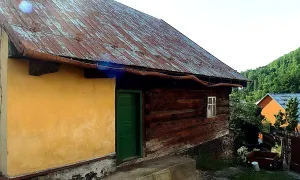
Photos: Lehotsky / CC BY-SA 3.0 — Wikimedia Commons. The author and licence also appear when you hover over the image.
Faktickým podkladem tohoto textu byl článek na Wikipedii, jehož autory jsou přispěvatelé Wikipedie. Článek je dostupný pod licencí CC BY-SA 4.0.
Location on the map
Příběhy a pověsti
Legendy, pověsti a příběhy spjaté s touto památkou
Fotografie návštěvníků
Zatím žádné fotografie. Buďte první, kdo přidá fotografii z návštěvy!
Log in a přidejte svou fotografii nebo hodnoťte.
Za ověřenou návštěvu v aplikaci získáte víc bodů — poznáme podle GPS, že jste na místě.
Reviews and comments