






Kostel Nalezení svatého Kříže (Litomyšl-Město) Church
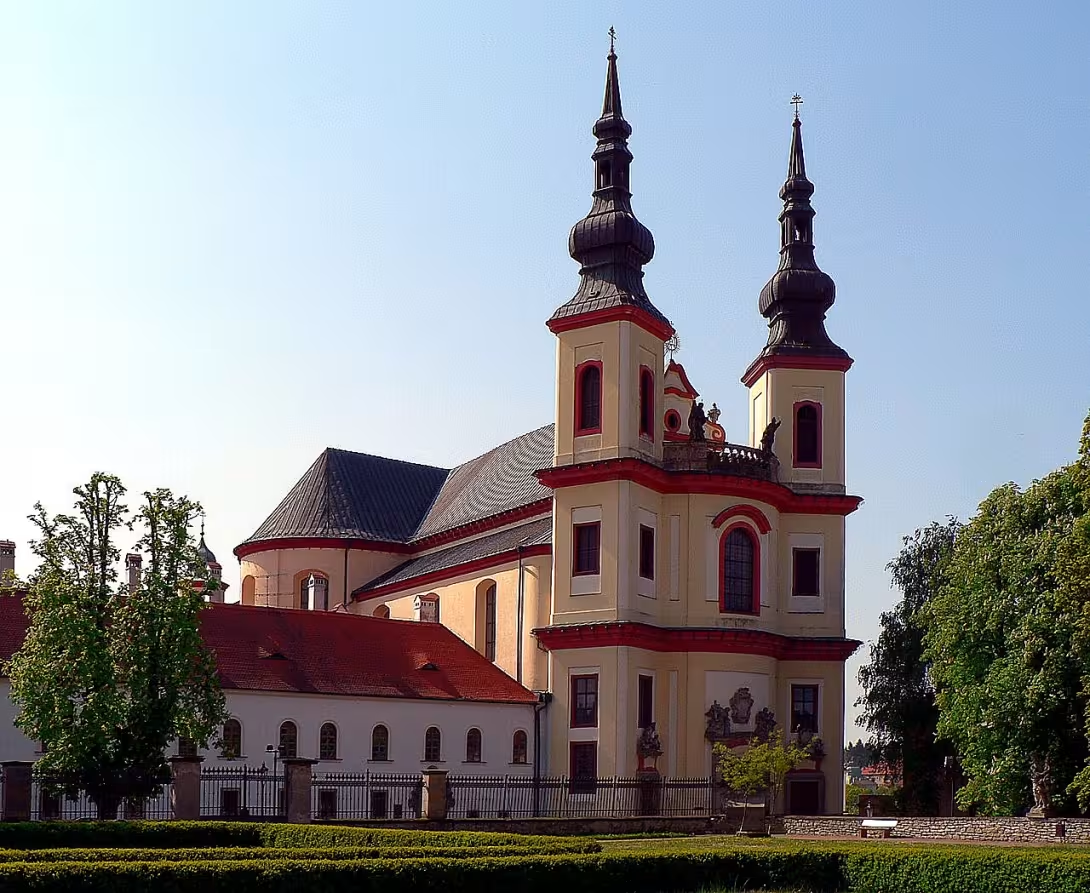
The Church of the Finding of the Holy Cross in Litomyšl is a baroque church located on a hill east of the town square. Designed by Italian architect Giovanni Battista Alliprandi and constructed between 1716 and 1726, it forms part of a larger complex that includes a college building and gardens known as Klášterní zahrady. The site has undergone several reconstructions due to fires and vandalism, reflecting its turbulent history. Currently managed by the Pardubice Heritage Institute, the church stands as a testament to baroque architecture in Bohemia.
The origins of this monument trace back to 1640 when Frebonie Eusebie z Pernštejna brought the Order of the Jesuits to Litomyšl, leading to the construction of a college and school. The church was built on the site of an earlier piarist church under the patronage of František Václav z Trauttmansdorffu. Initially serving as a place for religious services primarily for the Jesuits and their students, it experienced a significant shift in ownership to state control after the Jesuits were expelled from Litomyšl in 1948.
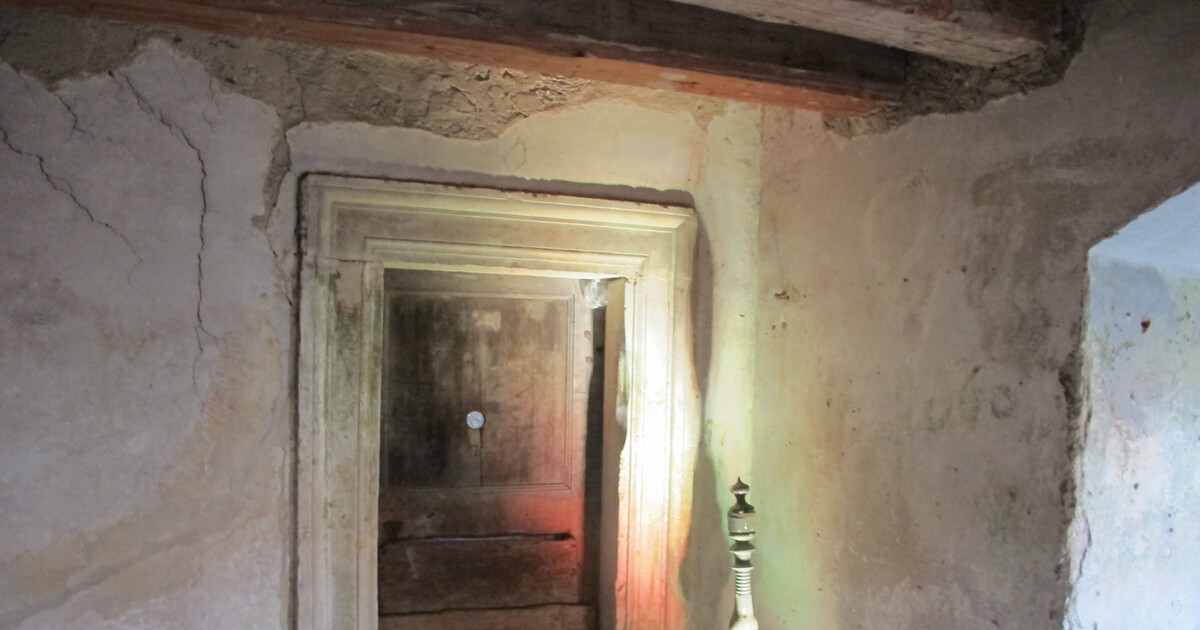
Architecturally, the church is noted for its baroque style, characterized by a single-nave layout with a Latin cross plan and semi-circular apse. The façade features two obliquely positioned three-story towers on square bases, adorned with intricate gables. A distinctive element includes a heavy cornice running across the entrance front, topped with a balustrade featuring sculptures and a triangular pediment bearing a sun nimbus. Inside, the church boasts vaulted ceilings over its nave and transepts, with a coffered ceiling above the crossing. The interior was renovated between 2010 and 2014, incorporating modern interpretations of historical architecture, including gray-painted walls that highlight the architectural space through lighting.
Ownership and administration of the church have seen dramatic changes over time. Initially owned by František Václav z Trauttmansdorffu during its construction, it later came under state ownership after the expulsion of the Jesuits in 1948. The Pardubice Heritage Institute currently manages the site, ensuring its preservation and accessibility to the public.
Key events in the church's history include its consecration in 1722 and significant damage from fires in 1735 and 1814. Vandalism in 1967 further challenged its integrity, leading to extensive restoration efforts. Notably, a minimalist balcony installed in the north transept offers visitors a unique view into the nave, enhancing the church's appeal as a historical site.
Today, the Church of the Finding of the Holy Cross is not only a place of worship but also a cultural landmark that attracts visitors interested in its rich history and architectural beauty. The complex surrounding the church, including the college building and gardens, offers panoramic views over Toulovcovo náměstí, Litomyšl Castle, and the former Jesuit college courtyard. Its accessibility and ongoing restoration efforts make it a worthwhile destination for those exploring Bohemian heritage.
The Church of the Finding of the Holy Cross in Litomyšl stands as a remarkable example of baroque architecture and historical resilience. Its storied past and architectural splendor invite visitors to explore its depths, offering insights into the cultural and religious history of the region. Whether you are an architecture enthusiast or simply curious about Bohemian heritage, this site promises a rewarding experience.
Then and now
Drag the slider to compare how the landmark may have looked when it was built with the view today.
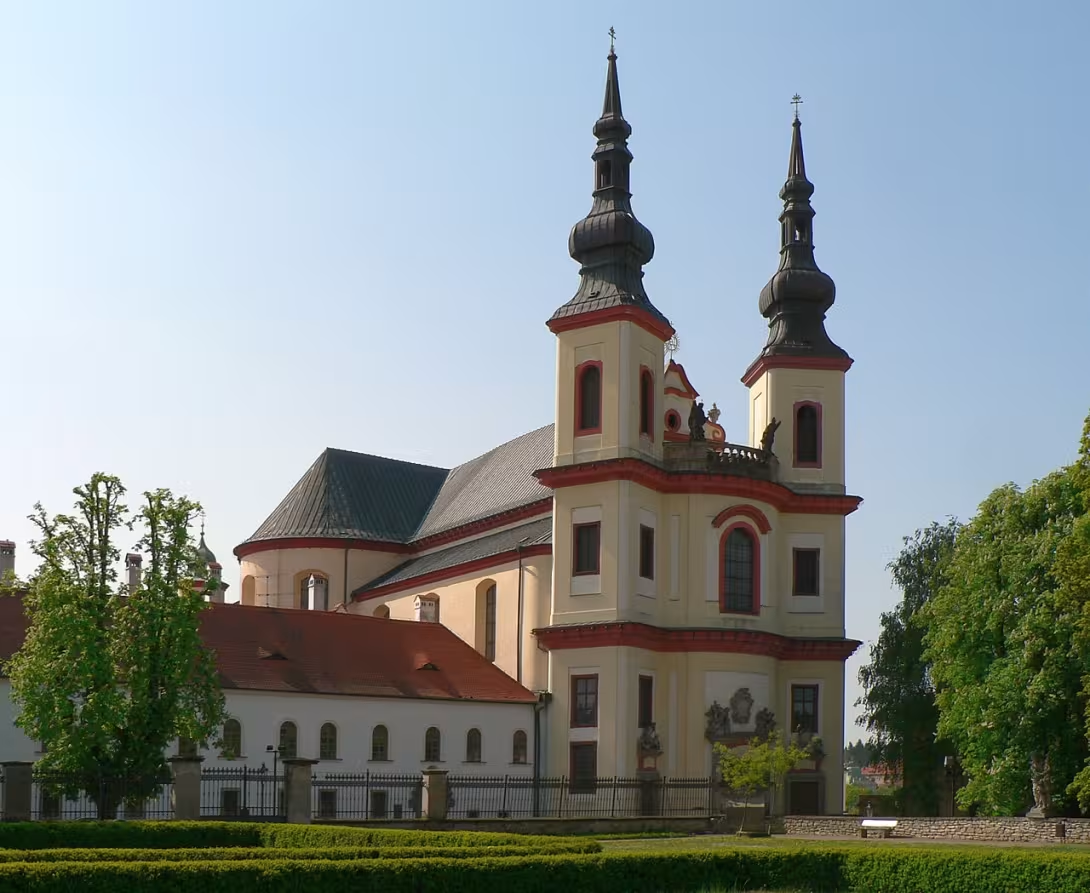
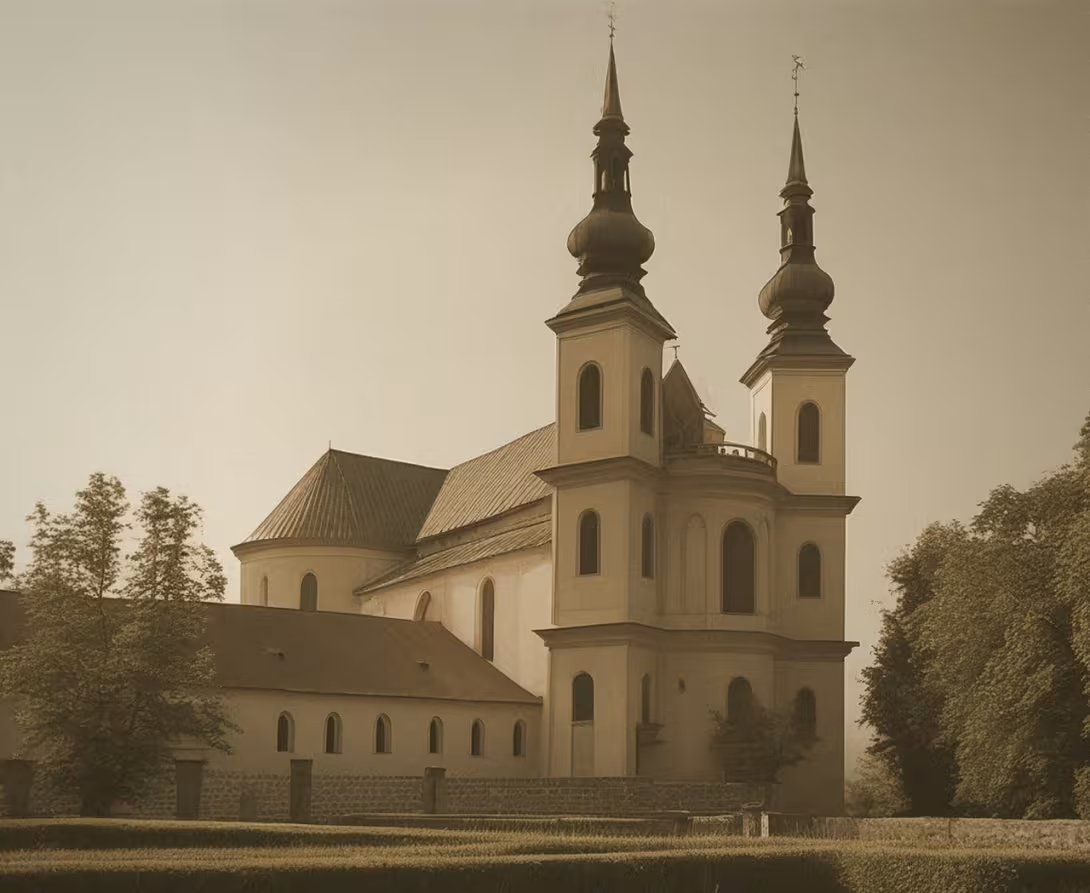
The historical appearance on the left is an AI-generated visualisation and serves as inspiration only.
Historical milestones
- 1716
- Construction of the church began under the design of Giovanni Battista Alliprandi.
- 1722
- The church was consecrated.
- 1948
- The Jesuits were expelled from Litomyšl.
- 1991
- Reconstruction of the roof, towers, and façade began.
Architectural development
The church was originally built in the baroque style by Giovanni Battista Alliprandi. It has undergone multiple reconstructions due to fires and vandalism, with significant work done on its roof, towers, and façade between 1991 and 1994. The interior was renovated from 2010 to 2014, reflecting a modern interpretation of its historical architecture.
Historical events
In 1640, Frebonie Eusebie z Pernštejna brought the Order of the Jesuits to Litomyšl, leading to the construction of a college and school. The church was consecrated in 1722 but suffered significant damage from fires in 1735 and 1814.
In 1948, the Jesuits were expelled from Litomyšl, marking a shift in ownership to state control.
Owners
The estate was initially owned by František Václav z Trauttmansdorffu during construction. After World War II, in 1948, the Jesuits were expelled and the church came under state ownership.
Points of interest
- The Church of the Finding of the Holy Cross was originally built on the site of a piarist church, reflecting its layered historical significance and architectural evolution in Litomyšl.
- Despite being designed by Italian architect Giovanni Battista Alliprandi, the church's construction faced interruptions due to fires in 1735 and 1814, showcasing resilience through repeated reconstructions over the centuries.
Guide
This guide is narrated by a synthetic voice generated by artificial intelligence.
Show guide text
This text was created by artificial intelligence and has not been editorially reviewed. It may contain inaccuracies.
Welcome to the Church of the Finding of the Holy Cross in Litomyšl-Město, a stunning example of baroque architecture nestled on a hill east of the town square. As you stand here, take a moment to absorb the grandeur of this historic site, its façade reaching towards the sky with an air of timeless elegance.
The story of this church begins in 1716 when Italian architect Giovanni Battista Alliprandi laid out his vision for what would become a centerpiece of Litomyšl's cultural and spiritual life. The construction spanned a decade, culminating in its consecration in 1722. Originally built on the site of an older piarist church, this structure is a testament to the layered history and architectural evolution that characterizes Litomyšl.
As you observe the church now, notice how it harmoniously blends with its surroundings while still standing out as a beacon of baroque design. The façade invites you in, hinting at the rich history within its walls. Though time has brought challenges—fires and vandalism have necessitated several reconstructions—the church remains resilient, its essence preserved through careful restoration efforts.
Key figures are woven into the fabric of this place's narrative. Frebonie Eusebie z Pernštejna and František Václav z Trauttmansdorffu are among those who have left their mark here, contributing to the church’s storied past. The expulsion of the Jesuits in 1948 marked another turning point for this sacred site, leading to a period of change and adaptation.
An intriguing aspect of this church is its connection to Giovanni Battista Alliprandi's architectural prowess. Despite his Italian origins, Alliprandi faced challenges during construction, yet his vision prevailed, leaving behind a masterpiece that continues to captivate visitors today.
As we conclude our journey here, I invite you to explore further and immerse yourself in the history and beauty of this remarkable church. Let your curiosity guide you as you uncover more layers of its rich past. Thank you for joining me on this audio tour; may your visit be both enlightening and inspiring.
Tips for visitors
The best time to visit the Church of the Finding of the Holy Cross is during late spring or early autumn when the weather is pleasant, and the surrounding gardens are lush with greenery. This period also offers a quieter experience compared to peak tourist seasons in summer. The lighting at this time of year enhances the baroque architecture's intricate details, making it ideal for photography enthusiasts.
Parking and transport options around Litomyšl-Město include both car parking facilities near the town square and convenient public transportation links. Visitors can reach the church by bus or train to Litomyšl, followed by a short walk through the scenic area towards Toulovcovo náměstí. It's advisable to check current transport schedules online for the most efficient journey.
When visiting, it’s recommended to bring comfortable walking shoes as exploring the church and its surroundings involves some walking. A camera or smartphone is essential for capturing the stunning architecture and views of Litomyšl Castle from the hill where the church is located. Additionally, consider bringing a light jacket as temperatures can vary throughout the day.
Photography enthusiasts will find several spots around the Church of the Finding of the Holy Cross ideal for capturing its beauty. The best lighting conditions are typically in the early morning or late afternoon when the sunlight softly illuminates the baroque façade and interiors. The gardens, Klášterní zahrady, offer a serene backdrop for photographs.
Nearby attractions within 30 minutes include Litomyšl Castle, renowned for its unique architectural design by Kilian Ignaz Dientzenhofer, and the former Jesuit college courtyard, which provides insight into the area's rich history. These sites complement the visit to the church with their cultural and historical significance.
Businesses nearby
Do you run a restaurant, accommodation, shop, museum, rental, wellness or other visitor service near this monument? Show yourself directly to the people heading to it — this is how they will see you in the app and on the web:
Events nearby
Zdroj akcí: otevřená data měst a obcí ČR (Národní katalog otevřených dat) a kalendář akcí Národního památkového ústavu.
Nearby
The church is part of a larger complex including a college building and gardens known as Klášterní zahrady. The area offers views over Toulovcovo náměstí, Litomyšl Castle, and the former Jesuit college courtyard.
Accommodation nearby
Themed route
Tematická výletní trasa: Kostel Nalezení svatého Kříže a jeho okolí
1. Kostel Nalezení svatého Kříže (Litomyšl-Město) - *Typ:* Historická památka - *Proč stojí za návštěvu:* Tento barokní kostel, postavený v 17. století, je známý svou architektonickou krásou a bohatou historií. Je součástí komplexu s kollejní budovou a klášterními zahradami, což nabízí návštěvníkům pohled na významnou architekturu a duchovní historii oblasti.
2. Klášterní zahrady - *Typ:* Zahrada - *Proč stojí za návštěvu:* Tyto klidné zahrady jsou ideálním místem pro relaxaci a pochopení historického prostředí kolem kostela. S jejich pečlivě udržovanými cestami a rostlinným živlem nabízejí pohledy na klášterní budovy a okolní krajinu, včetně Litomyšlského hradu.
3. Toulovcovo náměstí - *Typ:* Náměstí - *Proč stojí za návštěvu:* Toto centrální městské náměstí je nejen kulturním a historickým srdcem Litomyšle, ale také nabízí vynikající pohledy na okolní památky, jako jsou kostel Nalezení svatého Kříže a bývalá kollejní dvůr. Je to ideální místo pro pochopení architektonického a historického kontextu oblasti.
4. Bývalý jesuitský kollejní dvůr - *Typ:* Historická budova - *Proč stojí za návštěvu:* Tento komplex, který kdysi sloužil jako sídlo jezuitů, představuje důležitou část kulturní a vzdělávací historie Litomyšle. Jeho architektura a umístění nabízejí návštěvníkům pohled na minulost města a jeho spojení s jezuitskou tradicí.
Tato trasa nabízí cestovatelům komplexní pohled na historické a kulturní dědictví Litomyšle, zaměřený především na kostel Nalezení svatého Kříže a jeho okolí.
Seasonal recommendations
Spring: Visiting the Church of the Finding of the Holy Cross during spring offers a unique experience as nature begins to awaken. The surrounding landscape is adorned with blooming flowers and lush greenery, creating a picturesque setting that enhances the serene atmosphere of the church under reconstruction. This time of year often sees fewer visitors compared to summer, making it an ideal period for those seeking tranquility. To fully enjoy the springtime ambiance, consider wearing comfortable layers as temperatures can vary, and bring along a light jacket in case of cooler evenings.
Summer: Summer is a vibrant season to explore the Church of the Finding of the Holy Cross, with its warm sunshine casting a golden glow on the historic architecture. The lush greenery surrounding the church provides a beautiful backdrop for photography enthusiasts. This period typically attracts more visitors due to favorable weather and longer daylight hours, so it's advisable to arrive early in the day to avoid crowds. Dressing in light clothing is recommended, and don't forget sunscreen to protect against the summer sun.
Autumn: Autumn brings a stunning palette of colors to the Church of the Finding of the Holy Cross as leaves transform into shades of red, orange, and gold. The crisp air and mellow sunlight create an enchanting atmosphere that complements the church's historic charm during its re-construction phase. While visitor numbers may begin to decrease compared to summer, it remains a popular time for those wanting to experience the beauty of fall foliage. Wearing layers is advisable as temperatures can fluctuate, and carrying a light jacket will ensure comfort during cooler afternoons.
Winter: Winter offers a unique charm at the Church of the Finding of the Holy Cross, with snow often blanketing the surrounding landscape in a serene white layer. The church's architecture takes on a mystical quality under the soft winter light, providing a tranquil setting for reflection and photography. This season tends to see fewer visitors, allowing for a more peaceful experience. It is essential to dress warmly in layers, including a coat, hat, gloves, and boots, as temperatures can be quite low. Be mindful of shorter opening hours during this time, planning your visit accordingly.
Visualizations and artistic views


The visualisations are generated by artificial intelligence and serve as inspiration.
Photos from the area
Real photos taken near the monument


Zdroj a licence jsou uvedeny u každého snímku.
Tips from visitors
No tips yet. Be the first!
Log in and add your tip.
Sources and literature
Fotografie: Martin Vavřík / Public domain — Wikimedia Commons. The author and licence also appear when you hover over the image.
Faktickým podkladem tohoto textu byl článek na Wikipedii, jehož autory jsou přispěvatelé Wikipedie. Článek je dostupný pod licencí CC BY-SA 4.0.
Location on the map


Příběhy a pověsti
Legendy, pověsti a příběhy spjaté s touto památkou
Fotografie návštěvníků
Zatím žádné fotografie. Buďte první, kdo přidá fotografii z návštěvy!
Přihlaste se a přidejte svou fotografii nebo hodnoťte.
Za ověřenou návštěvu v aplikaci získáte víc bodů — poznáme podle GPS, že jste na místě.
Reviews and comments