






Piaristické gymnázium, muzeum Museum building
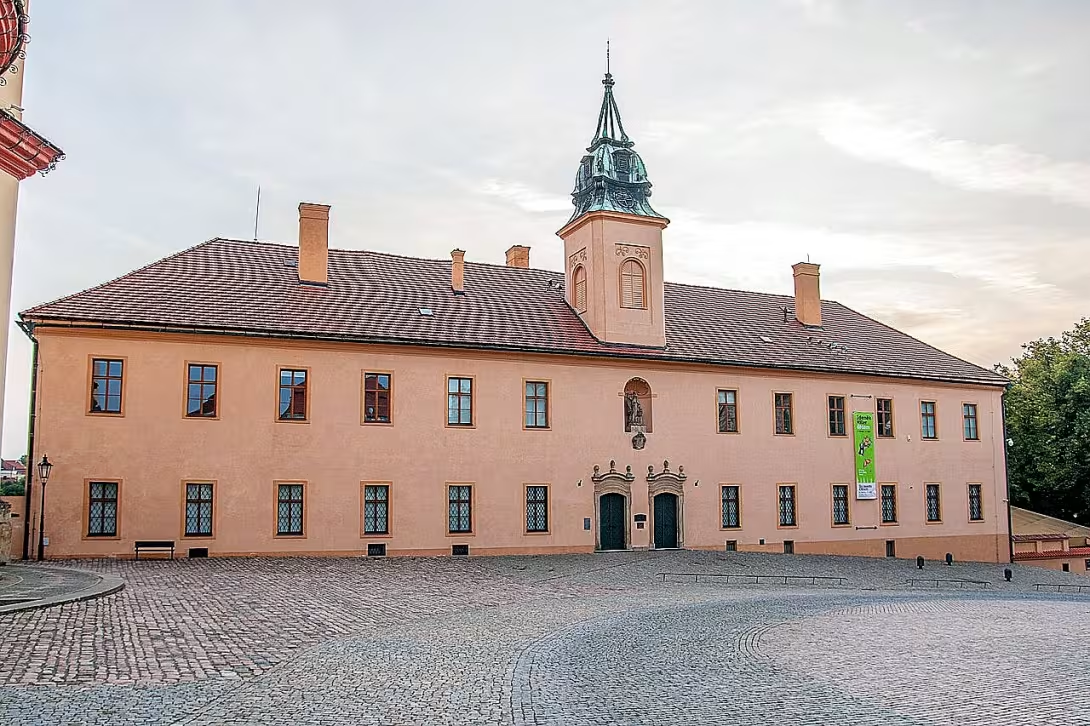
The Piaristické gymnázium in Litomyšl-Město is a Baroque architectural gem that now serves as a regional museum. Originally constructed between 1714 and 1719 to house a gymnasium of the Piarist order, it played a significant role in supporting Counter-Reformation efforts against Protestant influences in the region. Today, this cultural monument stands as a testament to Litomyšl's rich history and heritage.
The foundation of the Piarist college by Fráňa Eusebie z Pernštejna on September 3, 1640, marked the beginning of the gymnasium's storied past. The primary motivation for bringing the Piarists to Litomyšl was to bolster Counter-Reformation efforts in an area heavily influenced by Hussitism and brotherhood movements. By November 1644, education commenced at the school after the Piarists settled into their newly constructed college. The town supported the gymnasium with a yearly contribution of 200 gold coins and timber from municipal forests, while Fráňa Eusebie z Pernštejna established a unique "bread roll foundation" for students, distributing bread on Saturdays under specific conditions.
The construction of the new building began in 1714 after existing structures were demolished to make way for it. Designed by Giovanni Battista Alliprandi, the gymnasium's completion in 1719 marked a significant architectural achievement. The Baroque structure faced several challenges, including fires in 1735 and 1742 that damaged the school theater and necessitated reconstruction efforts. A new tower was added after another fire in 1775, with further renovations occurring in 1826 when a new roof replaced one lost to fire in 1814.
Ownership of the gymnasium transitioned from the Piarist order in 1640 until it came under state administration in 1874. This shift marked a significant change as the institution moved into a newly built facility in Masarykově čtvrti by 1923, leaving its original building to house the regional museum.
The gymnasium's educational organization was notable for offering free education to boys starting at age seven. The curriculum included basic literacy and arithmetic, progressing to more advanced studies in humanistic knowledge, rhetoric, poetry, and moral theology. Public performances were a key part of the school experience, with numerous plays staged between 1715 and 1775 until they were banned by Empress Maria Theresa.
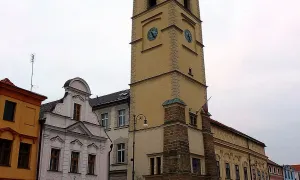
Today, the Piaristické gymnázium stands as a protected cultural monument since 1958, housing the Regional Museum in Litomyšl. The building's architectural features include an unadorned façade with a double portal, pinnacles, and a distinctive tower topped by a metal roof and pyramid-shaped helm. Its interior boasts Prussian vaults and modern additions from recent revitalization efforts between 2012 and 2014.
Visitors to the Piaristické gymnázium can explore its rich history and architectural beauty while appreciating its role in regional cultural development. The museum offers a unique glimpse into Litomyšl's past, making it a worthwhile destination for those interested in Baroque architecture and historical education.
Then and now
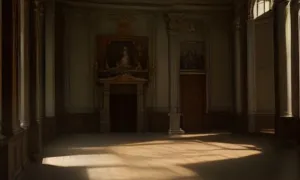
Drag the slider to compare how the landmark may have looked when it was built with the view today.
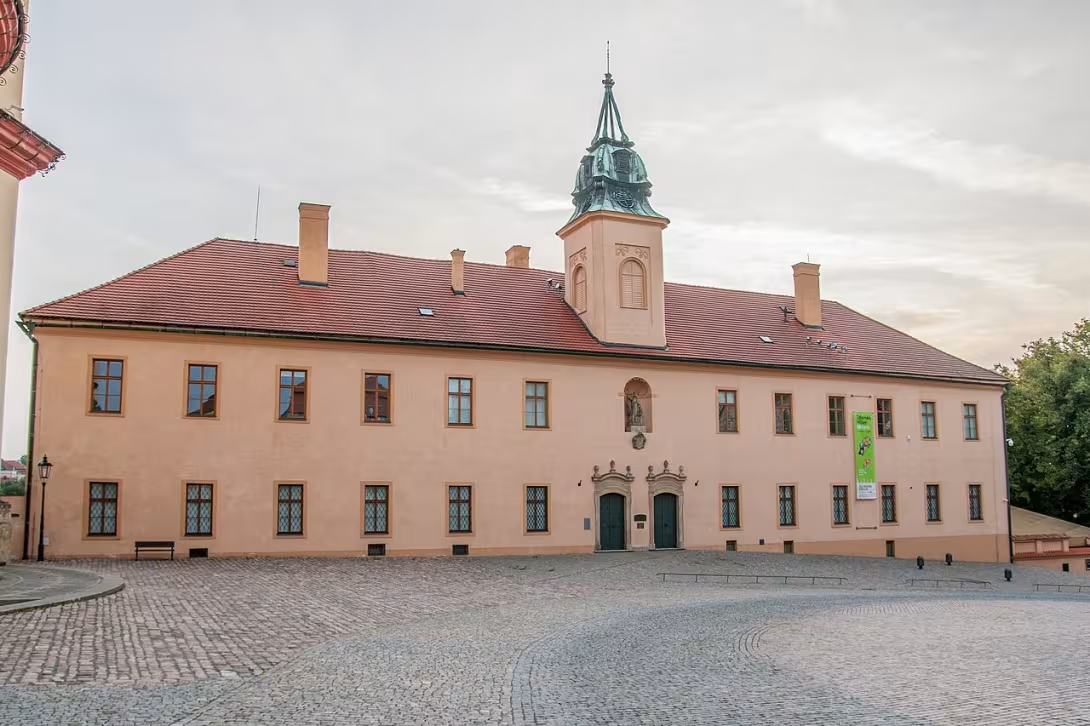

The historical appearance on the left is an AI-generated visualisation and serves as inspiration only.
Historical milestones
- 1714
- Foundation stone of the new building laid.
- 1719
- Completion of the new gymnasium building.
Architectural development
The original Baroque structure was designed by Giovanni Battista Alliprandi and faced several reconstructions due to fires in the 18th century. The school's theater burned down in 1775, leading to significant changes including a new tower built in 1798. Further renovations occurred in 1826, with a new roof installed after another fire in 1814.
Historical events
Foundation of Piarist college by Frebonie Eusebie z Pernštejna in 1640.
Construction of new building completed in 1719.
Transition to state administration in 1874.
Owners
Piarist order (1640-1874)
State administration (post-1874)
Points of interest
- Despite its Baroque elegance, the Piaristické gymnázium faced several fires over the years, with one in 1735 damaging the school theater and another in 1814 leading to a complete roof replacement.
- The gymnasium was notable for providing free education to boys starting at age seven, which was quite progressive during its time, especially considering the Counter-Reformation context it operated within.
- A unique "bread roll foundation" established by Fráňa Eusebie z Pernštejna ensured that students received bread on Saturdays under specific conditions, reflecting a community-supported approach to education.
- The school's theater was an important cultural venue until public performances were banned in 1775 by Empress Maria Theresa, highlighting the influence of broader political and religious reforms on local institutions.
- After transitioning from Piarist order ownership to state administration in 1874, the gymnasium moved to a new facility in Masarykově čtvrti in 1923, allowing its original building to evolve into the Regional Museum.
Guide
This guide is narrated by a synthetic voice generated by artificial intelligence.
Show guide text
This text was created by artificial intelligence and has not been editorially reviewed. It may contain inaccuracies.
Welcome to the historic site of the Piaristické gymnázium in Litomyšl-Město, now a regional museum that showcases an architectural treasure from the Baroque period. As you stand here, take a moment to absorb the grandeur of this structure. Its elegant façade, with its symmetrical design and intricate detailing, reflects the artistic spirit of the early 18th century.
The journey of this remarkable building began in 1714 when the foundation stone was laid for what would become an important educational institution. Designed by the renowned architect Giovanni Battista Alliprandi, the construction was completed in 1719. This gymnasium was established to support the Counter-Reformation efforts against Protestant influences, serving as a beacon of Catholic education during that era.
As you walk around, take note of the building's symmetry and ornate detailing—a testament to its Baroque roots. While specific architectural elements are not detailed here, imagine the balance and harmony Alliprandi might have envisioned, creating an environment conducive to learning and reflection.
The Piaristické gymnázium is also intertwined with significant historical figures such as Frebonie Eusebie z Pernštejna, who played a role in its storied past. These individuals contributed to the rich tapestry of history that this site embodies.
One intriguing aspect of the gymnasium's history involves its resilience through adversity. Despite its Baroque elegance, it faced several fires over the years. In 1735, one such fire damaged the school theater, and another in 1814 necessitated a complete roof replacement. These events highlight the building’s enduring presence and the community's commitment to preserving this educational landmark.
As you continue your exploration, consider how this site has evolved from its original purpose as an institution of learning to its current role as a museum. Each step around this historic structure invites reflection on its past and appreciation for its continued significance in the region.
Thank you for joining us on this journey through history at the Piaristické gymnázium. We invite you to explore further, discovering more about the stories and legacies that have shaped this remarkable site. Safe travels as you continue your exploration of Litomyšl-Město.
Tips for visitors
The best time to visit the Piaristické gymnázium museum is during late spring or early autumn when the weather is pleasant, allowing for a comfortable exploration of both indoor exhibits and outdoor architectural beauty. These seasons offer mild temperatures perfect for walking around Litomyšl-Město's historical sites without the summer crowds or winter chill. Additionally, visiting outside peak tourist season ensures a more intimate experience with fewer visitors.
Public transport can also be used to reach the area, with buses connecting major towns to Litomyšl. For precise routes and schedules, consult a local transportation website or app.
When visiting the museum, consider bringing comfortable walking shoes as you'll likely explore both the museum grounds and nearby historical sites. A camera is recommended for capturing the stunning Baroque architecture of the building itself and its surroundings. Don't forget to bring water and perhaps a light snack, especially if planning an extended visit or exploring additional attractions in the area.
Photography enthusiasts will find several spots around the Piaristické gymnázium museum ideal for capturing its architectural beauty, particularly during golden hour when the late afternoon sun casts soft shadows. The front façade of the building is a highlight, as well as any outdoor areas that showcase the Baroque style in detail.
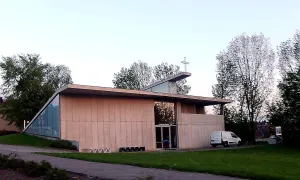
Nearby attractions within 30 minutes include the Litomyšl Castle, renowned for its stunning architecture and beautiful gardens, making it a must-see for history and art lovers. The Church of the Finding of the Holy Cross is also close by, offering insights into the region's religious heritage. These sites complement your visit to the museum with their rich historical context.
Frequently asked questions
Can the monument be visited?
Some buildings of this kind are open for guided tours, others serve another purpose or are privately owned. We have not verified whether and when this monument is open – please ask the operator.
What are the opening hours and admission?
We have not verified the opening hours or admission. Current information is published by the operator.
Where is the monument?
Location: Litomyšl-Město, Pardubický kraj. The map on this page shows the exact spot.
Why is the monument protected?
It is listed in the Central List of Cultural Monuments of the Czech Republic as a cultural monument (register no. 1000147649).
Businesses nearby
Do you run a restaurant, accommodation, shop, museum, rental, wellness or other visitor service near this monument? Show yourself directly to the people heading to it — this is how they will see you in the app and on the web:
Events nearby
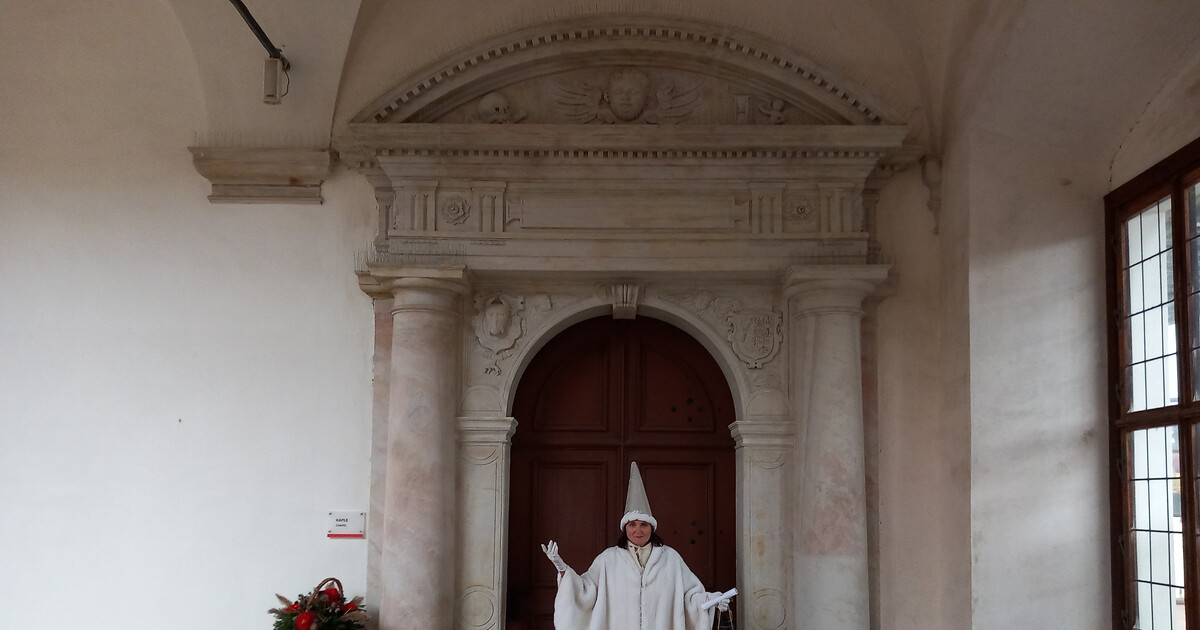
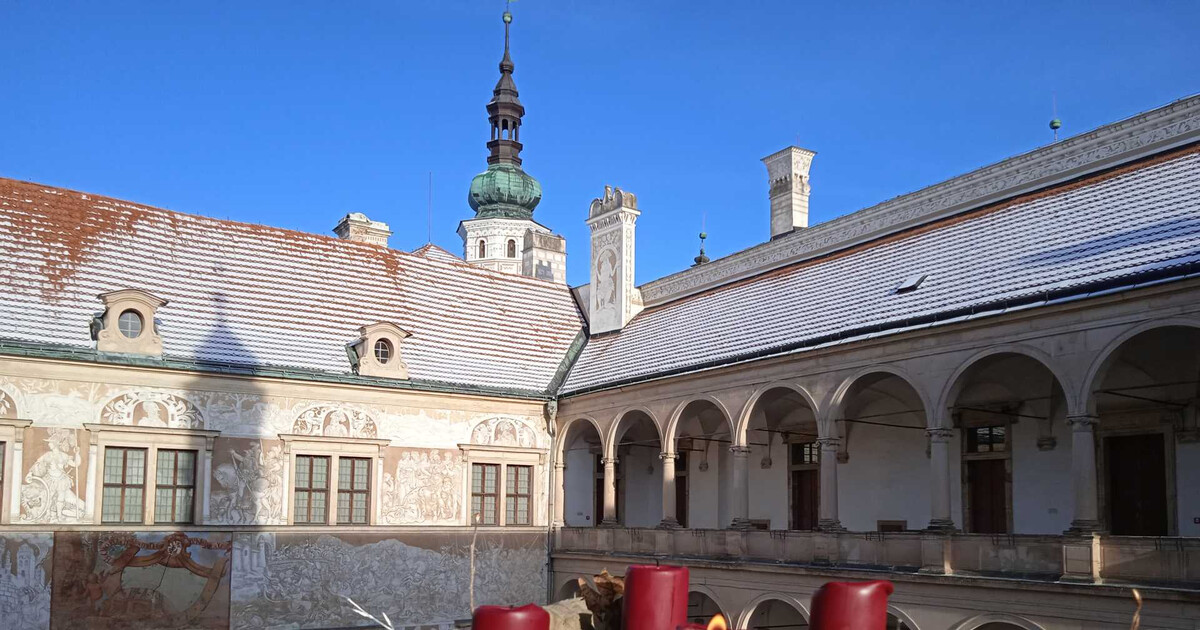
Zdroj akcí: otevřená data měst a obcí ČR (Národní katalog otevřených dat) a kalendář akcí Národního památkového ústavu.
Nearby
Located near the Church of the Finding of the Holy Cross, the museum is surrounded by historical sites in Litomyšl, including a castle and other Baroque architecture.
Accommodation nearby
Themed route
Tematická výletní trasa: Historické Litomyšl
1. Piaristické gymnázium, muzeum (budova muzea)
Typ: Historická budova a muzeum
Proč stojí za návštěvu: Začněte svůj výlet v klíčovém kulturním centru Litomyšl, kde se nachází Piaristické gymnázium. Tato budova je nejen architektonickou perli, ale také hostuje muzeum, které nabízí hluboký vhled do historie a vzdělávacího dědictví města. Vystavovací prostory jsou plné vzrušujících exponátů, které oživují minulost Litomyšle.
2. Kostel Nalezení Kříže
Typ: Historický kostel
Proč stojí za návštěvu: Přibližně 5 minut chůze od gymnázia se nachází Kostel Nalezení Kříže, který je známý svou významnou barokní architekturou. Tento kostel představuje důležitý náboženský a historický bod v Litomyšli. Jeho bohaté interiér a umělecké prvky nabízejí pohled na barokní dobu, která formovala město.
3. Litomyšlský zámek
Typ: Historický zámek
Proč stojí za návštěvu: Přibližně 10 minut chůze od kostela se nachází Litomyšlský zámek, který je ikonou města. Tento barokní zámek, s jeho impozantními dvory a krásným parkem, nabízí nádherné výhledy a představuje bohatou historii regionu. Jeho architektura a umělecké prvky jsou důkazem moci a elegance minulých dob.
4. Barokní architektura Litomyšle
Typ: Městská procházka
Proč stojí za návštěvu: Po návštěvě zámku se podívejte na další barokní památky v okolí. Litomyšl je plná impozantních budov s bohatými dekoracemi, které odrážejí historickou prosperitu města. Procházka po těchto ulicích nabídne pohled na fascinující architektonické detaily a atmosféru minulých dob.
Tato trasa vás provede krátkým, ale bohatým historickým zážitkem Litomyšle, kde každá lokace přispívá k celkovému porozumění místní kultury a dědictví.
Seasonal recommendations
Spring: Visiting the Piarist Gymnasium and Museum during spring offers a unique experience as nature awakens around Litomyšl-Město. The blooming flowers and budding trees create a picturesque setting, enhancing the historical ambiance of the site. The gentle warmth and longer daylight hours make it an ideal time for exploration. Visitors should be prepared for occasional rain showers, so carrying a light waterproof jacket is advisable. Although spring can attract more tourists as people take advantage of the pleasant weather, arriving early in the day helps avoid larger crowds.
Summer: Summer at the Piarist Gymnasium and Museum brings vibrant colors and lively energy to Litomyšl-Město. The lush greenery and warm sunshine create a perfect backdrop for exploring the museum's exhibits. This season is popular among tourists due to the extended daylight hours, allowing more time for sightseeing. However, it also means larger crowds, so planning your visit early in the morning can provide a quieter experience. Comfortable walking shoes and light clothing are recommended to stay cool under the sun.
Autumn: Autumn offers a serene and enchanting atmosphere at the Piarist Gymnasium and Museum, with Litomyšl-Město adorned in shades of gold and red. The cooler temperatures make for comfortable strolls through the historic site, while the crisp air adds an invigorating touch to your visit. This season sees fewer visitors compared to summer, allowing for a more relaxed exploration of the museum's collections. Layered clothing is advisable as the weather can be unpredictable, with sudden chills in the afternoon.
Winter: Winter transforms the Piarist Gymnasium and Museum into a quiet haven amidst the snowy landscape of Litomyšl-Město. The soft glow of snow-covered surroundings creates a magical atmosphere, perfect for those seeking a peaceful retreat from the bustling holiday season. Visitors should dress warmly with coats and hats to enjoy their visit comfortably. While fewer people venture out in winter, it's still possible to encounter some tourists drawn by the unique charm of the site.
Visualizations and artistic views


The visualisations are generated by artificial intelligence and serve as inspiration.
Photos from the area
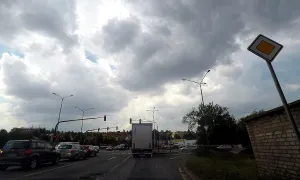
Real photos taken near the monument


Zdroj a licence jsou uvedeny u každého snímku.
Tips from visitors
No tips yet. Be the first!
Log in and add your tip.
Sources and literature
Photos: Tadeáš Bednarz / CC BY-SA 4.0 — Wikimedia Commons. The author and licence also appear when you hover over the image.
Faktickým podkladem tohoto textu byl článek na Wikipedii, jehož autory jsou přispěvatelé Wikipedie. Článek je dostupný pod licencí CC BY-SA 4.0.
Location on the map


Příběhy a pověsti
Legendy, pověsti a příběhy spjaté s touto památkou
Fotografie návštěvníků
Zatím žádné fotografie. Buďte první, kdo přidá fotografii z návštěvy!
Log in a přidejte svou fotografii nebo hodnoťte.
Za ověřenou návštěvu v aplikaci získáte víc bodů — poznáme podle GPS, že jste na místě.
Reviews and comments