



kostel Nanebevzetí Panny Marie (Třebovice) Church
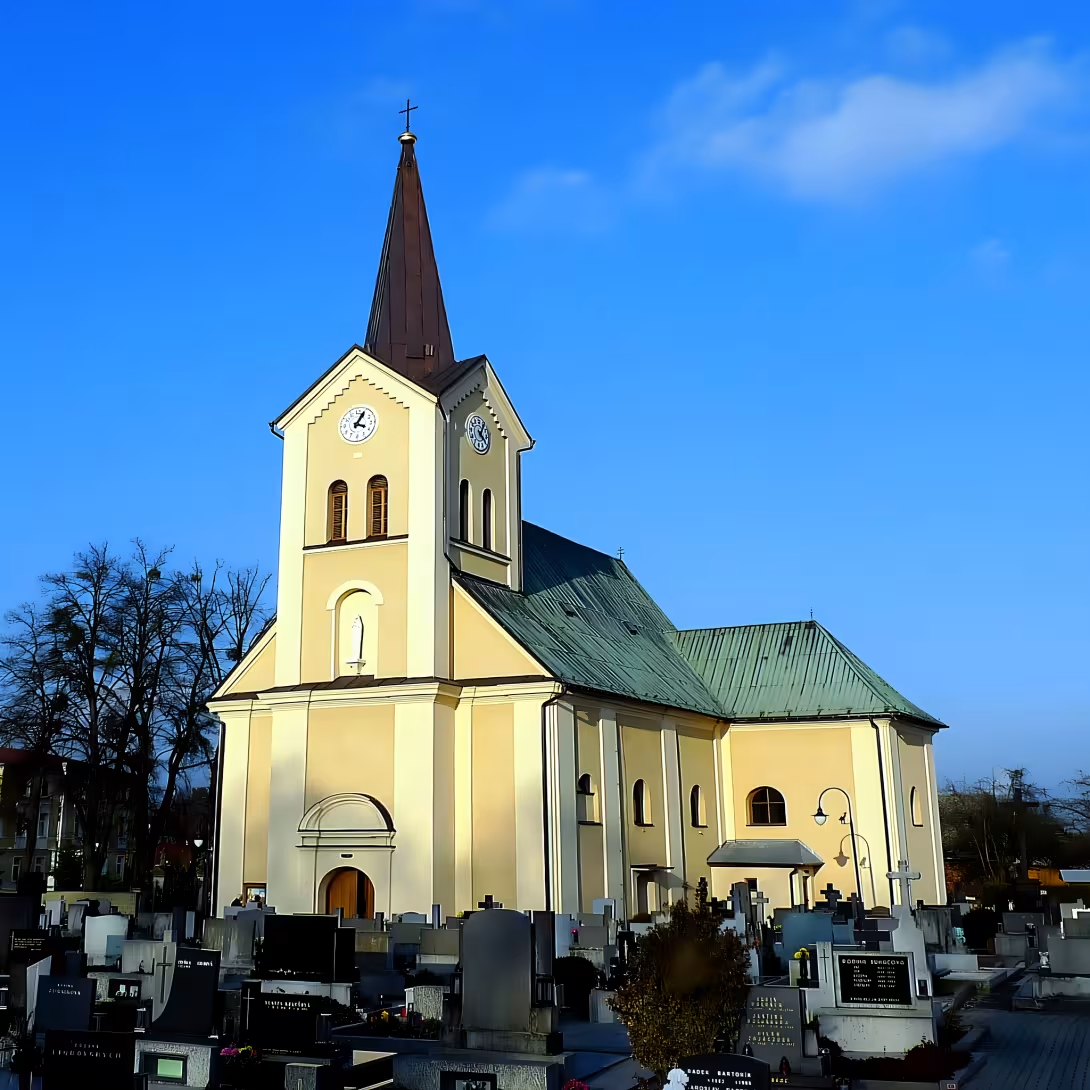
The Church of the Assumption of the Virgin Mary in Třebovice is a significant historical monument within Ostrava's city district. This baroque church is notable as the oldest Marian church on Ostrava’s territory and the second dedicated to the Assumption of the Virgin Mary in the city. Constructed in 1738, it replaced an earlier wooden chapel documented since 1553. Its designation as a protected cultural monument since March 2, 2011, underscores its historical importance.
The site's origins trace back to a small wooden chapel recorded in 1553. This initial structure was eventually supplanted by the current stone baroque edifice built in 1738. The transition from wood to stone reflects broader architectural trends during the period when Bohemia was part of the Habsburg Monarchy, an era marked by the flourishing of baroque art and architecture across Europe. Characterized by grandeur and intricate detail, this style often inspired faith through visual splendor, aligning with the Catholic Church's Counter-Reformation efforts.
Architecturally, the church exemplifies the baroque period’s emphasis on elaborate design and ornamentation. The transformation from a modest wooden chapel to a stone structure in 1738 marked a significant evolution in its architectural form. In 1931, Viennese artist Josef Kleinert enhanced the interior with paintings that complement its baroque style.
Adjacent to the church is a family crypt belonging to the Stonawský and Scholz families, notable for being the final resting place of writer Maria Stona. This connection adds cultural significance, intertwining local history with broader literary heritage.
Today, the Church of the Assumption of the Virgin Mary in Třebovice remains an accessible monument that offers visitors a glimpse into the region's rich historical and architectural past. Its status as a protected cultural landmark ensures its preservation for future generations. Visitors are invited to explore this site not only for its religious significance but also for its artistic and historical contributions, making it a worthwhile destination in Ostrava.
Then and now
Drag the slider to compare how the landmark may have looked when it was built with the view today.
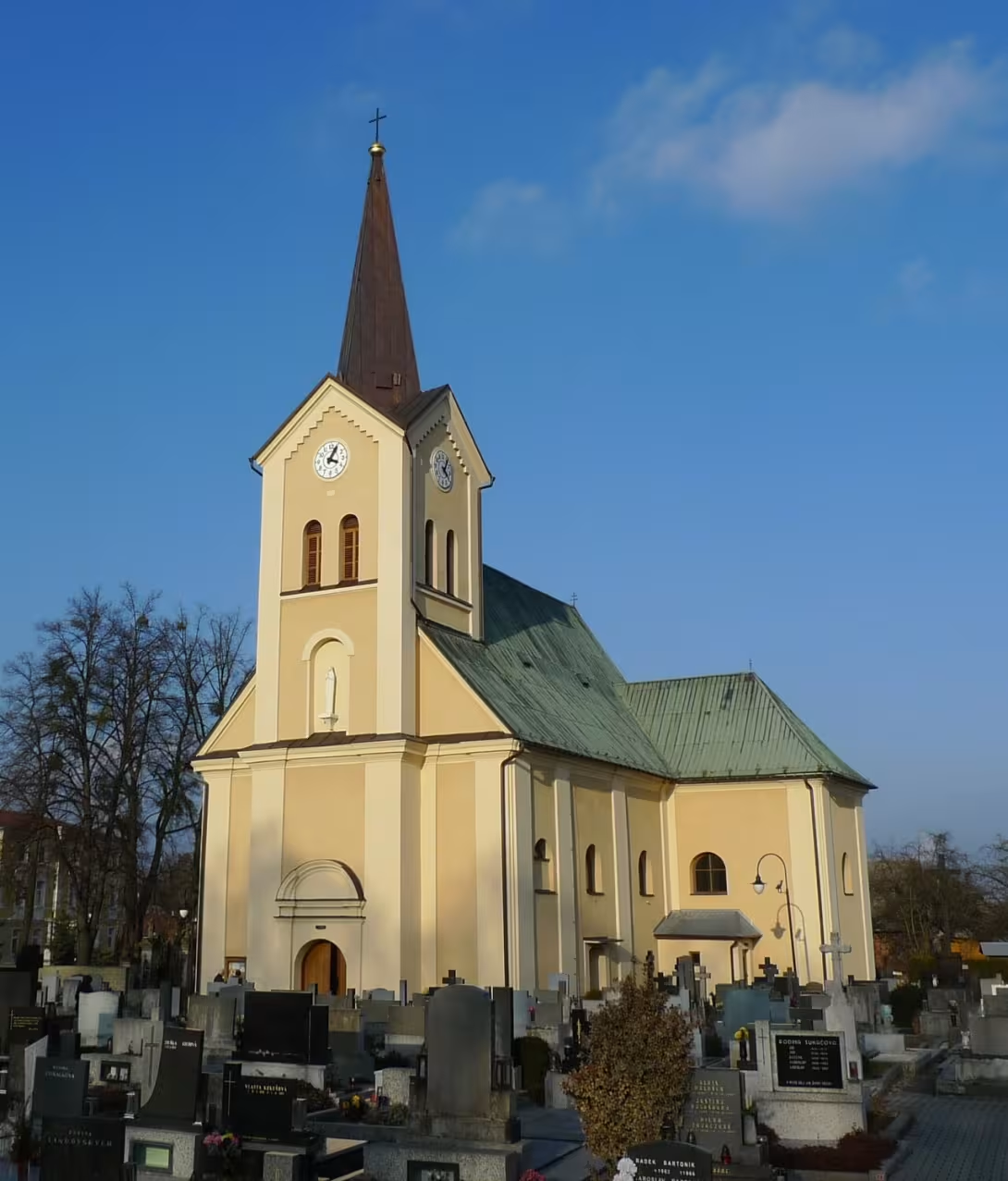
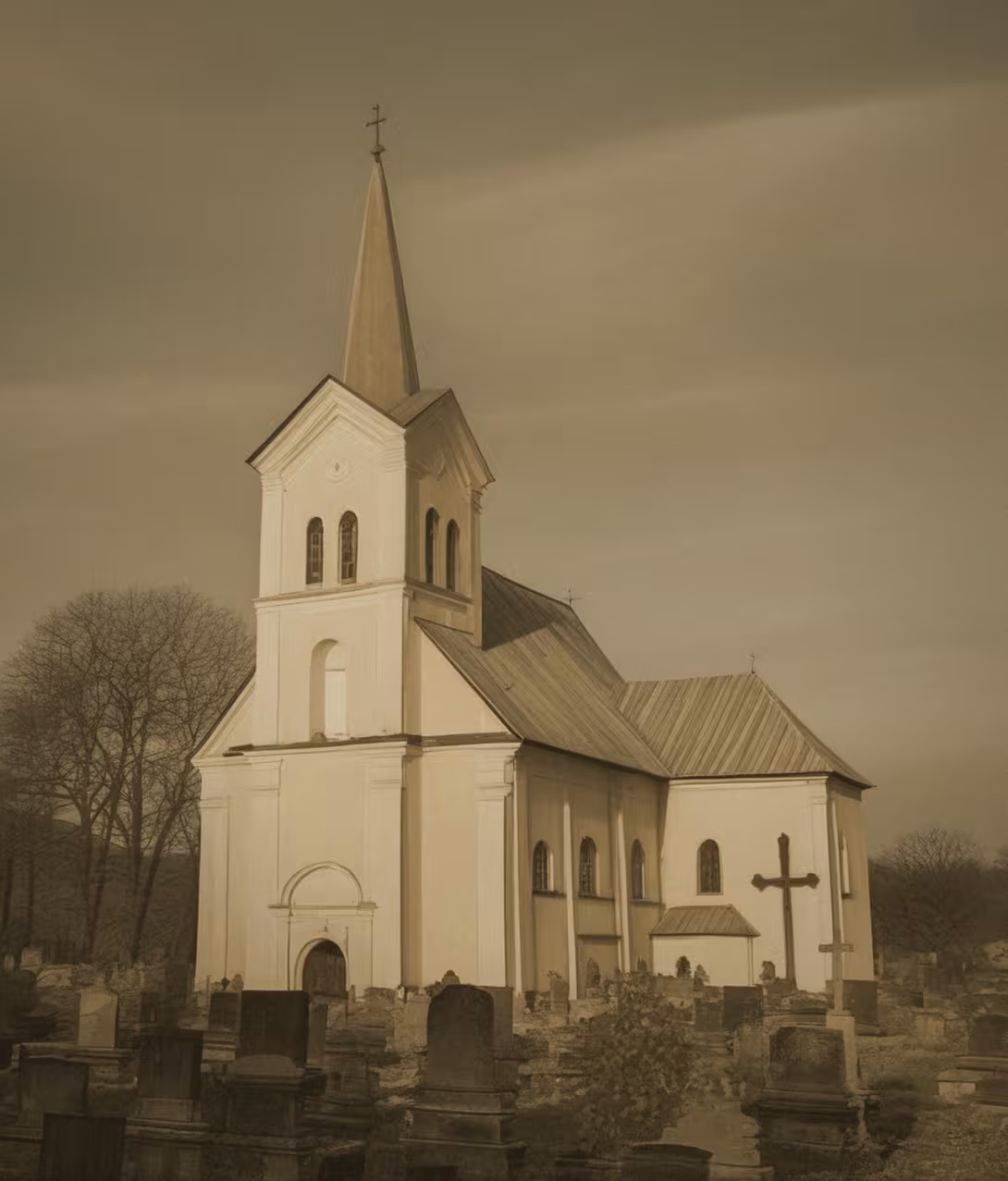
The historical appearance on the left is an AI-generated visualisation and serves as inspiration only.
Historical milestones
- 1553
- The original wooden chapel is documented.
- 1738
- Construction of the current stone baroque church began.
- 1931
- Church was decorated with paintings by Josef Kleinert.
Architectural development
Initially a small wooden chapel recorded in 1553, the site saw its transformation into a stone baroque church in 1738. The architectural style reflects the baroque period's emphasis on grandeur and detail. In 1931, the interior was further enhanced with paintings based on designs by Josef Kleinert.
Historical events
The original wooden chapel was documented in 1553.
In 1738, the current stone baroque church was constructed.
In 1931, the church was adorned with paintings by Viennese artist Josef Kleinert.
Points of interest
- The transition from a wooden chapel to a stone baroque church in 1738 reflects the broader architectural shift during the Habsburg Monarchy's influence over Bohemia, highlighting how regional developments mirrored European trends. - Although primarily known for its religious significance, the Church of the Assumption of the Virgin Mary is also linked to literary history through Maria Stona, a writer interred in the adjacent family crypt, adding an intriguing cultural layer to its story.
- The church's interior was enhanced by Viennese artist Josef Kleinert in 1931, whose paintings contribute to the building’s baroque aesthetic and offer insight into early 20th-century artistic interpretations of religious themes.
- Despite being a protected cultural monument since March 2, 2011, the church continues to serve as an accessible site for visitors, illustrating how historical preservation can coexist with public engagement in modern times.
- The Church of the Assumption of the Virgin Mary is the second Marian church dedicated to the Assumption of the Virgin Mary within Ostrava’s territory, making it a unique testament to local religious devotion and architectural evolution.
Guide
This guide is narrated by a synthetic voice generated by artificial intelligence.
Show guide text
This text was created by artificial intelligence and has not been editorially reviewed. It may contain inaccuracies.
The Church of the Assumption of the Virgin Mary in Třebovice is the oldest Marian church in the territory of Ostrava. There is another church dedicated to the Assumption of the Virgin Mary in the city, located in Michálkovice.
Třebovice is today one of Ostrava's city districts. As early as 1553, a wooden church is documented here in writing. In its place, a brick Baroque church was built in 1738. It received its decoration in 1931, when it was painted according to a design by Viennese painter Josef Kleinert.
Attached to the wall of the church is a crypt of the evangelical Stonawski and Scholz families. The writer Maria Stona is also buried in it.
Since 2 March 2011, the church has been protected as a cultural monument.
Tips for visitors
The Church of the Assumption of the Virgin Mary in Třebovice is best visited during late spring or early autumn when the weather is pleasant, allowing for a comfortable exploration both inside and outside the church. These seasons offer ideal lighting conditions for photography, capturing the intricate baroque details without harsh shadows. Additionally, visiting on weekdays can provide a quieter experience compared to weekends, which are typically busier with tourists and local visitors.
The city of Ostrava has an efficient public transport system that can be used to reach Třebovice easily. Always check for the latest transportation options and schedules online before your visit.
When visiting the Church of the Assumption, it's recommended to bring comfortable walking shoes as you may want to explore the surrounding area of Třebovice. A camera is also essential to capture the stunning architecture and interior details of the church. Additionally, bringing a small notebook or journal can be useful for jotting down thoughts or sketching, especially if you're interested in architectural history.
For photography enthusiasts, the best spots are outside the church where natural light highlights its baroque facade, particularly during golden hours—shortly after sunrise or before sunset. Inside, aim to capture the altar and frescoes when there's minimal direct sunlight filtering through windows, which usually occurs on overcast days or in shaded areas of the interior. Always be respectful of any photography restrictions that may apply inside the church.
Nearby attractions within a 30-minute drive include the Ostrava Castle, offering panoramic views of the city and a glimpse into its historical architecture. Another nearby site is the Ostrava Museum, which provides insights into the region's cultural history. For those interested in nature, the Beskydy Mountains are accessible for hiking and offer beautiful landscapes. These sites provide additional context to the rich cultural tapestry surrounding Třebovice.
Families with children will find the Church of the Assumption a fascinating visit due to its historical significance and architectural beauty. To keep younger visitors engaged, consider preparing a small scavenger hunt focusing on specific elements inside the church, like stained glass windows or particular sculptures. Additionally, visiting nearby parks in Třebovice can provide a relaxing break where children can play while adults appreciate the local scenery.
Frequently asked questions
Can the monument be visited?
Religious buildings are usually open mainly during services; at other times a visit is normally arranged with the parish or the operator. We have not verified specific times.
Where is the monument?
Location: Třebovice, Moravskoslezský kraj. The map on this page shows the exact spot.
Why is the monument protected?
It is listed in the Central List of Cultural Monuments of the Czech Republic as a cultural monument (register no. 104263).
Businesses nearby
Do you run a restaurant, accommodation, shop, museum, rental, wellness or other visitor service near this monument? Show yourself directly to the people heading to it — this is how they will see you in the app and on the web:
Events nearby
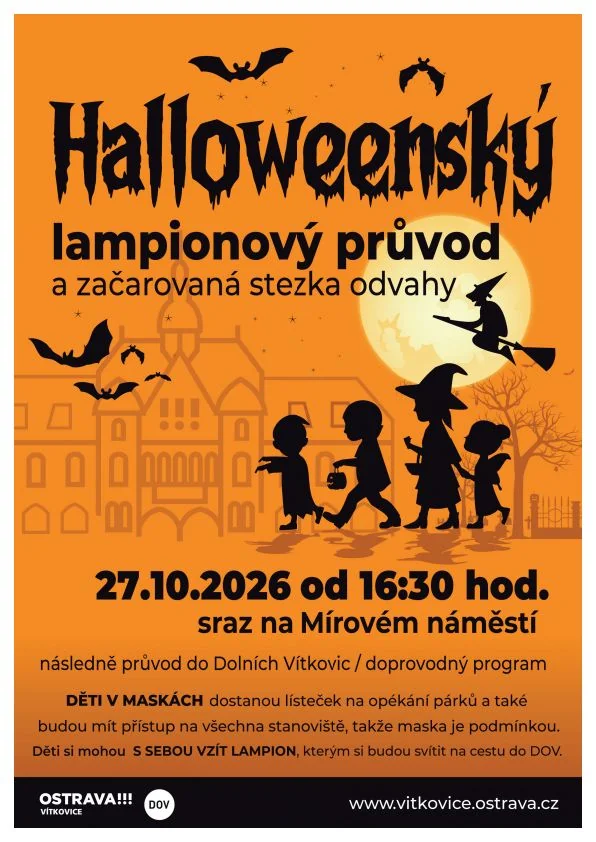
Zdroj akcí: otevřená data měst a obcí ČR (Národní katalog otevřených dat) a kalendář akcí Národního památkového ústavu.
Accommodation nearby
Themed route
Tematická výletní trasa: Kostel Nanebevzetí Panny Marie (Třebovice)
1. Kostel Nanebevzetí Panny Marie (Třebovice) - Typ: Historický kostel - Proč stojí za návštěvu: Tento barokní kostel, postavený v 18. století, je architektonickou perli obce Třebovice. Jeho bohaté interiér a historie nabízejí pohled na minulost této části Moravskoslezska. Navštěvující mohou ocenit jeho krásný oltář a fresky, které představují důležité historické i náboženské momenty.
2. Kaplička u kostela - Typ: Kaplička - Proč stojí za návštěvu: Umístěná v blízkosti hlavního kostela, tato kaplička slouží jako místo klidu a meditace. Je to ideální místnost pro ty, kteří hledají pokojné okamžiky uvnitř nádherné přírody obce. Kaplička nabízí jedinečný pohled na okolní krajinu a je často používána pro malé mše nebo osobní modlitby.
3. Nádvoří kostela - Typ: Nádvoří - Proč stojí za návštěvu: Nádvoří kostela je ideálním místem pro relaxaci a odpočinek po prozkoumání interiéru. Zde si můžete užít klidné chvilky, zatímco se podíváte na historické budovy v okolí. Nádvoří také slouží jako místo setkávání pro různé komunitní akce a události.
4. Věž kostela - Typ: Věž - Proč stojí za návštěvu: Návštěva věže nabízí nezapomenutelný pohled na celou obec Třebovice a okolní krajinné krásy. Je to skvělá příležitost pro ty, kteří milují panoramatické výhledy a mají rádi historické stavby. Vstup na vrchol věže je také ideálním místem pro fotografování.
Tato trasa nabízí komplexní pohled na kostel Nanebevzetí Panny Marie a jeho bezprostřední okolí, což umožňuje návštěvníkům plněji prozkoumat historické i kulturní bohatství obce Třebovice.
Seasonal recommendations
Spring: Spring brings a gentle awakening to the Nanebevzetí Panny Marie Church in Třebovice, with nature's palette slowly shifting from muted tones to vibrant greens and pastels. The surrounding landscape is adorned with blooming flowers, creating an enchanting atmosphere that complements the historic architecture of the church. As daylight hours increase, visitors can enjoy the soft morning light filtering through stained glass windows, casting colorful patterns on the stone floors. It's advisable to visit in the late morning or early afternoon when temperatures are mild and crowds are fewer. Comfortable walking shoes and a light jacket are recommended due to occasional spring showers.
Summer: During summer, the Nanebevzetí Panny Marie Church is enveloped by lush greenery, with gardens surrounding the site blooming in full splendor. The long days offer ample daylight for exploring both the church's interior beauty and its serene outdoor settings. Summer evenings are particularly magical as the setting sun bathes the area in a warm glow. To avoid the peak tourist season, consider visiting early in the morning or later in the afternoon when it is cooler. Light clothing and comfortable footwear are essential, along with sunscreen for protection against the summer sun.
Autumn: Autumn transforms Třebovice into a picturesque landscape of fiery reds, oranges, and yellows as deciduous trees shed their leaves. This season offers a unique opportunity to appreciate the church's architecture against a backdrop of vibrant foliage. The cooler temperatures make it an ideal time for leisurely walks around the area. As the days grow shorter, planning your visit in the late morning or early afternoon ensures you capture the best light and avoid the chillier evenings. Layered clothing is recommended to adapt to fluctuating temperatures throughout the day.
Winter: Winter cloaks the Nanebevzetí Panny Marie Church in a serene blanket of snow, creating a tranquil and almost ethereal atmosphere. The church's details are accentuated by the crisp winter air, while nearby paths may be adorned with icicles or frost patterns. Due to shorter daylight hours, it's best to arrive early to make the most of natural light for photography or exploration.
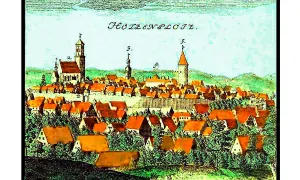
Visualizations and artistic views


The visualisations are generated by artificial intelligence and serve as inspiration.
Photos from the area
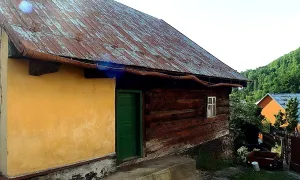
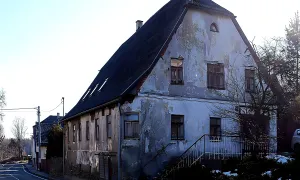
Real photos taken near the monument


Zdroj a licence jsou uvedeny u každého snímku.
Tips from visitors
No tips yet. Be the first!
Log in and add your tip.
Sources and literature
Photos: Ladin / CC BY-SA 3.0, rozlišení zvýšeno umělou inteligencí — Wikimedia Commons. The author and licence also appear when you hover over the image.
Faktickým podkladem tohoto textu byl článek na Wikipedii, jehož autory jsou přispěvatelé Wikipedie. Článek je dostupný pod licencí CC BY-SA 4.0.
Location on the map

Příběhy a pověsti
Legendy, pověsti a příběhy spjaté s touto památkou
Fotografie návštěvníků
Zatím žádné fotografie. Buďte první, kdo přidá fotografii z návštěvy!
Log in a přidejte svou fotografii nebo hodnoťte.
Za ověřenou návštěvu v aplikaci získáte víc bodů — poznáme podle GPS, že jste na místě.
Reviews and comments