






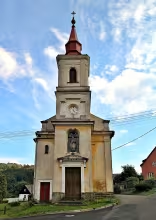
Kostel Panny Marie Sněžné, located in Andělská Hora within the Liberec region of the Czech Republic, is a Roman Catholic filial church. This architectural gem stands on a hill south of the town center and was transformed into its current late Empire style since 1833. An octagonal tower spire was added in 1838. Recognized as a state-protected cultural monument, it offers visitors insight into early 19th-century Bohemian historical and architectural developments.
The church's transformation during the early 1800s reflects broader European trends influencing Bohemia at that time. The Empire style, known for its grandeur and symmetry, became prevalent across Europe as nations expressed their cultural aspirations through architecture. Kostel Panny Marie Sněžné embodies this aesthetic shift, marking a significant period in Czech architectural history.
Architecturally, the church features a single-nave rectangular structure with a closed three-sided presbytery and a gabled roof covered with shingles. The octagonal tower, adorned with a spire topped by a finial and cross, is a distinctive feature. Completed in 1838, it includes a main entrance within a right-angled portal featuring ornate profiling and robust pilasters. Above this portal is a triangular tympanum supported by two volute consoles, with a semi-circular window above it framed by a deep spandrel bearing a statue of St. John Nepomucene. The church's high windows are arranged in three axes, enhancing its impressive interior space.
Today, Kostel Panny Marie Sněžné serves as an atelier and exhibition hall since 2001, having been stripped of its original furnishings relocated to Chrastava. Despite being empty inside, the church remains culturally significant due to its architectural features and historical context. Its hilltop location offers picturesque views typical of the scenic Liberec region.
Visitors are drawn by the church's architectural beauty and its role in reflecting 19th-century Bohemian cultural transformations. The preservation of Kostel Panny Marie Sněžné as a protected monument ensures future generations can appreciate this historical and artistic legacy. Its serene setting and unique design make it a worthwhile destination for those interested in Czech history and architecture.
Historical milestones
- circa 1833
- Transformation of the church into the style of late Empire.
- 1838
- Addition of an octagonal tower with a spire.
- 19th century
- Reflection of European trends in Empire style.
- 2001
- Used as a studio and exhibition hall after the removal of original furnishings.
Architectural development
Kostel Panny Marie Sněžné underwent significant architectural changes during the early 19th century. Originally built in an earlier style, it was transformed into its current late Empire style by 1833. The church features a gabled roof covered with shingles and a notable octagonal tower with a spire added in 1838.
Historical events
The church was transformed into its current late Empire style in 1833.
In 1838, the tower's distinctive spire was added.
Points of interest
- The octagonal tower spire of Kostel Panny Marie Sněžné was completed in 1838, just six years after the church's transformation began, reflecting a swift adaptation to the Empire style that swept through Europe.
- Despite its current use as an atelier and exhibition hall since 2001, the church originally held significant religious functions until its furnishings were moved to Chrastava, marking a transition from sacred space to cultural venue.
Guide
Show guide text
Welcome to the enchanting Kostel Panny Marie Sněžné on Andělská Hora, a jewel nestled in the Liberec region of the Czech Republic. As you stand before this Roman Catholic filial church, take a moment to absorb its serene presence—a testament to both history and artistry.
The journey of this remarkable structure began around 1833 when it underwent a transformation into the late Empire style, marking a significant period in architectural evolution. This era was characterized by an embrace of grandeur and symmetry, reflecting broader European trends that celebrated opulence and elegance. The church's metamorphosis during these renovations not only enhanced its aesthetic appeal but also secured its status as a state-protected cultural monument.
As you gaze upon the Kostel Panny Marie Sněžné, notice its single-nave rectangular structure with a closed three-sided presbytery—a design choice that speaks volumes about the architectural preferences of its time. The gabled roof cove adds to the church's majestic silhouette against the sky. Just six years after this transformation began, in 1838, an octagonal tower spire was added, completing the church’s adaptation to the Empire style. This swift addition reflects a period when Europe was swept up in architectural innovation.
Now, let your eyes wander to the striking octagonal tower spire that dominates the skyline. Its unique shape and historical significance make it a focal point of this site. Despite its evolution over time, including being repurposed as an atelier and exhibition hall since 2001 after removing the original furnishings, this church continues to captivate visitors with its blend of history and modern utility.
While many architects remain unknown in the annals of history, their work here speaks for itself, inviting us to ponder the stories that have unfolded within these walls. The absence of specific historical figures linked to this site only adds to its mystique, encouraging a personal connection as you explore.
A fascinating aspect of Kostel Panny Marie Sněžné is how it mirrors the architectural trends of the 19th century, particularly the Empire style's influence across Europe. This church stands as a testament to an era when architecture was not just about creating buildings but crafting legacies that would endure through centuries.
As your visit draws to a close, we invite you to linger in this space where history and artistry converge. Whether it’s the echoes of the past or the whispers of creativity from its recent uses, there is much to explore and appreciate here on Andělská Hora. Thank you for joining us on this journey through time at Kostel Panny Marie Sněžné. May your visit inspire a deeper appreciation for the stories etched into our world's architectural heritage.
Tips for visitors
The best time to visit Kostel Panny Marie Sněžné is during the late spring or early autumn months, when the weather is pleasant and the surrounding landscape of Andělská Hora offers its most picturesque views. These seasons provide a comfortable climate for exploring the church and enjoying the natural beauty without the crowds that can occur in peak tourist season. Additionally, visiting during these times allows you to experience local festivals or events that may be held at the church.
Parking is available near Andělská Hora's center, from where it’s a short walk up the hill to reach Kostel Panny Marie Sněžné. Public transport options are also accessible; however, specific bus numbers and schedules should be checked in advance through a local transportation search tool or at the nearest tourist information center. Walking is recommended for those staying nearby as it offers an opportunity to enjoy the scenic route.
When visiting Kostel Panny Marie Sněžné, consider bringing comfortable walking shoes, especially if you plan on exploring the surrounding hills and landscapes. A camera with a zoom lens can be useful for capturing detailed shots of the church's architecture. Since weather conditions in the Liberec region can change quickly, carrying a light rain jacket or umbrella is advisable.
For photography enthusiasts, early morning or late afternoon visits are ideal due to the soft natural lighting that enhances the architectural details and surrounding landscapes. The hilltop location provides excellent vantage points for capturing panoramic views of Andělská Hora and its environs. Be mindful of any restrictions on flash photography inside the church.
Nearby, within a 30-minute drive or walk, are several attractions that complement your visit to Kostel Panny Marie Sněžné. The natural beauty of the area offers opportunities for hiking and enjoying outdoor activities in scenic settings. Families with children might also enjoy exploring local parks or participating in guided nature walks available in the region.
Businesses nearby
Do you run a restaurant, accommodation, shop, museum, rental, wellness or other visitor service near this monument? Show yourself directly to the people heading to it — this is how they will see you in the app and on the web:
Nearby
Situated on a hill south of Andělská Hora's center, the church is surrounded by the scenic landscape typical of the Liberec region. The area offers picturesque views and is part of a locality known for its natural beauty.
Accommodation nearby
Trips and activities nearby
Guided tours, tickets and activities nearby from GetYourGuide
Search tours and activities →Themed route
Thematic Walking Tour: Andělská Hora and the Church of Our Lady of the Snows
1. Church of Our Lady of the Snows (Andělská Hora) - Historical Landmark Begin your journey at this stunning Baroque church, perched atop a hill south of Andělská Hora's center. The Church of Our Lady of the Snows is renowned for its architectural beauty and historical significance. It offers panoramic views of the surrounding Liberec region, making it an ideal spot to appreciate both art and nature.
2. Scenic Hilltop Views - Natural Beauty After exploring the church, take a leisurely walk around the hill where the church is located. The area provides picturesque vistas that capture the essence of the Liberec region's natural beauty. This spot is perfect for photography enthusiasts and those who enjoy peaceful walks amidst scenic landscapes.
3. Local Flora and Fauna - Nature Exploration As you continue your walk, immerse yourself in the local flora and fauna that thrive around Andělská Hora. The region's natural beauty is not just limited to its views but also includes a diverse range of plant life and wildlife. This segment offers an opportunity for nature lovers to connect with the environment.
4. Return Path through Scenic Landscape - Reflective Journey Conclude your tour by retracing your steps back towards Andělská Hora's center, enjoying the serene landscape along the way. This reflective journey allows you to soak in the tranquility of the area and appreciate the harmonious blend of history and nature that defines this charming locality.
This thematic walking tour offers a comprehensive experience of Andělská Hora's main attractions, focusing on its historical and natural highlights.
Seasonal recommendations
Spring: Visiting the Church of Our Lady of the Snows (Andělská Hora) during spring offers a refreshing experience as nature awakens with blooming wildflowers and lush greenery surrounding the historic site. The soft, natural light enhances the intricate architectural details of the church, creating an ethereal atmosphere perfect for photography enthusiasts. This season sees moderate visitor numbers, making it ideal for those who prefer a quieter exploration. It's advisable to wear comfortable layers as temperatures can vary, and bringing a hat or sunglasses might be beneficial during sunny days.
Summer: In summer, the Church of Our Lady of the Snows becomes a vibrant backdrop against the lush landscapes of Andělská Hora. The longer daylight hours provide ample time to explore both the church's interior and its scenic surroundings. This is peak tourist season, so arriving early in the day can help avoid larger crowds. Light, breathable clothing is recommended due to warmer temperatures, along with comfortable walking shoes for exploring the area’s hiking trails. Don’t forget sunscreen and a water bottle to stay hydrated.
Autumn: Autumn transforms Andělská Hora into a picturesque setting with its rich tapestry of reds, oranges, and yellows. The church is beautifully lit by the soft, golden hues of fall sunlight, enhancing its historical charm. This season offers a balance between pleasant weather and fewer tourists, providing an excellent opportunity for those seeking both tranquility and stunning views. Layered clothing is advisable to accommodate fluctuating temperatures, and carrying a light jacket can be useful during cooler evenings.
Winter: The Church of Our Lady of the Snows in winter presents a magical scene with snow-covered landscapes that create a serene and almost mystical atmosphere around the historic site. Lighting conditions are unique due to shorter days, offering dramatic contrasts between shadows and highlights on the church’s architecture. Visitor numbers tend to be lower, allowing for a more intimate experience. Warm clothing is essential, including thermal layers, a hat, gloves, and waterproof boots, as snow can make pathways slippery. Be mindful of potentially reduced opening hours during this season.
Visualizations and artistic views

Vizualizace jsou generovány umělou inteligencí a slouží jako inspirace.


Tips from visitors
No tips yet. Be the first!
Log in and add your tip.
Location on the map



Příběhy a pověsti
Legendy, pověsti a příběhy spjaté s touto památkou
Reviews and comments