



Kostel Prozřetelnosti Boží (Šenov) Church
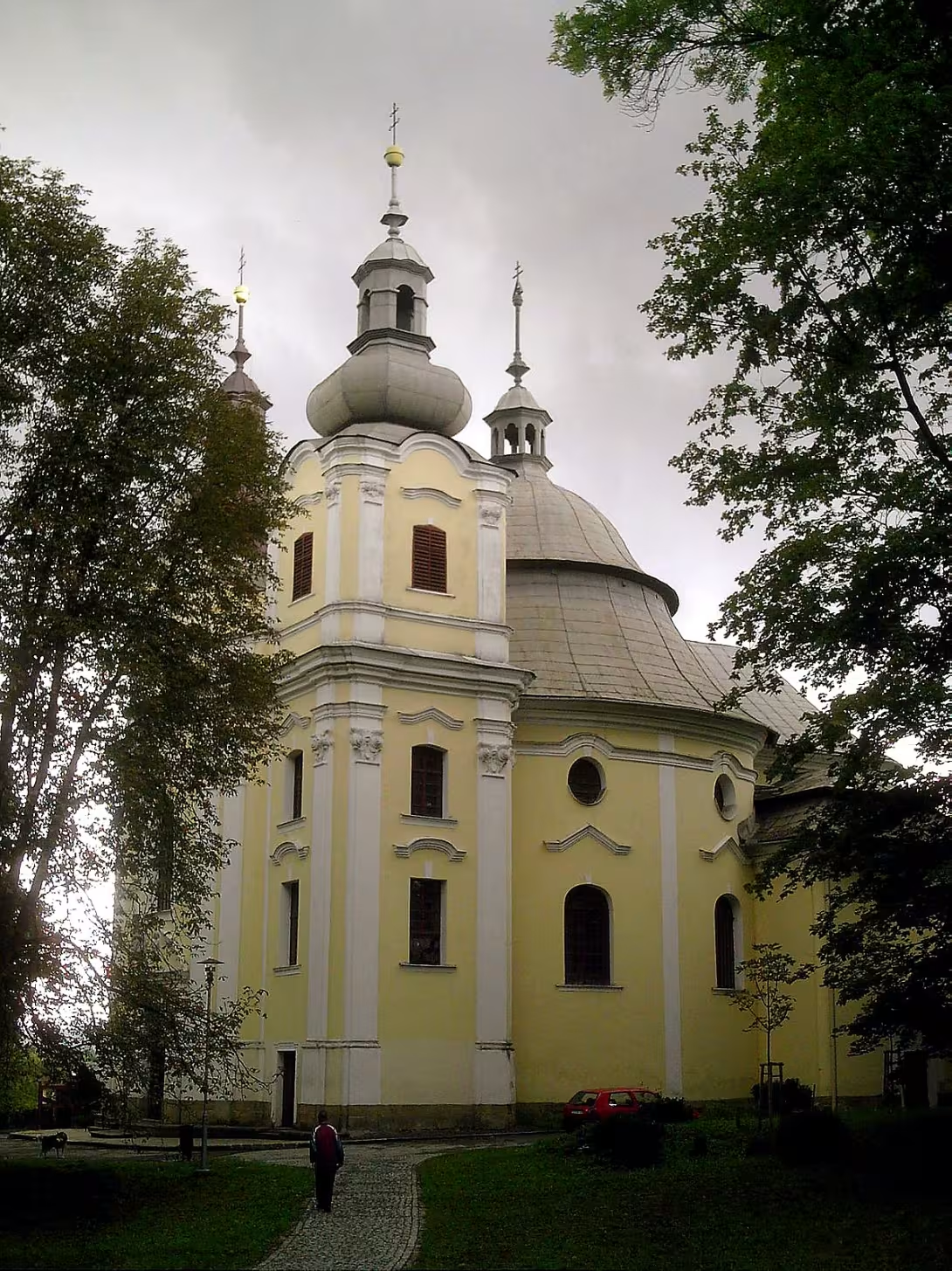
The Church of Divine Providence in Šenov is an excellent example of Baroque architecture in the Czech Republic. Located in the village Šenov, this Roman Catholic church was built between 1764 and 1765 under the guidance of architect Jakub Pánka. Known as the "Baroque pearl of Silesia," it is celebrated for its cultural importance and architectural beauty.
The origin of the church dates back to the middle of the 18th century, which is a period of significant cultural and architectural development in the Czech Republic, which is part of the Habsburg monarchy. Jakub Pánka created this building by means of stone from the Polish Ostrava estate when Baroque art and architecture flourished throughout Europe, characterized by dramatic speeches and grandeur. The foundation stone was consecrated on 8 November 1764 by Karel Josef Ibrahim of the Suché, a remarkable figure of the time. Remarkable is that the construction was completed within more than one year and was officially consecrated on 9 August 1772 by Filip Gotthard Schaffgotsch, which further strengthened its regional importance.
Architectural depicts the church's baroque style prevailing in its time. The construction elements Jakub Pánka are sophisticated and dramatic elements typical of baroque architecture, designed to induce emotions and grandeur through complex details and bold forms. The stone from Polish Ostrava provided a solid foundation and improved the aesthetic attraction of the church.
Throughout their history, various religious figures oversee the Church, playing an important role in its administration and preservation. The involvement of Karel Josef Ibrahim of Suché at the beginning set the stage for its construction, while the later consecration of Philip Gotthard Schaffgotsch meant a key moment in its history.
the church witnessed key events that underlined its historical significance. The initial laying of the base stone and its subsequent completion over a period of one year highlight the effectiveness and commitment involved in its creation. His sanctification by remarkable religious figures further emphasizes its importance as a spiritual and cultural monument.
The church is now open to visitors who are interested in discovering its architectural beauty and historical context. As a protected cultural monument of the Czech Republic, it continues to attract those who appreciate Baroque art and want to immerse themselves in the rich history of the region. His designation as the "baroque pearl of Silesia" refers to its continuing charm and importance.
Visiting the Church offers the opportunity to witness a remarkable architectural heritage, which is proof of the cultural vibrations of the Czech Republic of the 18th century. It's a place where history, art and spirituality collide and encourage visitors to explore its past and appreciate its timeless beauty.
Then and now
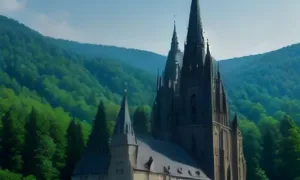
Drag the slider to compare how the landmark may have looked when it was built with the view today.
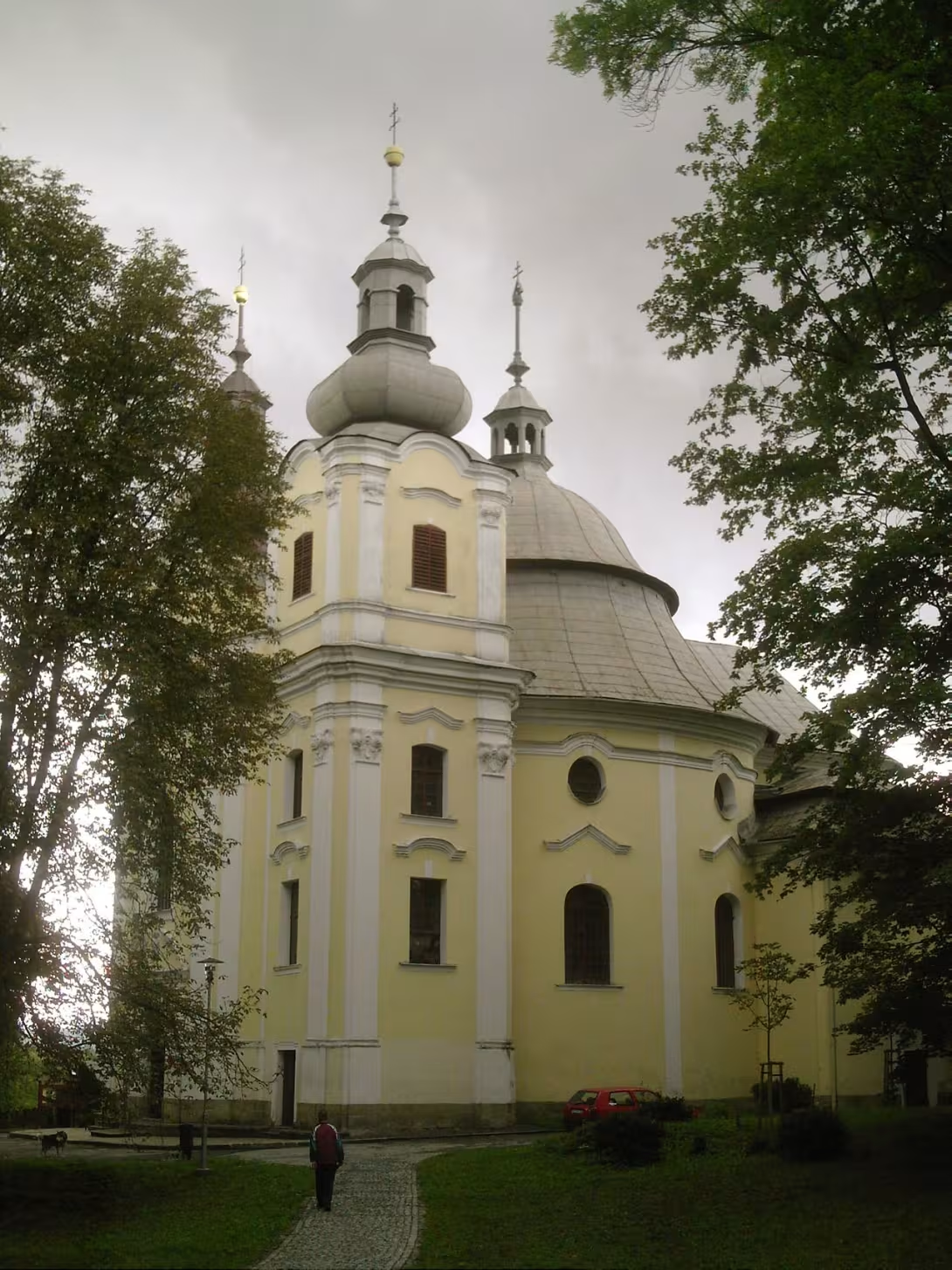

The historical appearance on the left is an AI-generated visualisation and serves as inspiration only.
Historical milestones
- 1764
- Opening of the church under the leadership of architect Jakub Pánek.
- 1765
- He'll finish building the church.
- 1772
- Official presentation of the cube by Philip Gotthard Schaffgotsch.
Architectural development
The construction of the church began in 1764 and ended within one year and showed the Baroque style of the typical era. Jakub Pánka is credited with its design, which uses the stone from Polish Ostrava for its construction.
Historical events
- 1764
- The foundation stone church was sanctified by Karel Josef Ibrahim from Suché.
- 1772
- The complete Church of Divine Providence was sanctified by Philip Gotthard Schaffgotsch.
Points of interest
- Divine Providence Church is often referred to as the "baroque pearl Silesia," a nickname that emphasizes its exceptional beauty and position of baroque structures in the region.
- Jakub Pánka, architect for church design, used stone from the estate of Polish Ostrava, which not only provided durability, but also added to aesthetic attraction its unique texture and color.
- The rapid construction of the church - completed within a few years - is remarkable for the so sophisticated Baroque structure, which shows both effective planning and skilled craftsmanship during this period.
- Karel Josef Ibrahim of Suché, who sanctified the cornerstone in 1764, was not only a remarkable religious figure, but also played an important role in the beginning of the church of construction, reflecting his influence in regional church matters.
- the designation of the church as a protected cultural monument underlines its importance and ensures that it is preserved for future generations to appreciate its historical and architectural importance.
Guide
This guide is narrated by a synthetic voice generated by artificial intelligence.
Show guide text
This text was created by artificial intelligence and has not been editorially reviewed. It may contain inaccuracies.
Welcome to the Church of Divine Providence in Šenov, a remarkable law of Baroque architecture nestled in the Moravian-Silesian region. When you're standing here, imagine going back to 1764, when this stunning building began to form under the guidance of architect Jakub Pánka. A year later, completing it meant an era of architectural brilliance.
The divisional Providence Church is often celebrated as a "Baroque pearl of Silesia," a title that speaks of its exceptional beauty and importance among regional baroque creations. As you look at the church, take in a harmonious mixture of forms and functions, proof of Jakub Pánka visionary design. The stone used for this beautiful construction was obtained from the estate of Polish Ostrava by adding a layer of local history to its foundation.
Now we're going to immerse ourselves in the historical context of this architectural jewel. In 1764, the church, which was completed in 1765, appeared at a time when Baroque architecture flourished throughout Europe, characterized by grandeur and attention to detail. He was sanctified in 1772 by Philip Gotthard Schaffgotsch, adding a spiritual dimension to his physical beauty.
Karel Josef Ibrahim of Suché played an instrumental role as patron of the church, supported its construction and ensured that he became the main point of community life. His vision, combined with Punk's architectural prowess, resulted in a structure that served not only religious purposes, but also stood as a cultural beacon for generations.
As you explore further, consider the stories inside these walls - the dedication of those who built it, the spiritual paths of his assembly for centuries, and the artistic effort that preserved his beauty. Every stone carries the whisper of the past and invites you to think about the lives intertwined with this sacred space.
An interesting aspect of this church is its nickname "Baroque pearl Silesia." This nickname highlights not only aesthetic attraction, but also the cultural importance of a region rich in history and tradition. It is a reminder of how architecture can overcome mere functionality, become a symbol of identity and pride for the community.
As we close this soundtrack to the churches of divine Providence, I urge you to continue to explore its surroundings, perhaps wander the roads that lead from the door, or dive into other local stories that paint a fuller picture of the Šenov heritage. Thank you for joining me and appreciating this architectural masterpiece - the true jewel of the Silesian Baroque.
Goodbye, and may your visit inspire both reflection and discovery.
Tips for visitors
The best time to visit the church of Divine Providence in Šenov is at the end of spring or early autumn when the weather is pleasant for outdoor exploration and natural light increases the complex details of baroque architecture. These seasons also tend to have fewer tourists, allowing a more peaceful experience. Moreover, a visit on weekdays can help avoid crowds that can gather on weekends.
When visiting the Church of Divine Providence, consider bringing comfortable walking shoes as you wish to explore the area by foot. A camera or smartphone with a good camera allows you to capture stunning baroque details and calm atmosphere inside the church. In addition, it is recommended to wear a light jacket, especially when visiting in spring or autumn, because temperatures can be variable.
For lovers of photography, the best places to capture the church of divine Providence are from the front entrance where its magnificent facade is fully visible, especially during the golden hour (early morning or late afternoon) when sunlight increases architectural details. Inside, natural light filtering through window stained windows creates a beautiful atmosphere ideal for photography.
Near attractions within a 30-minute drive include other historical monuments and natural landscapes that offer a view of the rich cultural heritage of the region. Exploring these nearby sites can provide additional context for your visit and enrich your overall experience in Šenov.
Frequently asked questions
Can the monument be visited?
Religious buildings are usually open mainly during services; at other times a visit is normally arranged with the parish or the operator. We have not verified specific times.
Where is the monument?
Location: Šenov, Moravskoslezský kraj. The map on this page shows the exact spot.
Why is the monument protected?
It is listed in the Central List of Cultural Monuments of the Czech Republic as a cultural monument (register no. 37271/8-720).
Businesses nearby
Do you run a restaurant, accommodation, shop, museum, rental, wellness or other visitor service near this monument? Show yourself directly to the people heading to it — this is how they will see you in the app and on the web:
Events nearby
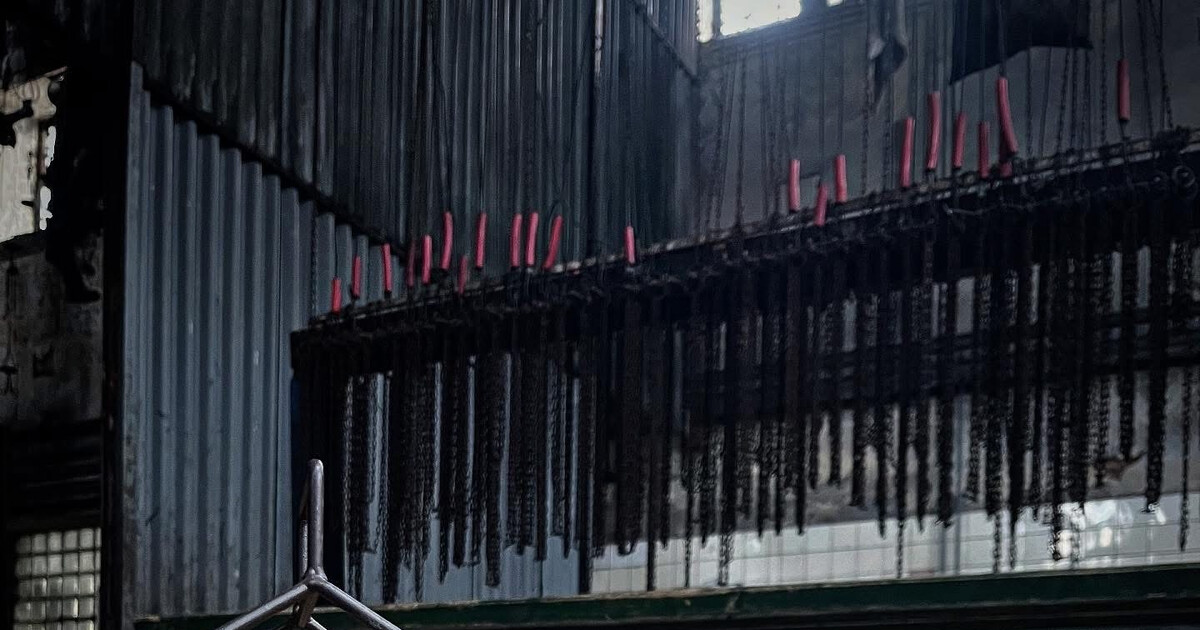
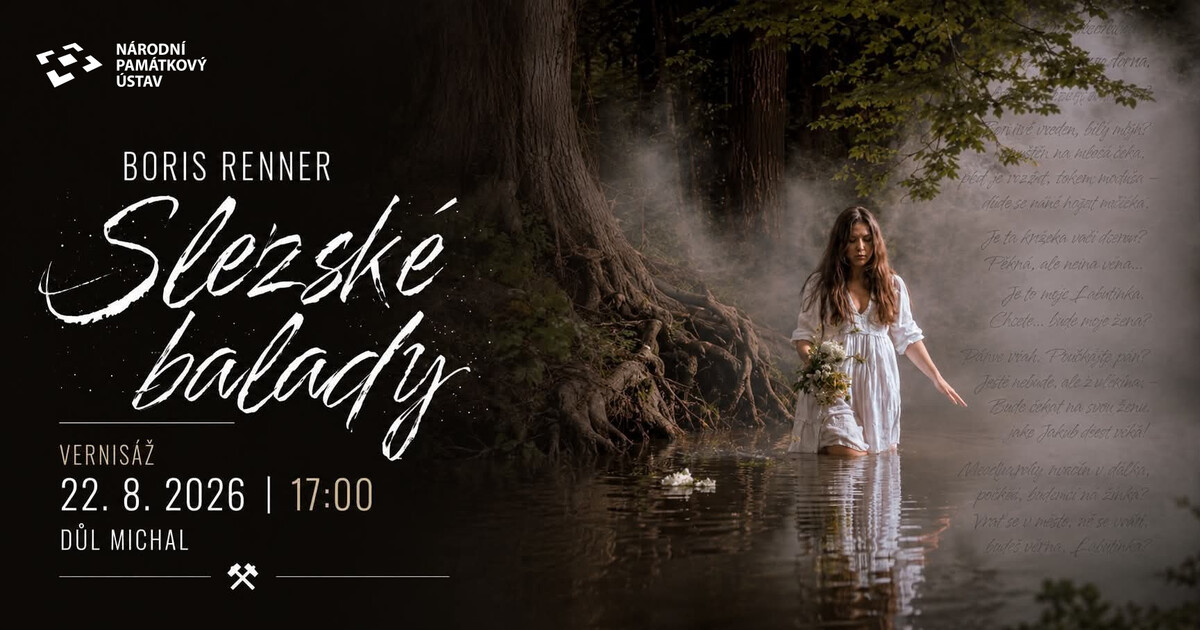
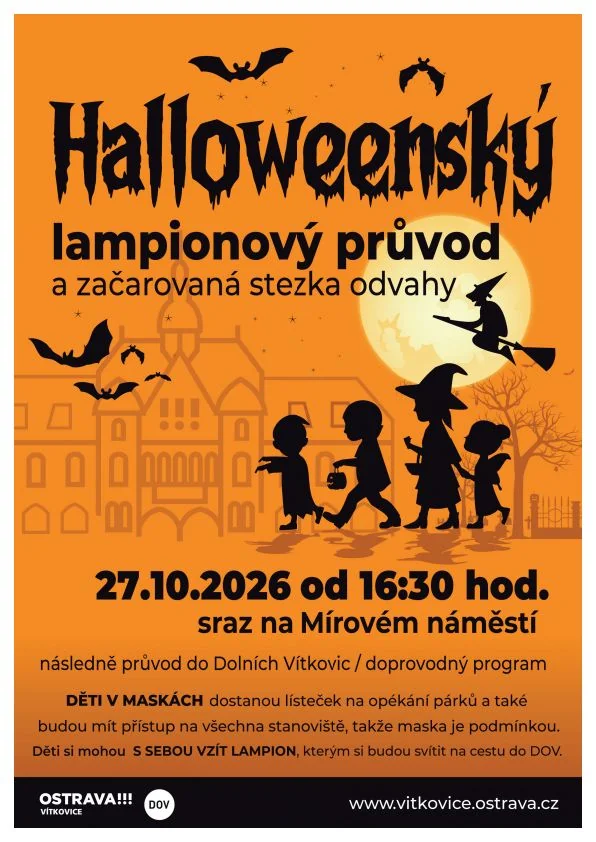
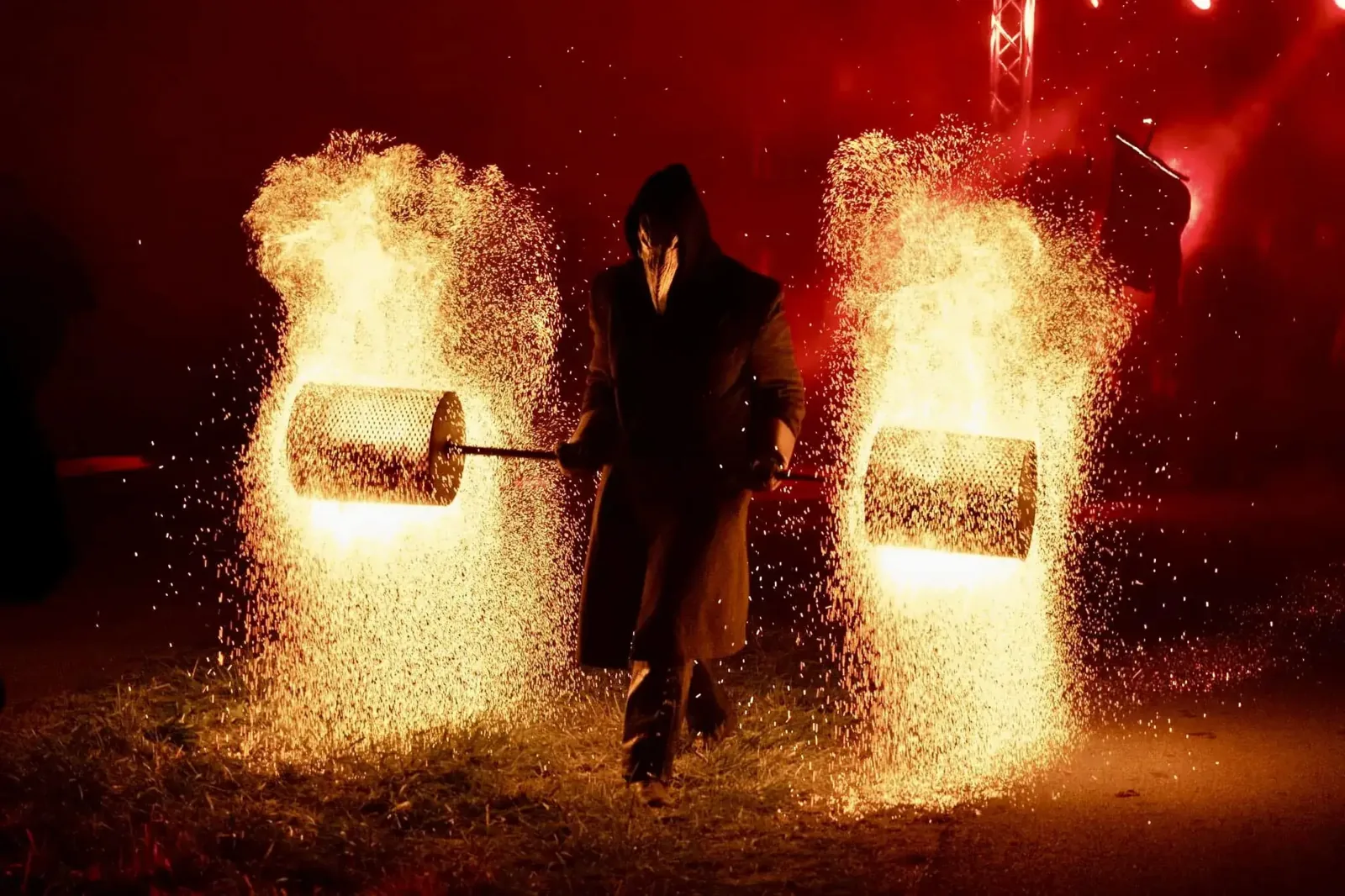
Zdroj akcí: otevřená data měst a obcí ČR (Národní katalog otevřených dat) a kalendář akcí Národního památkového ústavu.
Nearby
➜ Zobrazit interaktivní přehled okolí – restaurace, ubytování, půjčovny a další místa v okruhu 15 km.
Data: OpenStreetMap contributors, okruh 15 km.
🏰 Historické památky
- Pomník obětem obou světových válek (0.3 km)
- Zámek Šumbark (3.2 km)
- Památník padlým 1914-1918 (4.6 km)
- T.G. Masaryk (4.8 km)
- Důl Michal (6.7 km)
- Schloss Witkowitz (7.9 km)
- Muzeum Vítkovic (7.9 km)
- most Miloše Sýkory (7.9 km)
🍽️ Restaurace a stravování
- Beskyd( Hňup ) (7.0 km)
- Zámek Zábřeh (9.7 km)
- Racek (10.6 km)
- Krčma u Zvonu (13.8 km)
- Hvězda (13.8 km)
- Boombay (14.1 km)
- McDonald's (14.1 km)
- Restaurace Saigon (14.2 km)
🏨 Ubytování
- Jan Maria (5.8 km)
- Hotel Impuls (6.2 km – U Hřiště 1324/13b)
- Ubytovna Nerudova 23 (8.0 km – Nerudova 499/23)
- Penzion Flora (8.8 km – 19)
- Best Western Hotel Vista (9.0 km)
- Penzion Silma (9.4 km – Úvozní 5)
- Quality Hotel Ostrava City (9.7 km)
- Dům mladých hutníků (10.4 km)
🚲 Půjčovny a sport
- Bike Sport Vratimov (4.5 km)
- RPH Fitness s.r.o (6.3 km – Šrámkova 1379/2)
- Dingo Bike Sport Servis (6.8 km)
- Alpsport (8.4 km)
- Mike Bike (8.7 km – Cholevova 1530/1)
- MAX CURSOR (9.2 km – Čujkovova 52)
- Squash centrum (10.7 km)
- Hervis (11.6 km)
🥾 Turistika a příroda
- halda Ema (7.4 km)
- Zábřeh (smyčka, MHD) (9.7 km)
- Svatý pramen (9.9 km)
- Stará Bělá (sokolovna) (9.9 km)
- Svatý pramen (9.9 km)
- Stará Bělá (koup.) (10.1 km)
- Majerovec (rozcestí) (10.5 km)
- Polanecká spojka - most (11.1 km)
Accommodation nearby
Themed route
Thematic cruise route: Kostel Prozřetelnosti Boží (Šenov)
1. Church of Providence of God, Šenov - * Type: * Religious monument - * Why is it worth visiting: * This church is an architectural house from 1903 and represents a single combination of pink historical styles. It should be borne in mind that Member States should be able to take the measures necessary to achieve the objective.
2. The Hire of the Church of God - * Type: * Historical designation - * Why is it worth visiting: * Square offered liquid space for relaxation and reflective. It is an ideal place to walk after sunset, where the church twists in its surviving colors.
3. St. John Nepomuk's Chapel - * Type: * Chapel - * Why is it worth visiting: * This chapel is part of the church area and serves as a place of prayer and peace. They eat history and architecture overlapping tasks that are included in the leadership.
4. Tower of the Church of Providence of God - * Type: * Tower - * Why is it worth a visit: * View from the total acquisition of logs to the surrounding region and city Šenov. It is an ideal place for photo and for those who are sure that quiet places with panoramic production.
5. Park around the Church of Providence of God - * Type: * Park - * Why is it worth a visit: * Park offers pleasant prochas and is an ideal place to relax in nature. Its green and peaceful space is perfect to disconnect from every day's life.
This route offers, on the basis of the possibility of passing through historical and natural kings, the circumstances of Providence God in Šenovi.
Seasonal recommendations
Spring: The wall of the Church of the Providence of God in the spring period of the acquired single ratios with the arrival when the tree charter and the circumstances were counted. Sunshine days can be ideal for a photography church with bright Lighting and live colors of natural history. The church can be mildly implanted even in the summer, which allows the possibility of sale. It is proposed to wear applicable requirements for small temperatures and adjacent umbrellas for direct economic guarantees.
Summer: During the summer season, the Church of the Influence of God is not completely filled with a brick, which implies that some of them are tourists and smaller. Sunshine days acquired by ideal support for photo editing with the main figures and a clear estimate that can lead to architectural analysis. The company Proposals is compared to its own market share of the bulk and non-negligible, coal-tar goods for captive use. The peak may be high, so bring a drink.
Autumn: The church's chateau in autumn encouraging peaceful conditions with a minority of numerous and beautiful landscapes, where tree leaves are marked and red. Sunshine conditional support provided by the same resonance that can obtain the building architecture, which makes this time ideal for photography. It is proposed to wear layered round products which are in decreasing temperatures and to be transported to the national country. Shorter days can mean that the church closes early, so the planar parts are slippery.
Winter: The winter value of the Church of the Divinity of God is only encouraged in view of the possible increase in the state that needs to be used in order to achieve a historical status and be of romantic importance. Sunshine days may be eligible, but the provision of beautiful contracts covering these areas. It is proposed to wear warm suits, including hat and gloves, and adjacent tar shoes for cold poud.
Visualizations and artistic views


The visualisations are generated by artificial intelligence and serve as inspiration.
Photos from the area
Real photos taken near the monument


Zdroj a licence jsou uvedeny u každého snímku.
Tips from visitors
No tips yet. Be the first!
Log in and add your tip.
Sources and literature
Photos: Adrian.s / Public domain — Wikimedia Commons. The author and licence also appear when you hover over the image.
Faktickým podkladem tohoto textu byl článek na Wikipedii, jehož autory jsou přispěvatelé Wikipedie. Článek je dostupný pod licencí CC BY-SA 4.0.
Location on the map
Příběhy a pověsti
Legendy, pověsti a příběhy spjaté s touto památkou
Fotografie návštěvníků
Zatím žádné fotografie. Buďte první, kdo přidá fotografii z návštěvy!
Log in a přidejte svou fotografii nebo hodnoťte.
Za ověřenou návštěvu v aplikaci získáte víc bodů — poznáme podle GPS, že jste na místě.
Reviews and comments