






Kostel svaté Kláry v Chebu Church
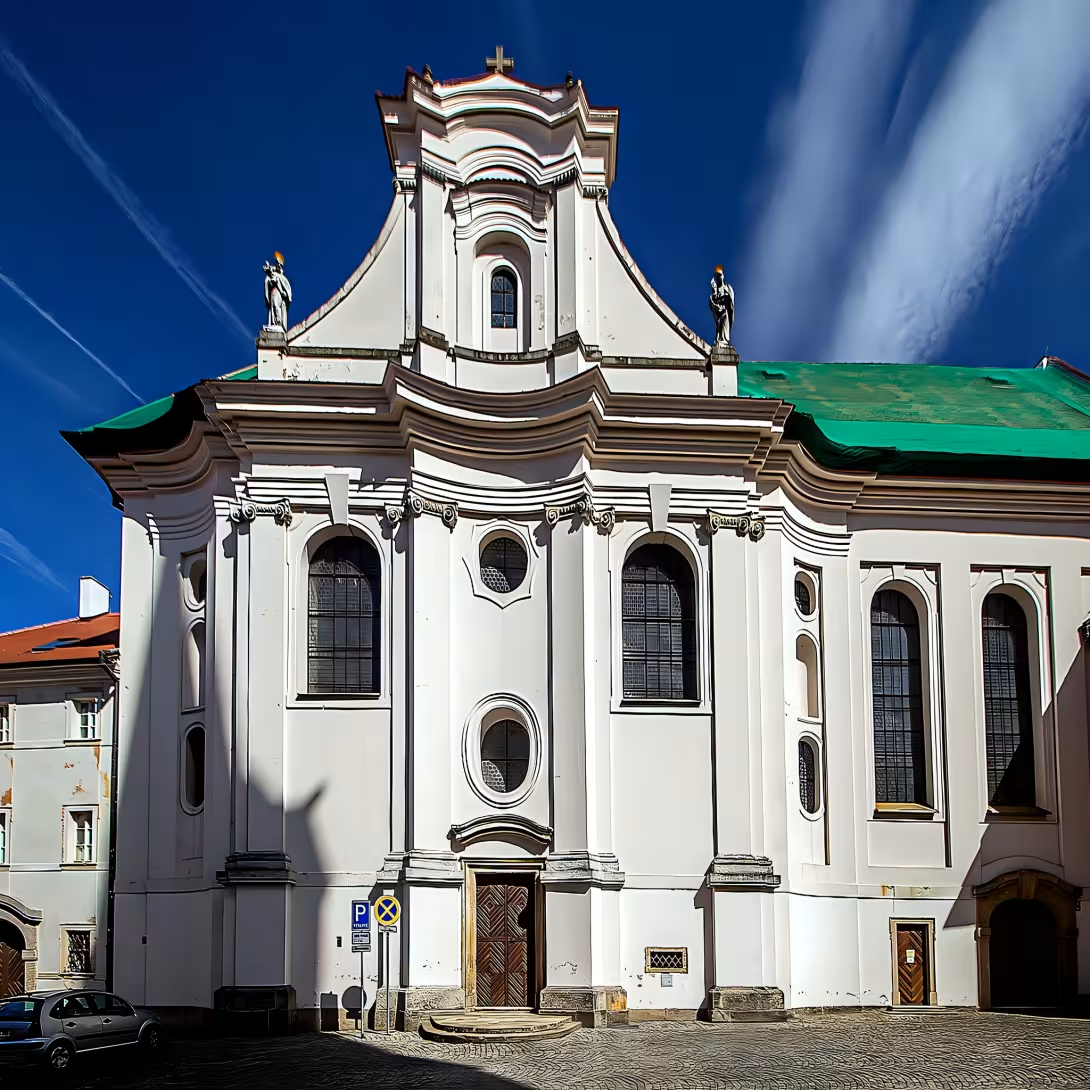
The Church of Saint Clare in Cheb is an outstanding example of Czech radical Baroque architecture, designed by Kryštof Dientzenhofer between 1708 and 1711. Situated in the town of Cheb within the Karlovarský kraj region, this church is significant for its architectural value and serves as an exhibition space for the Gallery of Fine Arts in Cheb. As part of a cultural heritage site with monastery buildings, it reflects historical and artistic values that continue to attract interest today.
The construction was completed in 1711 under Dientzenhofer's design during a period when Bohemia, within the Habsburg Monarchy, experienced significant Baroque architectural development. This era saw the rise of radical Baroque styles characterized by innovative designs and religious influences. The church was built for the Clarisse nuns, whose vow of poverty is mirrored in its simplified façade and complex interior plan.
Architecturally, the Church respects its urban setting with the main entrance on a side wall rather than at the front. This decision reflects Dientzenhofer's respect for the surrounding environment. The façade lacks superfluous decoration, emphasizing structural elements instead—a design choice that aligns with the Clarisse nuns' vow of poverty. Internally, the church features an intricate plan comprising two intersecting ovals and a central oval suggested by diagonally positioned pillars. This complex layout culminates in twin domes forming the ceiling structure.
Kryštof Dientzenhofer's authorship is confirmed through stylistic analysis, despite the absence of direct documentation naming him as the architect. His frequent stays in Cheb and similarities between this church’s design and his work on the Prague Loreta further support this attribution. The distinctive concave curvature of the façade aligns with Dientzenhofer's known architectural style.
Today, the Church of Saint Clare remains an integral part of Cheb's cultural landscape. It is accessible to visitors interested in exploring its historical and artistic significance. As a venue for art exhibitions, it continues as a vibrant space connecting past and present. The church’s preservation as a cultural heritage site ensures that its architectural beauty and historical importance endure.
Visiting the Church of Saint Clare offers an opportunity to appreciate a unique piece of Czech Baroque architecture and understand the historical context in which it was created. Its blend of artistic innovation and religious devotion makes it a compelling destination for those interested in history or art.
Then and now
Drag the slider to compare how the landmark may have looked when it was built with the view today.
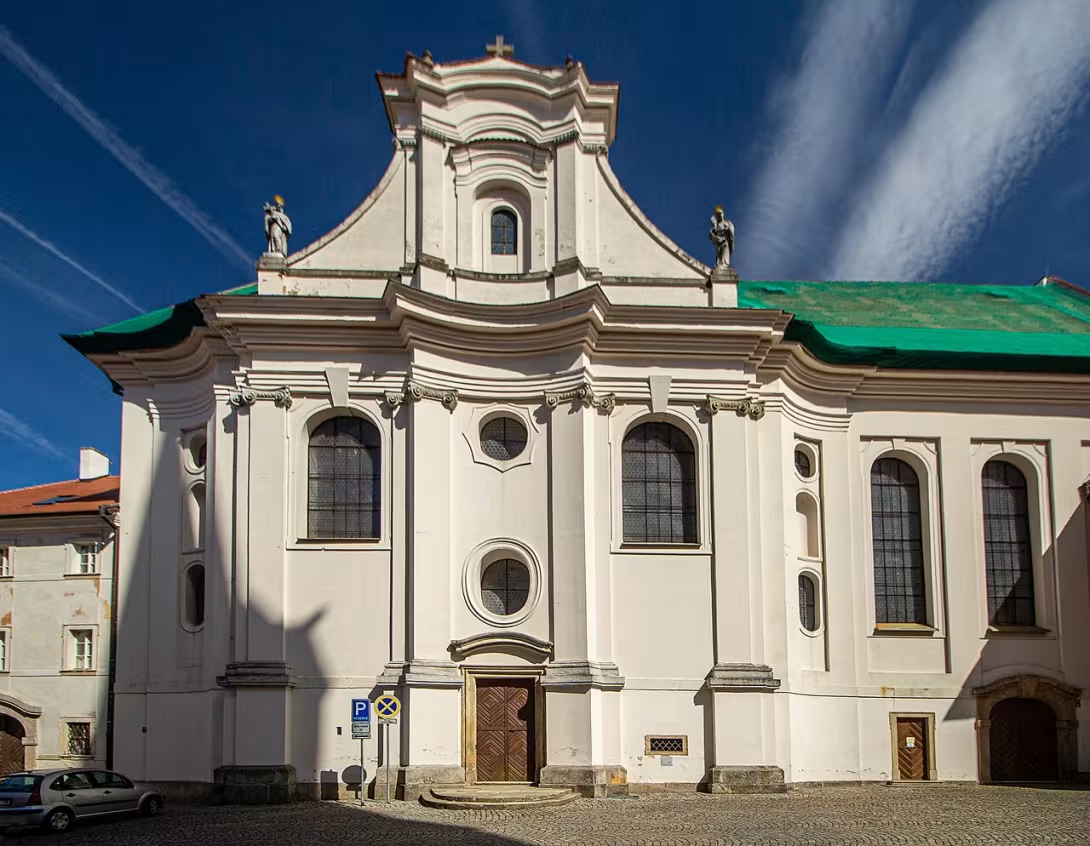

The historical appearance on the left is an AI-generated visualisation and serves as inspiration only.
Historical milestones
- 1708
- Začátek stavby kostela svaté Kláry v Chebu.
- 1711
- Dokončení stavby kostela pod vedením Kryštofa Dientzenhofera.
Architectural development
The church's design respects its urban setting with the main entrance on a side wall. Its façade is devoid of superfluous decoration, emphasizing structural elements and reflecting the Clarisse nuns' vow of poverty. The interior features a complex plan with two intersecting ovals and a central oval suggested by diagonally positioned pillars, topped by twin domes.
Historical events
Construction completed in 1711, marking the establishment of a significant Baroque religious structure in Cheb.
Guide
This guide is narrated by a synthetic voice generated by artificial intelligence.
Show guide text
This text was created by artificial intelligence and has not been editorially reviewed. It may contain inaccuracies.
Welcome to the Church of Saint Clare in Cheb, a jewel nestled within this historic city. As you stand here today, your first impression is one of serene simplicity—a façade that speaks volumes through its understated elegance. This church, designed by Kryštof Dientzenhofer between 1708 and 1711, stands as a testament to the Czech radical Baroque style, an era marked by architectural innovation.
Let's delve into its history: The Church of Saint Clare began construction in 1708, under the visionary guidance of architect Kryštof Dientzenhofer. Its completion in 1711 marked a significant contribution to Cheb’s cultural and spiritual landscape. This church was conceived as a home for the Clarisse nuns, whose vow of poverty is reflected in its deliberately plain exterior. While simplicity graces the outside, step inside, and you’ll discover an intricate world—a sophisticated design featuring intersecting ovals and twin domes that create a surprising contrast between outward modesty and internal grandeur.
As we explore further, take note of these architectural marvels: The façade’s intentional plainness is not just aesthetic but symbolic. It embodies the Clarisse nuns' commitment to simplicity and humility. Yet, behind this unassuming exterior lies an interior that captivates with its complexity—a testament to Dientzenhofer's ingenuity.
While we may not have documented tales of specific individuals who frequented this church in its early days, the spirit of those times lingers within these walls. The Church of Saint Clare serves today as more than just a place of worship; it houses an exhibition space for the Gallery of Fine Arts in Cheb, continuing to inspire and engage visitors with both art and history.
Now, let me share a fascinating aspect: Despite its plain exterior, this church harbors architectural surprises that challenge expectations. The contrast between the façade's simplicity and the interior’s elaborate design invites contemplation—a reminder of how appearances can often be deceiving.
As you continue your exploration, I encourage you to immerse yourself in the atmosphere here. Feel free to wander through its spaces, absorb the artistry, and let your imagination travel back to a time when this church first opened its doors.
Thank you for joining me on this journey through history and architecture. As we part ways, may your visit to the Church of Saint Clare leave you with lasting impressions and a deeper appreciation for the stories embedded in these walls. Enjoy the rest of your exploration in Cheb!
Tips for visitors
The best time to visit the Church of Saint Clare in Cheb is during late spring or early autumn, specifically from May to June and September to October. During these months, the weather is typically mild and pleasant, making it ideal for exploring both the church and its surroundings. Additionally, visiting outside the peak summer season often means fewer crowds, allowing you to appreciate the architectural details more intimately.
Parking and transportation options are convenient in Cheb. There are several parking areas available within a short walking distance from the church, suitable for those traveling by car. For visitors preferring public transport, Cheb is well-connected with buses that can take you close to the church. It's recommended to check the latest schedules on local transit websites or apps before your visit.
When visiting the Church of Saint Clare, it’s advisable to bring comfortable walking shoes as you may want to explore other nearby historical sites and natural features within a 5 km radius. A camera is also recommended for capturing the stunning Baroque architecture, especially during golden hours when the light enhances the intricate details of the church.
Photography enthusiasts will find several spots around the Church of Saint Clare ideal for capturing its beauty. The best lighting conditions are typically in the early morning or late afternoon when the sunlight creates a warm glow on the building’s façade. Additionally, taking photos from the opposite side of the street can provide a clear view without obstructions.
For families with children visiting the Church of Saint Clare, consider exploring nearby attractions within 30 minutes that are family-friendly. The Cheb Castle and its surrounding park offer an engaging experience for all ages, providing both historical insights and recreational space. Additionally, the local market square is perfect for a leisurely stroll or a snack break.
Frequently asked questions
Can the monument be visited?
Yes. We verified the opening hours or admission on the official website (2. 10. 2026); you will find them in the visitor information on this page. Please double-check with the operator before you travel.
What are the opening hours and admission?
Details verified on the official website (2. 10. 2026) are listed in the visitor information on this page. Official website: https://www.galerie4.cz
Where is the monument?
Location: Cheb, Karlovarský kraj. The map on this page shows the exact spot.
Why is the monument protected?
It is listed in the Central List of Cultural Monuments of the Czech Republic as a cultural monument. It is protected as part of a larger listed ensemble.
Businesses nearby
Do you run a restaurant, accommodation, shop, museum, rental, wellness or other visitor service near this monument? Show yourself directly to the people heading to it — this is how they will see you in the app and on the web:
Nearby
The church is located in Cheb, a town known for its rich history and cultural heritage. The surrounding area includes other historical sites and natural features within a 5 km radius.
Accommodation nearby
Themed route
Thematic Walking Tour: Cheb's Historical and Cultural Journey
1. Kostel svaté Kláry (Church of Saint Clare) - Type: Church - Why Visit: Begin your journey at the heart of Cheb with this stunning Baroque church, renowned for its intricate architecture and serene atmosphere. The Church of Saint Clare is not only a place of worship but also a testament to the town's rich cultural heritage. Its beautiful interior and historical significance make it an essential stop for anyone interested in exploring Cheb's past.
2. Chebské vodárny (Cheb Waterworks) - Type: Historical Site - Why Visit: Located just a short walk from the Church of Saint Clare, the Cheb Waterworks is a fascinating example of early 20th-century engineering. This site offers insight into the town's industrial history and showcases unique architectural features that blend functionality with aesthetic appeal. It’s an intriguing spot for those interested in how historical infrastructure shaped modern Cheb.
3. Chebské náměstí (Cheb Square) - Type: Historical Site - Why Visit: As you continue your exploration, make your way to the vibrant Chebské náměstí. This central square is surrounded by historical buildings and offers a glimpse into the town's past life as a bustling trade hub. It’s an ideal place for visitors to relax, enjoy local cuisine at nearby cafes, or simply soak in the atmosphere of this picturesque locale.
4. Chebské hradby (Cheb City Walls) - Type: Historical Site - Why Visit: Conclude your tour by walking along the remnants of Cheb's ancient city walls. These fortifications provide a tangible connection to the town’s medieval history and offer stunning views of the surrounding landscape. The walk along the walls is both educational and scenic, making it a perfect end to a day immersed in Cheb's historical charm.
This thematic tour offers a comprehensive look at Cheb's cultural and historical landmarks, providing visitors with an enriching experience that highlights the town’s unique heritage.
Seasonal recommendations
Jar: During the spring season, Kostel svaté Kláry in Cheb takes on a special atmosphere as sunlight streams through its roofs and enlivens the interior. The surrounding gardens and parks turn green, bringing a sense of complete renewal that creates an ideal environment for visiting. It is advisable to visit the church early in the morning when the number of visitors is still low, allowing you to enjoy a peaceful tour. Dressing appropriately for mild temperatures and preparing for possible sun exposure is recommended.
Léto: Summer in Cheb offers long days filled with sunlight, meaning Kostel svaté Kláry can be bathed in lively sunshine. However, this time of year is also the most popular among tourists and locals, resulting in a higher number of visitors. It's best to visit the church early in the morning or late afternoon to avoid long queues and fully experience the beauty of this historic site. Don't forget sun protection glasses and plenty of water if you plan an extended tour.
Podzim: Autumn brings Kostel svaté Kláry in Cheb stunning foliage colors that change into golden and red hues. This season is ideal for a relaxed visit without too many tourists. Sunny days remain warm, but evenings cool down quickly, so it's wise to have something warmer for afternoon or evening tours. The atmosphere during this time is calm and mild, making autumn an ideal period to use the church as a place of relief and tranquility.
Zima: Winter brings Kostel svaté Kláry an atmosphere of silence and peace, with the surrounding landscape covered in snow. This season is less demanding for tourists, allowing you to plan visits at your own pace without concern for long queues. However, it's important to prepare for cold temperatures and possible snow—wearing warm clothing, a hat, and protective boots is recommended. Winter light gives the interior of the church a different feel than in other seasons, adding to the magic of this historic monument.
Visualizations and artistic views


The visualisations are generated by artificial intelligence and serve as inspiration.
Photos from the area
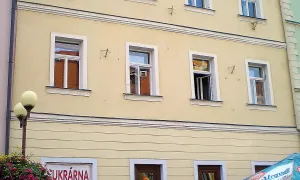
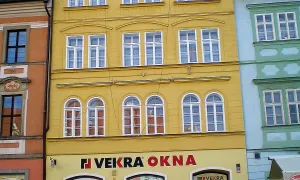
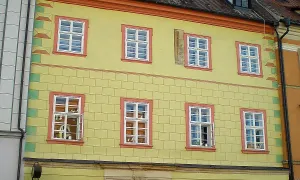
Real photos taken near the monument


Zdroj a licence jsou uvedeny u každého snímku.
Tips from visitors
No tips yet. Be the first!
Log in and add your tip.
Sources and literature
Photos: VitVit / CC BY-SA 4.0, rozlišení zvýšeno umělou inteligencí — Wikimedia Commons. The author and licence also appear when you hover over the image.
Faktickým podkladem tohoto textu byl článek na Wikipedii, jehož autory jsou přispěvatelé Wikipedie. Článek je dostupný pod licencí CC BY-SA 4.0.
Location on the map

Příběhy a pověsti
Legendy, pověsti a příběhy spjaté s touto památkou
Fotografie návštěvníků
Zatím žádné fotografie. Buďte první, kdo přidá fotografii z návštěvy!
Log in a přidejte svou fotografii nebo hodnoťte.
Za ověřenou návštěvu v aplikaci získáte víc bodů — poznáme podle GPS, že jste na místě.
Reviews and comments