



Kostel svatého Antonína Paduánského (Melč) Church
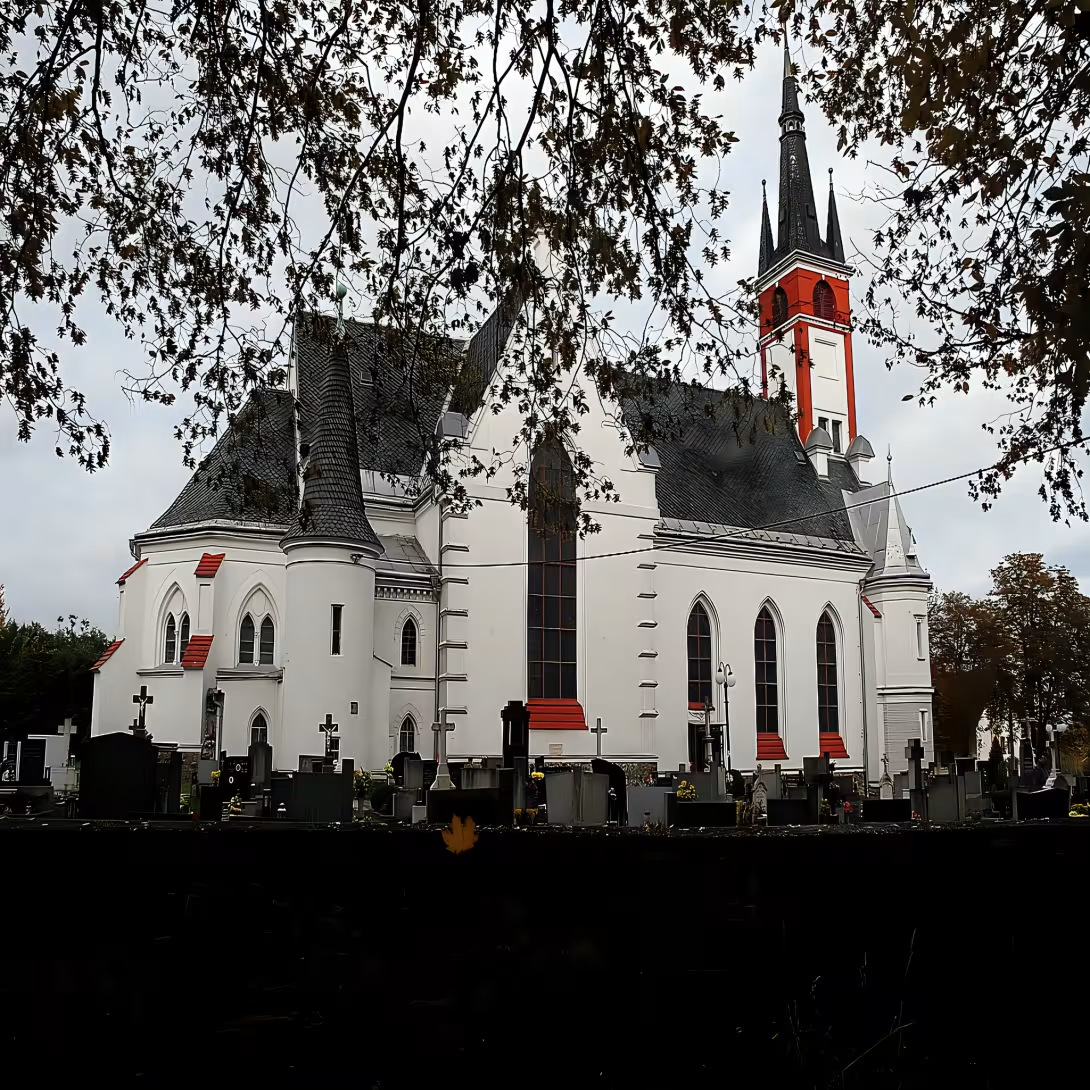
Church of St. Anthony in Melči stands as a witness to the construction activity of the last decade of the 19th century, when new temples were opened or built in small municipalities. It is a single-boat building from 1889- 1890, which was created as a substitute for the original church of the same initiation, which no longer met the requirements of the growing religious community.
The construction was carried out according to the project of Augustus Bartel, a builder from Silva, which was dominated by Czech-German architecture at the time. Bartela was not a simple builder - he was a designer, an architect who had a vision of the church corresponding to the understanding of liturgical space at the time. Josef Maria Olbrich also participated in the implementation, which later became one of the most important Czechoslovak architects and pioneers of modern life. His participation in this project as an employee of Bartel indicates the quality of the construction and that it was a work of excellence.
The ceremonial consection - the sanctification of the church - took place on 21 September 1890. In this important ceremony, which was of particular importance to the site, the Bishop of Olomouc's assistant Gustav Count Belrupt-Tissac took over. The presence of a high spiritual dignitary shows the importance of a temple for a wider region. The celebration was attended not only by many priests but also by the local people, which underlines how much the construction of the church was a social matter.
Today, the church of its patron - Saint Anthony of Paduan - is a commemorative plaque of the great building era, when the Czech countryside was modernised and their inhabitants could afford the buildings that expressed their progressive position and the gradient of society. The temple is also permanent for anyone interested in the architectural work of August Bartel and the beginnings of the influence of Josef Mario Olbrich in Czech countries.
Then and now
Drag the slider to compare how the landmark may have looked when it was built with the view today.
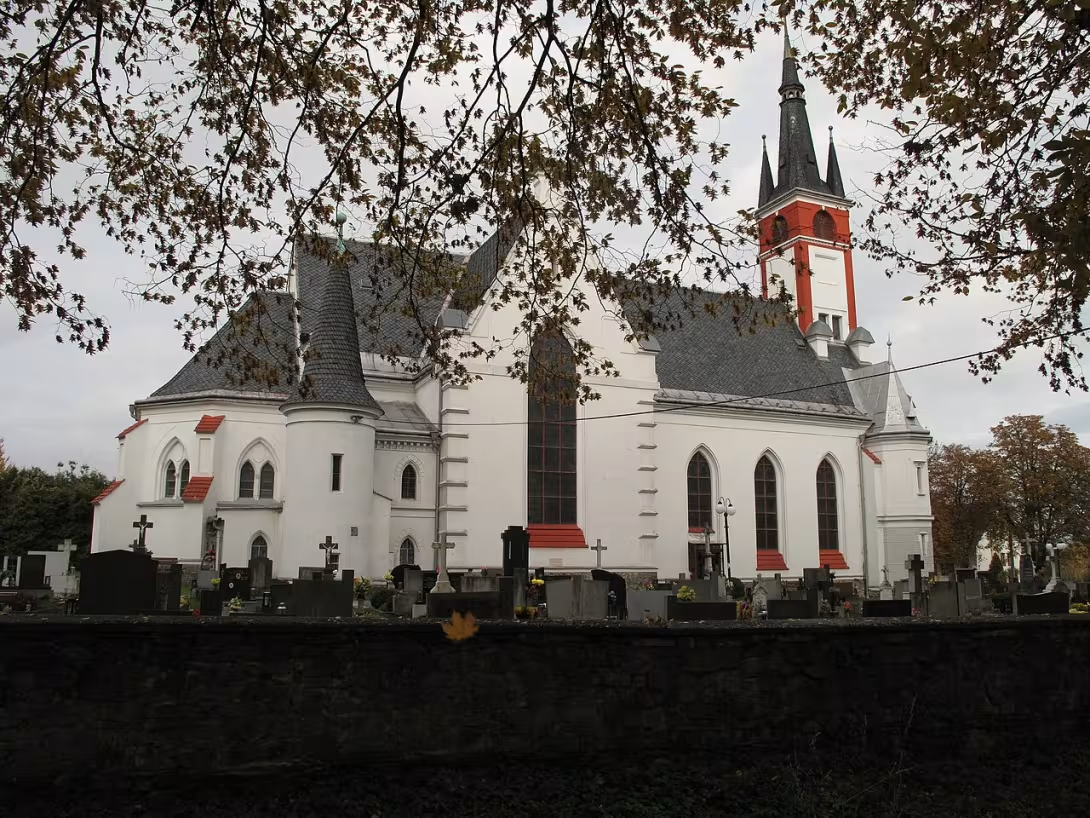
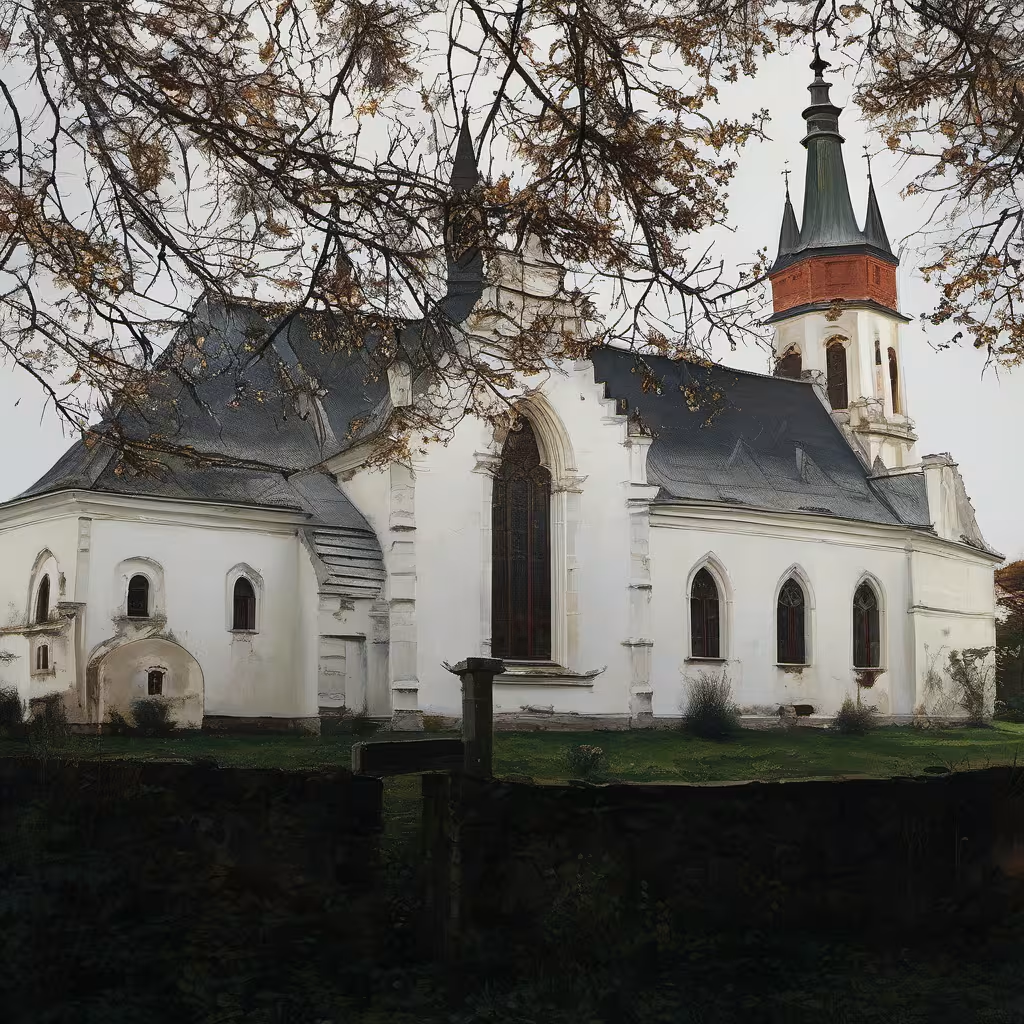
The historical appearance on the left is an AI-generated visualisation and serves as inspiration only.
Historical milestones
- Around 1350
- The original church of St. Anthony in Melči, probably a simple wooden or stone building, serving the local population.
- 1889-1890
- Opening and completion of the construction of the new single-boat church of St. Anthony of Paduan according to the design of August Bartel.
- 21 September 1890
- The ceremonial consection of the church by the Bishop of Olomouc's Assistant Gustav Count Belrupt-Tissac.
- around 1890
- The participation of Josef Mario Olbrich, then an employee of Augustus Bartel, on the implementation of the church as a manifestation of his early architectural career.
Architectural development
The church was built as a simple but well-constructed single-boat structure with characteristic elements of historical architecture. The main materials were stone and brick, while the interior was equipped with typical equipment for Catholic churches at that time. The construction was completed in a short time because it replaced an older, already unsustainable construction. No significant reconstructions or major modifications were recorded.
Historical events
- 1889
- The beginning of the construction of the church of St. Anthony of Paduan as a replacement of an older, no longer suitable church.
- 1890
- The ceremonial sanctification of the church by Olomouc's assistant bishop Gustav Count Belrupt-Tissac.
Owners
The sequence of owners with years if available, otherwise zero.
Points of interest
- St. Anthony's Church in Melči was built in 1889- 1890 as a substitute for the original, already deficient temple.
- The church project was created by architect August Bartel from Silva, who was not only a builder but also a designer with a vision of liturgical space.
- Josef Maria Olbrich, a later important Czechoslovak architect, participated in the construction, which shows the high quality of the work.
- The ceremonial consecration of the church took place on 21 September 1890 with the participation of Olomouc Assistant Bishop Gustav Count Belrupt-Tissac.
- The construction was an important social event, during which the local priests and residents participated.
Guide
This guide is narrated by a synthetic voice generated by artificial intelligence.
Show guide text
This text was created by artificial intelligence and has not been editorially reviewed. It may contain inaccuracies.
The Church of Saint Anthony of Padua in Melč is a Roman Catholic single-nave church. It was built between eighteen eighty-nine and eighteen ninety on the site of an older church that was dedicated to the same saint.
The project was developed by August Bartel, a builder from Opava. His employee Josef Maria Olbrich also participated in it.
The church was solemnly consecrated on September twenty-first, eighteen ninety. The consecration was performed by Gustav, the auxiliary bishop of Olomouc, Count Belrupt-Tissac, and it was attended by many priests and believers.
Frequently asked questions
Is Kostel svatého Antonína Paduánského (Melč) open to the public?
Yes, the church is open to the public. Opening hours: Monday - Sunday 9:00 - 17:00.
How do I get to the place by car / public transport?
You can get by car or bus from nearby cities. The nearest stop is about 1 km from the church.
How much is the entrance fee and is it paid on the spot?
The church entrance is free.
Is the tour suitable for children and seniors?
Yes, it is advisable to visit the church with children and seniors. There are chairs for people with disabilities.
How long does the tour take?
The church tour takes about 30 minutes.
What are the opening times and booking is required?
Opening hours: Monday - Sunday 9:00 - 17:00 Reservation is not necessary.
What's interesting in the immediate vicinity?
In the nearby area you will find a beautiful area that offers nice walks and views of the surrounding landscape.
For kids
Imagine going back to when Melč was a small village church. All the inhabitants of the village went to the church of St. Anthony of Paduan for services and festive parties. Everyone believed in his strength and his protective arm.
It was like a small but very important square where people would meet at God's service or talk about news from the village. In the church of St. Anthony of Paduan you saw beautiful paintings and statues which were depicted as stories from the life of St. Anthony.
Businesses nearby
Do you run a restaurant, accommodation, shop, museum, rental, wellness or other visitor service near this monument? Show yourself directly to the people heading to it — this is how they will see you in the app and on the web:
Events nearby
Zdroj akcí: otevřená data měst a obcí ČR (Národní katalog otevřených dat) a kalendář akcí Národního památkového ústavu.
Nearby
- The chateau is an important historical building with a rich history dating back to the 16th century.
Accommodation nearby
Themed route
Thematic cruise route: Melč - Baroque and Renaissance in one place
1. Church of St. Anthony of Padua * Type: * Sacral monument, Baroque church from the 18th century. Why visit? It is the centre of the village and a demonstration of late Baroque architecture with rich interior decoration. The statue of St. Anthony in front of the facade is also interesting.
2. Castle Melč * Type: * Renaissance chateau with Baroque modifications, about 1 km from the church. * Why visit? * It is an important historical building with original Renaissance elements and Baroque accessories. Its history dates back to the 16th century and is associated with important noble families.
* The route leads along local paths and walks that connect both cultural objects in a unique set of monuments. *
Seasonal recommendations
Spring During the spring the church of St. Anthony of Paduan in Melči dresses in bright shades, when flowering trees and green-grown flags create a calm and refreshing atmosphere. The warm sunlight penetrates the glass windows and creates a color game in the interior, while the outdoor area offers a pleasant sitting in the shade of the old Lips. Specific is the awakening of nature - the first flowers appear around the church and the birds sing in the morning, which gives the visit a sense of peace and connection with nature. It is practically advisable to visit the memory early in the morning or in the afternoon when there are fewer tourists. It is recommended that clothing suitable for variable weather - light layers that allow to adapt to temperature fluctuations, and comfortable shoes for walking on a rocky sidewalk. Since spring is a period of intense visit, it is good to have a small bag of drinks with you to minimise waiting at nearby sources.
Summer In the summer months, the church of St. Anthony of Paduan will turn into a living space where the sun shines directly inside the ship and creates a warm, almost meditative atmosphere. The surrounding area is full of green, but also hot afternoon, when the shadows of the old trees and stone walls of the church offer relief from the sun's heat. The sound environment is also specific - in the main summer season the sounds of visitors' footsteps, bell bells and occasional bird singing are mixed, creating a more dynamic impression than in calmer times. It is practically best to visit the church early in the morning, even before the crowds start running, or late in the afternoon when the sun falls and temperatures are more tolerable. Light, breathable clothes, hat and sunglasses are recommended, as well as plenty of water, as there are not always refreshments in the area. The perfect time for photography is shortly after sunrise, when light falls into the church in harmonious tones.
Autumn Autumn brings to Melče golden and red shades that are reflected in the church windows and create a fine, warm light in the interior. The surrounding area of the monument turns into a colour palette, while the surrounding area of the church appears first leaves and the air is cleaner and colder. The atmosphere is quiet, almost nostalgic, and the visit during this period offers the opportunity to look at detailed paintings and statues without disturbing crowds. Practically it is advisable to visit the church in the morning when the light is the most beautiful and the temperature still pleasant. Layer clothing is recommended - light sweaters and jackets because the weather can change quickly. Since autumn is a period of mild visitation, there is no need to rush, but it is good to have an umbrella with you because the rain can come unexpectedly. For lovers of photography is the ideal time shortly before sunset, when the church is dressed in soft, golden light.
Winter In winter, the church of St. Anthony of Paduan turns into a quiet and mysterious place where the snow blanket and silver shine on the stones create a unique atmosphere. The interior is lit with artificial light, which emphasizes statues and paintings, while the outdoor area offers a view of the snowy landscape, which gives the monument a sense of peace and rest. The specific silence that exists in the winter months, when the traffic decreases and the church offers space for meditation and private moments. Practically the most convenient is to visit the church in the afternoon when the light is softest and the temperature is less extreme. It is recommended to warm but comfortable clothes - thick socks, shoes with good grip and gloves because the sidewalks can be slippery. Since opening times in winter are usually shorter, it is good to check in advance whether the church is closed for visits. For those who want to experience the magic of the winter church, the ideal time is shortly before Christmas, when lights and decorations mix with the natural snow and create an unforgettable atmosphere.
Visualizations and artistic views


The visualisations are generated by artificial intelligence and serve as inspiration.
Photos from the area
Real photos taken near the monument


Zdroj a licence jsou uvedeny u každého snímku.
View from the area
This animation was generated by artificial intelligence from a real photograph of the surroundings. The motion and details are not real footage of the location.
Atmosphere of the place
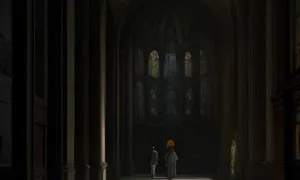
This atmospheric visualisation of the place and period was generated by artificial intelligence. It is not real footage of the location.
Tips from visitors
No tips yet. Be the first!
Log in and add your tip.
Sources and literature
Photos: Juandev / CC BY-SA 3.0, rozlišení zvýšeno umělou inteligencí — Wikimedia Commons. The author and licence also appear when you hover over the image.
Faktickým podkladem tohoto textu byl článek na Wikipedii, jehož autory jsou přispěvatelé Wikipedie. Článek je dostupný pod licencí CC BY-SA 4.0.
Location on the map


Příběhy a pověsti
Legendy, pověsti a příběhy spjaté s touto památkou
Fotografie návštěvníků
Zatím žádné fotografie. Buďte první, kdo přidá fotografii z návštěvy!
Log in a přidejte svou fotografii nebo hodnoťte.
Za ověřenou návštěvu v aplikaci získáte víc bodů — poznáme podle GPS, že jste na místě.
Reviews and comments