



Kostel svatého Bartoloměje v Chebu Church
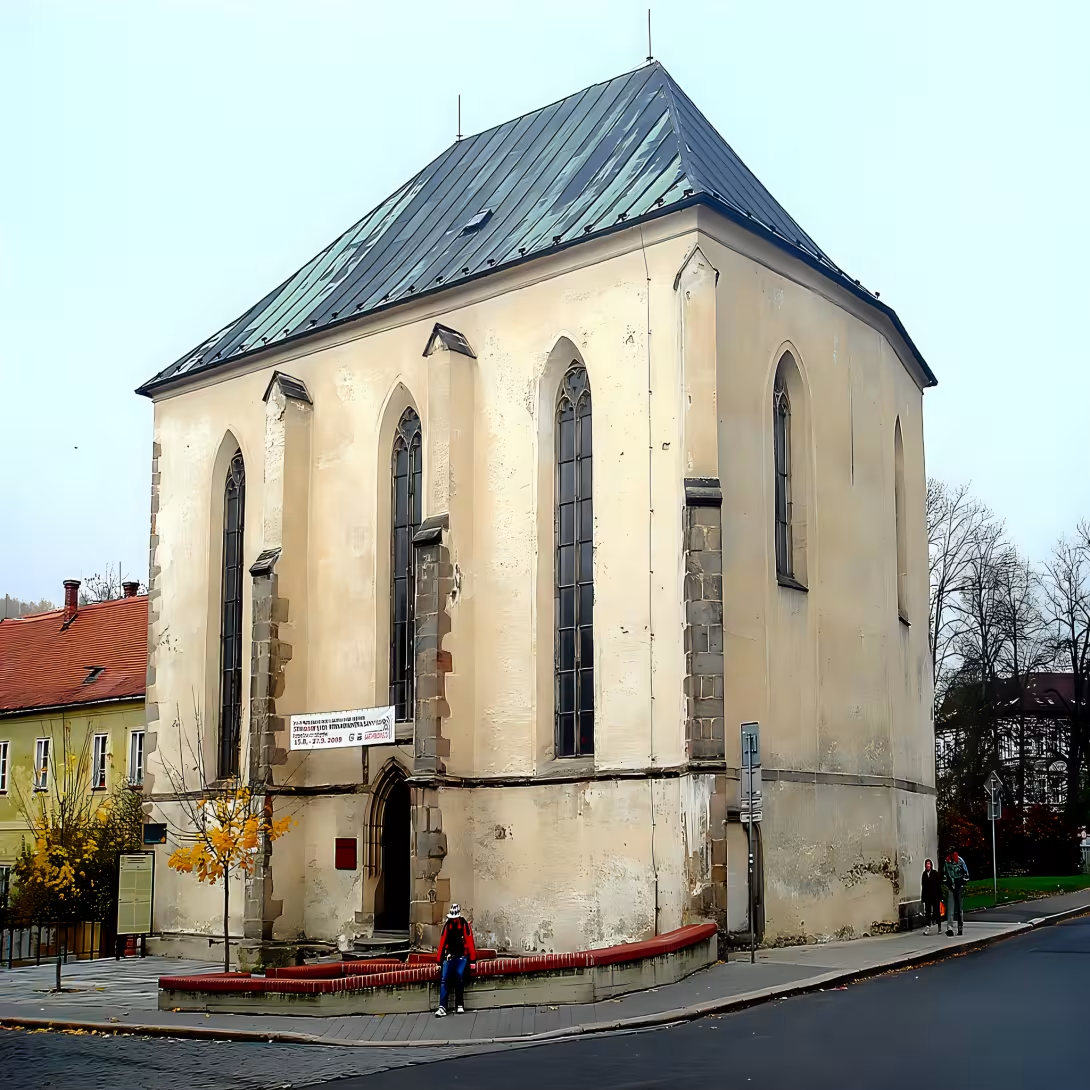
St. Bartholomew's Church is located in Cheb by the banks of the Ohře River, in close proximity to the Bridge Gate. It is a gothic building created from the original city hospital with the chapel of the Holy Spirit, which was built by Premysl Otakar II after the great fire of 1270. Over time, this complex has become an important part of the Cheb care of the sick and dependent.
The oldest mention of the expansion of the complex is the year 1347, when the townsman Niklas Walther of Hofu had the chapel of St. Wenceslas attached to the Chapel of the Holy Spirit, which became a haven for sick pilgrims. The entire complex, however, was destroyed by a fire during the 14th century. Only in 1414 did Cheb have a new church built under Niklas Gummerauer, which later passed the Baroque reconstruction in the 17th century. In 1673 the church was ceremonially dedicated to St. Bartholomew and a year later a new chapel of St. Wenceslas was built. In 1809 the tragedy repeated - the fire damaged the chapel and the hospital building again, but this time it was only in 1814-1815 that extensive repairs were followed. The last major destruction came in April 1945, when German troops blew up a nearby bridge, destroying the hospital building completely. The church and the chapel were badly damaged, but the building survived.
The inside of the church shows an interesting architectural intention. The church has a longitudinal space without a presbytery and is encapsulated by a characteristic six-point straddle arch, supported by only one central cylindrical column - it is assumed that there were originally two columns. Ribs are simple wedges, ended with polygonal consoles. They are located in the north, probably because the church was built directly on the city wall. Clamps of vaults decorate vegetative motifs and also the city emblem Cheba.
The decoration consists of authentic wall paintings from various periods, but mainly from the 15th century. Among the interesting elements are the character of St. Anthony the hermit, the patron saint against the plague, and the image of the crossword looking up to Madonna. The windows of the church are decorated alternately with three-pointed and four-pointed rotations. The church is underwritten, suggesting deep roots of its function.
From the outside, the church is a single-boat Gothic space with walled wide arcades on the north side. In the south, the main profiled portal leads to a steep arch and along the wall is a post-date ledge. Two smaller Gothic saddle portals are already closed. The two-stage backrest in the south-east and south shows constructive strength of the construction. On the outside wall towards the river left remains the remains of the consoles, which suggests that another object was connected to the church in the past. Next to the church is a one-story Baroque commendation from 1695.
After World War II, the church in 1963 belonged to the Art Gallery in Cheb, which exhibited Gothic sculptures. In 1997, the church was returned to the Order of Crossroads with a red star, to which it belongs today. Today the church is inaccessible to the public, it can only be accessed through the entrance door through the grate, which only amplifies its mysterious history.
Then and now
Drag the slider to compare how the landmark may have looked when it was built with the view today.
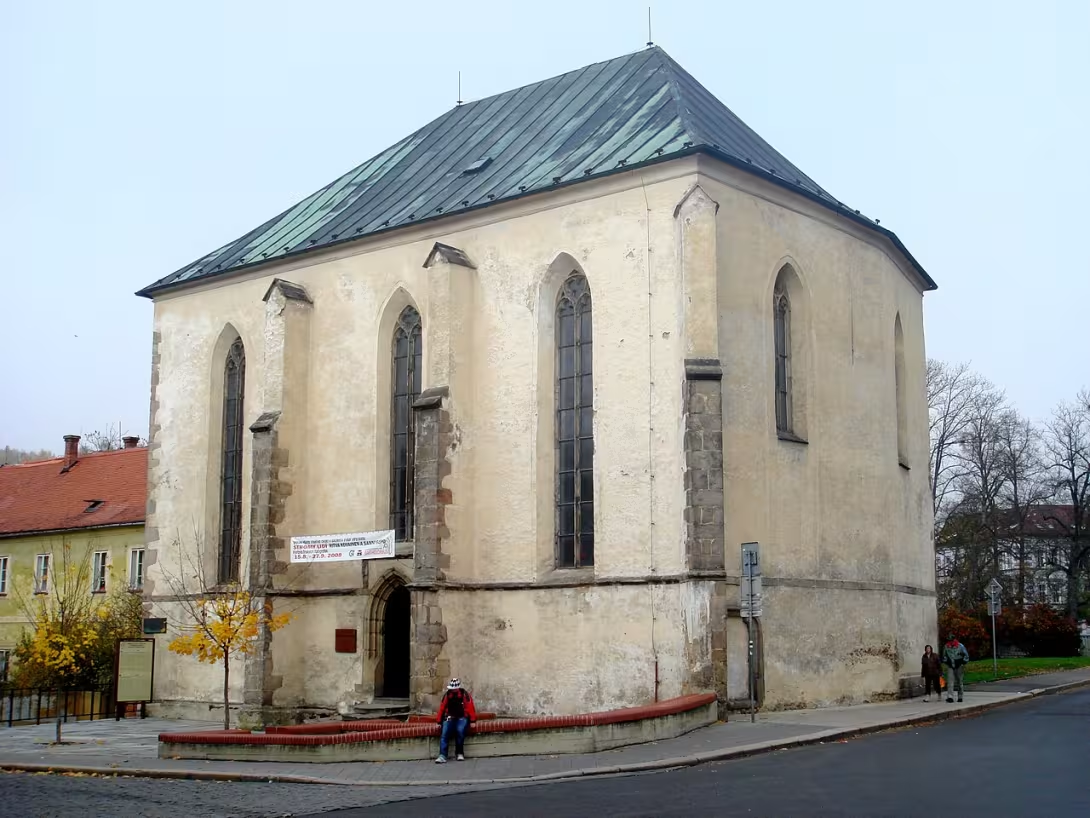

The historical appearance on the left is an AI-generated visualisation and serves as inspiration only.
Historical milestones
- 1270
- The establishment of a hospital with a chapel of the Holy Spirit after the great fire of the city.
- 1347
- The expansion of the chapel of St. Wenceslas by the townsman Niklas Walter of Hof.
- 1414
- A new Gothic church building was built after the destruction of the previous complex.
- 1673
- The church was dedicated to St. Bartholomew and underwent Baroque reconstruction.
- 1945
- The destruction of the hospital building when the German troops left, the church suffered serious damage.
- 1997
- Return to the church of the Order of the Crossroads with a red star.
Architectural development
Originally a Gothic hospital with a chapel of the Holy Spirit from the 13th century was extended in the 14th century by the chapel of St. Wenceslas. The church was rebuilt in the 17th century, including a new main altar and the chapel of St. Wenceslas. The 19th century was repaired after a fire in 1809. The church is under glass and its exterior is influenced by gothic elements such as brick arcades and portals. Consol residue on the north side indicates the original connection to the city walls.
Historical events
- 1270
- The Great Fire of Cheb, the Overhead Otakar II had a new hospital built with the chapel of the Holy Spirit.
- 1414
- Establishing a new church after a fire that destroyed the previous complex.
- 1945
- The destruction of the hospital building when the bridge was detonated by German troops, the church suffered severe damage.
- 1997
- Returning the church of the Order of Crossroads with a red star after long-term lease of GAVU.
Owners
- 1270
- 1347
- 1414
- 1673
- 1963- 1997
- 1997-
Points of interest
- The church of St. Bartholomew originated from the original town hospital with the chapel of the Holy Spirit, which Přemysl Otakar II built after the great fire of 1270.
- The chapel of St. Wenceslas was built in 1347 by the townsman Niklas Walter as a refuge for sick pilgrims.
- The church was built again in 1414 under the leadership of Niklas Gummerauer, after the fire destroying the original complex.
- The church has a unique six-point straddle arch supported by only one central cylindrical column, originally two columns.
- The interior decoration consists mainly of authentic wall paintings from the 15th century, including the character of St. Anthony the hermit, patron of the plague.
Guide
This guide is narrated by a synthetic voice generated by artificial intelligence.
Show guide text
This text was created by artificial intelligence and has not been editorially reviewed. It may contain inaccuracies.
The Church of Saint Bartholomew is a Gothic structure in Cheb. It lies by the Bridge Gate, on the banks of the Ohře River, and today belongs to the Order of the Knights of the Red Star.
On this site there was originally a municipal hospital with a chapel of the Holy Spirit. After a major fire of the city in 1270, Premysl Otakar II had a new hospital built with a church. In 1347, a chapel of Saint Wenceslas was added, which was built by the citizen Niklas Walther of Hof. It became a refuge for sick pilgrims. However, in the 14th century, the entire complex was destroyed by fire.
The new church was built by the town in 1414, led at that time by Niklas Gummerauer. In the 17th century, the church underwent a Baroque reconstruction and the main altar was created for it by Cheb artists. It was dedicated to Saint Bartholomew in 1673. At that time, the commandery and hospital were also rebuilt. In 1674, a new chapel of Saint Wenceslas was created. In 1809, a fire damaged the chapel and hospital for the third time. Extensive repairs came only in 1814 and 1815.
In April 1945, German units blew up the nearby bridge. The hospital building was completely destroyed, the church and chapel suffered major damage. Only the church was managed to be saved. From 1963, it belonged to the Gallery of Fine Art in Cheb, which exhibited Gothic sculptures in it. In 1997, it returned to the Knights.
The church has a single nave without a presbytery. A six-pointed ribbed vault converges into a single cylindrical pillar in the center. The pillars were originally supposed to be two, as the foundation of the second one is in the church basement. On the ribs are plant motifs and on some also the coat of arms of Cheb. On the northern side, the church was apparently attached directly to the town fortification.
The walls are decorated with individual votive paintings from various periods, mostly from the 15th century. It is clear from them that no unified decoration plan existed. On the eastern pillar is Saint Anthony the Hermit, patron against plague. Next to him a Knight of the Red Star looks up to the Madonna with her head veiled, holding a clothed Baby Jesus in her arms. The windows alternate between three-pointed and four-pointed rosettes.
On the south side is the main portal with a pointed arch. Remains of consoles on the wall facing the river indicate that another building once adjoined the church. Right next to it stands a single-story Baroque commandery from 1695.
Frequently asked questions
Can the monument be visited?
Religious buildings are usually open mainly during services; at other times a visit is normally arranged with the parish or the operator. We have not verified specific times. According to the heritage register the structure is in poor condition – do not enter it and take care nearby.
Where is the monument?
Location: Křižovnická 99/4, Cheb, Karlovarský kraj. The map on this page shows the exact spot.
Why is the monument protected?
It is listed in the Central List of Cultural Monuments of the Czech Republic as a cultural monument (register no. 30810/4-3635).
For kids
Imagine going back to when Cheb was a small chateau town. The city was lying by the Ohre River and full of life. People lived in wooden houses, merchants sold their goods on the market, and priests served the gods.
And here, in the middle of town, was the church of St. Bartholomew. It was a beautiful Gothic church with a tall tower that was going to heaven. The church was originally a hospital where he was treated to sick and old people. But later he became a church where worship was held and people came to pray.
Businesses nearby
Do you run a restaurant, accommodation, shop, museum, rental, wellness or other visitor service near this monument? Show yourself directly to the people heading to it — this is how they will see you in the app and on the web:
Accommodation nearby
Themed route
1. Church of St. Bartholomew * Type: * Gothic church with Baroque adjustments. * Why visit? * Dominant Cheb, built in the 14th century, with rich history and preserved frescoes. Its tower offers panoramic views of the city.
2. Baroque commendation of Crossroads with Red Star * Type: * Baroque monastery building from 1695. * Why visit? * Unique demonstration of late Baroque architecture in Cheb, associated with the history of order and local spiritual history.
3. Bridge Gate * Type: * Gothic city gate from the 14th century. * Why visit? * Symbol of medieval Cheb, part of preserved walls that illustrates the city's defence system.
4. Cheb walls * Type: * Remains of medieval city walls. * Why visit? * They provide a direct view of the history of Cheb defense and are an ideal place to walk through the historic heart of the city.
Seasonal recommendations
Spring In the spring months, the church of St. Bartholomew in Cheb is surrounded by soft light, which penetrates through blooming trees in the surrounding area and creates fine shadows on its walls. After rainy days, the air is saturated with the scent of wet ground and blooming jasmine, while the sun's rays begin to penetrate between the clouds, coloring the stone facades into warm shades. The atmosphere is quiet, almost intimate - the church, which often stands abandoned in the winter, becomes a place where those who seek peace after the winter sleep of nature meet. Practically, it is best to visit it in April or early May, when the crowds do not accumulate and temperatures allow pleasant walks around the historical centre. It is recommended to wear layered clothes - spring weather in Chebsk is variable, and in the morning or evening can be cold. The ideal time for visiting is in the afternoon when light falls so that the details of gothic windows and stone reliefs rise to the fore. Avoid weekends where tourists come from around here, and choose Tuesday or Wednesday.
Summer Summer brings hot sun to Cheb, which throws sharp shadows at the church of St. Bartholomew and smokes the heat from the stone, which is slowly released at night. The surrounding area of the church is alive at this time - green lawns, flowery bushes and shadows of old Lips create a pleasant contrast to the mighty walls. In the main summer season (July and August), however, the church is often visited by groups of tourists, especially in the afternoon, when tourists from nearby tourist centres come here. It is recommended to arrive early in the morning, before 9 o'clock, to avoid crowds and to enjoy a quiet view of the interior, where heat can be suffocating. Clothes should be light, but with headgear - the sun in the Cheb boiler burns strongly, and shadows under the high walls of the church do not provide sufficient shelter. It is only worth an evening visit after 18 hours, when temperatures fall and the church receives a mysterious atmosphere lit with artificial light.
Autumn Autumn Cheb is like a painting canvas, where the church of St. Bartholomew stands as a dominant motive between golden leaves and grey sky. In September and October, when trees dress up in shades from yellow to dark red, the light in the church changes - the morning rays penetrate through the colored leaves and create on the stones a game of light that disappears after fog in the afternoon. The atmosphere is nostalgic, almost fairytale, and the church, which is very busy in summer, is once again a place of silence. Virtually best to visit it in September when temperatures are pleasant and the crowds are minimal. It is recommended to wear a warm sweater or jacket - evenings are cold, and the wind from Egerland can be penetrating. The best time is in the afternoon, when light becomes softer and the details of Gothic architecture rise to the fore. Avoid the period around St. Catherine (29 November) when smaller markets are held in Cheb and the church can be visited by groups.
Winter Winter Cheb is a city that is wedged into a white coat, and the church of St. Bartholomew looks like a fairy tale - its tall tower is lost in fog or snowflakes that fall quietly on stone steps. The light is limited at this time, and the church, lit by artificial lamps, receives a mysterious, almost medieval atmosphere. At advent time visitors come here to see the inside of the church, where Christmas concerts are often held. Practically best to visit him in December, but early morning or late afternoon when there are fewer people out there. Clothes should be warm, laminated and waterproof - snow and ice can complicate access to the church, and temperatures often fall below freezing. The best time to visit is on quiet winter days when Cheb turns into a quiet city and the church offers a unique opportunity to explore its interior without disturbing crowds.
Visualizations and artistic views


The visualisations are generated by artificial intelligence and serve as inspiration.
Photos from the area
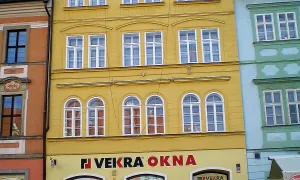
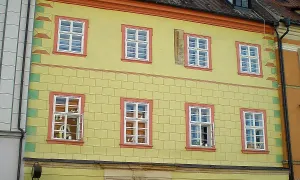
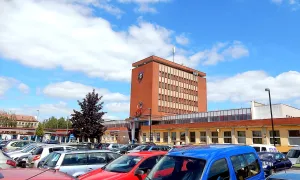
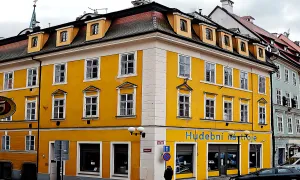
Real photos taken near the monument

Zdroj a licence jsou uvedeny u každého snímku.
Atmosphere of the place
This atmospheric visualisation of the place and period was generated by artificial intelligence. It is not real footage of the location.
Tips from visitors
No tips yet. Be the first!
Log in and add your tip.
Sources and literature
Photos: Ondřej Žváček / CC BY 2.5, rozlišení zvýšeno umělou inteligencí — Wikimedia Commons. The author and licence also appear when you hover over the image.
Faktickým podkladem tohoto textu byl článek na Wikipedii, jehož autory jsou přispěvatelé Wikipedie. Článek je dostupný pod licencí CC BY-SA 4.0.
Location on the map
Příběhy a pověsti
Legendy, pověsti a příběhy spjaté s touto památkou
Fotografie návštěvníků
Zatím žádné fotografie. Buďte první, kdo přidá fotografii z návštěvy!
Log in a přidejte svou fotografii nebo hodnoťte.
Za ověřenou návštěvu v aplikaci získáte víc bodů — poznáme podle GPS, že jste na místě.
Reviews and comments