






Kostel svatého Havla (Zbraslav) Church
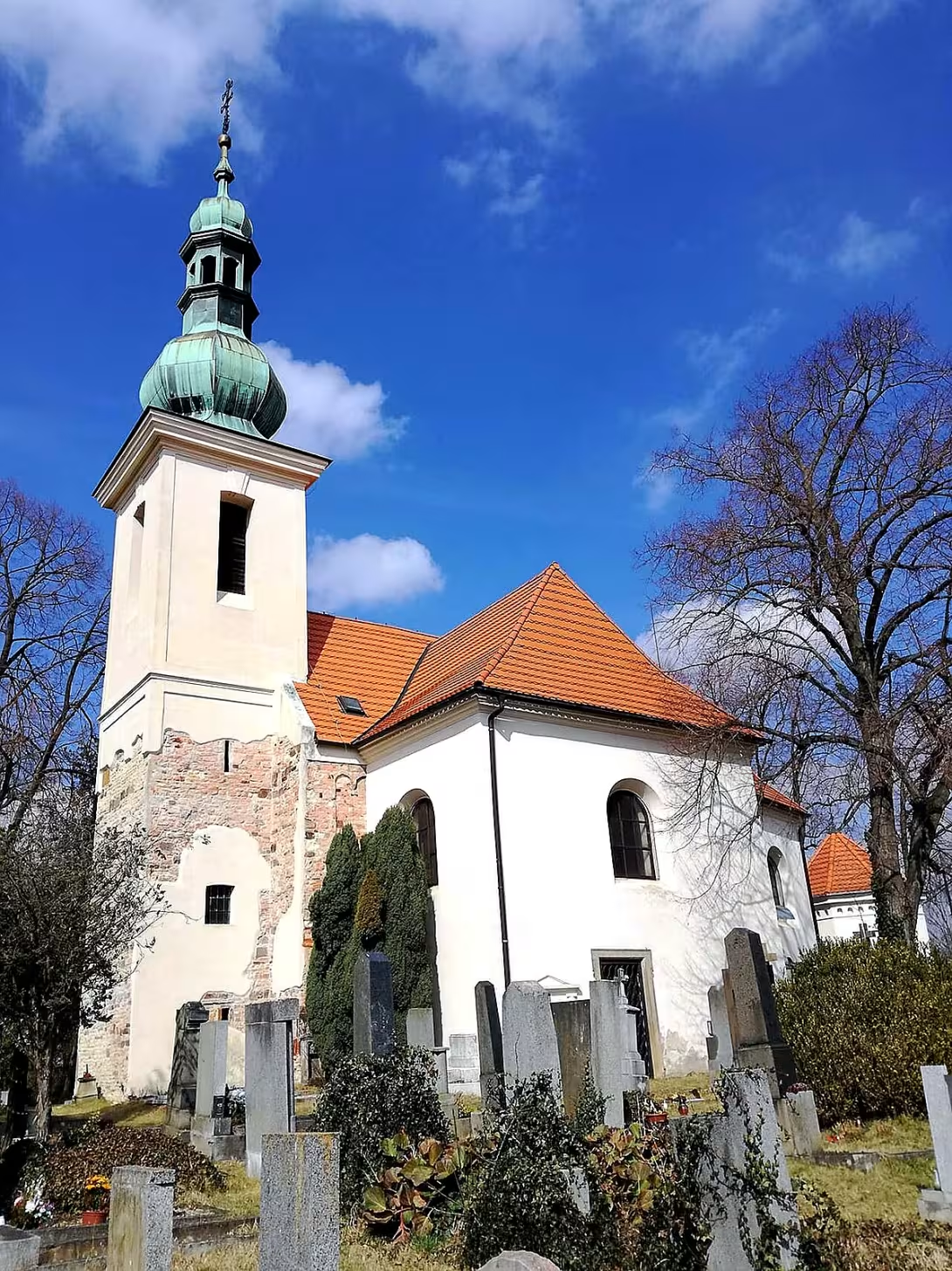
The Church of Saint Wenceslas in Zbraslav is a historically significant monument located on Havlín Hill within the Prague district. Constructed in the late 12th century as a Romanesque church, it underwent Baroque renovations and remains notable for its architectural remnants and historical importance. Since its inception, it has served as an essential religious landmark linked to early Czech nobility and ecclesiastical authorities.
The origins of the Church trace back to when Bohemia was under the Přemyslid dynasty's consolidation efforts, with Roman Catholicism increasingly influencing its cultural landscape. Its initial construction in the late 12th century marked it as part of a larger estate associated with Duke Vladislav I. Although specific early history details are limited, historical sources suggest that by the end of the 12th century, the church had already begun to play a significant role within the local community.
Architecturally, the Church began as a Romanesque structure characterized by a rectangular nave and a distinctive tower with a southern window still visible today. A fire at the beginning of the 16th century caused substantial damage, leading to Baroque renovations that introduced new elements such as a reconstructed roof and interior frescoes depicting scenes from the Death of the Virgin Mary. These frescoes are significant examples of late Gothic art.
Ownership transitioned through various hands over the centuries. Initially linked to Duke Vladislav I in the 12th century, it later came under ecclesiastical authorities like the bishopric of Prague. In 1268, ownership was transferred to Přemysl Otakar II by Bishop Jan III. By 1298, Cistercian monks received the church from Bishop Gregory, marking a significant shift in its administration.
Key events include its first documented mention in 1115 within a charter for Kladrub Monastery, highlighting its early significance. The transition of ownership and subsequent Baroque renovations reflect the dynamic historical context in which the church existed. These changes underscore its importance as both a religious site and a monument reflecting broader socio-political shifts.
Today, the Church remains accessible to visitors interested in exploring its rich history and architectural features. The remnants of its Romanesque origins combined with Baroque elements offer a unique glimpse into the past. Its proximity to Zbraslav Monastery and the confluence of the Vltava and Berounka rivers adds to its allure as a destination steeped in historical significance.
Visitors are invited to explore this remarkable monument, where history is etched into every stone and fresco. The Church of Saint Wenceslas stands not only as a testament to architectural evolution but also serves as a bridge connecting the past with the present, offering insights into Zbraslav's cultural heritage.
Then and now
Drag the slider to compare how the landmark may have looked when it was built with the view today.
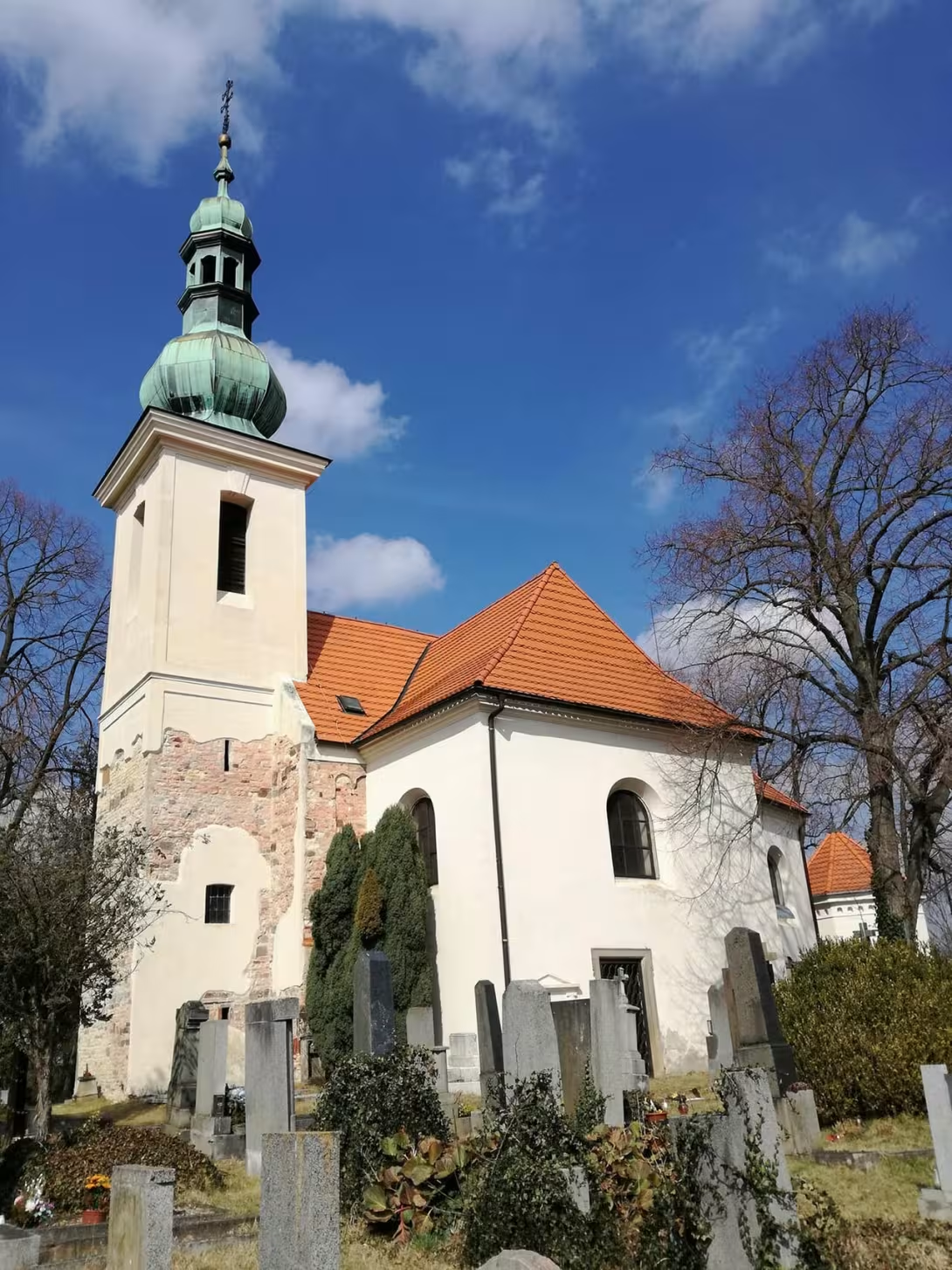
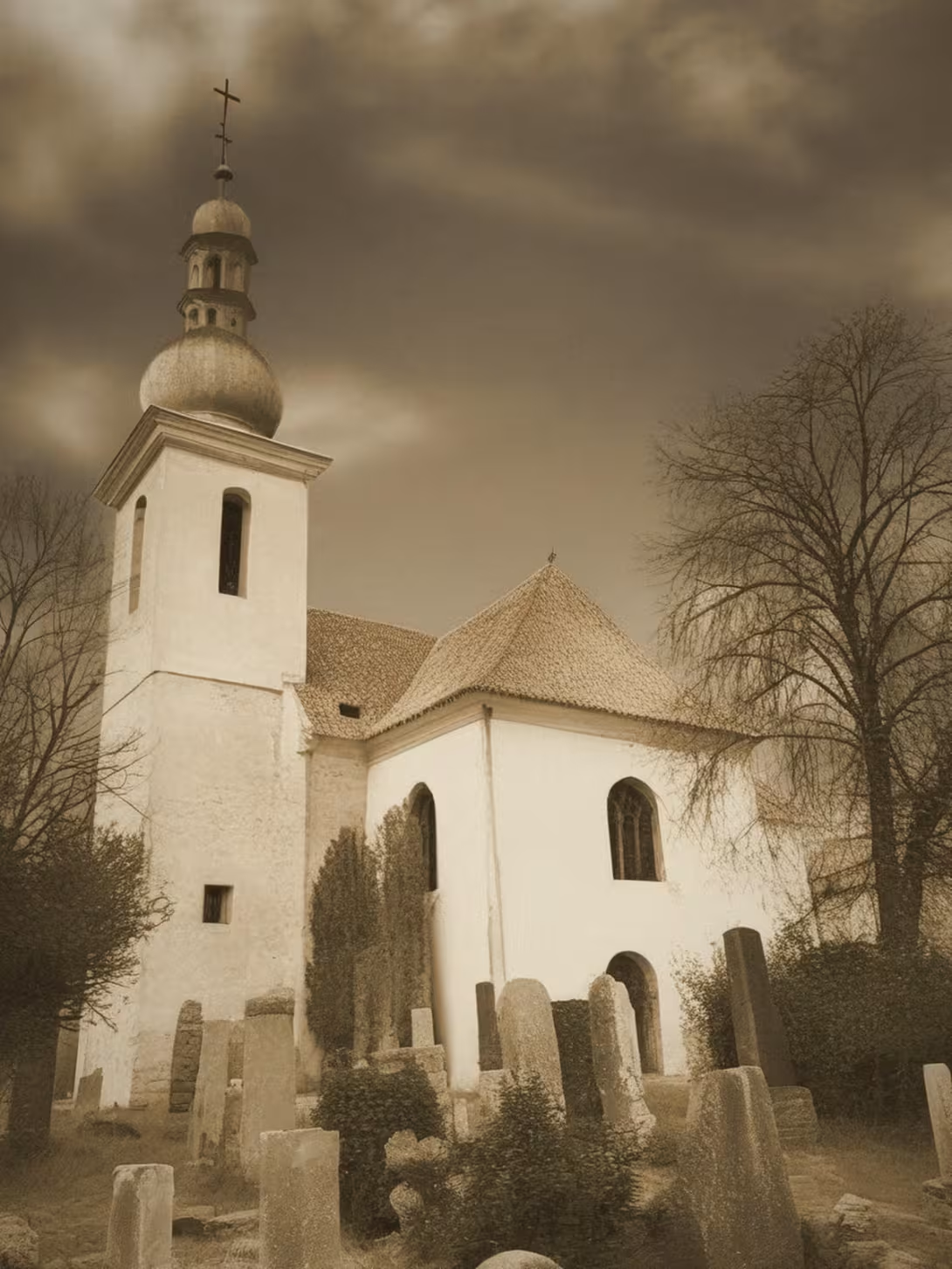
The historical appearance on the left is an AI-generated visualisation and serves as inspiration only.
Historical milestones
- 1115
- First documented mention in a charter for Kladrub Monastery.
- 1268
- Ownership transferred to Přemysl Otakar II by Bishop Jan III.
- 1298
- Donated to Cistercian monks by Bishop Gregory.
Architectural development
The church began as a Romanesque structure with a rectangular nave and a tower. It suffered significant damage in a fire at the beginning of the 16th century, leading to Baroque renovations including a new roof and interior frescoes depicting scenes from the Death of the Virgin Mary.
Historical events
1115: First documented mention in a charter for Kladrub Monastery.
1268: Ownership transferred to Přemysl Otakar II by Bishop Jan III.
1298: Donated to Cistercian monks by Bishop Gregory.
Owners
Initially associated with Duke Vladislav I in the 12th century, ownership transitioned through various ecclesiastical authorities including the bishopric of Prague and later Cistercian monks from Zbraslav Monastery. By the late 13th century, it was under the patronage of the Bishop of Prague.
Points of interest
- The Church of Saint Wenceslas was initially constructed as a Romanesque church in the late 12th century but is often overshadowed by its later Baroque renovations; however, remnants like the southern window on its distinctive tower still offer insights into its original architectural style.
- Despite being first documented in 1115 within a charter for Kladrub Monastery, the Church's significance dates back even earlier to the Přemyslid dynasty's consolidation of Bohemia, highlighting its role as an early religious and cultural landmark during a pivotal period in Czech history.
- The church underwent significant Baroque renovations after suffering substantial damage from a fire at the beginning of the 16th century; these changes included the addition of interior frescoes depicting scenes from the Death of the Virgin Mary, which are now considered important examples of late Gothic art.
- Ownership transitions reflect broader socio-political shifts in Bohemia: initially linked to Duke Vladislav I, it later came under ecclesiastical authorities like the bishopric of Prague and was eventually transferred to Přemysl Otakar II by Bishop Jan III, before being given to Cistercian monks by Bishop Gregory in 1298.
- Situated near the confluence of the Vltava and Berounka rivers, the Church's proximity to Zbraslav Monastery not only enhances its historical allure but also connects it to a broader network of religious and cultural sites within the region.
Guide
This guide is narrated by a synthetic voice generated by artificial intelligence.
Show guide text
This text was created by artificial intelligence and has not been editorially reviewed. It may contain inaccuracies.
Welcome to the Church of Saint Wenceslas in Zbraslav, a historical gem nestled on the hill of Havlín. As you stand here, take a moment to soak in the serene atmosphere that envelops this sacred site. The church's facade, with its Baroque embellishments, hints at the rich layers of history beneath its surface.
The origins of this church trace back to the late 12th century when it was initially constructed as a Romanesque structure. Over time, it became an integral part of a larger estate linked to significant historical figures and events. In 1115, the first documented mention of the church appeared in a charter for Kladrub Monastery, marking its early importance.
Ownership of this site has seen notable transitions. By 1268, Přemysl Otakar II acquired it from Bishop Jan III, further entwining it with the region's noble history. In 1298, Bishop Gregory generously donated the church to Cistercian monks, ensuring its continued spiritual significance.
As you gaze upon the church, notice the remnants of its original Romanesque architecture, particularly in parts of the nave and tower. The southern window on its distinctive tower offers a glimpse into its architectural past, even as Baroque elements dominate the landscape.
Throughout its history, several key figures have been associated with this site. Vladislav I, Jan III of Prague, Přemysl Otakar II, and Bishop Gregory are just a few names that resonate through its storied walls.
One intriguing aspect of this church is how it often remains overshadowed by its later Baroque renovations. Yet, these very remnants provide invaluable insights into its original architectural style, inviting you to explore beyond the surface.
As your visit continues, I encourage you to delve deeper into the stories and history that make this place so unique. Explore the grounds around you, imagine the lives of those who walked here before, and let the Church of Saint Wenceslas in Zbraslav inspire a sense of connection with the past. Thank you for joining me on this journey through time.
Tips for visitors
The best time to visit the Church of Saint Wenceslas in Zbraslav is during late spring or early autumn when the weather is mild, making it ideal for exploring both the church and its surroundings. This period also coincides with fewer tourists, allowing you to enjoy a more serene experience. The natural light during these seasons enhances the architectural beauty of the Romanesque structure and its Baroque elements.
For the most current routes and schedules, use an online transportation planner.
When visiting, consider bringing comfortable walking shoes, especially if you plan to explore the surrounding area of Zbraslav Monastery and the confluence of the Vltava and Berounka rivers. A camera is recommended for capturing the picturesque views and architectural details of the church. Since lighting conditions can vary, early morning or late afternoon visits are ideal for photography, as the soft light accentuates the textures of the building.
For families with children, the area around Zbraslav offers a pleasant environment to explore together. The proximity to nature makes it suitable for short walks and outdoor activities. Additionally, visiting nearby Zbraslav Monastery can be an enriching experience for both adults and kids interested in history and architecture. Plan some time after your visit to enjoy these nearby attractions.
Frequently asked questions
Can the monument be visited?
Religious buildings are usually open mainly during services; at other times a visit is normally arranged with the parish or the operator. We have not verified specific times.
Where is the monument?
Location: Zbraslav, Praha, Hlavní město Praha. The map on this page shows the exact spot.
Why is the monument protected?
It is listed in the Central List of Cultural Monuments of the Czech Republic as a cultural monument (register no. 41159/1-1922).
Businesses nearby
Do you run a restaurant, accommodation, shop, museum, rental, wellness or other visitor service near this monument? Show yourself directly to the people heading to it — this is how they will see you in the app and on the web:
Events nearby

Zdroj akcí: otevřená data měst a obcí ČR (Národní katalog otevřených dat) a kalendář akcí Národního památkového ústavu.
Nearby
Located near the confluence of the Vltava and Berounka rivers, the area is noted for its historical significance and archaeological interest. The site is also close to Zbraslav Monastery.
Accommodation nearby
Trips and activities nearby
Guided tours, tickets and activities nearby from GetYourGuide
Affiliate link: if you buy from the partner, we may receive a commission. The price for you does not change.
Search tours and activities →Themed route
Tematická výletní trasa: Historické a kulturní Zbraslav
1. Kostel svatého Havla (Zbraslav)
Typ: Kostel
Proč stojí za návštěvu: Tento barokní kostel je nejenom architektonickou perli, ale také důležitým kulturním a historickým centrem. Vystavuje se zde umělecká díla a reliéfy, které představují bohatou minulost oblasti.
2. Zbraslavský klášter
Typ: Klášterní komplex
Proč stojí za návštěvu: Nachází se v blízkosti kostela svatého Havla a je známý svou historickou architekturou. Klášter nabízí pohled na život mnichů z minulých dob a má bohatou sbírku uměleckých děl.
3. Zbraslavské nábřeží
Typ: Nábřeží
Proč stojí za návštěvu: Toto místo nabízí krásné výhledy na ústí řek Vltavy a Berounky. Je to ideální místnost pro relaxaci a prohlédnutí se po krajině, která je bohatá na historické i přírodní prvky.
4. Archeologický park Zbraslav
Typ: Archeologický park
Proč stojí za návštěvu: Park poskytuje pohled do dávných dob, kdy se na místě nacházela starožitná sídla. Je to vynikající příležitost pro ty, kteří mají zájem o historii a archeologii.
Tato trasa nabízí komplexní pohled na kulturní a historickou bohatost oblasti Zbraslav, od architektonických perel po přírodní krásy.
Seasonal recommendations
Spring: The arrival of spring brings a vibrant atmosphere to the Church of St. Wenceslas in Zbraslav, as lush greenery envelops the historic site and cherry blossoms add delicate hues to the surrounding landscape. This season is ideal for appreciating the natural beauty that complements the architectural splendor of the church. Visitors should dress comfortably in layers, as temperatures can vary throughout the day. While crowds are generally manageable during this time, arriving early in the morning offers a serene experience before larger groups gather.
Summer: Summer at the Church of St. Wenceslas is marked by long days and warm weather, creating an inviting atmosphere for exploration. The well-lit interiors contrast beautifully with the bright exterior light, making it a perfect time to appreciate the church’s intricate details. However, this is also the peak tourist season, so visitors are advised to arrive early in the morning or later in the afternoon to avoid larger crowds. Light clothing and comfortable shoes are recommended for those planning to explore the surrounding areas as well.
Autumn: Autumn transforms Zbraslav into a picturesque setting with its rich tapestry of fall colors, providing a stunning backdrop to the Church of St. Wenceslas. The cooler temperatures make it an ideal time for leisurely visits, and the reduced number of tourists allows for a more intimate experience of this historic site. Visitors should dress in warm layers to enjoy their visit comfortably as the weather cools down towards winter. This season offers a unique opportunity to capture the church’s beauty amid the changing leaves.
Winter: The Church of St. Wenceslas takes on an ethereal quality during winter, with snow-covered surroundings and soft lighting that enhances its historic charm. While the colder temperatures may deter some visitors, those who do venture out are rewarded with a tranquil atmosphere and fewer crowds. It’s important to dress warmly in layers and possibly bring gloves or a hat for comfort.
Visualizations and artistic views


The visualisations are generated by artificial intelligence and serve as inspiration.
Photos from the area
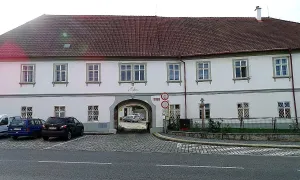
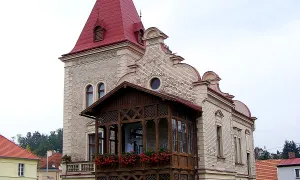
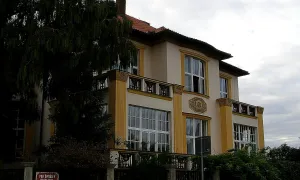
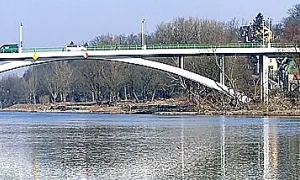
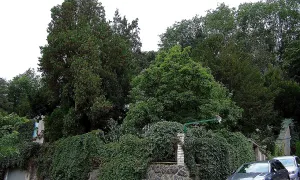
Real photos taken near the monument


Zdroj a licence jsou uvedeny u každého snímku.
Atmosphere of the place
This atmospheric visualisation of the place and period was generated by artificial intelligence. It is not real footage of the location.
Tips from visitors
No tips yet. Be the first!
Log in and add your tip.
Sources and literature
Photos: Goldbmax / CC BY-SA 4.0 — Wikimedia Commons. The author and licence also appear when you hover over the image.
Faktickým podkladem tohoto textu byl článek na Wikipedii, jehož autory jsou přispěvatelé Wikipedie. Článek je dostupný pod licencí CC BY-SA 4.0.
Location on the map
Příběhy a pověsti
Legendy, pověsti a příběhy spjaté s touto památkou
Fotografie návštěvníků
Zatím žádné fotografie. Buďte první, kdo přidá fotografii z návštěvy!
Log in a přidejte svou fotografii nebo hodnoťte.
Za ověřenou návštěvu v aplikaci získáte víc bodů — poznáme podle GPS, že jste na místě.
Reviews and comments