






Kostel svatého Jana Křtitele (Semily) Church
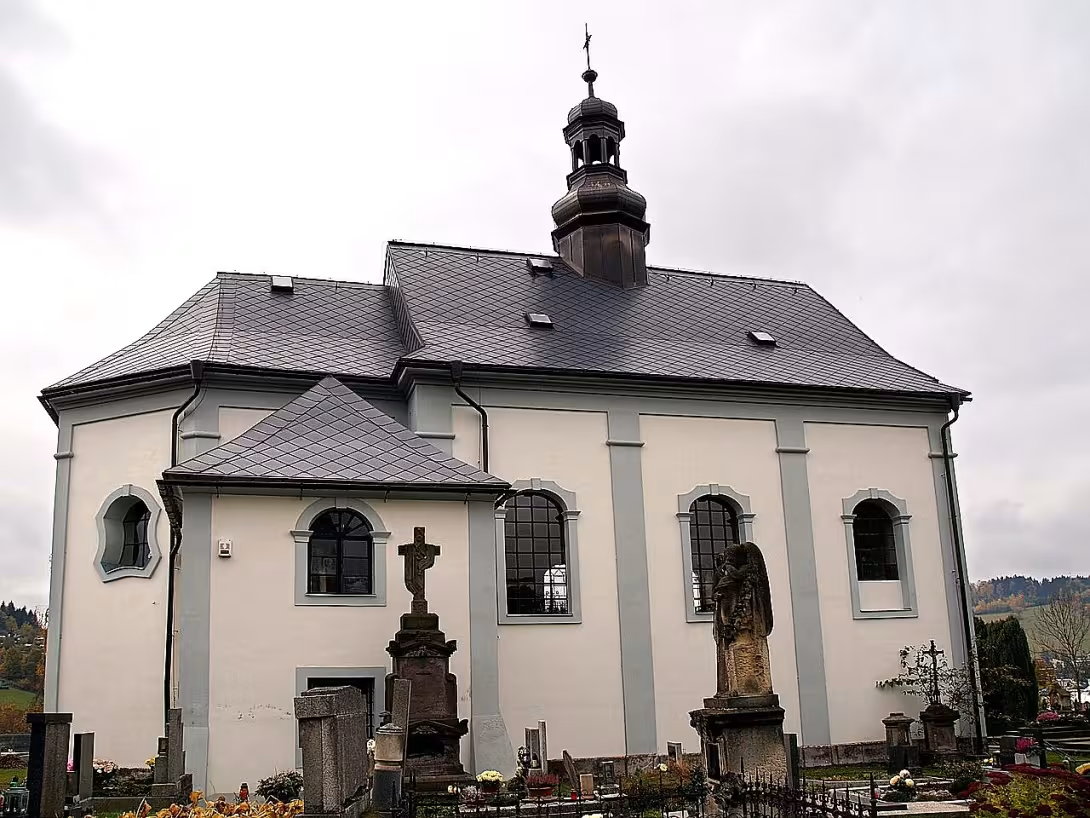
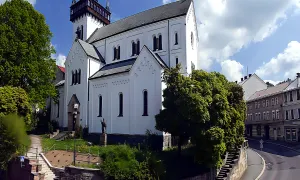
The Church of St. John the Baptist in Semily is a Baroque sacred building located on Koštofrank Hill within the town's cemetery. Recognized as a cultural monument by the Czech Republic, it stands out for its historical and architectural significance. Originally serving as a parish church during the Reformation, it later became a chapel after the Battle of White Mountain. The church underwent several transformations, including significant reconstruction following a devastating fire in 1691.
The origins of this church trace back to the mid-16th century when it was known as Stětí svatého Jana Křtitele and served as a parish church for Catholics during the Reformation. After the Battle of White Mountain, its role shifted to that of a chapel, leading to gradual deterioration until reconstruction began in 1723. The church was completed and consecrated in 1727, marking a significant period of renewal.
Architecturally, the Church of St. John the Baptist reflects Baroque influences with elements such as pilasters and frescoes. Originally constructed from wood, remnants like a bell dated to 1590 have been preserved. Following the fire in 1691, reconstruction began in 1723, leading to its completion in 1727. Architectural additions include a sacristy and an oratory built in 1825, featuring Baroque elements such as pilasters and frescoes. Notably, the church houses nástropní malba of St. John the Baptist preaching by Antonín František Hampische from 1761, and its presbytery is adorned with the Caretto-Millesimo coat of arms.
Throughout its history, the church has seen various administrators and notable figures associated with it. A hermit named Františkánský fráter Ludvík Chmelík lived on Koštofrank from 1728 to 1758, ministering in the parish church. The church features a Rococo main altar and paintings by Antonín František Hampische depicting St. John the Baptist preaching.
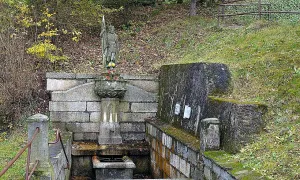
The surrounding area of the church includes a cemetery that served nearby communities after the closure of another local burial ground. Notable figures are buried here, including F. L. Rieger's father and mason Václav. Nearby, there is a spring dedicated to St. Wenceslas discovered in 1793.
Today, the Church of St. John the Baptist remains an important cultural site, reflecting its rich history and architectural beauty. It continues to be accessible for visitors who wish to explore its historical significance and appreciate its artistic elements. The church's enduring legacy makes it a worthwhile destination for those interested in Czech history and Baroque architecture.
Then and now
Drag the slider to compare how the landmark may have looked when it was built with the view today.
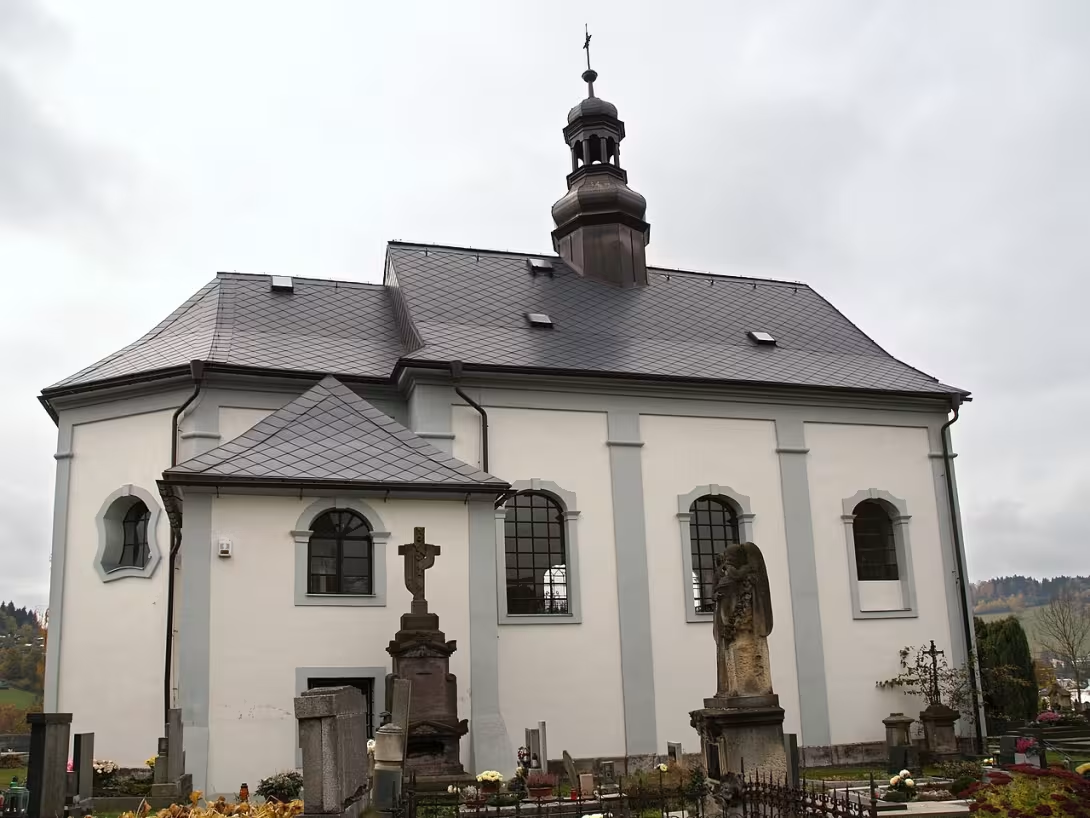

The historical appearance on the left is an AI-generated visualisation and serves as inspiration only.
Historical milestones
- 1590
- A bell from the original wooden church dated to this year was preserved.
- 1691
- The church suffered a devastating fire.
- 1723
- Fundraising for a new church began and the foundation stone was laid.
- 1727
- The church construction was completed and consecrated.
Architectural development
Originally a wooden structure with remnants like a bell from 1590, the church underwent significant changes after a fire in 1691. Reconstruction started in 1723, leading to its completion in 1727. Architectural additions include a sacristy and an oratory built in 1825, featuring baroque elements such as pilasters and frescoes.
Historical events
In the mid-16th century, the church was known as Stětí sv. Jana Křtitele and served as a parish church for Catholics during the Reformation.
After the Battle of White Mountain in 1620, it became a chapel and gradually deteriorated until reconstruction began in 1723.
The church was completed and consecrated in 1727.
Points of interest
- The Church of St. John the Baptist was originally known as "Stětí svatého Jana Křtitele" during the Reformation period when it served as a parish church for Catholics.
- A hermit named Františkánský fráter Ludvík Chmelík lived on Koštofrank Hill from 1728 to 1758, ministering in the Church of St. John the Baptist and adding a unique spiritual presence to its history.
- The church features nástropní malba (frescoes) by Antonín František Hampische from 1761, depicting St. John the Baptist preaching, showcasing Baroque artistic influences within the sacred space.
- A spring dedicated to St. Wenceslas was discovered in 1793 near the church, adding a layer of local legend and spiritual significance to the area surrounding Koštofrank Hill.
- Notable individuals such as F. L. Rieger's father and mason Václav are buried in the cemetery adjacent to the Church of St. John the Baptist, connecting it with significant historical figures from the region.
Guide
This guide is narrated by a synthetic voice generated by artificial intelligence.
Show guide text
This text was created by artificial intelligence and has not been editorially reviewed. It may contain inaccuracies.
Welcome to the Church of St. John the Baptist in Semily, a remarkable testament to history and faith nestled on Koštofrank Hill within this town's cemetery. As you stand here, let your eyes take in the baroque splendor that unfolds before you—a cultural monument cherished by the Czech Republic for its architectural elegance and historical depth.
The origins of this sacred site trace back to a time when religious tides were shifting across Europe. During the Reformation, it served as a parish church for the local Catholic minority, known then as "Stětí svatého Jana Křtitele." This period was marked by profound change and resilience, setting the stage for what would become an enduring symbol of faith.
In 1691, tragedy struck when a devastating fire engulfed the original structure. Yet, from these ashes arose a new vision—a testament to the community's unwavering spirit. By 1723, fundraising efforts were underway, culminating in the laying of the foundation stone for what we see today. Just four years later, in 1727, this architectural endeavor was completed and consecrated, marking a new chapter in its storied existence.
As you explore, take a moment to appreciate the baroque architecture that defines this church. Though specific architects remain unknown, their vision is evident in every detail—from the harmonious proportions of the building to the serene atmosphere it exudes. Notice how the structure interacts with its surroundings, offering both solace and inspiration to all who visit.
This place has been home to remarkable stories and figures throughout its history. Notably, from 1728 to 1758, a hermit named Františkánský fráter Ludvík Chmelík resided on Koštofrank Hill, ministering in the Church of St. John the Baptist. His presence adds a layer of mystique and devotion to this sacred site.
A fascinating tidbit that might pique your interest is the preservation of a bell from the original wooden church, dating back to 1590. This relic serves as a tangible link to the past, connecting us with those who walked these grounds centuries ago.
As our journey through this historic gem comes to an end, I invite you to linger a moment longer, absorbing its timeless beauty and rich history. There's always more to discover in every corner, in every stone of this remarkable church. Thank you for joining me on this exploration, and may your visit here leave you inspired and reflective. Farewell, until we meet again at another place of wonder.
Tips for visitors
The best time to visit the Church of St. John the Baptist in Semily is during late spring or early autumn. During these seasons, you can enjoy pleasant weather that enhances your experience as you explore the church and its surroundings. The foliage around Koštofrank hill provides a picturesque backdrop, making it an ideal period for photography enthusiasts.
Ensure you verify current routes and schedules through an online search.
When planning your visit, consider bringing comfortable walking shoes as there are several areas around the church worth exploring on foot, including the cemetery with its historical significance. A camera is recommended for capturing the architectural beauty of the baroque church and the scenic views from Koštofrank hill. Additionally, carrying a light jacket or sweater can be useful due to variable weather conditions.
For photography enthusiasts, some of the best spots include the exterior of the Church of St. John the Baptist during golden hour when the sunlight accentuates its baroque features. The cemetery area also offers unique photo opportunities with its historical gravestones and serene atmosphere. The spring dedicated to St. Wenceslas nearby provides a charming setting for capturing nature-inspired shots.
Nearby, within 30 minutes of travel from Semily, you can visit the spring discovered in 1793 dedicated to St. Wenceslas. This natural site offers a tranquil environment perfect for relaxation and reflection. For families with children, exploring this area can be both educational and enjoyable, providing insights into local history and legends associated with St. Wenceslas.
Frequently asked questions
Can the monument be visited?
Religious buildings are usually open mainly during services; at other times a visit is normally arranged with the parish or the operator. We have not verified specific times.
Where is the monument?
Location: Benešovská, Semily, Liberecký kraj. The map on this page shows the exact spot.
Why is the monument protected?
It is listed in the Central List of Cultural Monuments of the Czech Republic as a cultural monument (register no. 35385/6-2472).
Businesses nearby
Do you run a restaurant, accommodation, shop, museum, rental, wellness or other visitor service near this monument? Show yourself directly to the people heading to it — this is how they will see you in the app and on the web:
Nearby
Surrounding the church is a cemetery that served nearby communities after the closure of another local burial ground. Notable figures are buried here, including F. L. Rieger's father and mason Václav. Nearby, there is a spring dedicated to St. Wenceslas discovered in 1793.
Accommodation nearby
Trips and activities nearby
Guided tours, tickets and activities nearby from GetYourGuide
Affiliate link: if you buy from the partner, we may receive a commission. The price for you does not change.
Search tours and activities →Themed route
Tematická výletní trasa: Kostel svatého Jana Křtitele a okolí
1. Kostel svatého Jana Křtitele (Semily) - Typ: Historická památka - Proč stojí za návštěvu: Tento barokní kostel je nejen architektonickou perli v Semilách, ale také centrem místní duchovní historie. Jeho bohatě zdobený interiér a významná role ve společenském životě obce činí z něj nezbytnou prohlídku.
2. Místní hřbitov - Typ: Historické místo - Proč stojí za návštěvu: Okolo kostela se nachází hřbitov, který sloužil místním komunitám po uzavření jiného pohřebiště. Zde leží významné osobnosti jako otec F. L. Riegera a kamenický mistr Václav. Prozkoumání hrobu těchto historických postav poskytuje hlubší vhled do místní minulosti.
3. Pramenník svatého Václava - Typ: Historický pramen - Proč stojí za návštěvu: Tento pramen, objevený v roce 1793, je nejen zdrojem čerstvé vody, ale také místem s historickou a kulturní hodnotou. Jeho spojení se svatým Václavem přidává k němu duchovní rozměr, což ho činí zajímavým pro ty, kteří chtějí pochopit místní tradice a legendy.
Tato trasa nabízí pohled na historii a kulturu obce Semily prostřednictvím jejích nejvýraznějších památek, každá z nich přispívá k celkovému porozumění místním tradicím.
Seasonal recommendations
Spring: Visiting the Church of Saint John the Baptist during spring offers a unique experience as nature begins to awaken around Semily. The surrounding landscape is adorned with blooming flowers and fresh greenery, creating a vibrant backdrop for your visit. The church itself may be lit by natural sunlight filtering through its stained glass windows, casting colorful patterns that enhance its architectural beauty. As the weather can still be unpredictable, it's advisable to wear layers so you can adjust to changing temperatures throughout the day. Spring is generally less crowded than summer, making it a pleasant time for those who prefer a quieter exploration.
Summer: Summer in Semily brings long daylight hours and warm weather, ideal for exploring the Church of Saint John the Baptist at your leisure. The lush greenery surrounding the church provides a picturesque setting, perfect for photography enthusiasts. During this peak tourist season, the site can be quite busy, so it's recommended to arrive early in the morning or later in the afternoon to avoid larger crowds and enjoy a more tranquil visit. Comfortable walking shoes and light clothing are advisable due to the warm temperatures.
Autumn: Autumn transforms Semily into a tapestry of rich colors with its vibrant foliage, offering a stunning natural setting for visitors to the Church of Saint John the Baptist. The cooler weather makes it an ideal time to stroll around the area without the summer heat. As the days grow shorter and the air crisper, you might find the church's atmosphere more serene and contemplative. It's wise to wear layers to accommodate fluctuating temperatures throughout the day, and bringing a light jacket for the evening can be beneficial as it gets cooler.
Winter: Winter in Semily presents a magical experience with snow-covered landscapes surrounding the Church of Saint John the Baptist, creating a picturesque winter wonderland. The church may take on an ethereal quality under the soft glow of streetlights or moonlight reflecting off the snow. Dress warmly in layers, including a coat, hat, gloves, and boots to ensure comfort while exploring. The winter months often see fewer visitors, offering a more peaceful visit compared to busier seasons.
Visualizations and artistic views


The visualisations are generated by artificial intelligence and serve as inspiration.
Photos from the area
Real photos taken near the monument


Zdroj a licence jsou uvedeny u každého snímku.
Atmosphere of the place
This atmospheric visualisation of the place and period was generated by artificial intelligence. It is not real footage of the location.
Tips from visitors
No tips yet. Be the first!
Log in and add your tip.
Sources and literature
Photos: Luděk Kovář – ludek@kovar.biz / CC BY-SA 3.0 — Wikimedia Commons. The author and licence also appear when you hover over the image.
Faktickým podkladem tohoto textu byl článek na Wikipedii, jehož autory jsou přispěvatelé Wikipedie. Článek je dostupný pod licencí CC BY-SA 4.0.
Location on the map

Příběhy a pověsti
Legendy, pověsti a příběhy spjaté s touto památkou

Příběh: Kostel svatého Jana Křtitele (Semily)
Bylo to v pondělí ráno, kdy Václav zjistil, že jeho život zůstal nerozluštěnou hádankou, než se otevřely dveře kostela svatého Jana Křtitele. Jeho nohy ho un…
Číst příběh
Pověst: Kostel svatého Jana Křtitele (Semily)
Traduje se, že kopec Koštofrank nad Semilami nikdy nebyl zcela pustý, ani v těch nejkrutějších letech, kdy na jeho temeni stál jen popelový skelet spáleného …
Číst příběhFotografie návštěvníků
Zatím žádné fotografie. Buďte první, kdo přidá fotografii z návštěvy!
Log in a přidejte svou fotografii nebo hodnoťte.
Za ověřenou návštěvu v aplikaci získáte víc bodů — poznáme podle GPS, že jste na místě.
Reviews and comments