






Kostel svatého Jiří (Libina) Church
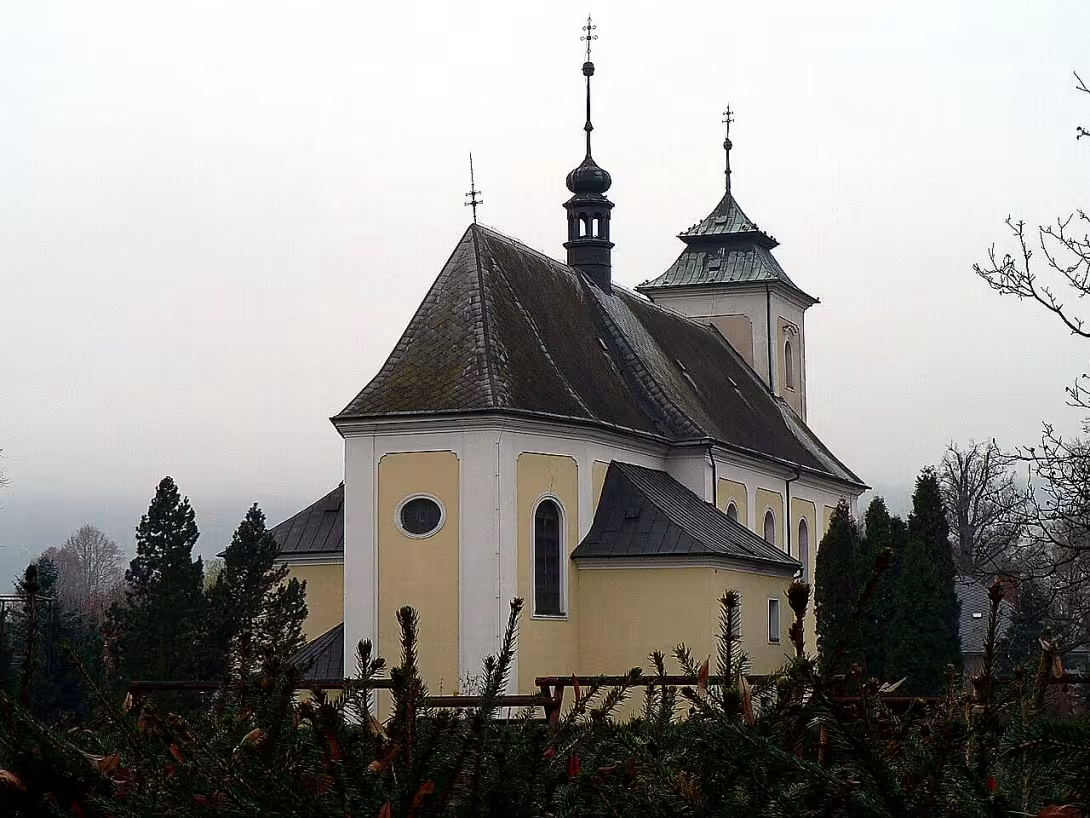
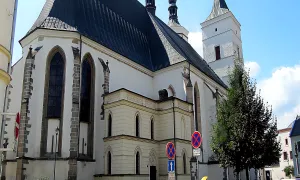
The Church of Saint George in Libina is an outstanding example of Baroque architecture from the 18th century, featuring classical elements and exquisite stucco decoration. Situated in the village of Libina within the Libina District of Olomoucký kraj, this church holds cultural significance as a listed monument since 1964. Its architectural history combines medieval origins with significant Baroque reconstruction, making it an important site for those interested in historical architecture.
The Church likely dates back to the Middle Ages, particularly evident in its tower's core structure and possibly its layout. However, it underwent major transformation or was rebuilt entirely in 1721. This period marked substantial cultural and architectural developments in Bohemia, part of the Habsburg Monarchy, influenced by Baroque art—a style that flourished across Europe during this era.
Architecturally, the church features an oriented single-nave structure with a recessed five-sided chancel. It includes side chapels and sacristies with oratories on the upper floor, blending classical elements and stucco decoration harmoniously. The façades are adorned with shallow recesses framing windows with semicircular arches, enhancing its aesthetic appeal. A notable feature is a hexagonal annex on the southeast side, housing a sculpture group depicting the Agony in the Garden of Gethsemane.
The church also boasts significant sculptures and artworks. It houses a statue of Saint John Nepomucene from around 1715-1720 on the right side of the entrance. On the left is a stone statue of the Virgin Mary from 1716. Inside, the main altar features an image of Saint George painted in 1863 by Josef Jansa and remnants of the original retable with wood carvings of Saints Peter and Paul, along with a group sculpture of the Holy Trinity. Other preserved elements include a pulpit, a marble baptismal font from 1725, and an altarpiece depicting Saint Anthony of Padua, likely originating from a church in Mladoňově.
The interior is marked by elegant design, featuring barrel vaults with lunettes in both the chancel and nave. The vault ribs rest on half-pillars topped with Ionic capitals and decorative festoons. A loft oratory supported by brick pillars adds to the spatial dynamics of the nave, above which sits a music gallery.
The church's organ dates back to 1775, while its bell tower houses a bell from 1504, alongside two more bells cast in 1981 and 1982 at Leticie Dytrychové’s workshop in Brodek u Přerova. These elements collectively contribute to the church's historical and cultural richness.
Today, the Church of Saint George remains accessible for visitors interested in exploring its architectural beauty and historical significance. Its well-preserved Baroque style, combined with medieval influences, offers a unique glimpse into 18th-century Bohemia's artistic and religious developments. Visitors are invited to appreciate this remarkable monument, which stands as a testament to the region's rich cultural heritage.
Then and now
Drag the slider to compare how the landmark may have looked when it was built with the view today.
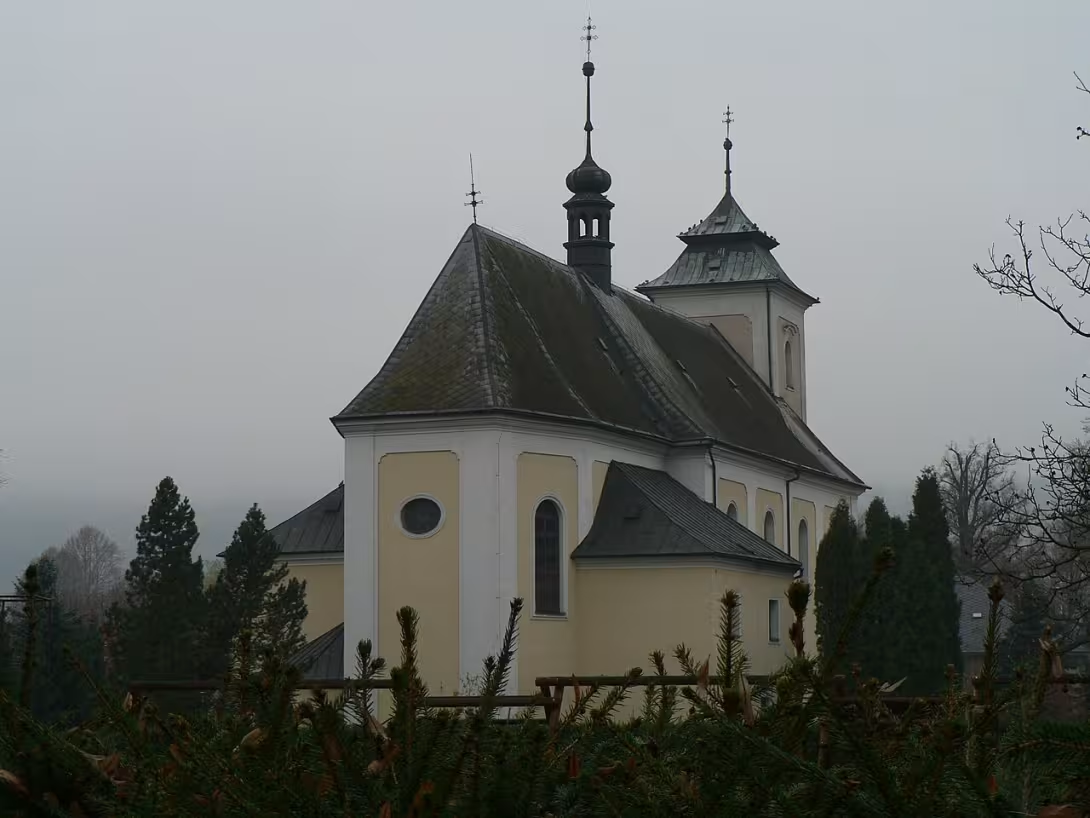
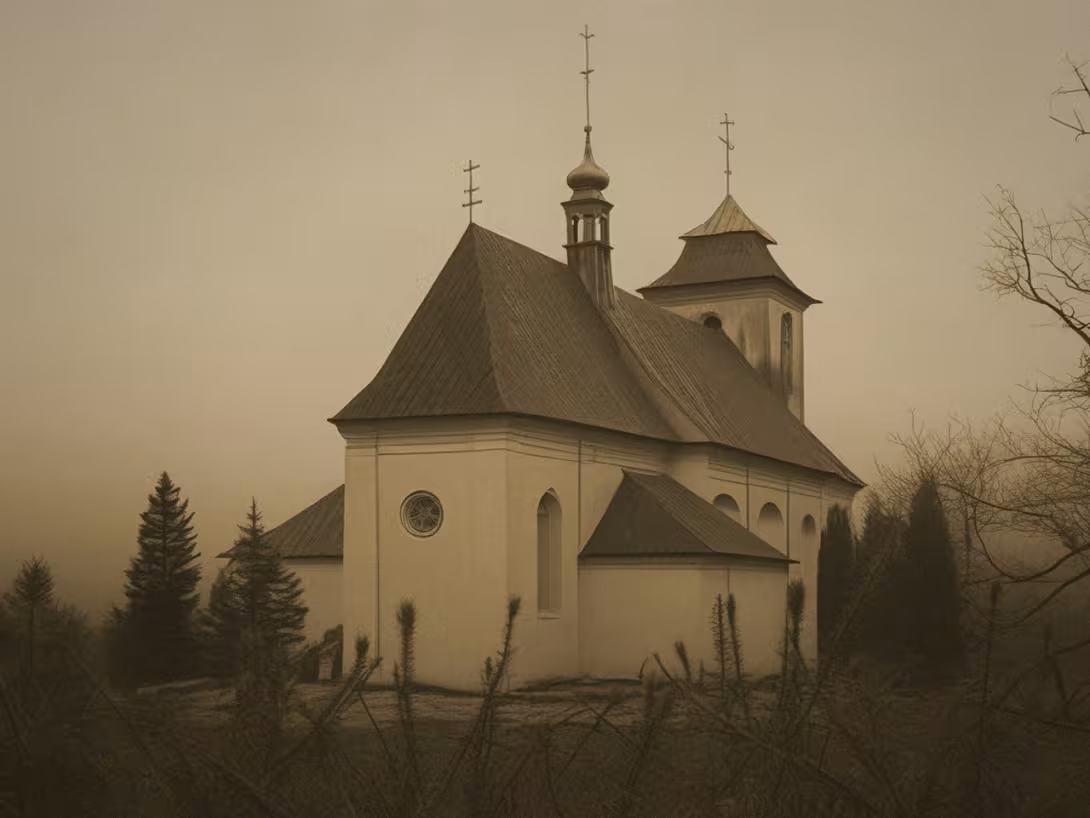
The historical appearance on the left is an AI-generated visualisation and serves as inspiration only.
Historical milestones
- kolem 1500
- Vznik základní struktury věže.
- 1721
- Barokní rekonstrukce nebo nový výstavba kostela.
- 1715
- Vznik sochy svatého Jana Nepomuckého.
- 1716
- Vznik kamenné sochy Panny Marie.
- 1863
- Malba obrazu svatého Jiří Jansou Josefovem.
- 1964
- Zapsání kostela jako kulturní památka.
Architectural development
Originally, the church may have had medieval origins, particularly its tower and layout. The Baroque reconstruction in 1721 introduced significant architectural changes, including a harmonious blend of classical elements with stucco decoration. The building features an oriented single-nave structure with a recessed five-sided chancel.
Historical events
The church was constructed or extensively rebuilt in 1721.
It was registered as a cultural monument in 1964.
Points of interest
- The Church of Saint George's bell tower houses a bell from 1504, making it one of the oldest surviving bells in the region, predating the Baroque reconstruction by over two centuries. - A hexagonal annex on the southeast side of the church contains a unique sculpture group depicting the Agony in the Garden of Gethsemane, highlighting its artistic significance beyond typical religious iconography. - The statue of Saint John Nepomucene near the entrance dates to around 1715-1720, reflecting his growing veneration during that period as a symbol of resistance against secular interference in church matters. - Inside the church, remnants of the original retable with wood carvings of Saints Peter and Paul remain, providing insights into the artistic transitions from medieval to Baroque styles within the same structure. - The organ, dating back to 1775, was likely a significant addition during a period when music played an increasingly important role in enhancing liturgical practices in Bohemian churches.
Guide
This guide is narrated by a synthetic voice generated by artificial intelligence.
Show guide text
This text was created by artificial intelligence and has not been editorially reviewed. It may contain inaccuracies.
Welcome to the Church of Saint George in Libina, a remarkable testament to Baroque architecture nestled within this serene Olomoucký region. As you stand before its grand façade, take a moment to absorb the intricate stucco work and classical elements that define its 18th-century style. This church is not only a feast for the eyes but also a bridge across time, with roots stretching back into the Middle Ages.
The origins of this sacred site are steeped in history. The tower's core likely dates back to around 1500, hinting at an enduring presence that has witnessed centuries unfold. By 1721, the church underwent significant transformation or was rebuilt entirely, embracing Baroque aesthetics while retaining its medieval essence. This period marked a new chapter for Saint George’s Church, intertwining old and new in harmonious coexistence.
As you explore further, notice how the architecture invites curiosity. The bell tower, an enduring sentinel of time, houses a bell from 1504—one of the region's oldest surviving bells, predating the Baroque reconstruction by over two centuries. This piece alone tells tales of history echoing through its chimes across generations.
The church grounds also hold artistic treasures. In 1715, a sculpture of Saint John Nepomuk was crafted, followed closely in 1716 by a stone statue of the Virgin Mary. These figures stand as silent witnesses to the devotion and artistry that have shaped this place over time. Additionally, in 1863, an image of Saint George was painted by Jansou Josefovem, adding layers of narrative and visual splendor.
A particularly intriguing feature is the hexagonal annex on the southeast side, housing a unique sculpture group depicting the Agony in the Garden. This artistic ensemble invites contemplation, offering a glimpse into the spiritual depth that permeates this sacred space.
As we conclude our journey through the Church of Saint George, remember that its walls and artworks are more than just historical artifacts; they are storytellers of faith, artistry, and community resilience. We invite you to explore further, immerse yourself in its atmosphere, and let your imagination wander through the corridors of time. Thank you for joining us on this journey, and may your visit be both enlightening and inspiring.
Now, as you continue exploring Libina, carry with you the stories and beauty of Saint George’s Church. Farewell!
Tips for visitors
The best time to visit the Church of Saint George in Libina is during late spring or early autumn when the weather is pleasant, allowing you to comfortably explore both the church's interior and its surroundings. These seasons offer mild temperatures and beautiful natural scenery, enhancing your overall experience. Additionally, visiting on weekdays can provide a quieter atmosphere compared to weekends, which are typically busier with tourists.
Public transport users should verify current schedules as they plan their trip. Both methods offer flexibility depending on your preference and travel plans.
When visiting the Church of Saint George, consider bringing a camera to capture its exquisite Baroque architecture and stucco decorations. For photography enthusiasts, early morning or late afternoon light is ideal for highlighting the church's intricate details with soft shadows and warm tones. Additionally, carrying comfortable walking shoes is recommended if you plan to explore nearby areas on foot.
For families with children visiting the Church of Saint George, it’s a great opportunity to introduce them to historical architecture and art. Engage your kids by explaining the significance of Baroque elements they see inside. Nearby, within 30 minutes, there are no specific attractions listed in the provided data, but exploring local nature trails or small towns can be an enjoyable extension of your visit.
While there is no specific nearby attraction mentioned within a 30-minute radius from Libina, visitors can enjoy the serene countryside and explore other historical sites in the Olomoucký kraj region. This area offers a chance to experience local culture and history beyond just the church itself.
Frequently asked questions
Can the monument be visited?
Religious buildings are usually open mainly during services; at other times a visit is normally arranged with the parish or the operator. We have not verified specific times.
Where is the monument?
Location: Libina, Olomoucký kraj. The map on this page shows the exact spot.
Why is the monument protected?
It is listed in the Central List of Cultural Monuments of the Czech Republic as a cultural monument (register no. 15094/8-985).
Businesses nearby
Do you run a restaurant, accommodation, shop, museum, rental, wellness or other visitor service near this monument? Show yourself directly to the people heading to it — this is how they will see you in the app and on the web:
Accommodation nearby
Themed route
Thematic Walking Tour: Libina and the Church of Saint George
Welcome to this curated walking tour focusing on the Church of Saint George (Libina), a remarkable architectural gem nestled in the heart of the village of Libina. This tour will guide you through a series of points that highlight both the church's significance and its surrounding charm.
1. Church of Saint George (Libina) - Type: Church - Why Visit? The Church of Saint George is an exquisite example of Gothic architecture, renowned for its intricate stonework and historical significance in the region. As you explore this sacred site, take a moment to appreciate the serene atmosphere and the church's role as a spiritual beacon for the local community.
2. Libina Village Square - Type: Public Space - Why Visit? Just a short walk from the church, the village square is the heart of Libina. This charming area offers a glimpse into rural life in Olomoucký kraj, with its traditional houses and inviting atmosphere. It's an ideal spot to relax and soak up the local culture.
3. Libina Village Museum - Type: Museum - Why Visit? Located near the village square, this museum provides insight into the history and traditions of Libina. Exhibits showcase artifacts and stories that paint a vivid picture of life in the region over the centuries. It's a must-visit for anyone interested in cultural heritage.
4. Local Craftsmen's Workshop - Type: Cultural Site - Why Visit? A short stroll from the museum, this workshop offers a unique opportunity to witness local artisans at work. Here, you can see traditional crafts being made by hand, offering a tangible connection to the region’s rich artisanal history.
This tour provides an enriching experience that combines architectural beauty with cultural exploration, all within the charming confines of Libina. Enjoy your journey through this quaint village and its treasures!
Seasonal recommendations
Spring: Visiting the Church of Saint George in Libina during spring offers a unique experience as nature begins to awaken around this historic site. The surrounding landscape is adorned with vibrant wildflowers and budding trees, creating an enchanting atmosphere that complements the church's architectural beauty. As daylight hours increase, visitors can enjoy softer natural lighting that highlights the intricate details of the church's stonework. This season typically sees fewer crowds than summer, making it a pleasant time for exploration. Practical advice includes wearing comfortable walking shoes to navigate the lush terrain and carrying an umbrella in case of spring showers.
Summer: The summer months bring out the best in the Church of Saint George, with long days filled with warm sunlight that enhances the church's historic charm. This is the peak tourist season, so visitors should expect larger crowds, especially during weekends and holidays. To fully enjoy your visit, it’s advisable to arrive early in the morning when temperatures are cooler and before the influx of tourists. Light, breathable clothing is recommended for comfort, along with sun protection like hats or sunglasses. Exploring the church's surroundings can be particularly rewarding as the nearby nature trails offer refreshing shade.
Autumn: Autumn transforms the Church of Saint George into a picturesque setting, with the surrounding foliage displaying rich hues of red, orange, and gold. The cooler weather provides an ideal backdrop for photography enthusiasts looking to capture the historic site amidst the vibrant autumnal colors. As temperatures drop, it's wise to dress in layers to stay comfortable throughout your visit. This season tends to be less crowded than summer, offering a more tranquil experience. Late afternoon visits can be especially rewarding as the soft, golden light of sunset bathes the church in a warm glow.
Winter: The winter months envelop the Church of Saint George in a serene and magical atmosphere, with snow often blanketing the surrounding landscape. This creates a stunning contrast against the historic architecture, making it an enchanting time for photography or quiet reflection. Dress warmly in layers, including waterproof outerwear if necessary, to ensure comfort during your visit. Winter's quieter ambiance means fewer tourists, allowing for a more intimate experience of this historic site.
Visualizations and artistic views


The visualisations are generated by artificial intelligence and serve as inspiration.
Photos from the area
Real photos taken near the monument


Zdroj a licence jsou uvedeny u každého snímku.
Tips from visitors
No tips yet. Be the first!
Log in and add your tip.
Sources and literature
Photos: Martin Vavřík / Public domain — Wikimedia Commons. The author and licence also appear when you hover over the image.
Faktickým podkladem tohoto textu byl článek na Wikipedii, jehož autory jsou přispěvatelé Wikipedie. Článek je dostupný pod licencí CC BY-SA 4.0.
Location on the map

Příběhy a pověsti
Legendy, pověsti a příběhy spjaté s touto památkou

Fotografie návštěvníků
Zatím žádné fotografie. Buďte první, kdo přidá fotografii z návštěvy!
Log in a přidejte svou fotografii nebo hodnoťte.
Za ověřenou návštěvu v aplikaci získáte víc bodů — poznáme podle GPS, že jste na místě.
Reviews and comments