






kostel svatého Marka (Litovel) Church
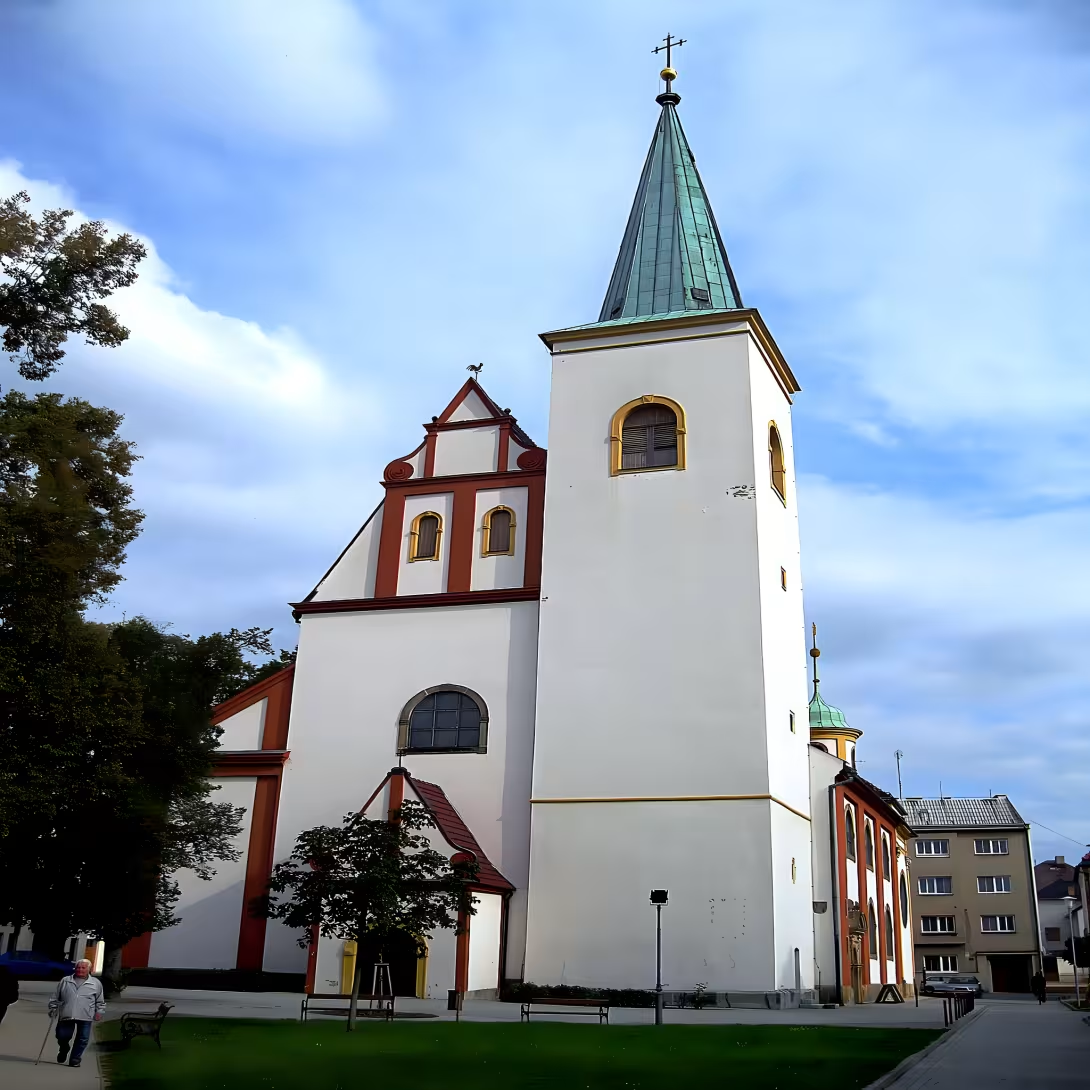
The Church of Saint Mark in Litovel exemplifies architectural evolution, merging Gothic origins with Baroque modifications. Situated within the historic ecclesiastical quarter of Litovel, this church has transformed since its first documented mention in 1342. Notably, it was reconstructed in the Baroque style by Melichor Donk between 1675 and 1680, giving it its current form.
The origins of the Church of Saint Mark date back to when Bohemia was part of the Holy Roman Empire, a time marked by significant religious and political changes. Its first documented mention in 1342 marks it as an enduring fixture in Litovel's ecclesiastical landscape. Initially under the patronage rights of Cistercian nuns from Staré Brno monastery, granted by Elisabeth Rejčka until 1562, this connection underscores its importance within the religious community and its role as a spiritual center.
Architecturally, the Church of Saint Mark features a Gothic structure with Baroque modifications. It underwent changes during the late 15th and early 16th centuries, including a sacristy addition around 1529 and a portal dated 1532. Its tower was heightened in the latter half of the 16th century, adorned with sgraffito that has partially survived under roofing. The Baroque reconstruction by Melichor Donk between 1675 and 1680 significantly shaped its current appearance. This single-nave building features a three-sided closure and is oriented from north-west to south-east, with chapels on either side housing an oratory in the upper floor.
Throughout its history, the church has witnessed key events that have left their mark. In 1437, it was plundered by Jan Pardus's army but reconsecrated two years later in 1444. A significant turning point came in 1623 when a fire destroyed both the church and nearby structures, leading to its Baroque reconstruction. The church continued to evolve with further modifications, such as the installation of a new altar in 1857, painted in a historicizing style, and the restoration of the Marian Chapel between 1900 and 1901, which included four paintings depicting scenes from the life of Mary.
Today, the Church of Saint Mark remains accessible for visitors interested in its rich history and architectural beauty. The installation of new stained glass windows in 2015, designed by Alena Ponížilová and crafted by Vitráže Bruštík, adds a contemporary artistic touch to this historic structure. These windows depict the mysteries of the Rosary, enhancing the church's spiritual ambiance.
Visiting the Church of Saint Mark offers a unique opportunity to explore a site that has stood witness to centuries of history and transformation. Its blend of Gothic and Baroque elements provides insight into architectural trends of its time, while its historical significance within Litovel makes it a must-see for those interested in ecclesiastical heritage. The church's enduring presence is a testament to its importance as both a spiritual center and an architectural landmark.
Then and now
Drag the slider to compare how the landmark may have looked when it was built with the view today.
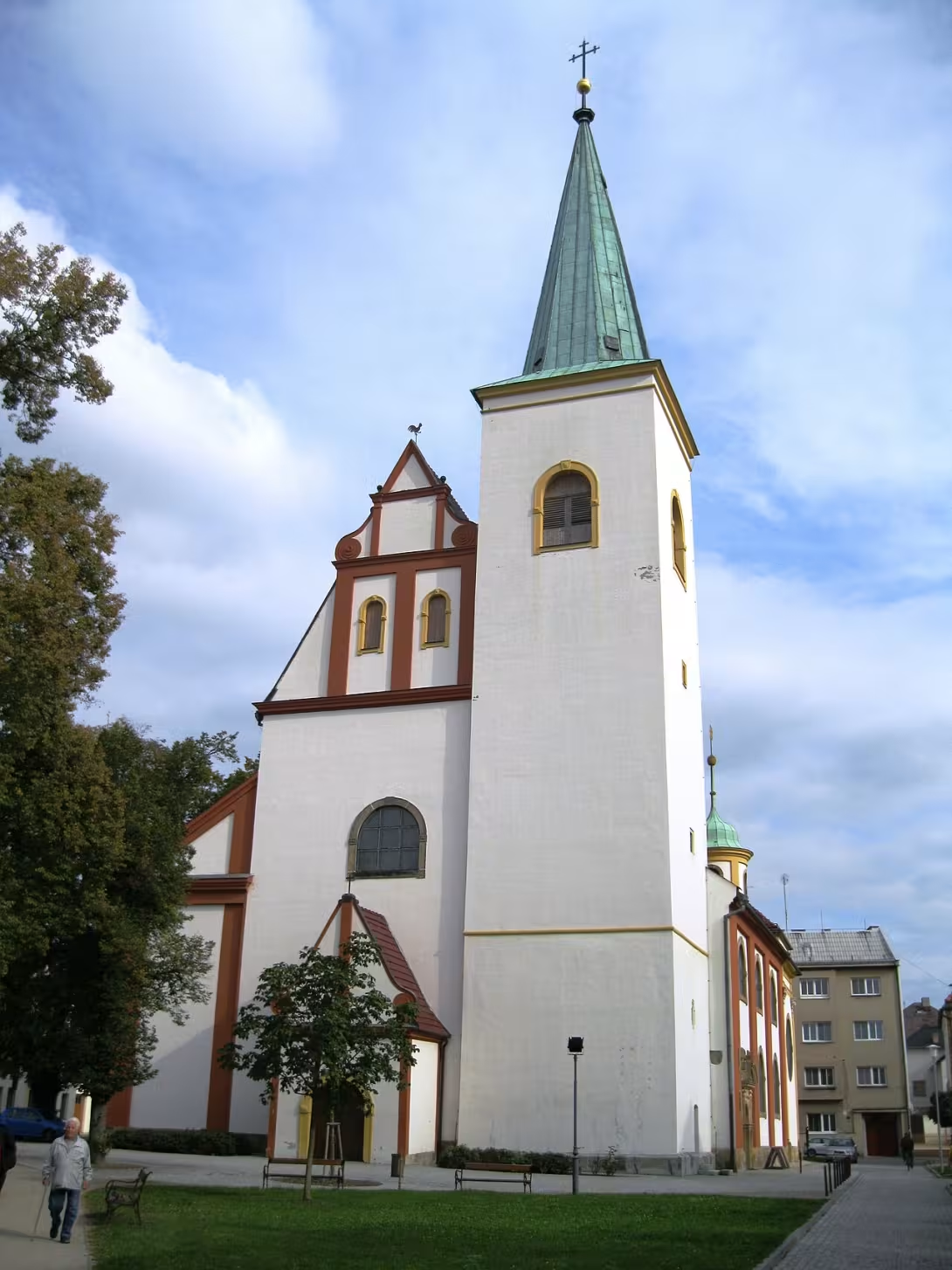
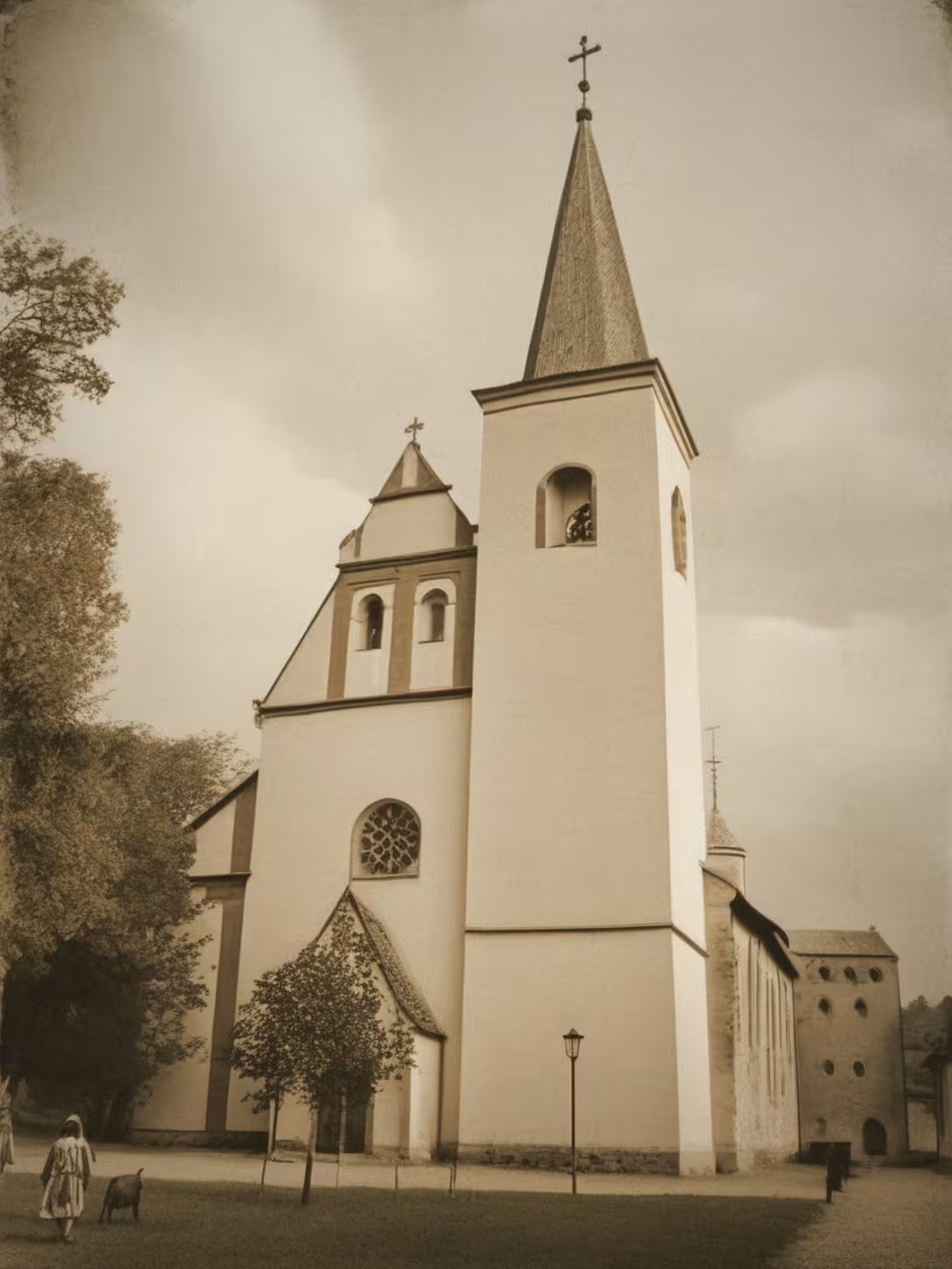
The historical appearance on the left is an AI-generated visualisation and serves as inspiration only.
Historical milestones
- 1342
- First documented mention of the church.
- 1437
- The church was plundered by Jan Pardus's army.
- 1444
- The church was reconsecrated.
- 1675-1680
- Baroque reconstruction by Melichor Donk.
Architectural development
The church underwent several architectural changes during the late 15th and early 16th centuries. A sacristy was added around 1529, with a portal dated 1532. The tower was heightened in the latter half of the 16th century, adorned with sgraffito that has partially survived under roofing. After burning down in 1623, it was Baroque-reconstructed by Melichor Donk between 1675 and 1680.
Historical events
First documented mention of the church dates back to 1342.
In 1437, the church was plundered by Jan Pardus's army.
The church was reconsecrated in 1444.
Owners
The patronage rights over the church were held by Cistercian nuns from the monastery in Staré Brno, granted by Elisabeth Rejčka, until 1562.
Points of interest
- The Church of Saint Mark was initially under the patronage rights of Cistercian nuns from Staré Brno monastery until 1562, highlighting its early importance within the religious community and as a spiritual center in Litovel.
- In 1437, the church faced desecration when it was plundered by Jan Pardus's army but managed to be reconsecrated just two years later in 1444, showcasing its resilience through turbulent times.
- A significant event occurred in 1623 when a fire devastated both the Church of Saint Mark and nearby structures, leading to its Baroque reconstruction between 1675 and 1680 by Melichor Donk, marking a major transformation in its architectural style.
- The church's interior saw notable changes with the installation of a new altar in 1857, which was painted in a historicizing style, reflecting evolving artistic tastes and religious practices during that period.
- In 2015, the church received contemporary stained glass windows designed by Alena Ponížilová and crafted by Vitráže Bruštík, depicting the mysteries of the Rosary, thereby enhancing its spiritual ambiance with modern artistry.
Guide
This guide is narrated by a synthetic voice generated by artificial intelligence.
Show guide text
This text was created by artificial intelligence and has not been editorially reviewed. It may contain inaccuracies.
Welcome to the Church of Saint Mark in Litovel, a remarkable testament to the layers of history and architectural evolution that have shaped this region. As you stand before its imposing structure, take a moment to soak in the serene presence of this Gothic building, which has gracefully embraced significant Baroque modifications over the centuries.
The story of this church begins as early as 1342 when it was first documented, marking its longstanding importance within the community of Litovel. Over time, it became part of an ecclesiastical quarter, serving not just as a place of worship but also as a spiritual center for the people around it. However, like many historical structures, it faced trials; in 1437, it was plundered by Jan Pardus's army, a stark reminder of the turbulent times it has witnessed. Yet, resilience is at its core, and by 1444, the church was reconsecrated, ready to continue serving its sacred purpose.
As you look around, notice how the single-nave orientation with a three-sided closure gives this structure a unique character. The most significant transformation came between 1675 and 1680 when Melichor Donk undertook a Baroque reconstruction that reshaped the church into what we see today. This period of renovation infused new life into its Gothic roots, blending styles in a way that speaks volumes about the era's architectural tastes.
The Church of Saint Mark was once under the patronage rights of Cistercian nuns from Staré Brno monastery until 1562, highlighting its early significance within the religious community. This connection to the Cistercians underscores the church's role not just as a physical structure but as a beacon of faith and spirituality in Litovel.
As you continue your exploration, let these stories and transformations inspire you. Each stone and archway holds tales of resilience, change, and devotion. I invite you to delve deeper into this fascinating history, perhaps imagining the lives that have passed through its doors over the centuries.
Thank you for joining me on this journey through time at the Church of Saint Mark. May your visit leave you with a sense of wonder and an appreciation for the rich tapestry of history that surrounds us.
Tips for visitors
The best time to visit the Church of Saint Mark in Litovel is during late spring or early autumn when the weather is pleasant, and the crowds are thinner compared to peak tourist seasons. This timing allows you to appreciate the intricate Gothic architecture and Baroque modifications without the hustle and bustle. The lighting during these months also enhances the beauty of the church’s stained glass windows and interior details.
When visiting the Church of Saint Mark, it's recommended to bring comfortable walking shoes as there may be some uneven surfaces around the site. A camera is also essential for capturing the stunning architecture and interior details. If you're interested in photography, early morning light provides a soft glow that enhances the textures and colors inside the church. Additionally, bringing a small notebook or sketchpad can be useful if you wish to jot down impressions or sketch.
For families with children, Litovel offers a charming atmosphere that is both educational and engaging. The Church of Saint Mark itself has historical significance that can spark curiosity in young minds about medieval architecture and history. Nearby, within a 30-minute drive, you can visit the Litovel Castle, which often hosts family-friendly events and exhibitions. Exploring the castle grounds can be an enjoyable activity for children.
Nearby attractions include the Litovel Castle, located just a short distance from the church. The castle offers insights into regional history and architecture, making it a worthwhile stop after visiting the Church of Saint Mark. For those interested in nature, the surrounding countryside provides opportunities for leisurely walks or cycling, allowing visitors to explore the scenic landscapes around Litovel.
Frequently asked questions
Can the monument be visited?
Religious buildings are usually open mainly during services; at other times a visit is normally arranged with the parish or the operator. We have not verified specific times.
Where is the monument?
Location: nám. Svobody, Litovel, Olomoucký kraj. The map on this page shows the exact spot.
Why is the monument protected?
It is listed in the Central List of Cultural Monuments of the Czech Republic as a cultural monument (register no. 37532/8-1856).
Businesses nearby
Do you run a restaurant, accommodation, shop, museum, rental, wellness or other visitor service near this monument? Show yourself directly to the people heading to it — this is how they will see you in the app and on the web:
Nearby
The Church of Saint Mark is located within Litovel, surrounded by historical ecclesiastical buildings and a cemetery used until 1784. The area features other notable structures like Engelmann's Chapel.
Accommodation nearby
Trips and activities nearby
Guided tours, tickets and activities nearby from GetYourGuide
Affiliate link: if you buy from the partner, we may receive a commission. The price for you does not change.
Search tours and activities →Themed route
Thematic Tour Plan: Litovel and the Church of St. Mark
1. Church of St. Mark (Litovel) - Type: Historical Landmark - Why Visit: The Church of St. Mark is a stunning example of Gothic architecture, featuring intricate stone carvings and a rich history dating back to the 14th century. It serves as a central piece in Litovel's cultural heritage, offering visitors a glimpse into the town's medieval past.
2. Litovel Town Square - Type: Historical Site - Why Visit: Located just a short walk from the Church of St. Mark, Litovel’s Town Square is surrounded by beautifully preserved historical buildings that reflect the architectural evolution of the region. The square serves as a vibrant hub for local events and markets, providing insight into the town's lively community spirit.
3. Litovel Museum - Type: Cultural Institution - Why Visit: Situated near the Town Square, the Litovel Museum offers an in-depth look at the history and culture of Litovel through its diverse exhibits. Visitors can explore local art, historical artifacts, and learn about the town's development over centuries.
4. St. John’s Chapel - Type: Religious Site - Why Visit: A short distance from the Church of St. Mark, this chapel is a serene place for reflection with its simple yet elegant design. It provides an intimate setting to appreciate Litovel’s religious heritage and architectural diversity.
This tour offers a comprehensive exploration of Litovel's historical and cultural landmarks, ensuring visitors gain a deep appreciation for the town's rich legacy.
Seasonal recommendations
Spring: The spring season at Church of Saint Mark in Litovel offers a rejuvenating atmosphere as the surrounding landscape awakens with vibrant colors and fresh blooms. This period is characterized by mild weather, making it an ideal time for outdoor exploration around the church. Visitors can enjoy the gentle warmth and blossoming nature that enhances the beauty of this historic site. It's advisable to dress in layers, as temperatures can vary throughout the day. Early morning visits are recommended to avoid larger crowds and fully appreciate the serene ambiance.
Summer: During summer, Church of Saint Mark basks under clear skies and abundant sunshine, creating a lively atmosphere perfect for exploring its architectural details. This is the peak tourist season, so expect larger crowds, especially during weekends and holidays. The church grounds become particularly inviting in the late afternoon when the sun casts a golden hue over the area. Visitors should dress comfortably in light clothing and consider arriving early to avoid the midday heat and ensure a more relaxed experience.
Autumn: Autumn transforms the Church of Saint Mark into a picturesque setting with its warm, earthy tones reflected in the surrounding foliage. The cooler weather makes it a pleasant time for longer visits without the summer's heat. This season is ideal for photography enthusiasts who wish to capture the church against a backdrop of richly colored trees. It’s wise to wear layers and bring a light jacket as temperatures can drop in the evenings. Visiting during weekdays can provide a quieter experience, allowing you to enjoy the tranquil atmosphere.
Winter: The winter months envelop Church of Saint Mark with a quiet, magical charm, especially when snow gently blankets the area. This season offers a unique perspective on the historic architecture, highlighted by softer lighting and serene surroundings. Visitors should dress warmly in coats, hats, gloves, and boots due to colder temperatures and potential snowfall. It's best to plan visits during midday when daylight hours are longer, as opening times may be shorter. The quieter winter season also provides an opportunity for a more intimate exploration of the church’s features without the summer crowds.
Visualizations and artistic views


The visualisations are generated by artificial intelligence and serve as inspiration.
Photos from the area
Real photos taken near the monument

Zdroj a licence jsou uvedeny u každého snímku.
Tips from visitors
No tips yet. Be the first!
Log in and add your tip.
Sources and literature
Photos: Lehotsky / CC BY-SA 3.0, rozlišení zvýšeno umělou inteligencí — Wikimedia Commons. The author and licence also appear when you hover over the image.
Faktickým podkladem tohoto textu byl článek na Wikipedii, jehož autory jsou přispěvatelé Wikipedie. Článek je dostupný pod licencí CC BY-SA 4.0.
Location on the map
More monuments – Litovel
Show all in the municipality


Příběhy a pověsti
Legendy, pověsti a příběhy spjaté s touto památkou
Fotografie návštěvníků
Zatím žádné fotografie. Buďte první, kdo přidá fotografii z návštěvy!
Log in a přidejte svou fotografii nebo hodnoťte.
Za ověřenou návštěvu v aplikaci získáte víc bodů — poznáme podle GPS, že jste na místě.
Reviews and comments