



Kostel svatého Martina (Skalice) Church
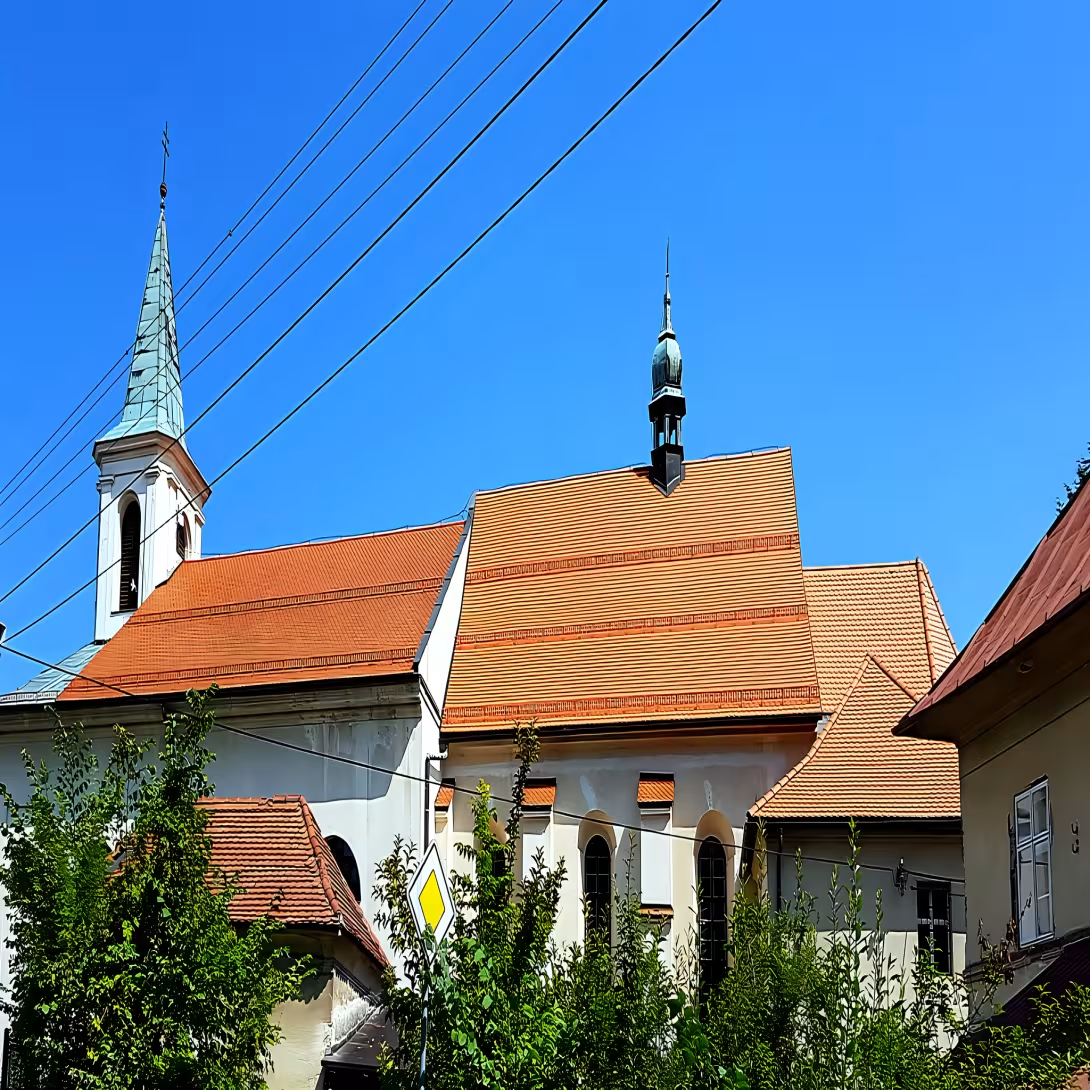
The Church of Saint Martin in Skalice exemplifies architectural evolution, merging Renaissance, Classical, and Imperial styles into one unified structure. Situated in the municipality of Skalice within the Frýdek-Místek district of Moravskoslezský kraj, this church was originally built between 1612 and 1617. Its historical importance is underscored by its construction shortly before the Thirty Years' War, a time marked by religious and political turmoil in Central Europe.
The origins of the Church of Saint Martin date back to Count Bruntálský of Vrbno, who commissioned it on the site of an earlier forest chapel. This reflects the broader trend during the early 17th century when Bohemia was part of the Habsburg Monarchy and undergoing significant religious changes. The church's initial Renaissance design highlights architectural preferences of that era, characterized by symmetry, proportion, and geometry.
Architecturally, the Church began as a Renaissance structure with an oblong nave supported by robust buttresses, ending in a polygonal presbytery. Remnants of this original chapel form part of the chancel area. A notable feature is the sanctus house housing a bell from 1774, crafted by a member of the renowned Opava bell-making Stank family. In 1884, significant modifications expanded the church to include a new front section and side chapels with oratories in the Classical-Imperial style, along with a prominent tower above the entrance.
Throughout its history, the Church has undergone various changes under different administrations. The most dramatic transformation occurred in 1884 when it was expanded and modified, reflecting shifts in architectural trends and community needs. A memorial plaque on the church wall commemorates Father Josef Onderka (1811-1877), a local priest known for his contributions to hymnals and prayer books, adding cultural significance.
Today, the Church of Saint Martin remains an active part of the Roman Catholic parish in Skalice, open to the public during services. Its blend of architectural styles and historical layers make it a fascinating site for visitors interested in religious history and architectural evolution. The church's enduring presence and accessibility invite exploration and appreciation, offering insights into the region's rich cultural tapestry.
The Church of Saint Martin is not only a place of worship but also a monument that encapsulates centuries of history and artistic expression. Its unique combination of styles and historical significance make it a must-visit for anyone interested in exploring the architectural heritage of Moravskoslezský kraj.
Then and now
Drag the slider to compare how the landmark may have looked when it was built with the view today.
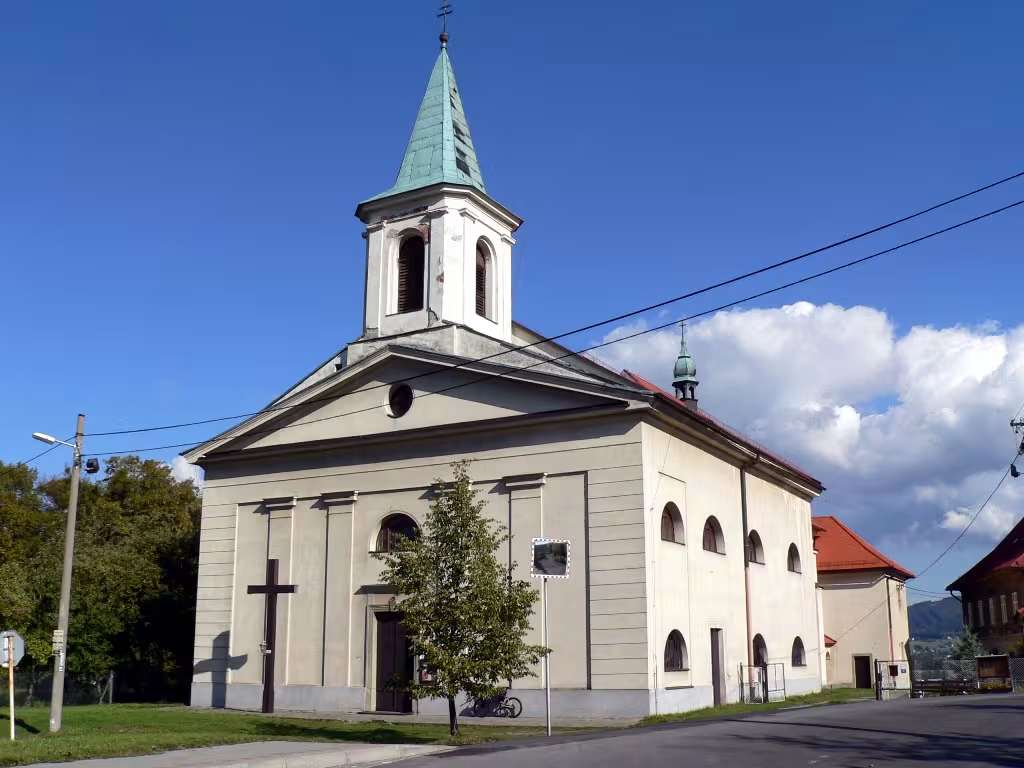

The historical appearance on the left is an AI-generated visualisation and serves as inspiration only.
Historical milestones
- 1617
- Completion of the original Renaissance-style church.
- 1774
- Installation of a bell by the Stank family.
- 1884
- Expansion and modification in Classical-Imperial style.
Architectural development
The Church of Saint Martin began as a Renaissance structure with an oblong nave supported by robust buttresses and a polygonal presbytery. The original chapel's remnants form part of the chancel area. In 1884, it was expanded to include a new front section, side chapels with oratories, and a prominent tower in Classical-Imperial style.
Historical events
1612-1617: Construction of the original Renaissance-style church on the site of an earlier chapel.
1774: Installation of a bell in the sanctus house, crafted by a member of the Stank family, a notable Opava bell-making dynasty.
1884: Expansion and modification of the church in Classical-Imperial style, including the addition of a large tower.
Points of interest
- The Church of Saint Martin was originally built on the site of a forest chapel commissioned by Count Bruntálský of Vrbno, reflecting the religious and architectural shifts in early 17th-century Bohemia under Habsburg rule.
- A notable feature is the sanctus house that houses a bell from 1774, crafted by a member of the renowned Opava bell-making Stank family, highlighting regional craftsmanship and connections to local artisans.
- In 1884, the church underwent significant modifications to include a new front section and side chapels in the Classical-Imperial style, reflecting changing architectural trends and community needs during that period.
- A memorial plaque on the church wall commemorates Father Josef Onderka (1811-1877), a local priest known for his contributions to hymnals and prayer books, adding cultural significance beyond its religious function.
- The Church of Saint Martin's blend of Renaissance, Classical, and Imperial architectural styles makes it a unique example of evolving design preferences over centuries in the Moravskoslezský kraj region.
Guide
This guide is narrated by a synthetic voice generated by artificial intelligence.
Show guide text
This text was created by artificial intelligence and has not been editorially reviewed. It may contain inaccuracies.
The Roman Catholic Church of Saint Martin in Skalice near Frýdek-Místek was built between 1612 and 1617. It was constructed on the site of an original forest chapel, at the initiative of the then owner of the Frýdek estate, Count Bruntál of Vrbna. The church today belongs to the Roman Catholic parish of Skalice.
The original structure is Renaissance in style. It consists of a rectangular nave, which is supported from the outside by massive buttresses and which is closed off by a polygonal chancel. The rear altar section is apparently a remnant of the original chapel. Above the altar rises a sanctus bell tower, a small turret with a bell. This bell was cast in 1774 by one of the members of the widespread Opava bell-founding family of Stanek.
In the nineteenth century, according to most sources in 1884, the church was expanded to its present form. A front section was added, with chapels and oratories on its sides, and above the main entrance a massive tower with a bell. The extension is in a classicist-empire style. The church is thus composed of parts of different ages and styles. The interior space today forms a three-aisled basilica.
Between 2002 and 2004, the church and rectory were structurally secured with steel tie rods.
On the wall of the church is a memorial plaque dedicated to Skalice's parish priest Josef Onderka, who lived from 1811 to 1877. He was the author of a hymnal and a prayer book.
Frequently asked questions
Can the monument be visited?
Religious buildings are usually open mainly during services; at other times a visit is normally arranged with the parish or the operator. We have not verified specific times.
Where is the monument?
Location: Skalice, Moravskoslezský kraj. The map on this page shows the exact spot.
Why is the monument protected?
It is listed in the Central List of Cultural Monuments of the Czech Republic as a cultural monument (register no. 20456/8-705).
Businesses nearby
Do you run a restaurant, accommodation, shop, museum, rental, wellness or other visitor service near this monument? Show yourself directly to the people heading to it — this is how they will see you in the app and on the web:
Accommodation nearby
Themed route
Tematická výletní trať: Kostel svatého Martina (Skalice)
1. Kostel svatého Martina, Skalice
- Typ: Náboženská památka
- Proč stojí za návštěvu: Tento barokní kostel je centrem kulturní a duchovní historie obce Skalice. Jeho architektura, včetně bohatého interiéru s freskami a oltářem, představuje klíčový příklad barokního umění ve střední Evropě.
2. Kaple svaté Anny
- Typ: Místní kaple
- Proč stojí za návštěvu: Kaple svaté Anny, nacházející se v blízkosti kostela svatého Martina, nabízí pokojnou atmosféru pro meditaci a reflexi. Je známá svým historickým významem a prostorovou harmonií, která doplňuje okolní náboženské památky.
3. Nádvoří kostela
- Typ: Historické nádvoří
- Proč stojí za návštěvu: Nádvoří před kostelem svatého Martina je ideálním místem pro odpočinek a užívání si klidného prostředí. Zde lze také pozorovat historické detaily zvenčí, které doplňují vnější vzhled kostela.
Tato trať nabízí pohled na kulturní a duchovní bohatství obce Skalice, zaměřený především na její náboženské památky.
Seasonal recommendations
Spring: Visiting the Church of Saint Martin in Skalice during spring is a delightful experience as nature awakens with vibrant colors and fresh blooms. The soft, diffused light filtering through budding trees creates a serene atmosphere ideal for photography or quiet reflection. Spring showers can add to the picturesque setting but also bring muddy paths, so wearing comfortable walking shoes and carrying an umbrella or raincoat is advisable. As the weather stabilizes, mornings tend to be cooler, making layered clothing practical.
Summer: Summer in Skalice offers long days filled with warm sunshine, perfect for exploring the Church of Saint Martin at a leisurely pace. The lush greenery surrounding the church provides a beautiful backdrop, and the pleasant temperatures make it ideal for outdoor activities before or after your visit. However, this is also peak tourist season, so arriving early in the morning can help avoid larger crowds. Light, breathable clothing is recommended to stay comfortable, along with sunscreen and plenty of water.
Autumn: Autumn transforms Skalice into a tapestry of warm hues as leaves turn golden and red, creating an enchanting atmosphere around the Church of Saint Martin. The cooler temperatures make for pleasant walking conditions, ideal for enjoying the scenic beauty without the summer heat. As the days grow shorter, it's wise to plan your visit earlier in the day to fully appreciate the natural splendor. Wearing layers is advisable as temperatures can fluctuate between warm afternoons and chilly evenings.
Winter: Winter visits to the Church of Saint Martin offer a unique charm with snow-covered landscapes that create a magical setting. The shorter days mean the church may close earlier, so it's best to arrive soon after opening to make the most of your visit. The cold weather necessitates warm clothing, including hats and gloves, and sturdy boots for potentially icy paths. Despite fewer visitors during this season, the serene atmosphere provides an intimate experience with the historical site.
Visualizations and artistic views


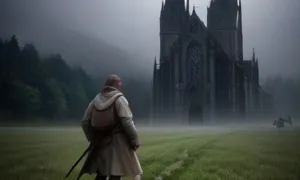
The visualisations are generated by artificial intelligence and serve as inspiration.
Photos from the area
Real photos taken near the monument


Zdroj a licence jsou uvedeny u každého snímku.
Tips from visitors
No tips yet. Be the first!
Log in and add your tip.
Sources and literature
Photos: Czesil (my friend) / CC BY-SA 3.0, rozlišení zvýšeno umělou inteligencí — Wikimedia Commons. The author and licence also appear when you hover over the image.
Faktickým podkladem tohoto textu byl článek na Wikipedii, jehož autory jsou přispěvatelé Wikipedie. Článek je dostupný pod licencí CC BY-SA 4.0.
Location on the map


Příběhy a pověsti
Legendy, pověsti a příběhy spjaté s touto památkou
Fotografie návštěvníků
Zatím žádné fotografie. Buďte první, kdo přidá fotografii z návštěvy!
Log in a přidejte svou fotografii nebo hodnoťte.
Za ověřenou návštěvu v aplikaci získáte víc bodů — poznáme podle GPS, že jste na místě.
Reviews and comments