



Kostel svatého Petra a Pavla Church
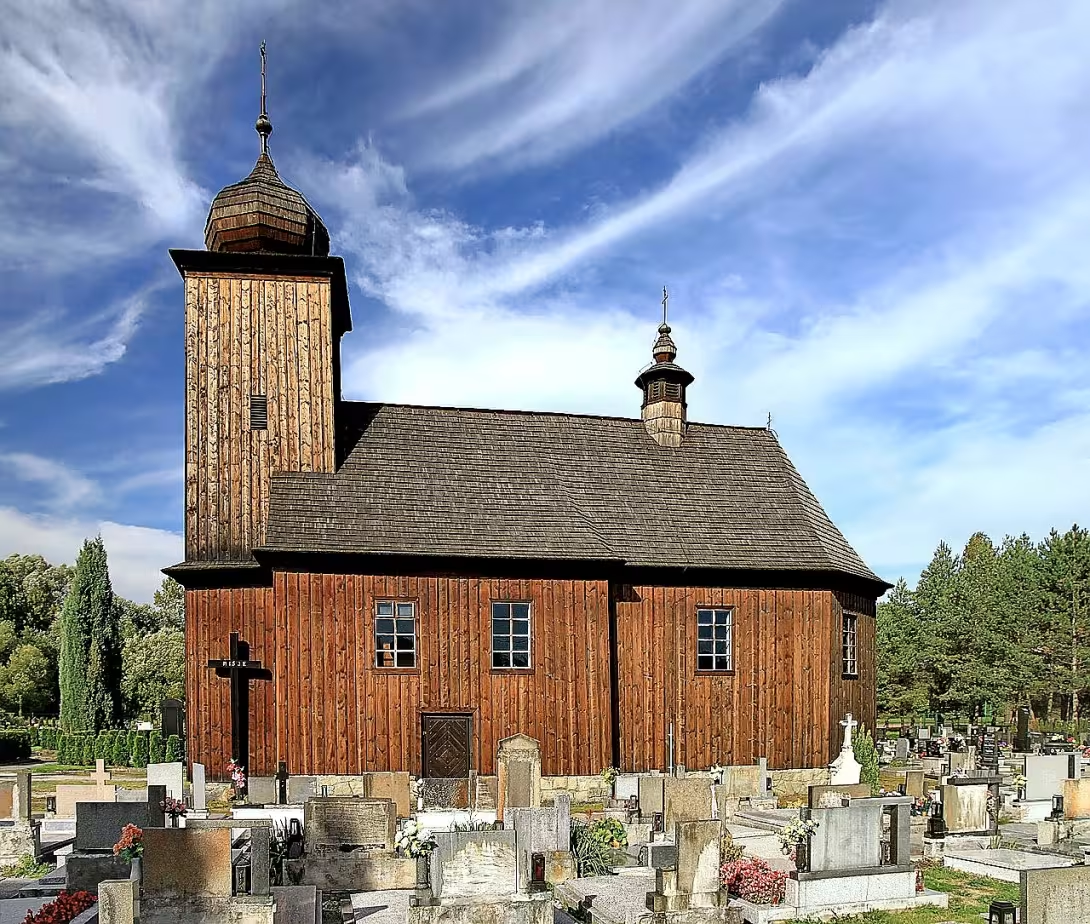
Kostel svatého Petra a Pavla in Albrechtice is a wooden Roman Catholic building with a history dating back to the 18th century. It's protected as a cultural monument. This object replaced an older wooden church with an unknown initiation. Religious services are held here today only exceptionally. Interior equipment has been moved to a new temple of the same initiation.
The first mention of the family church in Albrechtice dates back to 1447. There were few reports from the pre-reform period, but it is known that he was later in the use of Lutherans. They took him away from them in 1654. Visitors assumed the initiation of St. Michael's, because you fed it and lived on Sunday after his holiday. The construction was decrepit at the time and often followed by floods. In 1766, the church had to be torn down for further flooding and rot. In the same year, the carpenter Jan Glombek built a new building, which stands here today.
The architecture of the church is simple and functional. It has a rectangular plan with a three-sided finish. The grafted structure is beaten from the outside with vertical plates, the contact surfaces of which are covered by lazing. The roof is saddle and covered with shingles. A significant element is the grafted tower, which is atypical for traditional stenary structures. The tower ends with an onion roof, originally metal and now covered with shingles.
Repeated floods in the past threatened the construction and led to its demolishment in 1766. Then the carpenter Jan Glombek built a new church. Between 1935 and 1938 a new brick temple was built in the village, thus losing the older object in importance. Because of the theft, his inventory was transferred to a new church.
Kostel svatého Petra a Pavla in Albrechtice is today a protected cultural monument. Although services are rarely held in it, its simple architecture and history make it an interesting destination for visitors. Visiting this monument allows you to appreciate the architecture of past times, even if the construction no longer fully meets its original function.
Then and now
Drag the slider to compare how the landmark may have looked when it was built with the view today.
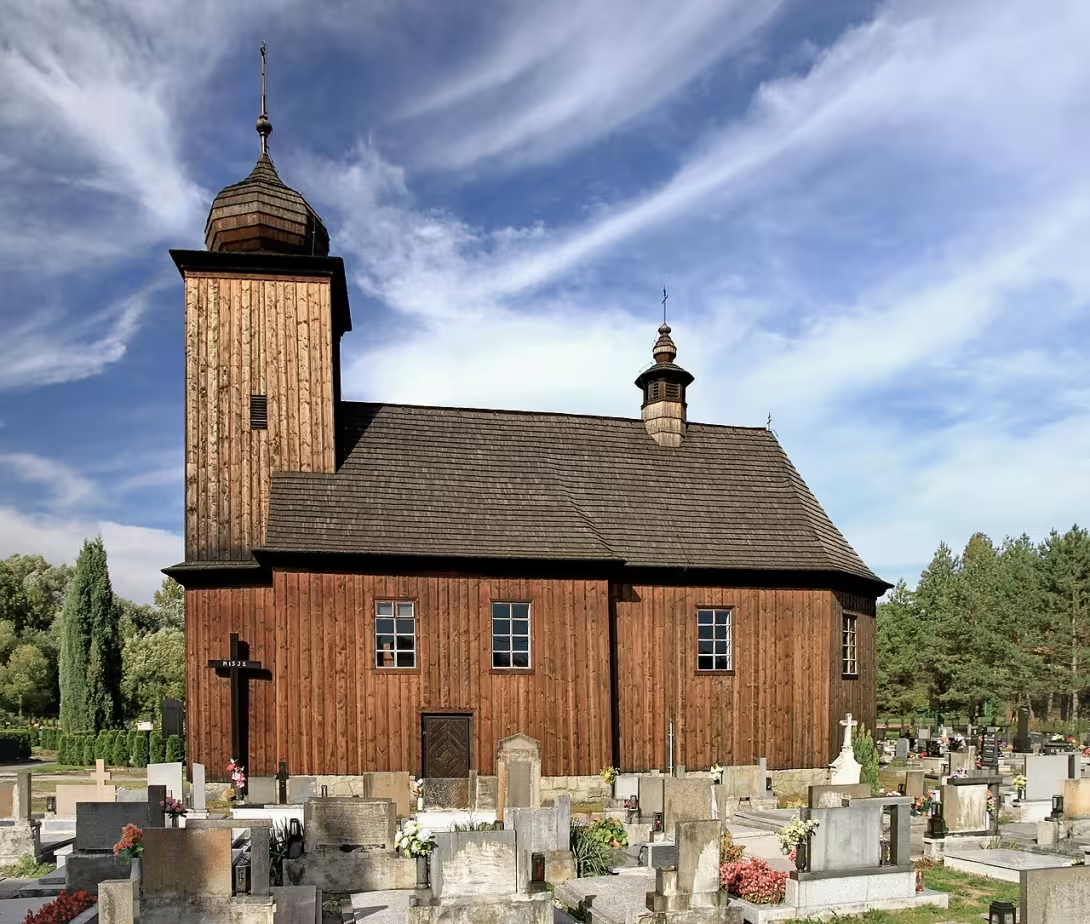

The historical appearance on the left is an AI-generated visualisation and serves as inspiration only.
Historical milestones
- 1447
- First mention of a filial church in Albrechtice.
- 1654
- The church was taken from the Lutherans.
- 1766
- The old church was torn down and exposed by the new carpenter Jan Glambk.
- 1890
- Buying an organ to a church.
- 1910
- Lightning struck the church.
Architectural development
The church has a grafted construction with an outer tile of vertical plates. The roof is saddle and covered with shingles. The grafted structure of the tower ends with an onion shingles.
Historical events
1447: First mention of the Filial Church in the village. 1654: Removal of the church to Lutherans. 1766: The demolishing of an old church and the exposition of a new church. 1910: Lightning strike to church.
Points of interest
- The first mention of the family church in Albrechtice dates back to 1447. In 1766, the church had to be torn down because of floods and rot. - The carpenter Jan Glombek built a new building in 1766, which stands here today. - A significant element is the grafted tower, which is atypical for traditional stenary structures. The church tower ends with an onion roof.
Guide
Show guide text
This text was created by artificial intelligence and has not been editorially reviewed. It may contain inaccuracies.
Welcome to Albrechtice! You are facing a unique historical monument - the wooden Roman Catholic Church of St. Peter and Paul, which is not only a beautiful architectural pearl, but also a living witness to the rich history of this area. Look up at his simple floor plan and grafted construction, which reminds you of the time when wood and traditional craftsmanship were the main material for the buildings. Notice the harmony and simplicity of its shape, which is typical of the churches of this era.
Let's dive into the history of this place. The first mention of the family church in Albrechtice dates back to 1447. In 1654 the church was taken from the Lutherans, which was an important event for the local community. However, the most significant change occurred in 1766. The old church was destroyed by floods and rot, which led to its tearing. In his place carpenter Jan Glombek built a new building, which stands to this day as a testament to his master craft and ability to adapt to the challenges of the times.
Now pay attention to the architecture of this church. Jan Glombek, which was behind his design, used traditional stenary structures, but also added a distinctive grafted tower. This element is atypical for such buildings and gives the church uniqueness. The interior with its space and atmosphere will impress you with its calm and quiet, which is the ideal place to disconnect and reflect.
The key element of the history of this church is, of course, the people associated with its creation. Jan Glombek, architect and carpenter, who not only built a new building here, but also preserved the spirit of the previous church for future generations. His work proves how one person could have influenced the appearance and heritage of the entire community.
The interesting thing that captures every visitor is the fact that lightning struck the church in 1910. This incident reminds us of how much nature can influence even the strongest buildings and how important it is to respect their power.
I'll invite you to explore the Albrechtic area. Kostel svatého Petra a Pavla is just the beginning of what this area has to offer. Whether you are interested in history, architecture or simply looking for a place to unplug - Albrechtice will not leave you without feeling. Parting with this monument is just a prelude to other discoveries that this beautiful part of the Czech Republic hides. Thank you for your interest and we hope that you will be pleased with us in other places of our history.
Tips for visitors
For the best visual experience we recommend a visit during bright days. The sunlight will highlight the texture of the wooden architecture of the church, which is crucial for this historic building.
You can reach the monument by car and public transport.
We recommend taking drinking water with us and possibly small money for any contributions. Due to the rural location, it is advisable to carry suitable clothes in case of weather change.
For photography we recommend using the morning or late afternoon light, which will better underline the details of the wooden work. The best angles for images can be found from surrounding free areas.
Families with children can enjoy quiet walks around. If you are interested in the work of carpenter Jan Glambek, you can visit the nearby village of Stonava where he built another church.
Frequently asked questions
Can the monument be visited?
Religious buildings are usually open mainly during services; at other times a visit is normally arranged with the parish or the operator. We have not verified specific times.
Where is the monument?
Location: Albrechtice, Moravskoslezský kraj. The map on this page shows the exact spot.
Why is the monument protected?
It is listed in the Central List of Cultural Monuments of the Czech Republic as a cultural monument (register no. 1000124249).
Businesses nearby
Do you run a restaurant, accommodation, shop, museum, rental, wellness or other visitor service near this monument? Show yourself directly to the people heading to it — this is how they will see you in the app and on the web:
Nearby
The nearby village of Stonava, where carpenter Jan Glombek built another church.
Accommodation nearby
Themed route
Thematic cruise route from Albrechtic
1.Kostel svatého Petra a Pavla (Albrechtice) * Type: * Church This Baroque church is one of the most important sacral monuments in the village Albrechtice. Its rich interiors and historical architecture make the visit very interesting for lovers of history and art.
2. St. Wenceslas Church (Stonava) * Type: * Church There is a church in Stonava about 5 km from Albrechtic, which was built by carpenter Jan Glambek. Its unique architecture and historical background offer an interesting view of the local construction tradition.
3. Church of St. Gilji (Stonava) * Type: * Church In the vicinity of St. Wenceslas Church, St. Jilji Church is also located, which is another important cultural and historical place in Stonava. Its interior and history contribute to understanding local religious life.
4. Town Square (Stonava) * Type: * Square The centre of the village of Stonava is its town square, where it is possible to explore the historical character and atmosphere of a small town. While walking enjoy the quiet surroundings and the possibility of stopping in one of the local cafes.
5. St. Anne's Church (Stonava) * Type: * Church This church is another important cultural and historical point in Stonava. Its architecture and location brings a view of the rich building tradition of the village.
This route offers travelers the opportunity to explore the spiritual and cultural wealth of the region around Albrechtic, with an emphasis on historical churches in the surrounding municipalities.
Seasonal recommendations
In spring, the church surrounds the awakening nature and lush green, which creates a pleasant contrast with the stone surface of the building. Soft spring light is ideal for capturing facade details. We recommend wearing layered clothes because morning cold can still be felt. The best place to visit is in the morning when the air is the cleanest.
The summer season brings radiant sun and dense shade of surrounding trees, which gives the monument a bright and hot character. Expect more visitors in the main summer season, so it is advisable to come first thing in the morning to avoid the biggest crowds. Don't forget light, breathable clothes and plenty of fluids.
Autumn colours of leaves around the church create a nostalgic and calm atmosphere, complemented by frequent morning fog. The lighting is golden and finer in this period. The practical recommendation is to wear moisture resistant shoes and a warm sweater. The ideal time to visit is late afternoon when the low sun hits the temple walls.
In winter, the monument is very sharp and quiet, especially if the landscape is covered with snow, which highlights the purity of architectural lines. The atmosphere is particularly peaceful in advent time. It is necessary to choose really warm clothes and solid shoes.
Visualizations and artistic views


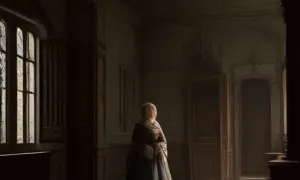
The visualisations are generated by artificial intelligence and serve as inspiration.
Photos from the area
Real photos taken near the monument


Zdroj a licence jsou uvedeny u každého snímku.
Tips from visitors
No tips yet. Be the first!
Log in and add your tip.
Sources and literature
Photos: Marcin Konsek / CC BY-SA 4.0 — Wikimedia Commons. The author and licence also appear when you hover over the image.
Faktickým podkladem tohoto textu byl článek na Wikipedii, jehož autory jsou přispěvatelé Wikipedie. Článek je dostupný pod licencí CC BY-SA 4.0.
Location on the map
Příběhy a pověsti
Legendy, pověsti a příběhy spjaté s touto památkou
Fotografie návštěvníků
Zatím žádné fotografie. Buďte první, kdo přidá fotografii z návštěvy!
Log in a přidejte svou fotografii nebo hodnoťte.
Za ověřenou návštěvu v aplikaci získáte víc bodů — poznáme podle GPS, že jste na místě.
Reviews and comments