






Kostel svatého Prokopa (Dlouhá Třebová) Church
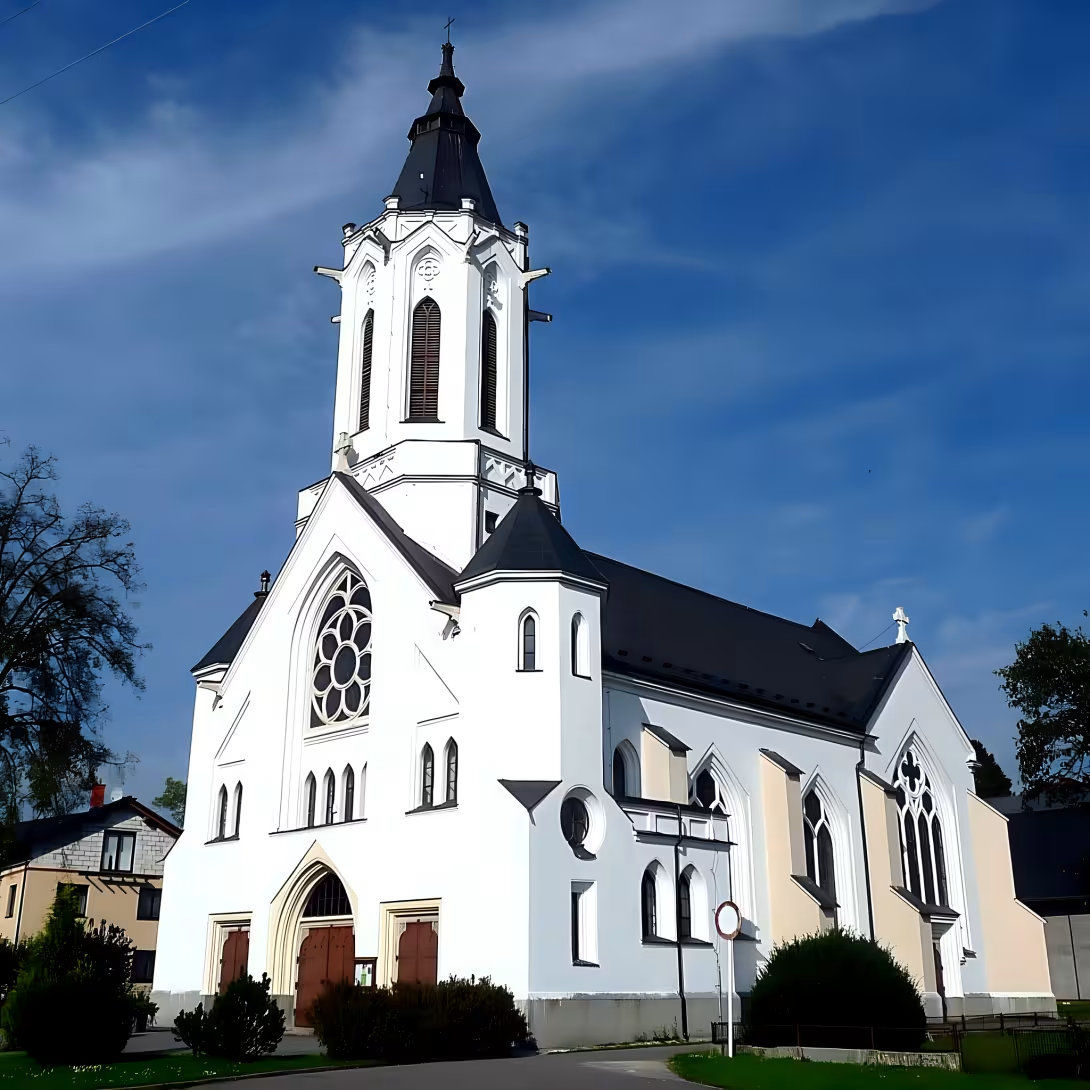
The Church of Saint Procopius in Dlouhá Třebová is a Roman Catholic church built in the pseudogothic style, also known as neo-Gothic. Situated in Pardubický kraj, this significant landmark was consecrated on December 8, 1906. Its construction marks the culmination of efforts spanning several generations to establish a place of worship for the community. The church is not only an architectural highlight but also one of the most important buildings in Dlouhá Třebová.
The idea to build a local church began in the early 19th century, reflecting a longstanding desire within the community for their own place of worship. Despite initial enthusiasm and efforts, financial challenges hindered progress. The foundation stone was laid in 1868 but remained unfinished due to insufficient funds. For decades, locals humorously referred to the exposed foundations as "built with its feet up." It wasn't until the turn of the century that renewed fundraising efforts allowed construction to resume.
In 1901, plans were commissioned from architect František Brázdovský, leading to construction starting in 1905. The church's design is a testament to the pseudogothic style prevalent during this period, characterized by its single-nave structure and orientation with an octagonal tower above the entrance. The main façade features three oak doors reminiscent of a basilica, topped with a lantern over the principal door and eight Gothic windows on the first floor. This architectural choice reflects broader trends in ecclesiastical architecture during the late 19th and early 20th centuries within the Austro-Hungarian Empire.
Significant financial contributions came from local benefactors and community fundraising efforts, which were crucial to the church's completion. Antonín Kaplan was among the first major donors, contributing 30 gold coins in 1855, inspiring others to support the cause. The Spolek pro vystavění kostela (Society for Building the Church) played a pivotal role in managing funds and overseeing construction from 1880 onwards, with František Velínský as its first president.
The church was officially consecrated on December 8, 1906, by P. František Michalitschke, marking the successful culmination of many years of effort. The following year, an official inspection ensured that all necessary elements for worship were in place, with a comprehensive review completed in 1910.
Today, the Church of Saint Procopius remains a prominent feature of Dlouhá Třebová's landscape. Its historical and architectural significance makes it a worthwhile visit for those interested in ecclesiastical history and neo-Gothic architecture. The church continues to serve as a spiritual center for the community, inviting visitors to explore its rich heritage and appreciate its enduring legacy.
Then and now
Drag the slider to compare how the landmark may have looked when it was built with the view today.
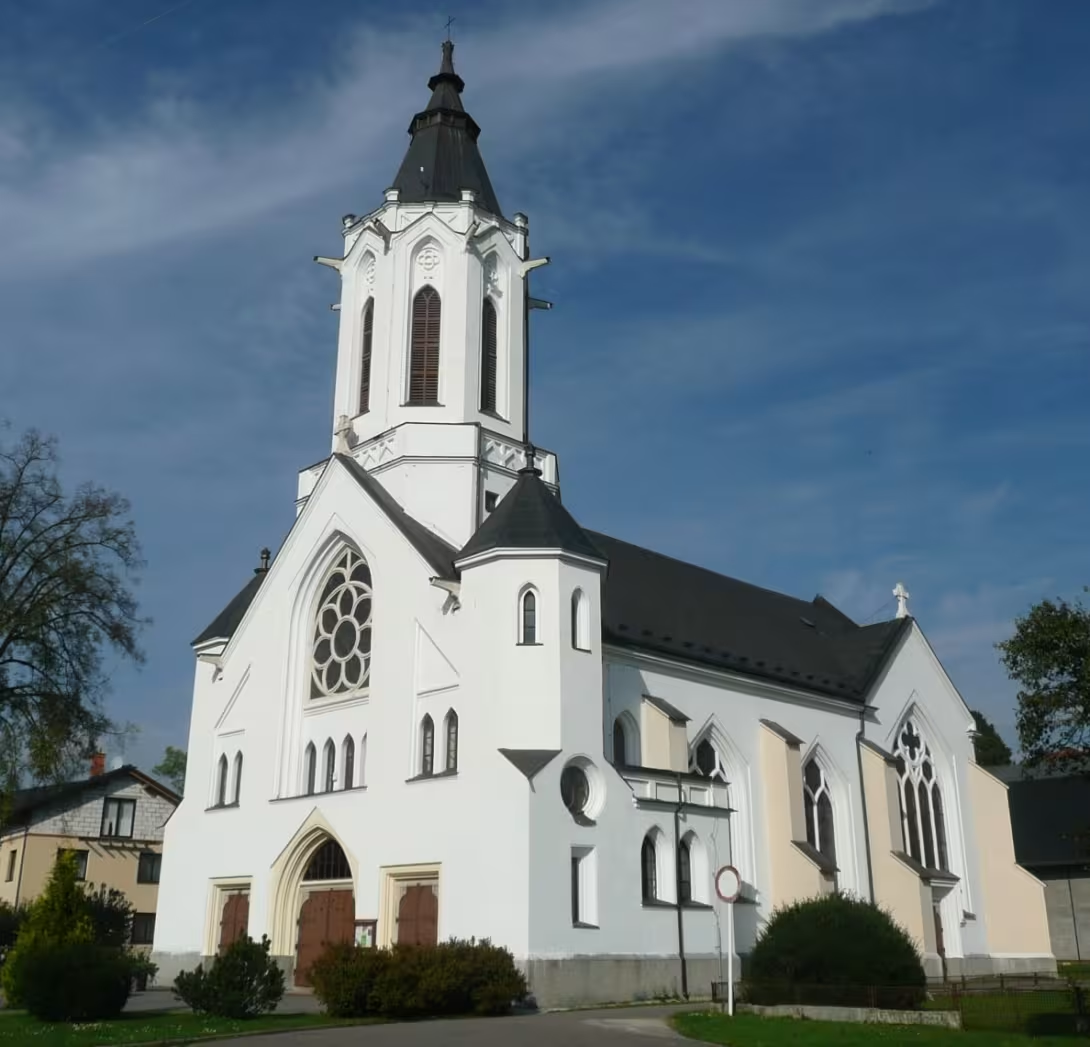

The historical appearance on the left is an AI-generated visualisation and serves as inspiration only.
Historical milestones
- 1868
- The foundation stone of the church was laid.
- 1905
- Construction of the church began.
- 1906
- The church was consecrated on December 8, 1906.
Architectural development
The church's foundation stones were laid in 1868 but remained unfinished for decades due to financial constraints. Construction resumed at the turn of the century with funds raised by a dedicated society, and the building was completed structurally by 1906.
Historical events
The idea to build a local church began in the early 19th century but faced financial challenges and was not realized until much later.
In 1901, plans were commissioned from architect František Brázdovský, leading to construction starting in 1905.
Points of interest
- The foundation stone of the Church of Saint Procopius was laid in 1868 but remained unfinished for decades due to financial constraints, leading locals to humorously refer to it as "built with its feet up."
- Antonín Kaplan's donation of 30 gold coins in 1855 stands out as one of the earliest significant contributions to the church’s construction, inspiring further community support and fundraising efforts.
- The Spolek pro vystavění kostela (Society for Building the Church), led initially by František Velínský, played a crucial role in managing funds and overseeing the church's construction from 1880 onwards, demonstrating effective community organization and persistence.
- Architect František Brázdovský was commissioned to design the church in 1901, resulting in its distinctive pseudogothic style with features such as an octagonal tower and Gothic windows that reflect broader architectural trends of the time within the Austro-Hungarian Empire.
- After its consecration on December 8, 1906, by P. František Michalitschke, the church underwent an official inspection in 1907 to ensure all necessary elements for worship were present, with a comprehensive review completed in 1910, highlighting the meticulous attention to detail and care taken during its completion.
Guide
This guide is narrated by a synthetic voice generated by artificial intelligence.
Show guide text
This text was created by artificial intelligence and has not been editorially reviewed. It may contain inaccuracies.
The Church of Saint Prokop in Dlouhá Třebová is a Roman Catholic church in the Neo-Gothic style. It is dedicated to the patron saint of the village and was built between 1905 and 1906. Although it is only a subsidiary church, it is a striking landmark of the village and ranks among its most important structures. However, the path to its construction took an entire century.
The idea of having its own church in Dlouhá Třebová emerged already at the beginning of the nineteenth century. Enthusiasts at that time began quarrying stone for the foundations and transporting it to the old bell tower, which had stood in the village since 1753. But money was lacking and the stone was used for something else. A second attempt at quarrying opal stone in 1830 did not help either. The stone hauled down to the valley to the school, where the church now stands, ultimately served to build a school fence.
A turning point came in 1855. Local native Antonín Kaplan donated thirty gold coins from his father's inheritance toward the construction and his gift prompted the establishment of a fund. Money accumulated from collections, donations, proceeds from theatres and balls, from fines and from legacies. The parish chronicle recorded that Emperor Ferdinand the Benevolent donated five hundred gold coins. The money that was saved was lent to people for building homesteads and deposited in savings banks.
After the Austro-Prussian War, the fund had over three thousand gold coins, so in 1868 construction began and the cornerstone was laid. However, the money was not enough, even though much work was done free of charge. By 1870, only the foundations had been built and they then protruded from the ground until 1905. The residents thus heard ridicule for thirty-five years, that they had a church built upside down, with the basement on top.
In 1880, the newly established Society for the Construction of the Church in Dlouhá Třebová took over responsibility for the project. Its first chairman was teacher František Velínský. A major donor was also native Josef Kaplan, who had moved to the United States. In 1901 the society selected the plans of architect František Brázda from Zábřeh in Moravia in a competition, partly because he prepared them free of charge. In 1903 the society had sixty-three thousand crowns and sixty thousand of them went toward construction. In the spring of 1905, construction began, the rough structure was complete that same year, and a year later the building was finished.
The church was consecrated on December eighth, 1906 by Lanškroun dean František Michalitschek. The final inspection took place in 1907 and complete acceptance after purchasing the furnishings in 1910.
The church is single-naved and oriented with an octagonal tower above the entrance. The church is entered through three oak doors, similar to those of a basilica. Above the main entrance is a skylight, on the first floor eight Gothic windows and the main front window has coloured glass panels.
Tips for visitors
The best time to visit the Church of Saint Procopius in Dlouhá Třebová is during late spring or early autumn when the weather is pleasant, and the surrounding landscape is lush with greenery. These seasons offer a comfortable climate for exploring the church's architectural details without the summer crowds. Additionally, visiting on weekdays can provide a more serene experience as weekends tend to attract more visitors.
It’s recommended to verify current routes and schedules through a reliable transport app or website.
When visiting the church, it's wise to bring comfortable walking shoes as you may want to explore the surrounding area. A camera is also suggested for capturing the intricate details of the neo-Gothic architecture, especially during golden hour when the light enhances the building’s features. Don’t forget a hat and sunscreen if visiting in warmer months.
For photography enthusiasts, the best spots are typically at the front entrance or from the side where natural lighting accentuates the church's facade. Early morning or late afternoon provides optimal lighting conditions for capturing stunning images of the structure. Inside, the main altar area offers a dramatic backdrop for photographs.
Nearby attractions within 30 minutes include other historical sites and scenic spots in Pardubický kraj. Exploring these can provide additional context to the region's rich history and culture. For families with children, consider planning visits to local parks or museums that offer interactive exhibits suitable for young visitors.
Frequently asked questions
Can the monument be visited?
Religious buildings are usually open mainly during services; at other times a visit is normally arranged with the parish or the operator. We have not verified specific times.
Where is the monument?
Location: Dlouhá Třebová, Pardubický kraj. The map on this page shows the exact spot.
Businesses nearby
Do you run a restaurant, accommodation, shop, museum, rental, wellness or other visitor service near this monument? Show yourself directly to the people heading to it — this is how they will see you in the app and on the web:
Events nearby
Zdroj akcí: otevřená data měst a obcí ČR (Národní katalog otevřených dat) a kalendář akcí Národního památkového ústavu.
Accommodation nearby
Themed route
Tematická výletní trasa: Kostel svatého Prokopa (Dlouhá Třebová)
1. Kostel svatého Prokopa
Typ: Religiozní památka
Proč stojí za návštěvu: Kostel svatého Prokopa je významnou barokní stavbou, která přitahuje díky své historii a architektuře. Je známý jako "poutní místo pro kůň" kvůli legendě o svatém Prokopovi, který zázračně uzdravil nemocného koně.
2. Nádvoří kostela
Typ: Historické nádvoří
Proč stojí za návštěvu: Nádvoří před kostelem nabízí klidnou atmosféru pro odpočinek a reflexi. Je to ideální místo, kde si můžete užít pohledu na kostel z jiného úhlu a cítit se součástí historického prostředí.
3. Věž kostela
Typ: Historická věž
Proč stojí za návštěvu: Výstup na věž nabízí jedinečnou perspektivu na Dlouhou Třebovou a okolní krajinu. Je to nejen krásné místo pro fotky, ale také vhodné pro ty, kteří mají rádi historické stavby a jejich techniky.
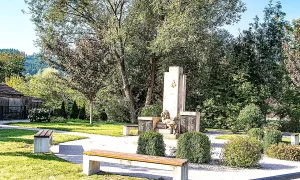
4. Památník na nádvoří
Typ: Historický památník
Proč stojí za návštěvu: Památník je věnován místním osobnostem a událostem, které formovaly historii obce. Je to připomínka důležitých momentů minulosti a nabízí vhled do kulturního dědictví Dlouhé Třebovy.
5. Park u kostela
Typ: Místní park
Proč stojí za návštěvu: Park je ideálním místem pro relaxaci a procházku po návštěvě kostela. Jeho klidné prostředí vám umožňuje uvolnit se a ocenit přírodní krásu okolí.
Tato trasa nabízí komplexní pohled na historii a kulturu Dlouhé Třebovy, zaměřující se na hlavní památku a její bezprostřední okolí.
Seasonal recommendations
Spring: Visiting the Church of Saint Procopius in Dlouhá Třebová during spring offers a rejuvenating experience as nature awakens with vibrant colors and fresh blooms. The soft, natural light enhances the intricate details of the church's architecture, casting gentle shadows that highlight its historical beauty. This season is ideal for those who appreciate the serene atmosphere created by blooming flowers and budding trees surrounding the site. Visitors should consider wearing comfortable layers to accommodate fluctuating temperatures and arrive early in the morning to avoid larger crowds as the day warms up.
Summer: Summer at the Church of Saint Procopius brings long, sunlit days that illuminate its historic facade, making it perfect for photography enthusiasts. The lush greenery surrounding the church creates a picturesque backdrop, while the warm weather invites visitors to explore both indoors and outdoors. This is the peak tourist season, so expect larger crowds; arriving early in the morning can help avoid congestion. Comfortable walking shoes and light clothing are recommended, along with carrying water to stay hydrated during your visit.
Autumn: Autumn transforms the Church of Saint Procopius into a stunning canvas of warm hues, as leaves change color around the historic site. The softer autumn sunlight provides a cozy atmosphere perfect for leisurely exploration, while the cooler temperatures make it comfortable to wander and appreciate the surroundings without the summer heat. This is an ideal time to visit if you prefer fewer crowds, though some visitors might come to enjoy the seasonal beauty. Dressing in layers will help accommodate the chillier afternoons, and a hat or umbrella may be useful for unpredictable weather.
Winter: The Church of Saint Procopius takes on a magical quality during winter when snow covers its surroundings, creating a serene and almost ethereal landscape. The crisp air and shorter daylight hours offer a peaceful setting to appreciate the church's architectural details without the usual hustle and bustle. However, visitors should be prepared for colder temperatures by dressing warmly in layers and wearing sturdy boots with good traction. It’s advisable to check opening times as they may vary during this season due to weather conditions.
Visualizations and artistic views


The visualisations are generated by artificial intelligence and serve as inspiration.
Photos from the area
Real photos taken near the monument


Zdroj a licence jsou uvedeny u každého snímku.
Tips from visitors
No tips yet. Be the first!
Log in and add your tip.
Sources and literature
Photos: Martin Hordějčuk / CC BY-SA 3.0, rozlišení zvýšeno umělou inteligencí — Wikimedia Commons. The author and licence also appear when you hover over the image.
Faktickým podkladem tohoto textu byl článek na Wikipedii, jehož autory jsou přispěvatelé Wikipedie. Článek je dostupný pod licencí CC BY-SA 4.0.
Location on the map
Příběhy a pověsti
Legendy, pověsti a příběhy spjaté s touto památkou
Fotografie návštěvníků
Zatím žádné fotografie. Buďte první, kdo přidá fotografii z návštěvy!
Log in a přidejte svou fotografii nebo hodnoťte.
Za ověřenou návštěvu v aplikaci získáte víc bodů — poznáme podle GPS, že jste na místě.
Reviews and comments