






Kostel svatého Václava v Chebu Church
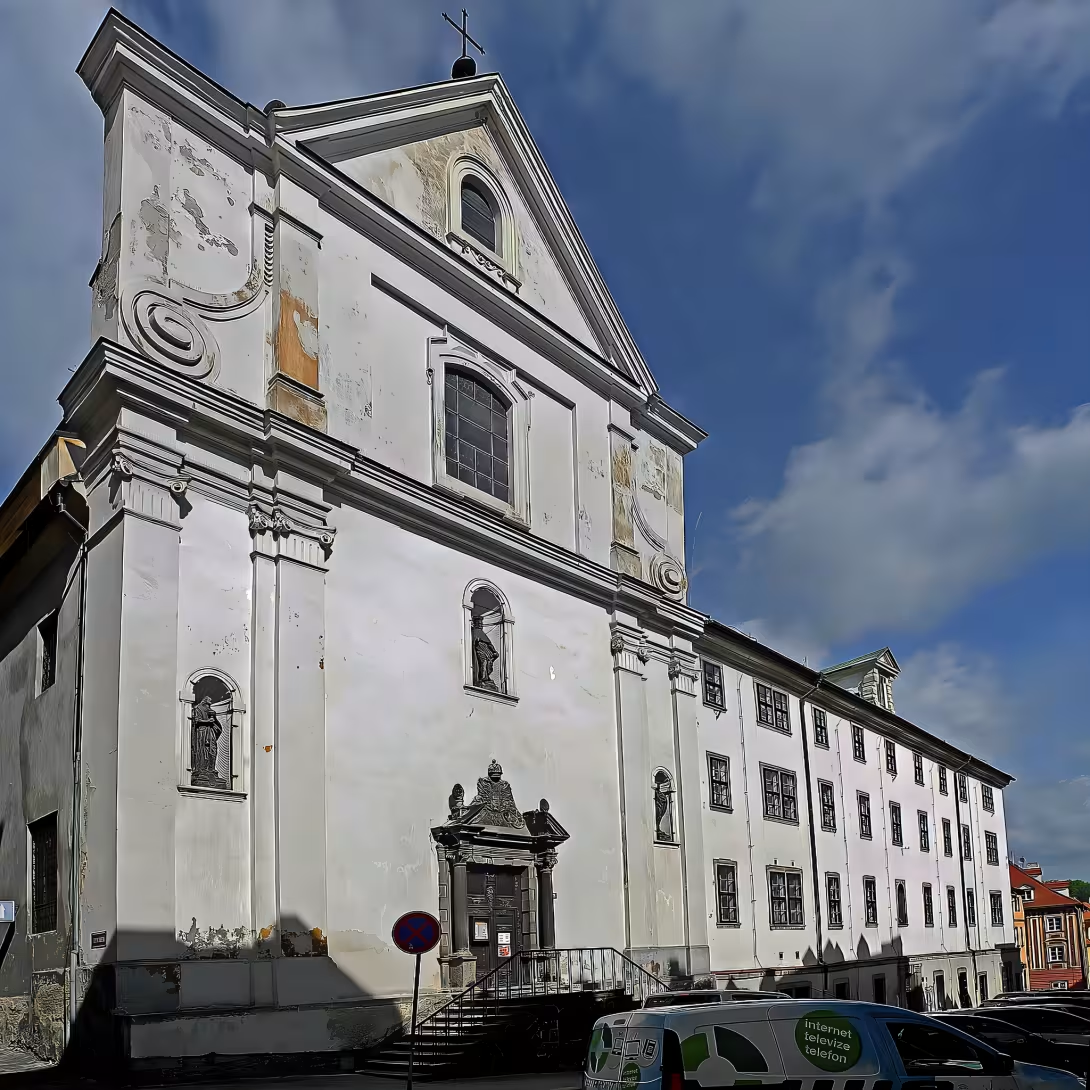
The Church of Saint Wenceslas in Cheb is a baroque monument reflecting the region's rich history. Situated in Cheb within Karlovarský kraj, it originally formed part of a Dominican monastery. Its importance stems from both its architectural evolution and its role during key historical events. Today, it serves as a Greek Catholic parish church, offering regular liturgical services.
The origins date back to the late 13th century when King Václav II permitted the construction of a Dominican monastery in Cheb around 1294. This era marked political consolidation under his reign within the Holy Roman Empire, with Bohemia emerging as significant. The initial structure was an early Gothic church built between 1294 and 1296, mirroring architectural trends and religious fervor.
The Thirty Years' War in the early 17th century devastated Cheb, causing substantial damage to both the monastery and the church by 1642. This conflict, part of broader European religious upheavals, necessitated significant reconstruction. The transformation into its current baroque form began thereafter, culminating in completion in 1689. During this period, architectural style and layout changed, with the facade now facing Kamenná Street.
Architecturally, the Church of Saint Wenceslas showcases baroque style from its post-1642 reconstruction. Original early Gothic elements were replaced or modified to align with baroque aesthetics, characterized by grandeur and dramatic space use. Although much original furnishings were lost, some baroque features like side altars in chapels and a pulpit remain. A notable addition is the main altar from 1880, reflecting neorenaissance influences.
Throughout its history, the church has experienced various ownerships and administrative changes. The monastery was dissolved in 1936, ending its monastic functions. Despite these shifts, it remained a focal point of religious activity.
The site holds historical significance beyond architectural transformations. During the Hussite Wars, a tavern named 'U markraběte' existed on the premises where crucial agreements known as 'Soudce smluvený v Chebu' were negotiated between the Hussites and representatives of the Council of Basel. This highlights the church's role in both religious and socio-political contexts.
Today, the Church of Saint Wenceslas is a vibrant worship center for the Greek Catholic community, hosting liturgical services every Sunday at 8:00 AM. The preservation of certain baroque elements and historical narratives makes it intriguing for visitors interested in religious history and architectural evolution.
The Church of Saint Wenceslas is more than just a monument; it is a living piece of Cheb's cultural heritage. Its journey from a medieval Gothic structure to a baroque masterpiece encapsulates centuries of history, resilience, and transformation. Visitors are invited to explore this remarkable site, where past events blend with contemporary worship practices, offering a unique glimpse into the enduring legacy of Cheb's spiritual landscape.
Then and now
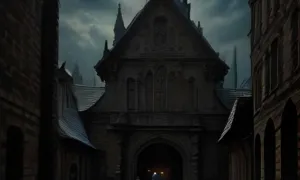
Drag the slider to compare how the landmark may have looked when it was built with the view today.
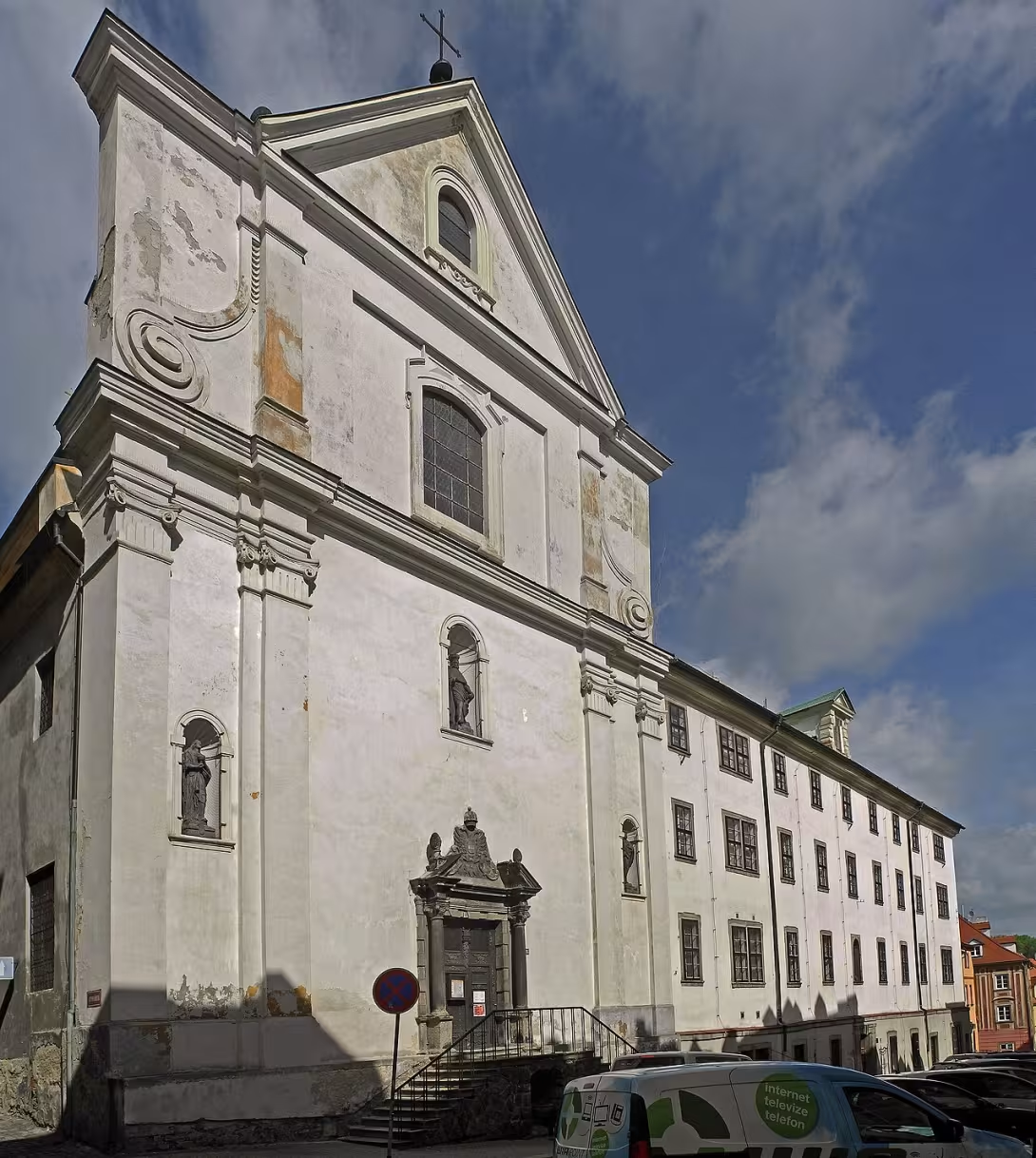

The historical appearance on the left is an AI-generated visualisation and serves as inspiration only.
Historical milestones
- 1294
- King Václav II granted permission for the construction of the Dominican monastery.
- 1642
- Parts of the monastery and church were destroyed during the Thirty Years' War.
- 1689
- The Baroque church was consecrated after reconstruction.
Architectural development
Initially built as an early Gothic structure, the Church of Saint Wenceslas underwent significant changes during its history. The Thirty Years' War caused substantial damage, leading to a transformation into a Baroque style building completed in 1689. This reconstruction altered both the layout and orientation of the church.
Historical events
- 1284
- Construction of the original early Gothic church and monastery began.
- 1294
- King Václav II granted permission to build a Dominican monastery in Cheb.
- 1642
- Parts of the monastery and church were destroyed during the Thirty Years' War.
- 1689
- The Baroque church was consecrated after reconstruction.
Points of interest
- The Church of Saint Wenceslas was originally part of a Dominican monastery established by King Václav II in 1294, reflecting the political consolidation and religious expansion during his reign within the Holy Roman Empire.
- During the Hussite Wars, a tavern named 'U markraběte' on the church premises hosted negotiations for the 'Soudce smluvený v Chebu,' crucial agreements between the Hussites and representatives of the Council of Basel, highlighting its socio-political significance beyond religious functions.
- Despite being devastated during the Thirty Years' War in 1642, the church underwent significant reconstruction to adopt a baroque style, completed by 1689, showcasing resilience through architectural transformation while retaining some Gothic elements until they were replaced or modified.
- After the dissolution of the monastery in 1936, the site transitioned from monastic functions to becoming a focal point for the Greek Catholic community, maintaining its role as an active religious center with regular liturgical services.
- A notable feature added much later is the main altar from 1880, which reflects neorenaissance influences, demonstrating how the church has incorporated diverse architectural styles over centuries.
Guide
This guide is narrated by a synthetic voice generated by artificial intelligence.
Show guide text
This text was created by artificial intelligence and has not been editorially reviewed. It may contain inaccuracies.
The Church of Saint Václav in Cheb is a monastery church that belongs to the Dominican monastery. Today it serves the Greek Catholic parish of Karlovy Vary.
The origins of the church date back to the late thirteenth century. A early Gothic church was built on this site together with the Dominican monastery. According to some records, it was built in 1284, according to others between 1294 and 1296. Permission to build a monastery in Cheb was granted to the Dominicans in 1294 by King Václav the Second.
An interesting chapter is connected to the period of Hussite unrest. At that time, there stood an inn called U markraběte at the site of the monastery. It was precisely in this inn that the conditions known as the Judge's agreement in Cheb were negotiated. These were rules for the dealings of the Hussites with representatives of the Council of Basel.
The Thirty Years' War brought great damage. In 1642, part of the monastery and church collapsed. A contemporary Baroque church then grew on their site, completed in 1684. The builders changed its floor plan and original orientation. They turned the façade toward today's Kamenná street. The finished church was consecrated in 1689.
From the Baroque furnishings of that time, side altars in the chapels and the pulpit have been preserved to this day. The main altar is younger, dating from 1880, and is in the Neo-Renaissance style.
The monastery, which adjoins the church from the north side, was not completed until 1720. It was dissolved in 1936.
Tips for visitors
The best time to visit the Church of Saint Wenceslas in Cheb is during late spring or early autumn when the weather is pleasant, allowing for comfortable exploration both inside and outside the church. These seasons also offer vibrant natural surroundings that enhance the experience. Additionally, visiting on weekdays can help avoid larger crowds typically seen on weekends.
Public transport options are also convenient, with buses and trams serving the area.
When visiting the church, consider bringing comfortable walking shoes, especially if you plan to explore other nearby attractions. A camera is recommended for capturing the intricate baroque architecture of the church. Additionally, carrying a light jacket can be useful as temperatures may vary throughout the day.
Photography enthusiasts will find several spots around the Church of Saint Wenceslas ideal for capturing its architectural beauty. The best natural lighting conditions are typically during early morning or late afternoon when the sunlight softly illuminates the façade and interior details. Inside, look for angles that highlight the church's baroque elements.
For those interested in exploring nearby attractions within a 30-minute drive from Cheb, consider visiting the historic town of Karlovy Vary, known for its spa culture and picturesque architecture. Another option is to explore the scenic landscapes around the Ore Mountains (Krušné hory), offering hiking trails and breathtaking views.
Frequently asked questions
Can the monument be visited?
Religious buildings are usually open mainly during services; at other times a visit is normally arranged with the parish or the operator. We have not verified specific times.
Where is the monument?
Location: Cheb, Karlovarský kraj. The map on this page shows the exact spot.
Why is the monument protected?
It is listed in the Central List of Cultural Monuments of the Czech Republic as a cultural monument. It is protected as part of a larger listed ensemble.
Businesses nearby
Do you run a restaurant, accommodation, shop, museum, rental, wellness or other visitor service near this monument? Show yourself directly to the people heading to it — this is how they will see you in the app and on the web:
Accommodation nearby
Themed route
Thematic Walking Tour: Cheb and the Surroundings of St. Wenceslas Church
1. St. Wenceslas Church (Kostel svatého Václava) - Type: Historical Landmark, Religious Site - Why Visit: This stunning Baroque church is a centerpiece in Cheb's Old Town Square and offers breathtaking views from its tower over the town and surrounding landscapes. Its rich history and architectural beauty make it an essential starting point for exploring Cheb.
2. Cheb City Hall (Radnice) - Type: Historical Building, Administrative Center - Why Visit: Located just a short walk from St. Wenceslas Church in the Old Town Square, the City Hall is renowned for its impressive Renaissance architecture and historical significance. Its ornate façade and interior details provide insight into Cheb's rich cultural heritage.
3. Cheb Synagogue (Židovský kostel) - Type: Religious Site, Historical Landmark - Why Visit: A short walk from the Old Town Square, this synagogue is one of the oldest in Germany and offers a poignant glimpse into Cheb's Jewish history. Its unique architecture and historical exhibitions make it an important cultural site to explore.
4. Cheb Castle (Zámek v Chebu) - Type: Historical Landmark - Why Visit: Situated on a hill overlooking the town, this castle offers panoramic views of Cheb and its surroundings. Its history as a strategic fortification and residence adds depth to your understanding of the region's past.
This tour provides a comprehensive exploration of Cheb’s historical and cultural landmarks, offering insights into both its architectural beauty and rich heritage.
Seasonal recommendations
Spring: Visiting the Church of St. Wenceslas in Cheb during spring offers a unique experience as nature awakens around this historic site. The surrounding landscape is vibrant with blooming flowers and lush greenery, providing a picturesque backdrop that enhances the church's architectural beauty. This season often sees mild weather, making it ideal for exploring both the interior of the church and its exterior surroundings. However, spring can bring occasional rain showers, so visitors are advised to carry an umbrella or wear waterproof clothing. While the crowds are generally moderate during this time, arriving early in the day can ensure a quieter visit before more tourists arrive.
Summer: Summer is the peak season for visiting the Church of St. Wenceslas due to its pleasant weather and extended daylight hours, which allow visitors to fully appreciate both the church's interior and the surrounding gardens. The warm atmosphere encourages longer stays, offering opportunities to explore nearby attractions in Cheb as well. However, this popularity can lead to larger crowds, particularly on weekends and holidays, so it is advisable to visit early in the morning or later in the afternoon to avoid peak times. Comfortable walking shoes and light clothing are recommended for a more enjoyable experience.
Autumn: Autumn brings a stunning transformation to the Church of St. Wenceslas with its vibrant fall foliage creating a breathtaking setting that contrasts beautifully against the church's historic architecture. The cooler temperatures make it an ideal time for leisurely exploration without the summer heat, and visitor numbers tend to be lower as families settle into the school year. However, days are shorter, so planning your visit earlier in the day is wise to maximize daylight. Layered clothing is recommended to accommodate the changing temperatures throughout the day.
Winter: Winter offers a serene and magical atmosphere for visiting the Church of St. Wenceslas, with snow often blanketing Cheb and creating a picturesque winter wonderland around the church. The shorter days mean that visits should be planned earlier in the day to take full advantage of the daylight hours. Indoor heating may not always be sufficient, so warm clothing is essential. While the colder weather can deter some visitors, resulting in fewer crowds, it's important to check opening times as they might be reduced during this season. Despite the chill, the church remains a peaceful and enchanting destination throughout winter.
Visualizations and artistic views


The visualisations are generated by artificial intelligence and serve as inspiration.
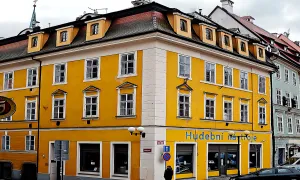
Photos from the area
Real photos taken near the monument


Zdroj a licence jsou uvedeny u každého snímku.
Tips from visitors
No tips yet. Be the first!
Log in and add your tip.
Sources and literature
Photos: VitVit / CC BY-SA 4.0, rozlišení zvýšeno umělou inteligencí — Wikimedia Commons. The author and licence also appear when you hover over the image.
Faktickým podkladem tohoto textu byl článek na Wikipedii, jehož autory jsou přispěvatelé Wikipedie. Článek je dostupný pod licencí CC BY-SA 4.0.
Location on the map
Příběhy a pověsti
Legendy, pověsti a příběhy spjaté s touto památkou
Fotografie návštěvníků
Zatím žádné fotografie. Buďte první, kdo přidá fotografii z návštěvy!
Log in a přidejte svou fotografii nebo hodnoťte.
Za ověřenou návštěvu v aplikaci získáte víc bodů — poznáme podle GPS, že jste na místě.
Reviews and comments