






Kostel svatého Václava (Žamberk) Church
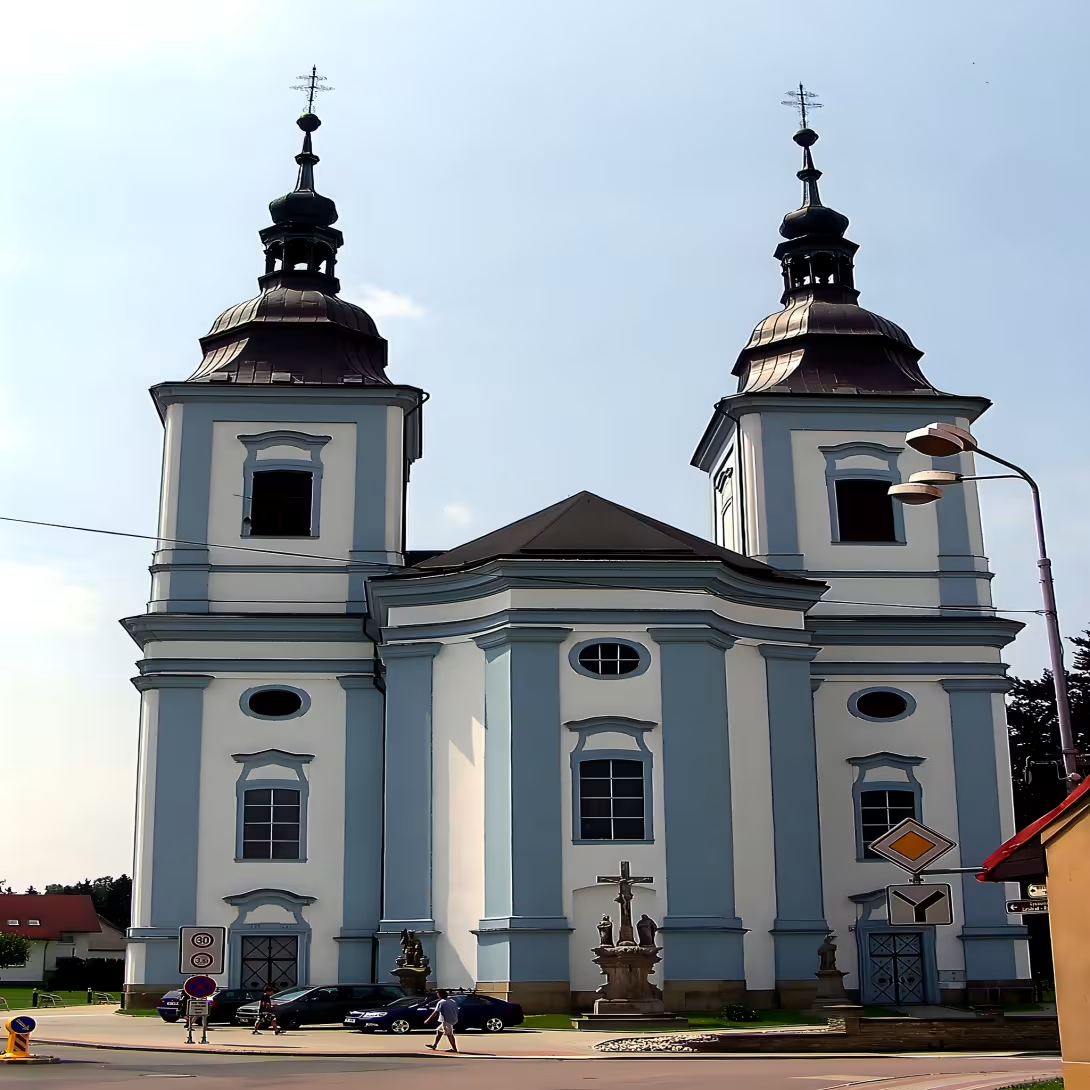
The Baroque Church of St. Wenceslas in Žamberk is a significant cultural monument and the parish church of the Žamberk parish. Located in the historic center of Žamberk, it is the town's tallest building and the most impressive work of Master Morazzi. The church is a protected cultural monument and a reflection of the region's cultural and spiritual development.
The church was first mentioned in 1348, but its original wooden structure burned down after a lightning strike in 1684 and was demolished. A new church was built between 1729 and 1738 by Donát Theodor Morazzi, a renowned Chrudim architect. The main portal was completed by Andreas Schüller in 1747. The church's Baroque style and impressive architecture make it a notable landmark in the region.
The church features a Baroque style and is the town's tallest building. Its Baroque architecture is characterized by a 72-meter-tall tower and a 22-meter-high church vault. The church's interior is adorned with several notable artworks, including a painting of St. Wenceslas by Italian Baroque master Francesca Trevisiani, created in 1741. The church also features a painting of St. Anthony of Padua with the Christ Child by Peter Brandl, created in 1730, which is currently on loan to the National Gallery in Prague.
The church's history is marked by several significant events. The oldest bell, cast in 1574, was destroyed in a fire in 1859, and new bells were installed in 1930, only to be requisitioned in 1940. Two new bells, Jan Křtitel and Margaret Mary, were installed in 2000, and a third bell, Václav, was added in 2001, funded by a public collection and named after Václav Havel.
Today, the church is a protected cultural monument and a popular tourist destination. Visitors can admire its impressive architecture and historic bells, gaining a deeper understanding of the local spiritual and cultural development. The church is open to the public, and its surroundings offer a glimpse into the historic center of Žamberk.
Then and now
Drag the slider to compare how the landmark may have looked when it was built with the view today.
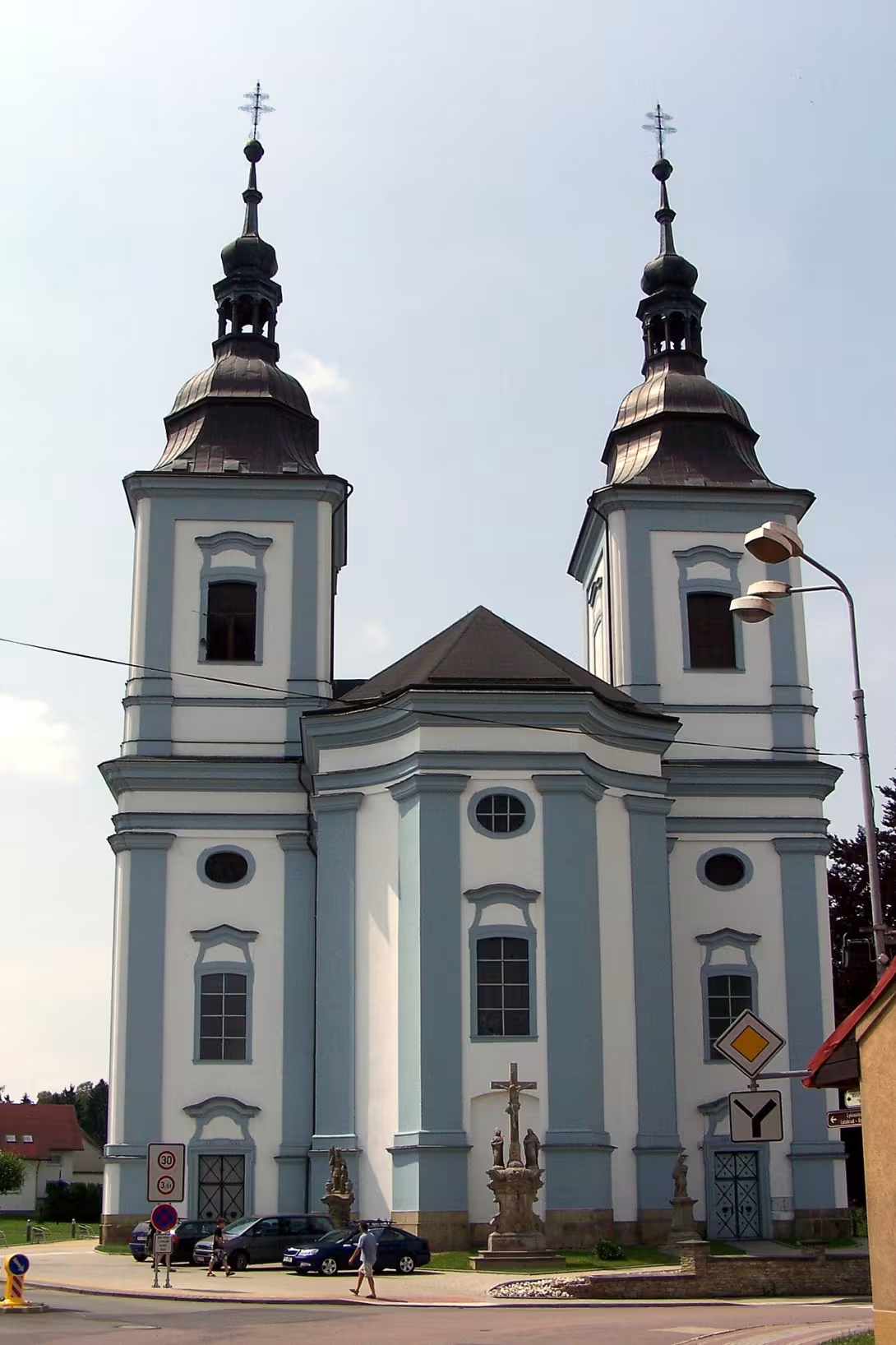
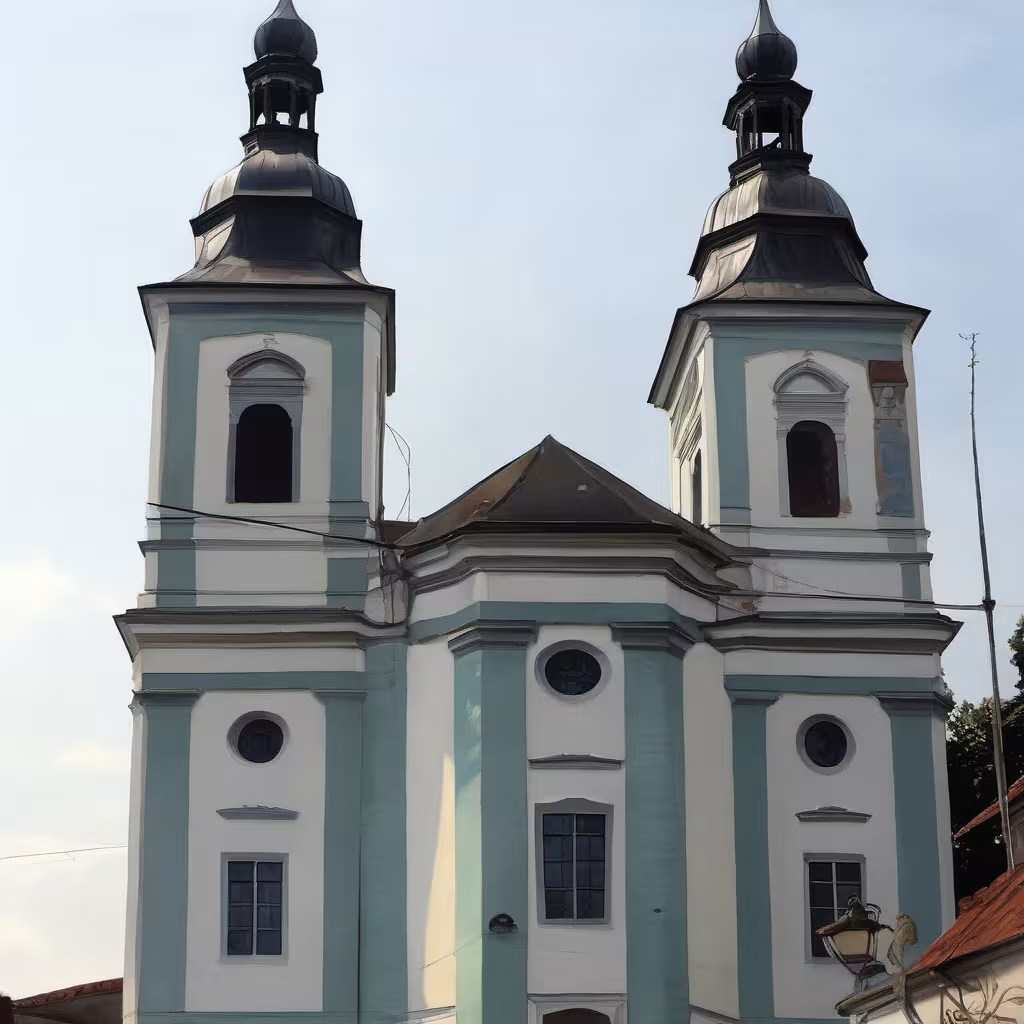
The historical appearance on the left is an AI-generated visualisation and serves as inspiration only.
Historical milestones
- 1348
- The church was first mentioned
- 1684
- The original wooden church burned down after a lightning strike
- 1729
- The new church was built by Donát Theodor Morazzi
- 1738
- The church was completed
- 1747
- The main portal was completed by Andreas Schüller
Architectural development
The church was built between 1729 and 1738 by Donát Theodor Morazzi. The main portal was completed by Andreas Schüller in 1747. The church features a Baroque style and is the highest building in Žamberk.
Historical events
The church was first mentioned in 1348. The original wooden church burned down after a lightning strike in 1684 and was demolished. The new church was built by Donát Theodor Morazzi between 1729 and 1738. The main portal was completed by Andreas Schüller in 1747.
Points of interest
– The church's interior features a painting of St. Wenceslas by Italian Baroque master Francesca Trevisiani, created in 1741, which is one of the most notable artworks in the church.
– The church's tower was built between 1729 and 1738 by Donát Theodor Morazzi, a renowned Chrudim architect, and is the town's tallest building, standing at 72 meters tall.
– The church's bells have a long and complex history, with the oldest bell being cast in 1574, but being destroyed in a fire in 1859, and new bells being installed in 1930, only to be requisitioned in 1940.
– The church's interior is adorned with several notable artworks, including a painting of St. Anthony of Padua with the Christ Child by Peter Brandl, created in 1730, which is currently on loan to the National Gallery in Prague.
– The church was built on the site of an original wooden structure that burned down after a lightning strike in 1684 and was demolished, leading to the construction of the current Baroque church between 1729 and 1738.
Guide
This guide is narrated by a synthetic voice generated by artificial intelligence.
Show guide text
This text was created by artificial intelligence and has not been editorially reviewed. It may contain inaccuracies.
The Church of Saint Václav is the highest building in Žamberk. It is a Baroque parish church built from 1729 to 1738 and is protected as a cultural monument.
However, its history goes back much further. The church is first mentioned in the year 1348. At that time it was a wooden structure, which burned down after a lightning strike in 1684 and was demolished. Only one thing has survived from the original church: a painting of Saint Václav painted on tin. It still hangs above the sacristy to this day.
The new church was built by Chrudim builder Donát Theodor Morazzi. It is his most monumental work. The towers are seventy-two meters high, the vault rises to a height of twenty-two meters, and the church is forty-four meters long. The main portal was not completed until 1747 by architect Andreas Schüller.
The bells had a turbulent fate. The oldest one dated from 1574. Together with the others, it perished in a great fire of the church and the city in 1859. New bells were hung in 1930, but as early as 1940 they were confiscated for war purposes. It was not until 2000 that the church received two new bells. The first, John the Baptist, was purchased from a collection by citizens. The second bears the name Margaret Mary and was donated by her husband John Marmaduke Parish. A year later a third bell was added, Václav. It was paid for by public collection and Václav Havel became its patron.
Inside, the main altar stands out with a painting of the Murder of Saint Václav from 1741. It was painted by Italian Baroque master Francesco Trevisani. On the side altar is a painting of Saint Anthony of Padua with Baby Jesus by Petr Brandl from 1730. Its original is loaned to the National Gallery in Prague.
The pulpit was created from 1746 to 1748 by sculptor Jan Boser. The artist Webs worked on its colour scheme and gilding. The church's pictorial decoration was carried out much later, from 1893 to 1895, by František Klos.
Frequently asked questions
Can the monument be visited?
Religious buildings are usually open mainly during services; at other times a visit is normally arranged with the parish or the operator. We have not verified specific times.
Where is the monument?
Location: Kostelní, Žamberk, Pardubický kraj. The map on this page shows the exact spot.
Why is the monument protected?
It is listed in the Central List of Cultural Monuments of the Czech Republic as a cultural monument (register no. 27461/6-4143).
Businesses nearby
Do you run a restaurant, accommodation, shop, museum, rental, wellness or other visitor service near this monument? Show yourself directly to the people heading to it — this is how they will see you in the app and on the web:
Nearby
The church is located in the historic center of Žamberk, surrounded by other historical buildings.
Accommodation nearby
Themed route
The Žamberk Town Square and Church of St. Wenceslas is a charming destination that offers a glimpse into the town's rich history and culture. The main attraction is the Church of St. Wenceslas, a beautiful Gothic church that dates back to the 14th century. The church is surrounded by other historical buildings, including the Town Hall and the Baroque fountain.
From the town square, visitors can walk to the Žamberk Museum, which is located in a beautiful Renaissance building. The museum showcases the town's history and culture, with exhibits on the town's mining industry, its role in the Thirty Years' War, and the lives of its notable residents.
The Žamberk Town Hall is another must-see attraction, with its beautiful Renaissance façade and stunning interior. The town hall has been beautifully restored and now serves as a cultural center, hosting various events and exhibitions throughout the year.
The Baroque fountain in the town square is a charming spot to relax and take in the sights and sounds of the town. The fountain is a beautiful example of Baroque architecture and is a great place to take photos.
The Žamberk Castle is a short walk from the town square and offers stunning views of the surrounding countryside. The castle has a long history dating back to the 13th century and has been beautifully restored to its former glory. Visitors can explore the castle's walls, towers, and gardens, and enjoy the stunning views of the surrounding landscape.
Seasonal recommendations
Jaro
In the spring season, St. Wenceslas Church in Žamberk is surrounded by blooming trees and flowers, creating a pleasant atmosphere. The church lighting is soft and natural, allowing for observation of architectural details. We recommend visiting the church in the spring if you wish to see it in peace without large crowds. The best time is in April or May when the weather is sunny and warm.
Summer
In the main summer season, St. Wenceslas Church in Žamberk is very popular, so we recommend arriving early to avoid large crowds. The church lighting is the same as in spring, but due to sunny weather, more architectural details are visible. Summer is an ideal time for photographing the church and its surroundings. We recommend visiting the church in June or July when the weather is sunny and warm.
Autumn
In autumn, St. Wenceslas Church in Žamberk is surrounded by beautiful colorful leaves of trees, creating a pleasant atmosphere. The church lighting is soft and natural, allowing for observation of architectural details. We recommend visiting the church in autumn if you wish to see it in peace without large crowds. The best time is in September or October when the weather is cool and sunny.
Winter
In winter, St. Wenceslas Church in Žamberk is surrounded by snow and calmness, creating a peaceful atmosphere. The church lighting is soft and natural, allowing for observation of architectural details. We recommend visiting the church in winter if you wish to see it in peace without large crowds. The best time is in December or January when the weather is cold and snowy. Don't forget to wear warm clothing and bring a scarf or glasses to protect against wind and snow.
Visualizations and artistic views


The visualisations are generated by artificial intelligence and serve as inspiration.
Photos from the area
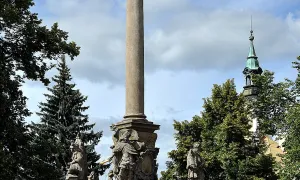
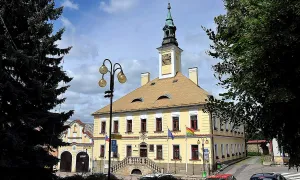
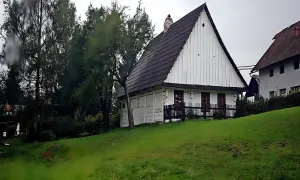
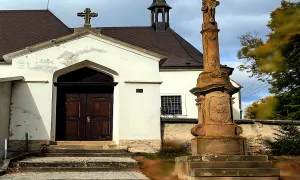
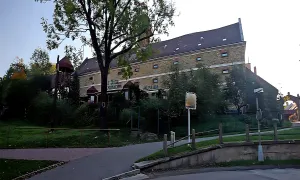
Real photos taken near the monument


Zdroj a licence jsou uvedeny u každého snímku.
Atmosphere of the place
This atmospheric visualisation of the place and period was generated by artificial intelligence. It is not real footage of the location.
Tips from visitors
No tips yet. Be the first!
Log in and add your tip.
Sources and literature
Photos: Michal Louč / CC BY-SA 4.0, rozlišení zvýšeno umělou inteligencí — Wikimedia Commons. The author and licence also appear when you hover over the image.
Faktickým podkladem tohoto textu byl článek na Wikipedii, jehož autory jsou přispěvatelé Wikipedie. Článek je dostupný pod licencí CC BY-SA 4.0.
Příběhy a pověsti
Legendy, pověsti a příběhy spjaté s touto památkou
Fotografie návštěvníků
Zatím žádné fotografie. Buďte první, kdo přidá fotografii z návštěvy!
Log in a přidejte svou fotografii nebo hodnoťte.
Za ověřenou návštěvu v aplikaci získáte víc bodů — poznáme podle GPS, že jste na místě.
Reviews and comments