



Kostel svatého Vojtěcha (Dolany) Church
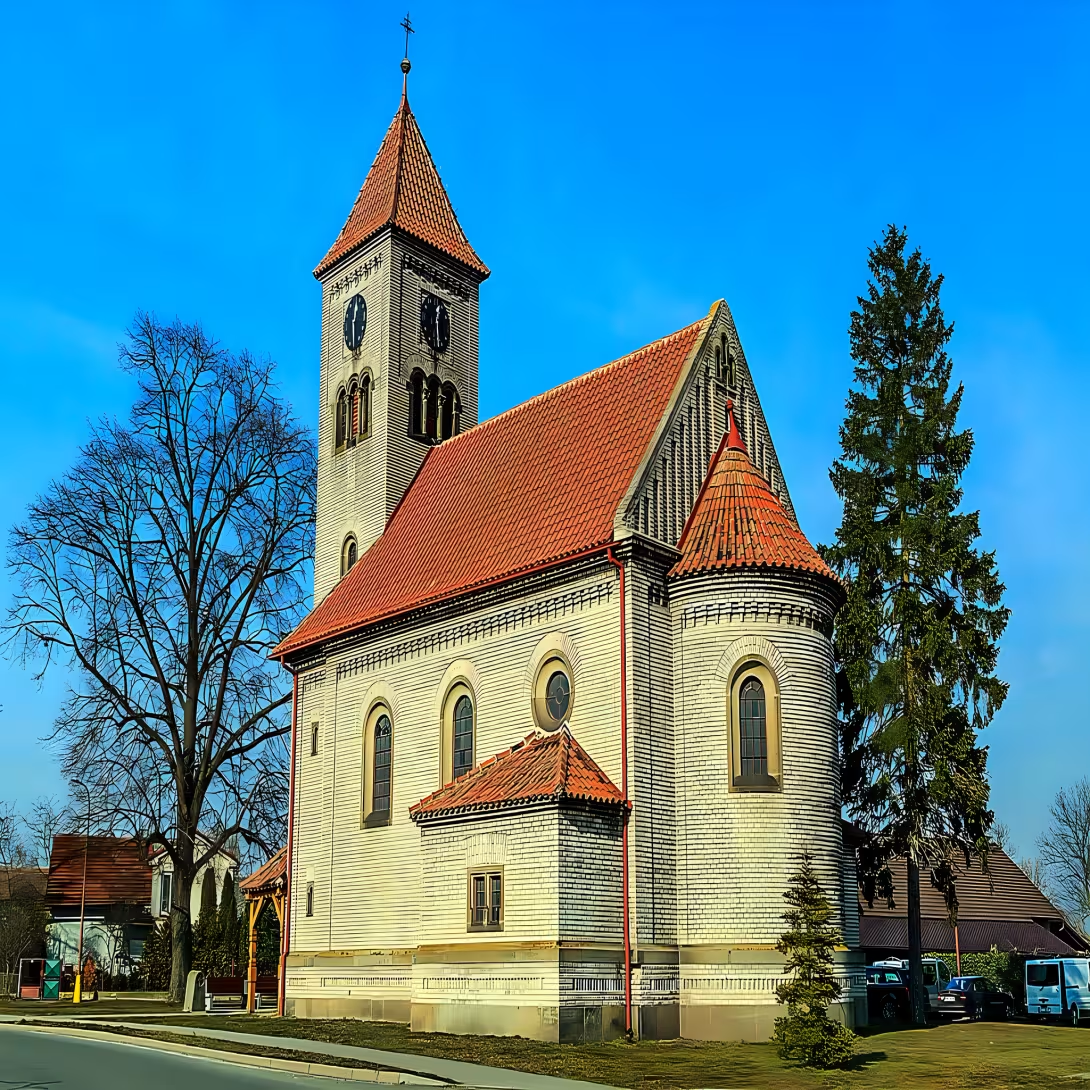
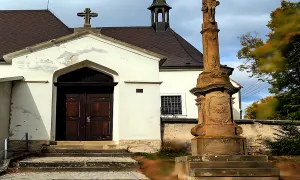
The Church of Saint Vojtěch in Dolany is a Romanesque Revival structure built in 1914. Situated in the Pardubice district's village of Dolany, it stands as an important cultural and religious landmark. Architect Bóža Dvořák designed this architectural gem, which serves both as a place of worship and a prominent feature on the village square alongside the Chapel of Saint Florian. Constructed to provide local residents with their own place of worship, it reduced the need for travel to nearby Staré Ždánice for services. Currently owned by Dolany's municipality, it has been proposed as a cultural monument due to its historical and architectural significance.
The decision to build the Church of Saint Vojtěch was made in 1913 when local residents sought their own place of worship instead of traveling to Staré Ždánice. This reflected a broader early 20th-century trend across Bohemia, where communities developed stronger local identities and invested in infrastructure. Architect Bóža Dvořák guided its construction, embracing the Romanesque Revival style popular for its historical resonance and aesthetic appeal.
Architecturally, the Church of Saint Vojtěch exemplifies the Romanesque Revival movement with rounded arches and robust forms reminiscent of medieval ecclesiastical architecture. Every detail showcases craftsmanship: Bohumil Bek created the altar, Antonín Häusler painted interior frescoes, and Jan Tuček from Kutná Hora crafted the organ in 1914, enhancing its liturgical and acoustic qualities.
Ownership has remained with Dolany's municipality since inception, highlighting the community’s commitment to preserving this cultural asset. Notable events include Karel Adamec from Čáslav installing a clock on its tower on November 29, 1913, and Bishop Josef Doubrava consecrating it on July 5, 1914.
Today, the Church of Saint Vojtěch is a well-preserved monument integral to Dolany’s cultural and religious life. Its historical significance is recognized through its proposal for designation as a cultural monument. Visitors can appreciate its architectural beauty and role in fostering community identity over the past century.
The Church of Saint Vojtěch offers more than early 20th-century architecture; it embodies the spirit and resilience of the Dolany community. Its preservation allows future generations to connect with their heritage, making it invaluable for both locals and tourists. Visitors are invited to explore this remarkable church where history and artistry converge in a serene village setting.
Then and now
Drag the slider to compare how the landmark may have looked when it was built with the view today.
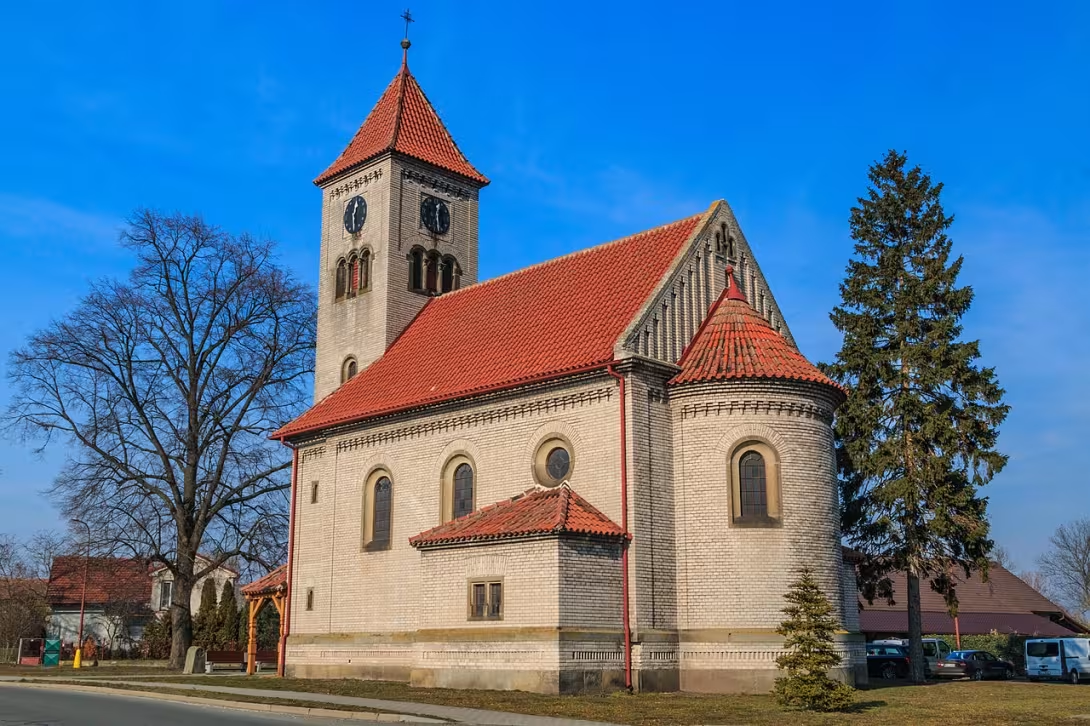

The historical appearance on the left is an AI-generated visualisation and serves as inspiration only.
Historical milestones
- 1913
- Local residents decided to build their own church.
- 1913
- A clock was installed on the tower by Karel Adamec.
- 1914
- The consecration of the new church took place with Bishop Josef Doubrava.
Architectural development
The Church of Saint Vojtěch was designed in the Romanesque Revival style by architect Bóža Dvořák. The altar was crafted by Bohumil Bek and the interior frescoes were painted by Antonín Häusler. In 1914, the church's organ was made by Jan Tuček from Kutná Hora.
Historical events
In 1913, local residents decided to build their own church instead of traveling to Staré Ždánice for services.
On November 29, 1913, a clock was installed on the tower by Karel Adamec from Čáslav.
The consecration of the new church took place on July 5, 1914, with the participation of Bishop Josef Doubrava.
Owners
The church is in the ownership of the municipality of Dolany.
Points of interest
- The Church of Saint Vojtěch's construction was part of a broader early 20th-century movement in Bohemia where communities sought to establish stronger local identities by investing in their own infrastructure, reflecting a shift towards localized cultural development.
- Jan Tuček from Kutná Hora crafted the church’s organ in 1914, contributing significantly to its liturgical and acoustic qualities. His work is an example of how individual artisans played crucial roles in enhancing the functionality and aesthetic appeal of religious structures during this period.
- A notable event occurred on November 29, 1913, when Karel Adamec from Čáslav installed a clock on the church's tower, symbolizing the integration of modern timekeeping into traditional ecclesiastical architecture, which was an emerging trend in village life at that time.
- The consecration of the Church of Saint Vojtěch by Bishop Josef Doubrava on July 5, 1914, marked not only a religious milestone but also underscored the church's role as a unifying cultural and spiritual hub for the local community.
- Despite its relatively recent construction in 1914, the church has been proposed as a cultural monument due to its historical significance and architectural value, highlighting how even modern structures can attain heritage status when they embody significant cultural narratives.
Guide
This guide is narrated by a synthetic voice generated by artificial intelligence.
Show guide text
This text was created by artificial intelligence and has not been editorially reviewed. It may contain inaccuracies.
The Church of Saint Vojtech in Dolany in the Pardubice region is a Roman Catholic subsidiary church. It is built in the Romanesque Revival style and together with the Chapel of Saint Florian forms the dominant feature of the village square.
The believers from Dolany used to attend services at the Church of Saint Wenceslas in the neighboring Staré Ždánice. In 1913, they therefore decided to build their own church. The project was developed by Pardubice architect Bóža Dvořák. The altar was made by Bohumil Bek and the interior painting by Antonín Häusler.
Construction proceeded quickly. Already on November twenty-ninth, nineteen thirteen, the tower received a clock from Čáslav clockmaker Karel Adamec. In nineteen fourteen, the Jan Tuček company from Kutná Hora installed an organ in the church. The church was consecrated on July fifth, nineteen fourteen with the attendance of the Hradec Králové bishop Josef Doubrava.
Today the church belongs to the municipality of Dolany and is proposed to be declared a cultural monument.
Tips for visitors
The best time to visit the Church of Saint Vojtěch in Dolany is during late spring or early autumn when the weather is pleasant, allowing you to comfortably explore both the church and its surroundings. These seasons offer vibrant landscapes that enhance the beauty of the Czech countryside around Dolany. Additionally, visiting outside peak tourist season can provide a more tranquil experience.
The church's central location within Dolany makes it easily reachable on foot from these transport points.
When planning your visit, consider bringing comfortable walking shoes as you may want to explore the village square and nearby areas. A camera is recommended for capturing the architectural beauty of the Romanesque Revival style of the church, especially during golden hours in the morning or late afternoon when natural light enhances the structure's details.
For photography enthusiasts, the best spots include the front entrance of the Church of Saint Vojtěch and the Chapel of Saint Florian, both offering picturesque views against the backdrop of Dolany’s village square. The soft lighting during early mornings or late afternoons can create a warm ambiance ideal for capturing stunning images.
Nearby attractions within 30 minutes include other historical sites in Pardubice region, such as castles and museums that offer insights into local history and culture. These are perfect for extending your visit beyond the church itself. For families with children, ensure to bring along some snacks or a packed lunch, as there might be limited dining options directly at Dolany.
Frequently asked questions
Can the monument be visited?
Religious buildings are usually open mainly during services; at other times a visit is normally arranged with the parish or the operator. We have not verified specific times.
Where is the monument?
Location: Dolany, Pardubický kraj. The map on this page shows the exact spot.
Businesses nearby
Do you run a restaurant, accommodation, shop, museum, rental, wellness or other visitor service near this monument? Show yourself directly to the people heading to it — this is how they will see you in the app and on the web:
Events nearby


Zdroj akcí: otevřená data měst a obcí ČR (Národní katalog otevřených dat) a kalendář akcí Národního památkového ústavu.
Nearby
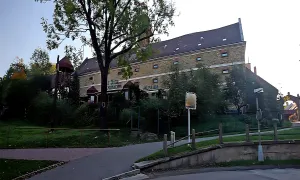
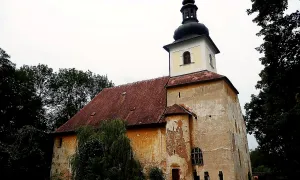
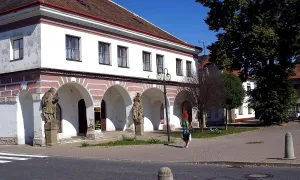
The Church of Saint Vojtěch is located in Dolany and forms a significant part of the village square, alongside the Chapel of Saint Florian. The surrounding landscape includes typical Czech countryside features.
Accommodation nearby
Themed route
Tematická výletní trasa: Kostel svatého Vojtěcha a okolí
1. Kostel svatého Vojtěcha (Dolany) - Typ: Kostel - Proč stojí za návštěvu: Tento kostel je centrem kulturního dědictví v Dolanech a představuje klíčový prvek místní architektury. Jeho historické interiéry a sakrální atmosféra nabízejí návštěvníkům pohled na bohatou duchovní tradici obce.
2. Kaple svatého Floriana - Typ: Kaple - Proč stojí za návštěvu: Nachází se vedle kostela svatého Vojtěcha a přidává do prostorového uspořádání Dolan další vrstvu historického významu. Její architektonická jednoduchost a umístění na náměstí zvyšují estetickou hodnotu celé lokality.
3. Procházka po typickém českém venkovském krajině - Typ: Procházka - Proč stojí za návštěvu: Krátce od kostela a kaple se můžete ponořit do klidného prostředí typické české krajiny. Tato procházka nabízí příležitost si užít přírodní krásy okolní oblasti a poznat místní způsob života.
Tato trasa vám umožňuje nejen ocenit historické památky Dolan, ale také prozkoumat jejich přirozené prostředí.
Seasonal recommendations
Spring: The spring season at the Church of Saint Vojtěch in Dolany is marked by a vibrant display of blooming flowers and lush greenery surrounding the historic site, creating an enchanting atmosphere that enhances its architectural beauty. As nature awakens, the soft morning light beautifully illuminates the church's intricate details, offering a serene setting for visitors. It's advisable to wear comfortable shoes suitable for walking on potentially muddy paths as spring showers can make trails slippery. Visiting in early mornings or late afternoons is recommended to avoid larger crowds and fully enjoy the tranquil ambiance.
Summer: Summer at the Church of Saint Vojtěch brings long daylight hours, allowing visitors ample time to explore both the church and its picturesque surroundings. The lush foliage provides a refreshing canopy, making it an ideal season for photography enthusiasts seeking natural light to capture the church’s historic charm. Due to increased tourist activity during this peak season, arriving early in the morning can help avoid larger crowds. Wearing breathable clothing is recommended to stay comfortable under the sun, and carrying water is essential.
Autumn: Autumn offers a unique visual spectacle at the Church of Saint Vojtěch with its surrounding landscape adorned in warm hues of red, orange, and yellow leaves. The crisp air adds an invigorating touch to the visit, enhancing the church's historical aura. As daylight hours shorten, planning your visit during late morning or early afternoon ensures you have sufficient light for exploring. Layered clothing is advisable due to fluctuating temperatures, and it’s a good idea to check the weather forecast in case of rain.
Winter: Winter transforms the Church of Saint Vojtěch into a serene winter wonderland, with snow-covered surroundings providing a picturesque backdrop that accentuates its architectural elegance. The shorter days mean visiting early is crucial to make the most of the limited daylight hours. The church's atmosphere during this season is particularly tranquil and reflective, ideal for those seeking peace. Visitors should dress warmly in layers and consider bringing gloves and hats, as temperatures can be quite cold. Additionally, it’s wise to check opening times as they may vary due to weather conditions.
Visualizations and artistic views


The visualisations are generated by artificial intelligence and serve as inspiration.
Photos from the area
Real photos taken near the monument


Zdroj a licence jsou uvedeny u každého snímku.
Atmosphere of the place
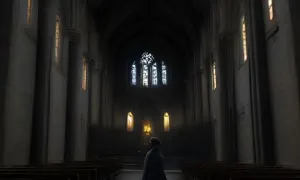
This atmospheric visualisation of the place and period was generated by artificial intelligence. It is not real footage of the location.
Tips from visitors
No tips yet. Be the first!
Log in and add your tip.
Sources and literature
Photos: Petr1888 / CC BY-SA 4.0, rozlišení zvýšeno umělou inteligencí — Wikimedia Commons. The author and licence also appear when you hover over the image.
Faktickým podkladem tohoto textu byl článek na Wikipedii, jehož autory jsou přispěvatelé Wikipedie. Článek je dostupný pod licencí CC BY-SA 4.0.
Location on the map

Příběhy a pověsti
Legendy, pověsti a příběhy spjaté s touto památkou
Fotografie návštěvníků
Zatím žádné fotografie. Buďte první, kdo přidá fotografii z návštěvy!
Log in a přidejte svou fotografii nebo hodnoťte.
Za ověřenou návštěvu v aplikaci získáte víc bodů — poznáme podle GPS, že jste na místě.
Reviews and comments