






Kostel svatého Vojtěcha (Liberec) Church
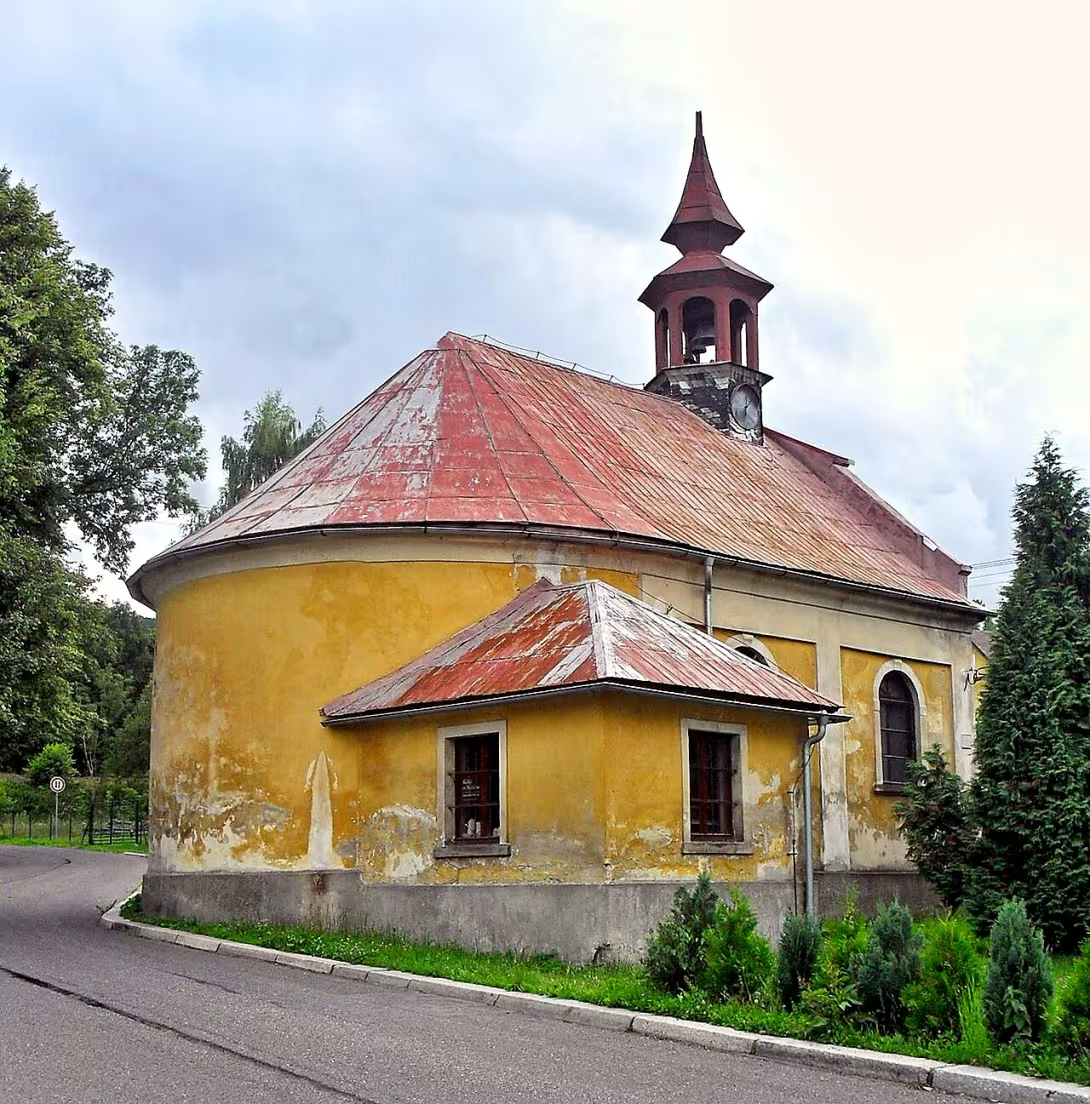
The Church of Saint Adalbert in Ostašov, Liberec, exemplifies early 19th-century architectural elegance with its Empire-style façade and neo-Gothic interior. Built in 1833 on the site of a former wooden chapel, this significant religious structure reflects historical continuity and modern adaptation. It falls under the spiritual administration of the Roman Catholic Parish-Archdeaconry of Liberec and has undergone several restorations to preserve its essence while meeting contemporary needs.
The church's origins trace back to 1833 when Kristián K. Clam-Gallas, the estate owner at that time, initiated its construction. Architect F. Effenberger designed and executed the project during a period of cultural and architectural development in Bohemia, part of the Austrian Empire. This era is reflected in the church's blend of Empire style with neo-Gothic elements.
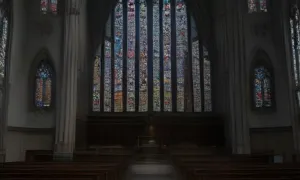
Architecturally, it is an oblong structure capped by a semicircular closure with a flat ceiling. The façade features pilasters dividing the space into sections and includes a conical sounding board. Inside, there is a high-quality neo-Gothic altar from the mid-19th century adorned with a triptych depicting Saint Adalbert, Saint Joseph, and Saint Anthony. Its design merges Empire style with neo-Gothic influences.
Throughout its history, the church has experienced various phases of ownership and administration, primarily under the Roman Catholic Parish-Archdeaconry of Liberec. During the communist era in Czechoslovakia, like many religious sites in Northern Bohemia, it was neglected. However, local initiatives have played a crucial role in its restoration.
Key events include several significant restorations in the early 21st century. In 2012, extensive repairs were carried out by the Society of Friends of Ostašov, including partial interior plaster repairs and electrical upgrades. During these renovations, four original niches were discovered beneath the plaster, two of which were restored. The church's entrance doors retained nearly 90% of their original materials during this period.
Further restoration efforts in 2013 focused on repairing the exterior of the entrance doors and discovering a prie-dieu at the original site of the church. In 2014, the belfry was re-roofed with slate tiles and equipped with replicas of the original dials. The following year, during pilgrimage celebrations, a permanent exhibition featuring copies of the original Stations of the Cross was unveiled, created using the underpainting technique on glass by graphic artist Radim Kučera.
By 2016, additional restoration work included repairing the church's wooden pews and installing parapets in niches discovered beneath old plaster. The interior was repainted, new doors and stairs to the sacristy were installed, and a damaged step before the altar was repaired. These efforts have ensured that the Church of Saint Adalbert remains a well-preserved historical site.
Today, the church is accessible to visitors who wish to explore its rich history and architectural beauty. Its blend of Empire-style façade and neo-Gothic interior makes it a noteworthy destination for those interested in 19th-century architecture and religious heritage. The ongoing preservation efforts highlight its cultural significance and ensure that future generations can appreciate its historical value. Visitors are invited to experience this remarkable monument, which stands as a symbol of resilience and continuity in the heart of Liberec.
Then and now
Drag the slider to compare how the landmark may have looked when it was built with the view today.
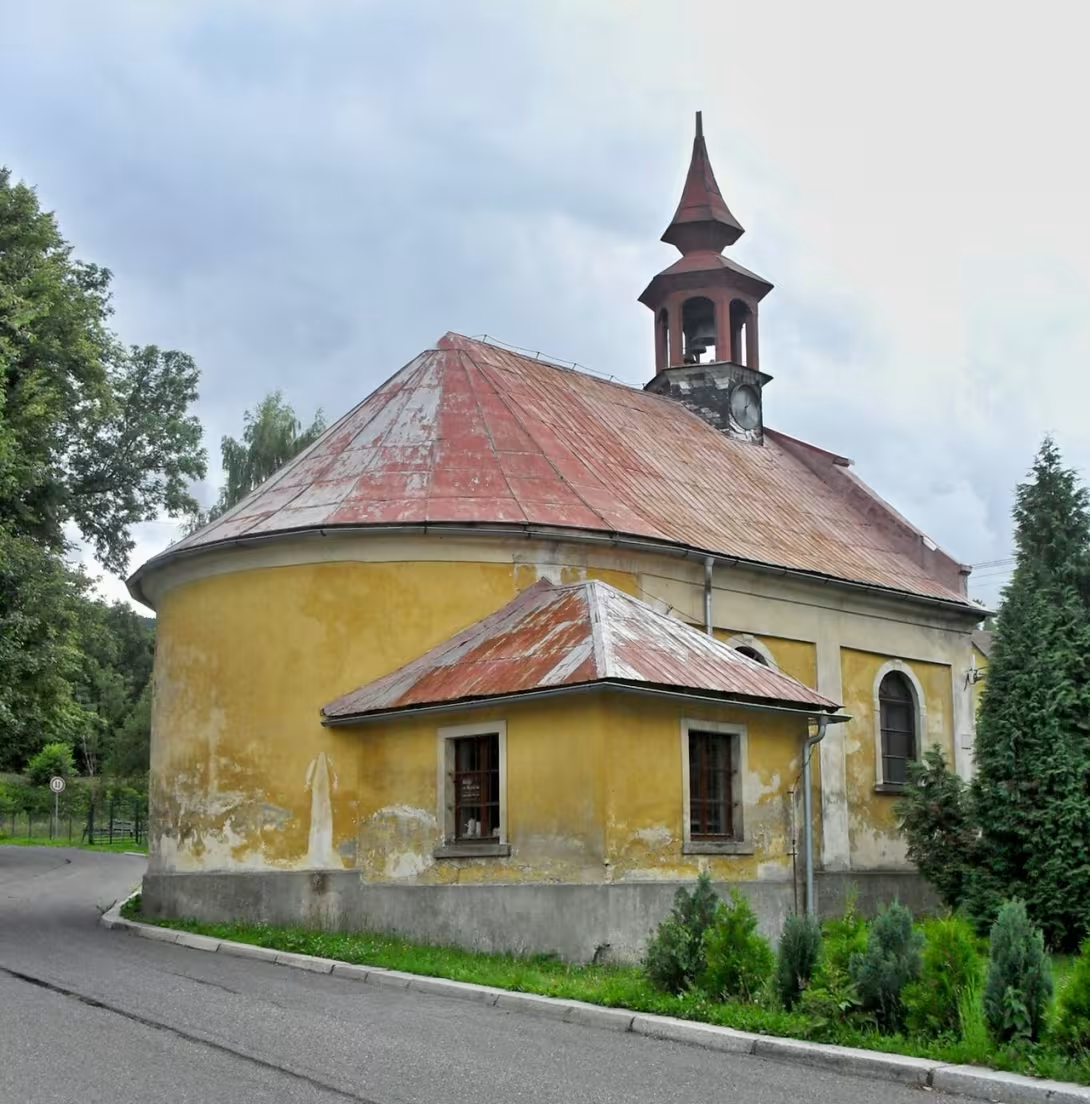

The historical appearance on the left is an AI-generated visualisation and serves as inspiration only.
Historical milestones
- 1833
- Construction of the current brick church began on the site of a former wooden chapel.
- 2012
- Major restoration work was initiated by the Society of Friends of Ostašov, including partial interior plaster repairs and electrical upgrades.
Architectural development
The Church of Saint Adalbert was originally built as a brick structure in 1833, replacing an earlier wooden chapel. It features an Empire-style façade with pilasters and a neo-Gothic interior, including a high-quality altar from the mid-19th century. Over the years, it has undergone several renovations to restore its original elements and adapt it for modern use.
Historical events
In 1833, the current brick church was constructed on the site of a former wooden chapel by the initiative of estate owner Kristián K. Clam-Gallas.
During renovations in the early 21st century, significant restorations were carried out to preserve and enhance the church's historical features.
Points of interest
- The Church of Saint Adalbert was built on the site of a former wooden chapel, highlighting its historical continuity and transformation from humble beginnings to an architectural landmark in Liberec.
- During the communist era in Czechoslovakia, like many religious sites in Northern Bohemia, the church faced neglect; however, it was local initiatives that played a crucial role in its restoration and preservation for future generations.
- In 2012, during renovations by the Society of Friends of Ostašov, four original niches were discovered beneath layers of plaster, adding an intriguing layer to the church's architectural history and sparking further interest in its hidden features.
- A prie-dieu was found at the original site of the church in 2013, offering a rare glimpse into the personal devotional practices that may have taken place within this sacred space during its early years.
- The permanent exhibition featuring copies of the original Stations of the Cross, unveiled in 2015 using the underpainting technique on glass by graphic artist Radim Kučera, provides visitors with an innovative way to engage with the church's artistic heritage.
Guide
This guide is narrated by a synthetic voice generated by artificial intelligence.
Show guide text
This text was created by artificial intelligence and has not been editorially reviewed. It may contain inaccuracies.
The Church of Saint Adalbert stands in Ostašov, one of the districts of Liberec. Spiritually, it belongs under the Roman Catholic parish, the deanery of Liberec.
The present brick church was built in 1833 in place of the original wooden chapel. The owner of the estate, Christian Clam-Gallas, wished for the construction and entrusted it to engineer Effenberger. Two cannon balls were once bricked in above the entrance, which were reminders of the Seven Years' War. However, they were removed during a later reconstruction.
The church has a rectangular floor plan with a semicircular apse and a flat ceiling. The Empire façade is divided by pilasters and above it rises a prismatic bell tower, the sanctus bell tower. Inside is a neo-Gothic altar from the middle of the nineteenth century with a triptych depicting Saint Adalbert, Saint Joseph, and Saint Anthony.
Under communist rule, the church, like most sacred buildings in northern Bohemia, was neglected. A change came only through local initiative. In 2012, the Association of Friends of Ostašov began extensive repairs. During the renovation of the interior plaster, four original niches were discovered beneath it, and two of them were restored. The church received new electrical wiring and new lighting. At the entrance doors, almost ninety percent of the original wood and hardware were preserved.
In 2013, work continued on the section above the entrance doors. An original chandelier was found on the church roof, which was restored by students of the glass art and industrial school in Kamenický Šenov under the guidance of Tomáš Sieber. In the same year, the restoration of the original clock mechanism began, which was carried out by Tomislav Plzenský. The clock faces received new dials.
A year later, the bell tower was re-tinned and covered with slate, into which copies of the original clock faces were installed. The weathercock with a cross returned to its tip, though newly made. The original pieces fell in the nineteen nineties, and the contents of the weathercock, after documentation, ended up in a museum.
In 2015, a permanent exhibition of copies of the original Way of the Cross, painted on the back of glass, was opened during a pilgrimage celebration. The replicas were created by graphic designer Radim Kučera. The restored harmonium then returned to the church and the clock began running again. In 2016, the original wooden pews were repaired, the church was newly painted, and new doors and stairs lead to the sacristy. The collapsed step in front of the altar was also repaired.
Tips for visitors
The best time to visit the Church of Saint Adalbert in Ostašov is during late spring or early autumn when the weather is pleasant, allowing you to fully appreciate its architectural beauty without the crowds typical of peak tourist seasons. The soft natural light enhances the Empire-style façade and neo-Gothic interior, making it ideal for photography enthusiasts.
Both car and public transport options are available; however, checking current routes and schedules in a travel app or online is recommended for the most efficient journey. The area around Liberec offers scenic views that complement your visit.
When visiting the church, consider bringing comfortable walking shoes as you may want to explore the surrounding areas on foot. A camera with a zoom lens can be useful for capturing detailed shots of the architectural features. Additionally, carrying a light jacket is advisable as temperatures can vary throughout the day.
For photography enthusiasts, the best spots are from outside the church where the façade can be captured in its entirety against the sky, and inside near the altar to showcase the neo-Gothic elements. The morning or late afternoon light provides the most flattering illumination for photos. Remember to respect any guidelines regarding flash photography.
Nearby attractions within a 30-minute drive include the Liberec Zoo, offering a fun day out for families with children, and the Botanical Garden of the University of Agriculture in Prague, which is slightly further but worth the visit for its extensive plant collections. Both places provide educational and recreational opportunities for visitors of all ages.
Frequently asked questions
Can the monument be visited?
Religious buildings are usually open mainly during services; at other times a visit is normally arranged with the parish or the operator. We have not verified specific times.
Where is the monument?
Location: Liberec, Liberecký kraj. The map on this page shows the exact spot.
Businesses nearby
Do you run a restaurant, accommodation, shop, museum, rental, wellness or other visitor service near this monument? Show yourself directly to the people heading to it — this is how they will see you in the app and on the web:
Events nearby


Zdroj akcí: otevřená data měst a obcí ČR (Národní katalog otevřených dat) a kalendář akcí Národního památkového ústavu.
Accommodation nearby
Trips and activities nearby
Guided tours, tickets and activities nearby from GetYourGuide
Affiliate link: if you buy from the partner, we may receive a commission. The price for you does not change.
Search tours and activities →Themed route
Tematická výletní trasa: Kostel svatého Vojtěcha (Liberec)
1. Kostel svatého Vojtěcha
- Typ: Náboženská památka, kostel
- Proč stojí za návštěvu: Tento barokní kostel je nejenom kulturním a historickým centrem Liberce, ale také poskytuje vynikající pohled na město z jeho vysokého umístění. Jeho architektura a interiér jsou přitažlivé pro milovníky historie i umění.
2. Památník 1. května
- Typ: Historický památník
- Proč stojí za návštěvu: Nachází se v blízkosti kostela svatého Vojtěcha a slouží jako vzpomínka na důležité historické události spojené s pracovním hnutím. Je to místo, kde mohou návštěvníci reflektovat o minulosti a současném významu těchto událostí.
3. Náměstí Republiky
- Typ: Městské náměstí
- Proč stojí za návštěvu: Toto centrální náměstí v Liberci je ideálním místem pro poznání dnešního života ve městě. Zde se nachází různé kulturní a komerční objekty, které přitahují jak místní obyvatele, tak turisty.
4. Liberecký zámek
- Typ: Historická budova
- Proč stojí za návštěvu: Ačkoliv není v okolí kostela svatého Vojtěcha uveden, je to jedno z nejdůležitějších historických míst v Liberci. Zámek nabízí bohatou historii a krásný pohled na město, což ho činí nezbytným pro každého návštěvníka.
Tato trasa umožňuje návštěvníkům získat hlubší pochopení historie a kultury Liberce, začínaje klíčovou památkou kostela svatého Vojtěcha a pokračující v blízkých historických místech.
Seasonal recommendations
Spring: Visiting the Church of Saint Václav during spring offers a unique experience as nature comes to life around this historic site. The blooming gardens and fresh greenery create a vibrant backdrop, enhancing the church's architectural beauty with natural light that accentuates its intricate details. This season often brings mild weather, making it comfortable for exploration without heavy clothing. However, be mindful of occasional rain showers which can add a charming misty atmosphere to your visit. Early mornings or late afternoons are ideal times to avoid larger crowds and fully enjoy the serene ambiance.
Summer: Summer is an excellent time to experience the Church of Saint Václav in Liberec, as the warm weather allows for extended hours of daylight that beautifully illuminate the church's interior and exterior features. The lush greenery surrounding the site is at its peak, providing a picturesque setting for photos or leisurely walks. However, this season also attracts more visitors due to school holidays and favorable travel conditions, so it’s advisable to arrive early in the day to avoid crowds. Light, breathable clothing is recommended, along with sun protection such as hats and sunscreen.
Autumn: Autumn brings a stunning transformation to the Church of Saint Václav, with vibrant foliage creating a warm, golden hue around this historic landmark. The cooler temperatures make for pleasant visiting conditions, allowing you to appreciate both the church's architecture and the surrounding natural beauty without discomfort. This season often sees fewer visitors compared to summer, providing a more tranquil experience. It’s wise to dress in layers to accommodate fluctuating temperatures throughout the day, and to check opening times as they may vary with shorter daylight hours.
Winter: Winter offers a magical atmosphere for visiting the Church of Saint Václav, especially during the holiday season when snow can blanket the area, adding a serene, almost ethereal quality to this historic site. The church's architecture is beautifully highlighted against the snowy landscape, making it an ideal time for photography enthusiasts. However, shorter daylight hours and potential inclement weather mean that visits may need to be planned around opening times, which are often reduced in winter. Warm clothing, including coats, hats, gloves, and scarves, is essential, along with sturdy footwear for any slippery conditions outside the church.
Visualizations and artistic views


The visualisations are generated by artificial intelligence and serve as inspiration.
Photos from the area
Real photos taken near the monument


Zdroj a licence jsou uvedeny u každého snímku.
Tips from visitors
No tips yet. Be the first!
Log in and add your tip.
Sources and literature
Photos: Adam Fogl / CC BY-SA 3.0 — Wikimedia Commons. The author and licence also appear when you hover over the image.
Faktickým podkladem tohoto textu byl článek na Wikipedii, jehož autory jsou přispěvatelé Wikipedie. Článek je dostupný pod licencí CC BY-SA 4.0.
Location on the map


Příběhy a pověsti
Legendy, pověsti a příběhy spjaté s touto památkou
Fotografie návštěvníků
Zatím žádné fotografie. Buďte první, kdo přidá fotografii z návštěvy!
Log in a přidejte svou fotografii nebo hodnoťte.
Za ověřenou návštěvu v aplikaci získáte víc bodů — poznáme podle GPS, že jste na místě.
Reviews and comments