



Kostel svatých Petra a Pavla (Lichnov) Church
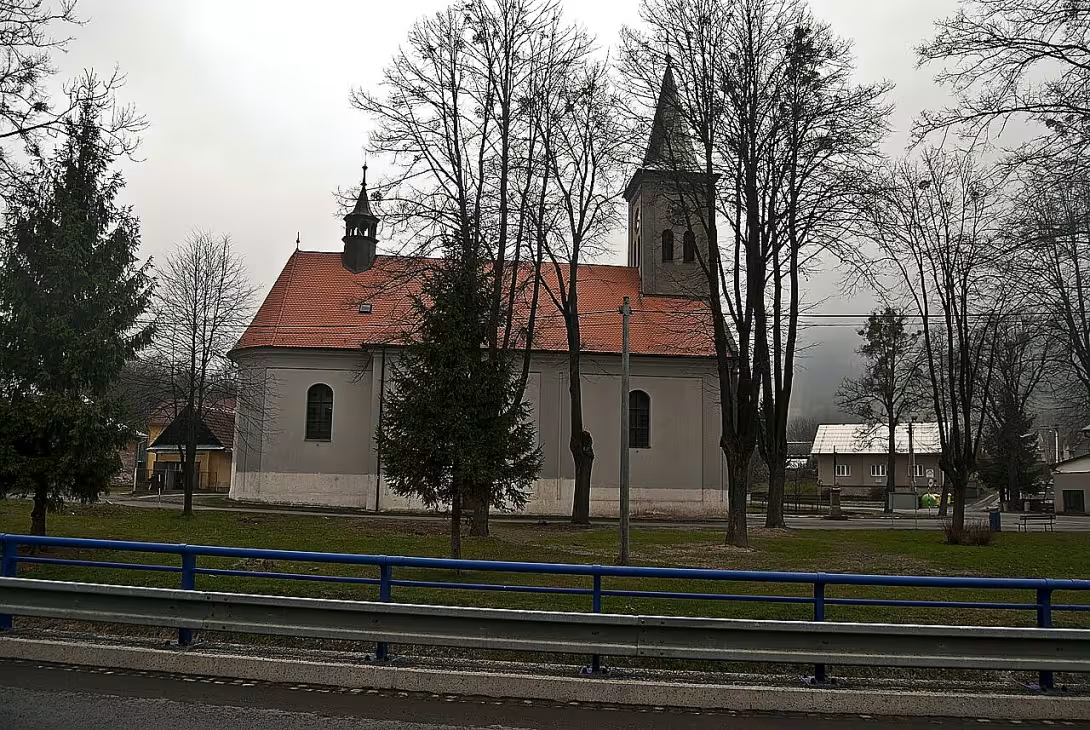
The Church of Saints Peter and Paul in Lichnov stands as a testament to the architectural evolution from wooden structures to Baroque grandeur within this quaint village nestled in the Moravskoslezský kraj region. This late Baroque church, recognized as a cultural monument of the Czech Republic, replaced an earlier wooden edifice that had succumbed to time and weather. Its significance lies not only in its architectural beauty but also in its historical journey from inception to restoration.
The original wooden church, constructed in 1659 under the auspices of the then Bishop of Olomouc, deteriorated due to adverse weather conditions and proximity to a nearby pond. By 1783, discussions about repairing this structure began, marking the start of a transformative period for the village's religious site. The decision was eventually made not to repair but to rebuild, leading to the construction of a new church between 1786 and 1794. This endeavor was led by architects Jan Grünberg, Václav Görich, and Pavel Bartl, culminating in a consecration ceremony on August 24, 1794.
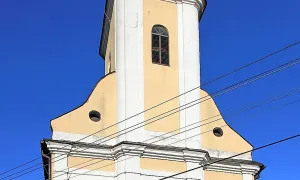
Architecturally, the Church of Saints Peter and Paul is distinguished by its single-nave structure, semi-circular presbytery, and a tower that rises majestically from the gable facade. The transition from wood to stone marked a significant evolution in building materials and techniques, reflecting broader architectural trends during the late Baroque period in Bohemia—a time of cultural and architectural renaissance following the Thirty Years' War.
Throughout its history, the church has undergone several renovations that have contributed to its current state. In 1881, a major reconstruction was undertaken, which included raising the tower by 2.8 meters and replacing the roof. The early 20th century saw further modifications, including the addition of frescoes in the 1930s. The most recent restoration efforts in 2012 involved repainting both the interior and exterior, as well as structural repairs to the tower and doors.
The church's interior is adorned with significant artistic elements, notably its main altar crafted in 1665 by stolař Vavřinec Lenk, featuring artwork by Adam Delong. This altar showcases sculptures of apostles and angels, embodying the religious fervor and artistic craftsmanship of the era. Additionally, early 20th-century frescoes add a layer of historical depth to the church's aesthetic appeal.
Today, the Church of Saints Peter and Paul stands as a beacon of cultural heritage in Lichnov. Its accessibility and preserved beauty make it an essential visit for those interested in exploring the rich tapestry of Czech history and architecture. The church not only serves as a place of worship but also as a monument that encapsulates centuries of faith, artistry, and community spirit. Visitors are invited to step into this historical sanctuary, where every stone tells a story of resilience, transformation, and devotion.
Then and now
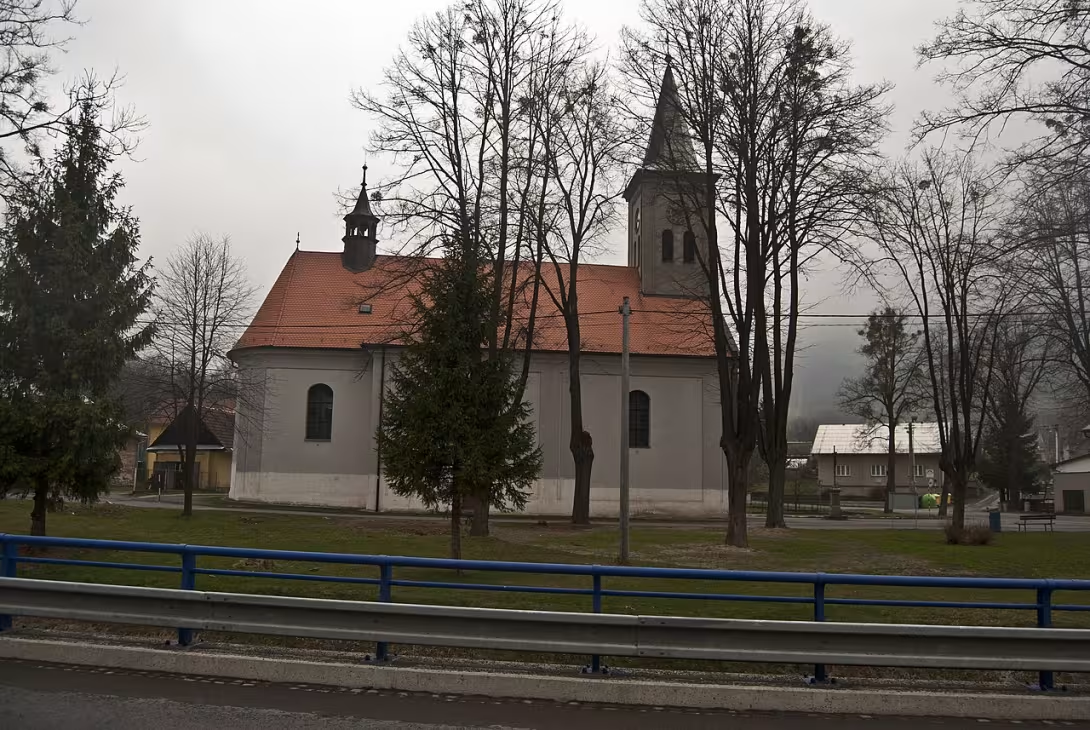
Drag the slider to compare how the landmark may have looked when it was built with the view today.
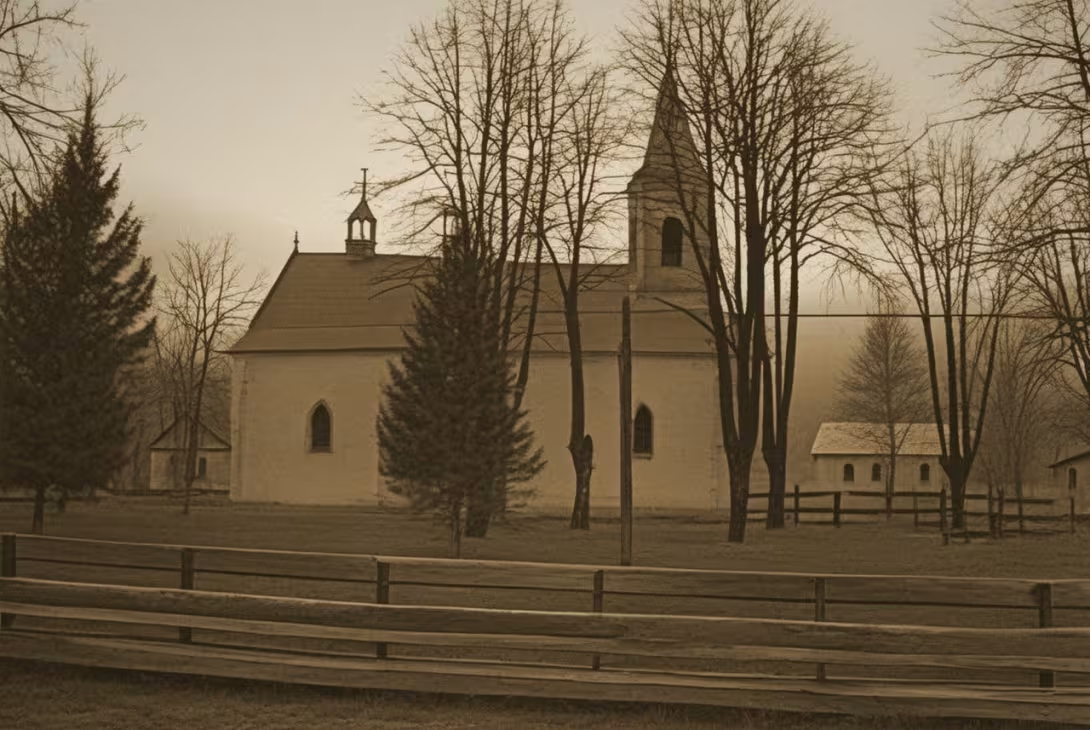
The historical appearance on the left is an AI-generated visualisation and serves as inspiration only.
Historical milestones
- 1659
- Construction of the original wooden church.
- 1783
- Initiation of discussions for repairing the deteriorating church.
- 1794
- Completion and consecration of the new Baroque church.
- 1881
- Major reconstruction including tower elevation and roof replacement.
Architectural development
The original wooden church from 1659 was replaced by a stone Baroque structure completed in 1794. Significant renovations occurred in 1881, including raising the tower and replacing the roof. Further modifications were made in the early 20th century, with frescoes added in the 1930s. The most recent restoration took place in 2012, involving repainting and structural repairs.
Historical events
The original wooden church built in 1659 deteriorated due to weather and nearby pond waters, leading to discussions about its repair starting in 1783.
A new church was constructed between 1786 and 1794, with the consecration ceremony held on August 24, 1794.
Points of interest
- The Church of Saints Peter and Paul replaced an earlier wooden church built in 1659 under the guidance of the Bishop of Olomouc, illustrating a shift from ephemeral to enduring construction materials.
- During its reconstruction period between 1786 and 1794, the church was designed by architects Jan Grünberg, Václav Görich, and Pavel Bartl, showcasing the collaborative nature of architectural projects in late Baroque Bohemia.
- The church's main altar, crafted in 1665 by stolař Vavřinec Lenk with artwork by Adam Delong, highlights the integration of religious devotion and artistic craftsmanship from an earlier period than the church itself.
- In 1881, a significant reconstruction raised the church tower by 2.8 meters, reflecting ongoing efforts to adapt and enhance the structure's prominence in the village skyline over centuries.
- The addition of early 20th-century frescoes contributes to the historical layering within the church, merging Baroque foundations with later artistic expressions that enrich its cultural narrative.
Guide
This guide is narrated by a synthetic voice generated by artificial intelligence.
Show guide text
This text was created by artificial intelligence and has not been editorially reviewed. It may contain inaccuracies.
The Church of Saints Peter and Paul stands in the centre of the village of Lichnov in the Novojičín region. It is a brick single-nave church from the late baroque period, with a semicircularly closed chancel and a tower rising from the gabled façade. The church is listed as a cultural monument.
Originally, a wooden church from 1659 stood on this site. It was built by the then bishop of Olomouc, and his coat of arms together with that of the Olomouc chapter were displayed on the façade. Weather and groundwater from a nearby pond gradually damaged the wooden structure until it was in danger of collapse. From 1783 onwards, repairs were discussed, but ultimately a decision was made to build a new church. The construction was carried out by master Václav Görich from Příbor and Hukvaldy carpenter Pavel Bartl. It was completed in 1794 and consecrated on August 24 of that year. The altars, liturgical vestments and bells from the old church were transferred here.
The main wooden altar is therefore older than the building itself. It was made in 1665 by Opava carpenter Vavřinec Lenk, the painting and gilded decoration were created by Adam Delong from Těšín. The altar is adorned with statues of the apostles Thomas and Simon, Saint Catherine and Saint Barbara, and in the middle are statues of angels. In the upper section is a circular painting of the Holy Trinity and above it a monogram of the Virgin Mary. On the back, an inscription from 1665 has been preserved, dedicating the altar to the glory of God and the apostles Peter and Paul, and commemorating the bishop of Olomouc, Charles of Liechtenstein.
An extensive reconstruction took place in 1881. It was paid for by a collection among the parishioners, and Lichnov's bailiff Kubart and his wife also contributed. The tower was raised by 2.8 metres and given a new roof. The church acquired new pews, a confessional and a pulpit with depictions of the four evangelists, the Good Shepherd and Moses with the Tablets of the Law. On the cover of the baptismal font is a serpent as a symbol of evil, over which man triumphs through the grace of baptism.
In the early 1930s, the church was painted by Jan Petrák, the ceiling paintings are the work of Adolf Heller. The bells had an unfortunate fate. Those from the Kubarts fell victim to the First World War, another from 1929 did not survive the Second. Four new bells were acquired in 1972.
In 2012, the church received a new interior decoration and façade. The renovation was concluded with a thanksgiving mass by Bishop František Lobkowicz. Two years later, he also blessed a new altar table and ambo according to designs by Milivoj Husák. The altar table is meant to symbolize the mystery of the Holy Trinity.
Tips for visitors
The best time to visit the Church of Saints Peter and Paul in Lichnov is during late spring or early autumn, when the weather is pleasant for walking around the village and exploring its surroundings. These seasons offer mild temperatures and beautiful natural scenery, enhancing your experience at this historical site.
Additionally, public transport can be used to reach the area; however, it's advisable to check current routes and schedules via a travel search engine or local transit websites.
When visiting the Church of Saints Peter and Paul, consider bringing comfortable walking shoes as you may want to explore the village further. A camera is also recommended to capture the architectural beauty of this late Baroque church. If planning an extended visit, bring water and snacks, especially if exploring nearby areas.
Photography enthusiasts will find several spots around the Church of Saints Peter and Paul ideal for capturing its grandeur. The best light for photography is usually during the golden hours—shortly after sunrise or before sunset—when the sunlight enhances the church's intricate details. The semi-circular presbytery and tower provide excellent subjects.
For families with children, visiting this site can be both educational and enjoyable. Engage your kids by explaining the historical significance of the church and its architectural style. Nearby, within a 30-minute drive or walk, you might explore other local attractions that offer interactive experiences suitable for younger visitors.
Frequently asked questions
Can the monument be visited?
Religious buildings are usually open mainly during services; at other times a visit is normally arranged with the parish or the operator. We have not verified specific times.
Where is the monument?
Location: Lichnov, Moravskoslezský kraj. The map on this page shows the exact spot.
Why is the monument protected?
It is listed in the Central List of Cultural Monuments of the Czech Republic as a cultural monument (register no. 28670/8-1626).
Businesses nearby
Do you run a restaurant, accommodation, shop, museum, rental, wellness or other visitor service near this monument? Show yourself directly to the people heading to it — this is how they will see you in the app and on the web:
Accommodation nearby
Themed route
Tematická výletní trasa: Kostel svatých Petra a Pavla (Lichnov)
1. Kostel svatých Petra a Pavla, Lichnov
- Typ: Historické náboženské památky
- Proč stojí za návštěvu: Tento barokní kostel je nejvýraznějším architektonickým dílem v Lichnově. Jeho bohatě zdobená fasáda a interiér odrážejí historii regionu. Navštívte nádvoří, kde můžete užít klidné chvíle a ocenit umělecké detaily kostela.
2. Lichnovský zámek
- Typ: Historická budova
- Proč stojí za návštěvu: I když není v okolním seznamu, Lichnovský zámek je nedaleko kostela a nabízí pohled na historii šlechtických rodů. Jeho parky a architektura jsou ideálním doplňkem k návštěvě kostela.
3. Lichnovské náměstí
- Typ: Městský prostor
- Proč stojí za návštěvu: Centrální místní prostory, kde se nachází různé historické budovy a památky. Je to ideální místo pro relaxaci po prohlídce kostela a zámku.
4. Lichnovský park
- Typ: Městský park
- Proč stojí za návštěvu: Park nabízí příležitost k odpočinku v přírodě a je krásnou základnou pro pohled na historické budovy. Je to místo, kde můžete užít si klidné chvíle a podívat se na krajinu.
5. Lichnovský muzeum
- Typ: Historické muzeum
- Proč stojí za návštěvu: Muzeum poskytuje hlubší vhled do historie a kultury Lichnova, což doplňuje vaši prohlídku kostela. Zde najdete výstavy o místním dědictví a tradicích.
Tato trasa nabízí kombinaci náboženské historie, architektury a přírody, což umožňuje komplexní poznání Lichnova.
Seasonal recommendations
Spring: Visiting Lichnov's Church of Saints Peter and Paul during spring offers a serene experience as the surrounding landscape awakens with vibrant colors. The blooming flowers create a picturesque setting, enhancing the church’s historical charm. This season is ideal for photography enthusiasts looking to capture the harmonious blend of architecture and nature. To fully enjoy your visit, consider exploring in late morning when the natural light beautifully illuminates the church's intricate details. While crowds are generally manageable, arriving early can ensure a more peaceful experience.
Summer: Summer brings lively energy to Lichnov’s Church of Saints Peter and Paul, with extended daylight hours allowing for longer exploration. The lush greenery surrounding the church provides a refreshing backdrop, perfect for leisurely strolls after your visit. This is also the peak tourist season, so it's wise to arrive early in the morning or later in the afternoon to avoid larger crowds. Lightweight, breathable clothing and comfortable walking shoes are recommended, along with sun protection.
Autumn: Autumn at Lichnov’s Church of Saints Peter and Paul offers a tranquil atmosphere as the foliage turns into warm shades of red, orange, and yellow. The cooler temperatures make it an ideal time for a leisurely visit without the summer crowds. This season is perfect for those who appreciate the quiet beauty of nature complementing historical architecture. It's advisable to wear layers, as mornings can be chilly but afternoons may still feel warm.
Winter: Winter transforms Lichnov’s Church of Saints Peter and Paul into a magical scene with snow-covered surroundings that accentuate its architectural elegance. The shorter days mean the church is best visited in daylight hours, so plan your visit accordingly. While the church remains open during winter, it's important to dress warmly in layers, including thermal wear and waterproof outer garments. Be mindful of potentially icy paths around the site for a safe visit.
Visualizations and artistic views


The visualisations are generated by artificial intelligence and serve as inspiration.
Photos from the area
Real photos taken near the monument


Zdroj a licence jsou uvedeny u každého snímku.
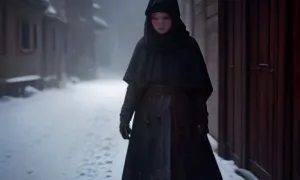
Atmosphere of the place
This atmospheric visualisation of the place and period was generated by artificial intelligence. It is not real footage of the location.
Tips from visitors
No tips yet. Be the first!
Log in and add your tip.
Sources and literature
Photos: Honzak83 / CC BY-SA 3.0 — Wikimedia Commons. The author and licence also appear when you hover over the image.
Faktickým podkladem tohoto textu byl článek na Wikipedii, jehož autory jsou přispěvatelé Wikipedie. Článek je dostupný pod licencí CC BY-SA 4.0.
Location on the map
Příběhy a pověsti
Legendy, pověsti a příběhy spjaté s touto památkou
Fotografie návštěvníků
Zatím žádné fotografie. Buďte první, kdo přidá fotografii z návštěvy!
Log in a přidejte svou fotografii nebo hodnoťte.
Za ověřenou návštěvu v aplikaci získáte víc bodů — poznáme podle GPS, že jste na místě.
Reviews and comments