



Kounicův palác Palace
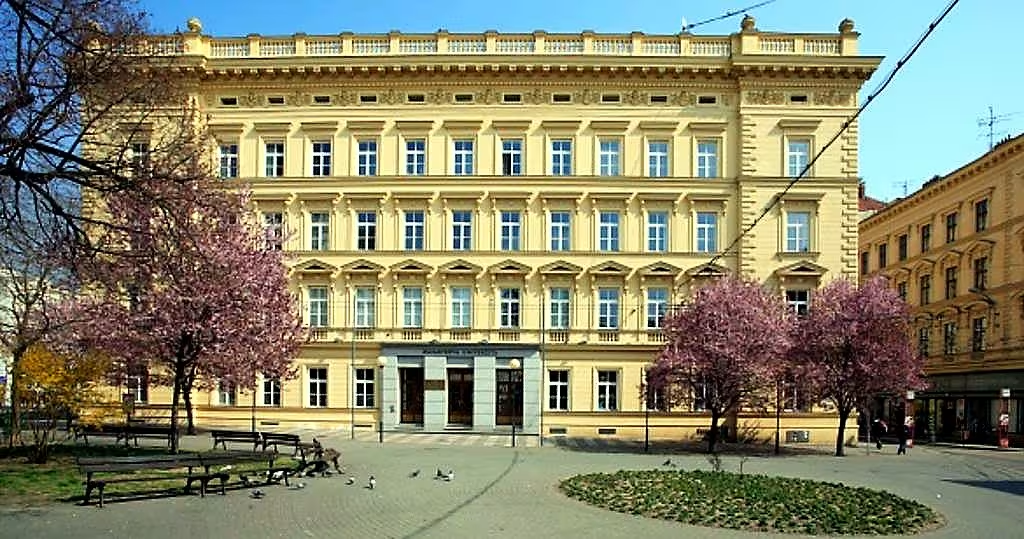
Kounicův Palác in Brno exemplifies Neo-Renaissance architecture from the late 19th century. Situated between Žerotínovo náměstí and Moravské náměstí, with Brandlová street nearby, it was constructed from 1871 to 1873 by architects Karel Exner and Josef Arnold. Originally built as a rental property for Albrecht hrabě z Kounic, the palác gained significance when Václav Robert hrabě z Kounic and his wife Josef Horova donated it in 1908 to support Czech university students. Today, it serves as the rectorate of Masaryk University.
Construction began during a time when the Czech lands were part of the Austro-Hungarian Empire, reflecting broader European Neo-Renaissance trends. Commissioned by Albrecht hrabě z Kounic as a rental property, its transformation into a student support facility occurred in 1908 when Václav Robert hrabě z Kounic donated it to Spolku Kounicovy studentské koleje Českých vysokých škol v Brně, aiding financially disadvantaged students.
Architecturally, the palác features a pentagonal floor plan with a prominent front risalit. The design includes shallow risalits and vertical plasterwork reminiscent of the Městský dvor in Brno. Notable for its intricate stucco work and sculptural decorations by Adolf Loos senior, the facade showcases alternating female and male masks within a continuous frieze. Additionally, the portals are adorned with figures of Níké, highlighting Loos's artistic contributions.
Ownership has changed significantly over time. Initially owned by Albrecht hrabě z Kounic until 1908, it was then transferred to support Czech university students under Spolku Kounicovy studentské koleje Českých vysokých škol v Brně's administration. After nationalization in 1948 following the February coup, Masaryk University assumed control. The building underwent comprehensive reconstruction between 1993 and 1994 to accommodate its current role as the university's rectorate.
Throughout its history, Kounicův Palác has been central to key events. Its donation in 1908 marked a significant contribution to Czech higher education by providing resources for students in need. In 1964, it was officially recognized as a cultural monument and registered under the state list of protected monuments. These milestones underscore its enduring importance within Brno's architectural and educational heritage.
Today, Kounicův Palác stands not only as an architectural gem but also as a functional space integral to Masaryk University. Its historical significance and aesthetic appeal make it a noteworthy destination for visitors interested in the cultural and academic history of Brno. The building remains accessible to those who wish to explore its rich past and appreciate its role in supporting generations of students. As such, Kounicův Palác is an inviting site that offers insight into both architectural innovation and educational philanthropy.
Then and now
Drag the slider to compare how the landmark may have looked when it was built with the view today.
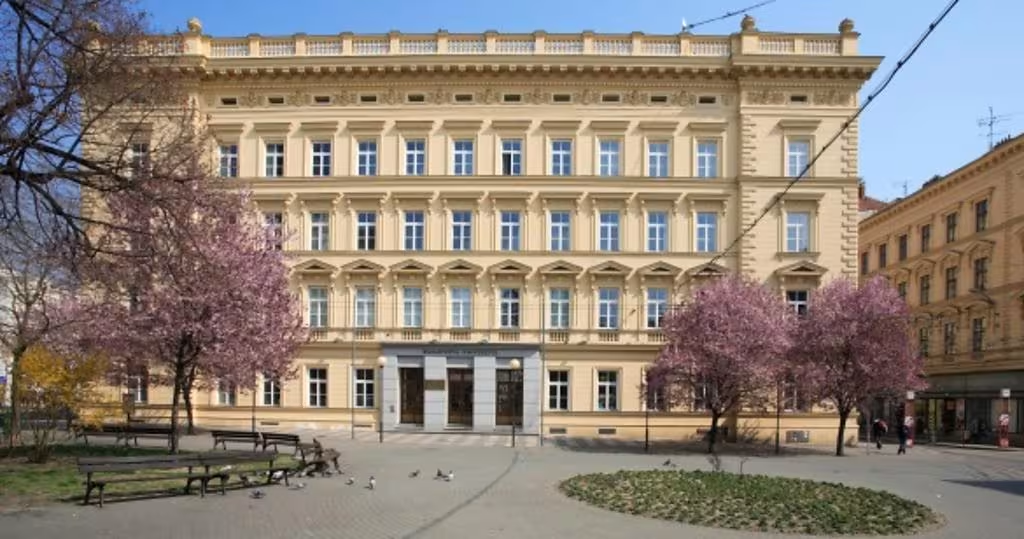

The historical appearance on the left is an AI-generated visualisation and serves as inspiration only.
Historical milestones
- 1871
- Construction of Kounicův Palác began.
- 1873
- Completion of Kounicův Palác construction.
- 1908
- Palác donated to support Czech university students.
- 1948
- Nationalization and transfer to Masaryk University control.
- 1964
- Recognized as a cultural monument.
Architectural development
Kounicův palác features a pentagonal floor plan with a prominent front risalit. The design includes shallow risalits and vertical plasterwork, reminiscent of the Městský dvor in Brno. Originally housing multiple apartments and shops, it underwent significant reconstruction between 1993 and 1994 to serve as the rectorate for Masaryk University.
Historical events
- 1871
- Construction of the Neo-Renaissance building began.
- 1908
- The palace was donated to support Czech university students by Václav Robert hrabè z Kounic and his wife Josef Horova.
- 1964
- The building was registered as a cultural monument in the state list of protected monuments.
Points of interest
- The intricate stucco work and sculptural decorations on Kounicův Palác were crafted by Adolf Loos senior, a notable artist whose contributions added significant artistic value to the building's façade.
- In 1964, Kounicův Palác was officially recognized as a cultural monument and registered under the state list of protected monuments in Czechoslovakia, highlighting its architectural and historical significance.
- After nationalization following the February coup in 1948, the palác transitioned from private ownership to become part of Masaryk University's infrastructure, reflecting broader political changes in post-war Czechoslovakia.
- The transformation of Kounicův Palác into a student support facility in 1908 was driven by Václav Robert hrabě z Kounic and his wife Josef Horova, emphasizing their commitment to supporting financially disadvantaged students at Czech universities.
- During its reconstruction between 1993 and 1994, the building underwent significant renovations to accommodate its current role as Masaryk University's rectorate, ensuring it met modern functional needs while preserving its historical features.
Guide
This guide is narrated by a synthetic voice generated by artificial intelligence.
Show guide text
This text was created by artificial intelligence and has not been editorially reviewed. It may contain inaccuracies.
Welcome to Kounicův palác, a remarkable testament to the rich architectural history of Brno-město in the Jihomoravský kraj. As you stand here, take a moment to absorb the grandeur of this Neo-Renaissance masterpiece that has stood proudly since its completion in 1873.
The story of Kounicův palác begins in the late 19th century when it was commissioned by Albrecht hrabě z Kounic. Construction commenced in 1871, and within just two years, this elegant structure emerged as a significant addition to Brno's architectural landscape. Designed by architects Karel Exner and Josef Arnold, the palác was initially intended as a rental property for Albrecht hrabè z Kounic.
As you look around, notice the intricate stucco work that adorns the façade of the building. This exquisite detail is the handiwork of Adolf Loos senior, whose sculptural decorations have added an artistic flair to this Neo-Renaissance marvel. These elements are a testament to the craftsmanship and vision that went into creating such a distinguished edifice.
The palác has played a pivotal role in supporting education over the years. In 1908, it was generously donated by Václav Robert hrabè z Kounic to aid Czech university students—a noble gesture that highlights its enduring legacy of fostering learning and culture.
Fast forward to 1948, when the building underwent nationalization, becoming part of Masaryk University's heritage. This transition marked a new chapter in the palác’s history, further cementing its place as an educational cornerstone. By 1964, Kounicův palác was officially recognized as a cultural monument, ensuring its preservation for future generations to cherish.
Now, let your curiosity guide you as you explore this historic site. Imagine the stories and lives that have unfolded within these walls over the decades. Each corner holds echoes of the past, inviting you to delve deeper into its history.
As we conclude our journey here at Kounicův palác, I invite you to continue exploring Brno’s vibrant cultural landscape. There are countless more treasures waiting to be discovered in this enchanting city. Thank you for joining me on this walk through time, and may your adventures lead you to even more fascinating discoveries.
[End of audio guide]
Tips for visitors
The best time to visit Kounicův palác is during the late spring or early fall when the weather is pleasant, allowing you to comfortably explore both the interior of the palace and its surrounding areas. These seasons offer mild temperatures and fewer crowds compared to summer, making it an ideal period for appreciating the Neo-Renaissance architecture without the hustle and bustle. Additionally, visiting during these times allows you to enjoy nearby outdoor cultural sites in optimal conditions.
It is advisable to use public transportation or park at a distance and walk to the site. The area is well-served by buses and trams, so checking for current routes and schedules via an online search will help you plan your trip efficiently.
When visiting Kounicův palác, it is recommended to bring a camera or smartphone with a good camera for capturing the intricate architectural details of the palace. Comfortable walking shoes are advisable as you may want to explore nearby historical buildings and cultural sites within a short distance. Additionally, carrying a light jacket can be useful if the weather changes unexpectedly during your visit.
For photography enthusiasts, the best spots around Kounicův palác include its front facade facing Žerotínovo náměstí, where the morning or late afternoon light accentuates the Neo-Renaissance details. The area's natural lighting conditions are ideal for capturing the intricate stonework and grandeur of the palace. Exploring Brandlová street also offers unique angles and perspectives, especially during the golden hour when shadows add depth to your photos.
Nearby attractions within a 30-minute walk include other historical buildings and cultural sites in central Brno. Visitors can explore Moravské náměstí for its architectural diversity or visit nearby museums that offer insights into the region's history and culture. These locations provide additional context and enrich your experience of Kounicův palác by showcasing more of Brno's rich heritage.
For families with children, visiting Kounicův palác can be both educational and entertaining. The palace often hosts exhibitions that are engaging for all ages, providing a glimpse into the past through interactive displays or themed events. Exploring the surrounding area allows for leisurely walks where children can enjoy the urban landscape. Additionally, nearby parks offer spaces for relaxation and play after exploring the historical sites.
Frequently asked questions
Can the monument be visited?
Some buildings of this kind are open for guided tours, others serve another purpose or are privately owned. We have not verified whether and when this monument is open – please ask the operator.
What are the opening hours and admission?
We have not verified the opening hours or admission. Current information is published by the operator.
Where is the monument?
Location: Brandlova 617/1, Brno-město, Brno, Jihomoravský kraj. The map on this page shows the exact spot.
Why is the monument protected?
It is listed in the Central List of Cultural Monuments of the Czech Republic as a cultural monument (register no. 37184/7-89).
Businesses nearby
Do you run a restaurant, accommodation, shop, museum, rental, wellness or other visitor service near this monument? Show yourself directly to the people heading to it — this is how they will see you in the app and on the web:
Events nearby


Zdroj akcí: otevřená data měst a obcí ČR (Národní katalog otevřených dat) a kalendář akcí Národního památkového ústavu.
Nearby
Kounicův palác is situated in central Brno, bordered by Žerotínovo náměstí, Moravské náměstí, and Brandlová street. The area includes other historical buildings and cultural sites within a short distance.
Accommodation nearby
Trips and activities nearby
Guided tours, tickets and activities nearby from GetYourGuide
Affiliate link: if you buy from the partner, we may receive a commission. The price for you does not change.
Search tours and activities →Themed route
Thematic Walking Tour: Kounicův Palác and Its Surroundings
1. Start at Kounicův palác**: Begin your journey at this stunning Baroque palace located in the heart of Brno. The palace, designed by renowned architect Ferdinand Maxmilián Brokoff, is a masterpiece of architecture with its intricate façade and historical significance as a former residence of the Kounic family. It's worth visiting for its beautiful interiors, including opulent rooms and art collections that reflect the grandeur of 18th-century aristocracy.
2. Explore Žerotínovo náměstí**: Just a short walk from the palace, this charming square is named after the noble Žerotín family who played a significant role in Moravian history. The area around Žerotínovo náměstí features several historical buildings that offer a glimpse into Brno's past. It’s an ideal spot to appreciate the architectural diversity and enjoy a moment of tranquility amidst the city bustle.
3. Visit Moravské náměstí**: Continue your tour by heading towards Moravské náměstí, known for its vibrant atmosphere and cultural significance. This square is surrounded by important historical sites and serves as a central hub in Brno. It's perfect for experiencing local life, with cafes and shops that invite visitors to linger and explore the area’s rich history.
4. End at Brandlová street**: Conclude your tour on Brandlová street, which connects seamlessly from Moravské náměstí back towards Kounicův palác. This street is lined with beautiful buildings and offers a picturesque walk through Brno's historic core. It’s an excellent place to reflect on the architectural beauty you’ve encountered during your tour.
This thematic walking tour provides a comprehensive exploration of Kounicův palác and its immediate surroundings, offering insights into Brno's cultural heritage and architectural splendor.
Seasonal recommendations
Spring: The arrival of spring at Kounicův Palác brings a rejuvenating atmosphere, with blooming gardens and vibrant greenery encircling the historic site. This season is ideal for exploring the lush landscapes that frame the palace, providing a picturesque backdrop to your visit. As nature awakens, visitors can enjoy the serene ambiance and the soft, natural light that enhances the architectural beauty of the palác. It's advisable to dress in layers as temperatures can fluctuate; mornings might be cool while afternoons warm up. Arriving early is recommended to avoid larger crowds that gather later in the day when the weather improves.
Summer: Summer at Kounicův Palác offers a lively and vibrant experience, with long daylight hours allowing for extended exploration of the site's historical exhibits and gardens. The palace grounds are particularly inviting during this season, as visitors can bask in the warmth while enjoying outdoor activities or simply relaxing amidst the well-maintained landscapes. This is also the peak tourist season, so expect larger crowds and plan accordingly by arriving early to secure a more peaceful experience. Comfortable walking shoes and light clothing are recommended due to the warm weather, along with sun protection like hats and sunscreen.
Autumn: Autumn transforms Kounicův Palác into an enchanting destination with its rich palette of fall colors. The changing leaves create a stunning visual spectacle that enhances the historical architecture, offering a unique perspective on the palace's beauty. This season is less crowded than summer, providing a more tranquil visit while still enjoying pleasant weather ideal for outdoor exploration. Visitors should wear warm layers to accommodate cooler temperatures and occasional rain showers. Late mornings or early afternoons are perfect times to visit when natural light beautifully illuminates the foliage.
Winter: Winter at Kounicův Palác offers a magical experience, with snow often blanketing the grounds in a serene white layer that accentuates the palace's grandeur. The cooler temperatures and shorter daylight hours create an intimate atmosphere, ideal for those seeking a quieter visit away from peak tourist times. While some outdoor areas may be less accessible due to weather conditions, the indoor exhibitions remain open, providing warmth and insight into the palác’s history. Dress warmly in layers, including hats and gloves, and plan your visit during midday when it's slightly warmer.
Visualizations and artistic views


The visualisations are generated by artificial intelligence and serve as inspiration.
Photos from the area
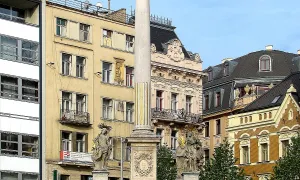
Real photos taken near the monument


Zdroj a licence jsou uvedeny u každého snímku.
Tips from visitors
No tips yet. Be the first!
Log in and add your tip.
Sources and literature
Photos: Aleš Ležatka pro MU / CC BY-SA 3.0 — Wikimedia Commons. The author and licence also appear when you hover over the image.
Faktickým podkladem tohoto textu byl článek na Wikipedii, jehož autory jsou přispěvatelé Wikipedie. Článek je dostupný pod licencí CC BY-SA 4.0.
Location on the map
Příběhy a pověsti
Legendy, pověsti a příběhy spjaté s touto památkou

Fotografie návštěvníků
Zatím žádné fotografie. Buďte první, kdo přidá fotografii z návštěvy!
Log in a přidejte svou fotografii nebo hodnoťte.
Za ověřenou návštěvu v aplikaci získáte víc bodů — poznáme podle GPS, že jste na místě.
Reviews and comments