






Lochotínský park Park
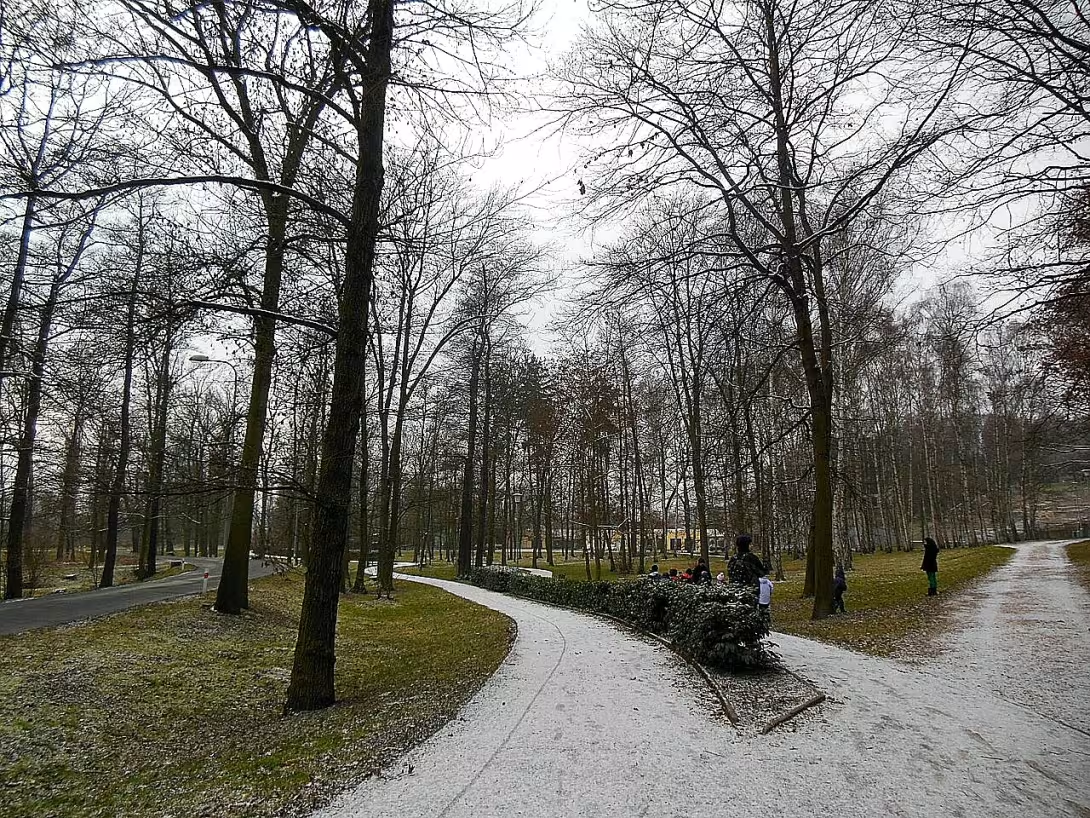
Lochotínský Park, located in Plzeň's Městský obvodu Plzeň 1, is the city's oldest park. Established as a spa center in the early 19th century, it became a hub for social gatherings and Czech patriotic activities at its peak. The park is notable not only for its historical significance but also for having hosted prominent figures such as Bedřich Smetana and Josef Kajetán Tyl. Today, Lochotínský Park stands as a protected landscape area, recognized for its natural and cultural heritage.
The origins of Lochotínský Park trace back to 1828 when Martin Kopecký became the last royal mayor of Plzeň. Under his leadership, along with his associates, an okrašlovací akciová společnost was established to develop a spa complex on Lochotín, marking it as the first of its kind in Bohemia. By 1832, construction began to transform the area into a park equipped with spa facilities. The initiative received support from notable figures such as nejvyšší purkrabí českého království hrabě Karel Chotek, who contributed to acquiring the land for this project. By 1841, just a year after Prague, Lochotínský Park hosted its first Czech ball in Plzeň, underscoring its role as a center of social and national life.
Architecturally, Lochotínský Park underwent significant development starting from 1832 with the construction of spa facilities. A notable addition was the Císařský sál, built between 1888-89 by architect Klotz, which featured modern gas lighting and excellent acoustics. Over time, various architectural changes occurred until its decline post-World War II when it served different purposes including as a lazaret for the German army.
Ownership of Lochotínský Park changed hands in 1849 when the spa complex was sold to Měšťanské pivovaru. They managed the site successfully until nationalization in the mid-20th century. The park's fortunes fluctuated over time, reflecting broader historical changes and economic challenges.
Key events at Lochotínský Park include its establishment as a social hub with Czech patriotic undertones during the 19th century. It hosted significant cultural activities such as the first Czech ball in Plzeň in 1841 and later became home to a purely Czech library and periodical reading room by 1844. The introduction of an electric tramway in 1899 marked a technological advancement, enhancing accessibility to the park.
Today, Lochotínský Park is recognized as a protected landscape area since 1984, reflecting its natural and cultural importance. It is part of the urban heritage zone of Lochotín and registered as a significant landscape element. While much of its former grandeur has faded, remnants such as the Lochotínský pavilon and Chotek's modernized bench remain. The park is accessible via notable paths like the Kilometrovka and Lochotínská alej.
Lochotínský Park offers a unique glimpse into Plzeň’s historical and cultural evolution, making it a worthwhile visit for those interested in history and heritage. Its blend of natural beauty and rich past invites visitors to explore its tranquil paths and reflect on the vibrant social life that once thrived within its bounds.
Then and now
Drag the slider to compare how the landmark may have looked when it was built with the view today.
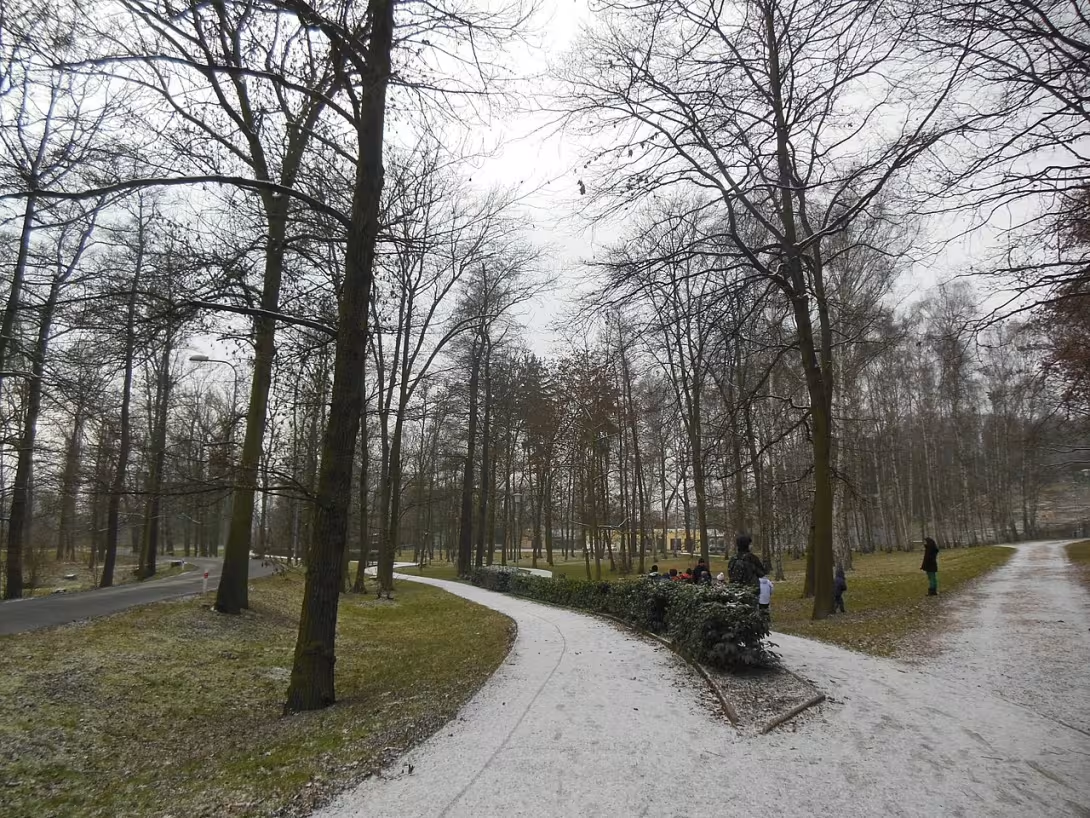
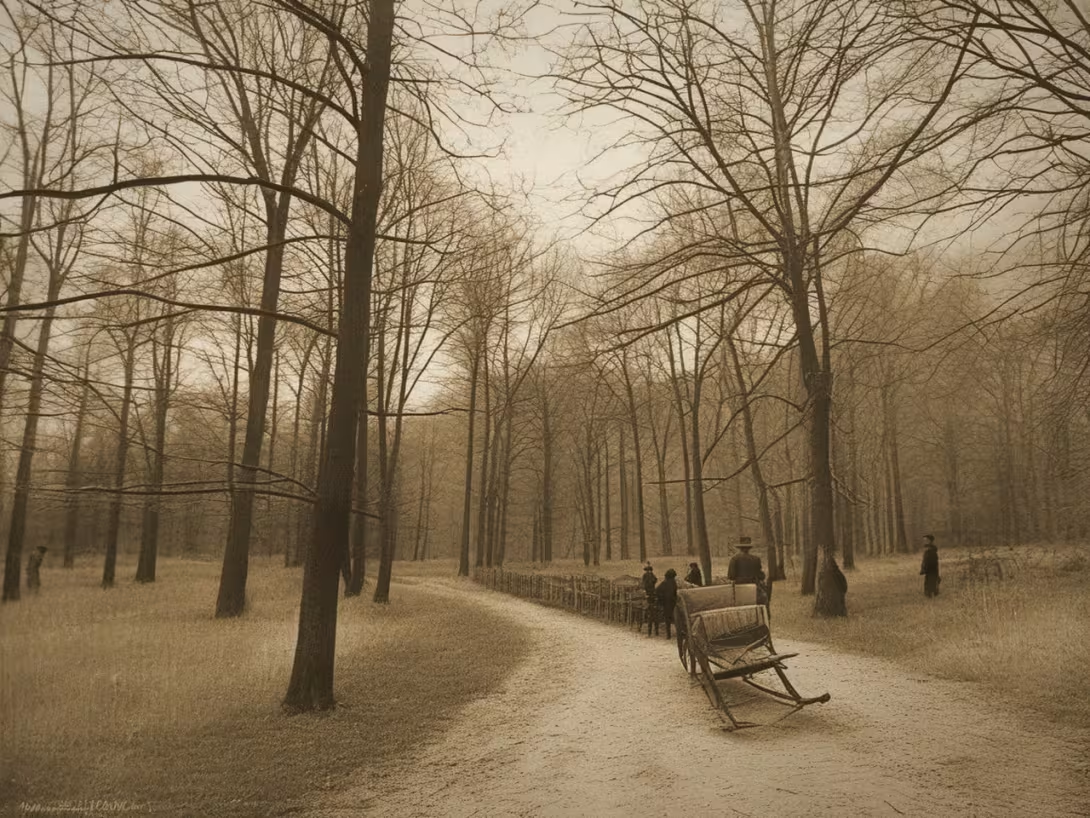
The historical appearance on the left is an AI-generated visualisation and serves as inspiration only.
Historical milestones
- 1828
- Martin Kopecký became the last royal mayor of Plzeň.
- 1832
- Construction began on transforming the area into a park with spa facilities.
- 1841
- The first Czech ball in Plzeň was held here.
- 1984
- The site was declared a protected landscape area.
Architectural development
Lochotínský park underwent significant development starting in 1832 with spa facilities and social venues. The Císařský sál, added between 1888-89 by architect Klotz, featured modern gas lighting and excellent acoustics. Over time, the area saw various architectural changes until its decline post-World War II.
Historical events
In 1828, Martin Kopecký became the last royal mayor of Plzeň and initiated the development of the spa complex.
By 1832, construction began on transforming the area into a park with spa facilities.
The first Czech ball in Plzeň was held here in 1841, shortly after Prague.
In 1984, the site was declared a protected landscape area.
Owners
Initially developed by Martin Kopecký and his associates in the early 19th century, the spa complex was later sold to Měšťanské pivovaru in 1849. It remained under their management until nationalization in the mid-20th century.
Points of interest
- Lochotínský Park was the site of the first Czech ball in Plzeň, held in 1841, highlighting its early role as a center for Czech national and cultural life. - The park's Císařský sál, constructed between 1888-89 by architect Klotz, featured modern innovations such as gas lighting and excellent acoustics, making it a notable architectural achievement of the time. - After World War II, Lochotínský Park was repurposed as a lazaret for the German army before transitioning through various ownerships, reflecting its adaptability to changing historical circumstances.
Guide
This guide is narrated by a synthetic voice generated by artificial intelligence.
Show guide text
This text was created by artificial intelligence and has not been editorially reviewed. It may contain inaccuracies.
Welcome to Lochotínský park, a cherished oasis nestled in the heart of Plzeň. As you stand here, take a moment to soak in the serene ambiance that surrounds you. The lush greenery and gentle rustle of leaves create an inviting atmosphere, beckoning you into its historical embrace.
Let's delve into the origins of this remarkable park. Established in 1832 as a spa center, Lochotínský park was conceived during a time when Plzeň sought to enhance its appeal with leisurely and health-focused amenities. The transformation began under the guidance of Martin Kopecký, who served as the last royal mayor of Plzeň until 1828. This period marked an era of development and cultural flourishing for the city.
As you wander through this verdant landscape, imagine the vibrant gatherings that once took place here. In 1841, Lochotínský park hosted the first Czech ball in Plzeň, a significant event highlighting its role as a hub for national pride and cultural expression. It was a time when figures like Bedřich Smetana and Josef Kajetán Tyl frequented this space, contributing to its rich tapestry of history.
Now, direct your attention to the Císařský sál, an architectural gem constructed between 1888-89 by architect Klotz. The hall is notable for its modern innovations at the time, such as gas lighting and excellent acoustics, which made it a sought-after venue for events. While you may not see these features in their original form today, the legacy of innovation continues to inspire.
Throughout its history, Lochotínský park has been intertwined with key figures who left an indelible mark on Czech culture. Martin Kopecký's leadership laid the groundwork for Plzeň's development, while Bedřich Smetana and Josef Kajetán Tyl enriched it with their artistic and literary contributions.
One intriguing aspect of this park is its evolution into a protected landscape area in 1984, underscoring its historical significance. This designation ensures that future generations can appreciate the beauty and heritage preserved here.
As we conclude our journey through Lochotínský park, I invite you to explore further and immerse yourself in its tranquil surroundings. Each path offers new discoveries and stories waiting to be uncovered. Thank you for joining me on this exploration of a place where history and nature beautifully intertwine. Enjoy your visit!
Tips for visitors
Lochotínský park is best visited during the spring and early autumn months when the weather is mild, and the park's natural beauty is at its peak. During this time, you can enjoy pleasant temperatures that are ideal for leisurely walks or picnics amidst the lush greenery. Additionally, visiting in these seasons allows you to experience local events and activities often organized in the park.
Parking near Lochotínský park can be limited due to its urban location. It is advisable to use public transportation if possible, as it provides convenient access to the area. For those driving, look for nearby parking options or consider using a parking app to find available spaces. Always check current transport routes and schedules in advance to ensure smooth travel.
When visiting Lochotínský park, bring comfortable walking shoes suitable for exploring outdoor areas. A light jacket is recommended as the weather can be unpredictable, especially during early mornings or evenings. Don't forget a water bottle to stay hydrated while enjoying your time outdoors. If you plan on having a picnic, consider bringing a blanket and some snacks.
For photography enthusiasts, Lochotínský park offers several picturesque spots, particularly around the remnants of its former grandeur like the pavilion. The best light for capturing stunning images is during the golden hours—shortly after sunrise or before sunset—when the sunlight creates soft shadows and warm tones. Additionally, try to capture the historical elements that add character to the park.
In addition to exploring Lochotínský park itself, consider visiting nearby attractions within a 30-minute radius for a well-rounded experience. The urban heritage zone of Lochotín offers an intriguing glimpse into the area's history and architecture. Families with children may also enjoy taking a short trip to local playgrounds or family-friendly cafes in the vicinity.
Businesses nearby
Do you run a restaurant, accommodation, shop, museum, rental, wellness or other visitor service near this monument? Show yourself directly to the people heading to it — this is how they will see you in the app and on the web:
Nearby
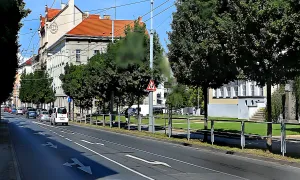
Surrounding Lochotínský park are remnants of its former grandeur, including a pavilion used for spa procedures and social events. The area is part of the urban heritage zone of Lochotín.
Accommodation nearby
Trips and activities nearby
Guided tours, tickets and activities nearby from GetYourGuide
Affiliate link: if you buy from the partner, we may receive a commission. The price for you does not change.
Search tours and activities →Themed route
Thematic Walking Tour: Exploring the Heritage of Lochotín
1. Lochotínský Park (Park) Begin your journey at the heart of Lochotín's historical charm, the Lochotínský park. This urban heritage zone offers a glimpse into the area's past grandeur. The park is an ideal starting point for exploring its lush landscapes and historical remnants.
2. Spa Pavilion (Historical Structure) A short walk from the main entrance of the park, you'll find the Spa Pavilion, a structure that once served as a hub for spa treatments and social gatherings. This pavilion stands as a testament to Lochotín's vibrant past, inviting visitors to imagine the lively events it hosted.
3. Lochotínský Park - Remnants of Grandeur (Historical Site) Continue your exploration within the park itself by visiting various remnants that highlight its former elegance. These sites offer insight into the architectural and cultural history of Lochotín, making them essential stops for understanding the area's evolution.
4. Lochotínský Park - Urban Heritage Zone (Cultural Site) As you wander through the park, immerse yourself in the urban heritage zone. This section showcases how the park has been preserved as part of Lochotín’s cultural legacy. It's a perfect spot to reflect on the blend of nature and history that defines this unique area.
5. Lochotínský Park - Social Event Spaces (Historical Site) Conclude your tour by visiting areas within the park that were once used for social events. These spaces provide a narrative on how community life thrived in Lochotín, offering visitors a chance to connect with the area's rich social history.
This thematic walking tour offers an engaging journey through the historical and cultural layers of Lochotínský park, providing insights into its past while enjoying its serene environment.
Seasonal recommendations
Spring: Lochotínský park in spring offers visitors an exciting view of blooming shrubs and trees coming to life with new colors. The sunlight enhances the beauty of the park with its elegant architecture and expansive gardens. It's best to visit after the first significant snowmelt when paths are sufficiently dry. Arrive early in the day to enjoy a peaceful moment before crowds increase. Wooden shoes and a warm coat are recommended due to possible early spring chills.
Summer: Summer at Lochotínský park brings long, sunny days ideal for relaxing on green meadows and strolling under the shade of ancient trees. During peak summer season, the park can become popular among locals and tourists alike, so it's advisable to come earlier in the evening or early morning for a more peaceful experience. Due to warm temperatures, lightweight clothing and sun protection such as hats and sunglasses are recommended.
Autumn: Autumn at Lochotínský park offers visitors views of trees with colorful foliage that gradually changes into vibrant hues. The atmosphere is calmer, and nature provides unforgettable landscapes for photography. During this period, the park remains sufficiently visited but with somewhat smaller crowds than in summer. Wooden shoes and warm sweaters are suitable for chilly autumn mornings and evenings.
Winter: Winter brings Lochotínský park into a quieter atmosphere where garden architecture is highlighted by snow and ice. The winter sunlight illuminates the park differently from other seasons, offering unique photographic opportunities. Some areas of the park may have limited access due to snowy conditions during winter, so it's important to check beforehand. Warm clothing and wind protection are essential, as well as suitable boots for cold surfaces.
Visualizations and artistic views


The visualisations are generated by artificial intelligence and serve as inspiration.
Photos from the area
Real photos taken near the monument

Zdroj a licence jsou uvedeny u každého snímku.
Atmosphere of the place
This atmospheric visualisation of the place and period was generated by artificial intelligence. It is not real footage of the location.
Tips from visitors
No tips yet. Be the first!
Log in and add your tip.
Sources and literature
Fotografie: PatrikPaprika / CC BY-SA 3.0 — Wikimedia Commons. The author and licence also appear when you hover over the image.
Faktickým podkladem tohoto textu byl článek na Wikipedii, jehož autory jsou přispěvatelé Wikipedie. Článek je dostupný pod licencí CC BY-SA 4.0.
Location on the map
More monuments – Plzeň
Show all in the municipality

Příběhy a pověsti
Legendy, pověsti a příběhy spjaté s touto památkou

Fotografie návštěvníků
Zatím žádné fotografie. Buďte první, kdo přidá fotografii z návštěvy!
Přihlaste se a přidejte svou fotografii nebo hodnoťte.
Za ověřenou návštěvu v aplikaci získáte víc bodů — poznáme podle GPS, že jste na místě.
Reviews and comments