






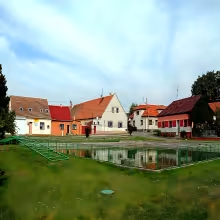
Medlice is a medieval castle ruin located in Hořejší Kunčice village within the Jakartovice district of Moravskoslezský kraj, Czech Republic. This historical site first appeared in records between 1249 and 1320, marking it as an important relic from when Bohemia was part of the Holy Roman Empire during significant feudal changes. The castle's history is notable for its transition through various noble families and its eventual abandonment by 1561.
The origins of Medlice are somewhat obscure, but historical sources suggest documentation between 1249 and 1320. A knight named Ludvík z Medlic was mentioned as early as 1249, indicating a settlement or fortification at that time. By around 1320, Zdeslav ze Štenberka secured the fief for his family, marking its association with notable noble lineages.
Architecturally, specific details about Medlice's design remain largely undocumented. However, it is assumed to have featured typical medieval fortifications. By the 19th century, only remnants such as two tower foundations and some walls were visible, which locals repurposed for building materials. A writer in 1839 noted these remnants included possibly a well or round tower.
Ownership of Medlice transitioned through several noble families over time. Initially serving as a bishop's fiefdom, it later came under the control of Albert I. ze Štenberka and his son Zdeslav around 1320-1325. Following Zdeslav, ownership passed to Albrecht Aleš and then Petr ze Šternberka. After Petr's death in 1397, the castle frequently changed hands until it was acquired by the Kravařs and Dubé families.
Key events associated with Medlice include its first documented mention between 1249 and 1320 and Zdeslav ze Štenberka securing the fief around 1320-1325. The site's abandonment by 1561 marks a significant point in its history, leading to its eventual ruin.
Today, Medlice stands as a testament to the region's medieval past. Located near the Moravice River valley, the surrounding landscape is now used for agriculture. Although only remnants of the castle remain, these foundations offer insight into architectural practices and feudal dynamics of the time. The site's historical significance and its connection to various noble families make it an intriguing destination for those interested in exploring medieval history.
Visiting Medlice provides a unique opportunity to connect with the region's rich past. While only fragments of the original structure remain, these ruins offer a tangible link to the lives and legacies of those who once inhabited this area. For history enthusiasts and curious travelers alike, Medlice is a worthwhile destination that invites exploration and reflection on its storied past.
Historical milestones
- 1249-1320
- First mention of Medlice in historical records.
- c. 1320-1325
- Zdeslav ze Štenberka acquires a fief for his family.
- 1397
- The death of Petr ze Šternberka, after which Medlice frequently changes owners.
- 1561
- Medlice is abandoned and begins its decline.
Architectural development
Medlice's architectural development remains largely undocumented, but it likely featured typical medieval fortifications. By the 19th century, only two tower foundations and some walls were visible, repurposed for local construction.
Historical events
First documented mention between 1249 and 1320
Ownership transitioned to Albert I. ze Štenberka
Zdeslav secured the fief for his family around 1320-1325
The castle was abandoned by 1561
Owners
Initially a bishop's fiefdom, it later belonged to Albert I. ze Štenberka, then his son Zdeslav, followed by Albrecht Aleš and Petr ze Šternberka. After Petr's death in 1397, ownership frequently changed until the Kravařs and Dubé families acquired it.
Points of interest
- Despite its medieval origins, Medlice's architectural specifics remain largely undocumented; however, it is believed to have featured typical fortifications of the era, such as towers and defensive walls.
- The castle was repurposed by locals in the 19th century, who used remnants like tower foundations for building materials, demonstrating a practical adaptation to its ruins.
- A writer in 1839 described possible features of Medlice's remains, including what might have been a well or round tower, highlighting the site's enduring mystery and intrigue.
Guide
Show guide text
Welcome to the historic site of Medlice, a captivating medieval castle ruin nestled in the village of Hořejší Kunčice within the Jakartovice district. As you stand here, imagine yourself transported back through time to an era where stone walls whispered tales of nobility and intrigue.
The origins of Medlice remain shrouded in mystery, with its first documented mention dating between 1249 and 1320. Initially serving as a bishop's fiefdom, it became entwined with the lives of several noble families, including the Šternberks and Kravařs. This rich tapestry of history is evident even now, in the remnants that stand before you.
Take a moment to observe your surroundings—the scattered foundations hint at what was once a formidable structure. While specific architectural details are largely undocumented, it's believed Medlice featured typical medieval fortifications such as towers and defensive walls. These elements were essential for protection and asserting dominance during tumultuous times.
As we delve deeper into its history, several key figures emerge who shaped the castle’s legacy. Zdeslav ze Štenberka acquired the fiefdom around 1320-1325, marking the beginning of a series of ownership changes that followed after Petr ze Šternberka's death in 1397. Notably, Ludvík z Medlic and Janáč (Jenč) were among those who left their mark on this site.
One intriguing aspect of Medlice is its transformation over the centuries. By the 19th century, locals repurposed parts of the ruins, such as using remnants from towers for other constructions—a testament to the enduring influence of history on everyday life.
As you continue your exploration, let your imagination wander and consider what stories these silent stones might tell if they could speak. Medlice is not just a relic of the past; it's an invitation to journey through time and uncover the layers of human endeavor that have shaped this land.
Thank you for joining us on this historical tour. We encourage you to explore further, perhaps wandering through Hořejší Kunčice or delving into more tales of Moravian history. Until next time, may your curiosity lead you to many more fascinating discoveries.
Tips for visitors
The best time to visit the ruins of Medlice is during late spring or early autumn when the weather is mild, and the surrounding landscape is lush with greenery. This period offers a pleasant climate for exploring outdoor sites without the summer crowds or winter chill. Additionally, these seasons provide beautiful natural lighting conditions ideal for photography.
Parking near Medlice can be found in the vicinity of Hořejší Kunčice, though space may be limited due to agricultural use of the surrounding land. Public transport options are available; you should check current routes and schedules online or at local tourist information centers before your visit. This ensures a smooth journey to the site.
When visiting Medlice, it's advisable to bring comfortable walking shoes as the terrain can be uneven. A hat, sunscreen, and water are also recommended due to potential exposure to sun while exploring the ruins. For those interested in photography, consider bringing a camera with a zoom lens to capture detailed shots of the castle walls.
For capturing stunning photographs at Medlice, early morning or late afternoon light is ideal as it creates dramatic shadows and highlights on the ancient stones. The best spots for photography are from the higher ground around the ruins where you can get an expansive view of the valley and the remnants of the castle. Families with children should be prepared for a bit of exploration; there's plenty to see in terms of historical architecture, making it both educational and entertaining.
Nearby attractions within 30 minutes include the picturesque Moravice River valley, perfect for a scenic walk or picnic. The area is rich in natural beauty and offers opportunities for leisurely outdoor activities. Families can enjoy exploring local trails and learning about the region's history.
Businesses nearby
Do you run a restaurant, accommodation, shop, museum, rental, wellness or other visitor service near this monument? Show yourself directly to the people heading to it — this is how they will see you in the app and on the web:
Nearby
Medlice is situated near the Moravice River valley, with its surrounding landscape now used for agriculture. The area once hosted a German-speaking village that vanished post-World War II.
Accommodation nearby
Themed route
Thematic Walking Tour: The Echoes of Medlice
1. Medlice Castle Ruins *Type:* Historical Site *Why Visit:* Begin your journey at the captivating ruins of Medlice, a silent witness to centuries of history nestled in the valley near the Moravice River. These remnants tell the tale of a once-thriving German-speaking village that disappeared after World War II, offering a poignant reflection on change and memory.
2. Moravice River Valley *Type:* Natural Landscape *Why Visit:* Stroll along the serene banks of the Moravice River valley, which cradles the ruins of Medlice. This picturesque setting is now primarily used for agriculture but retains its historical charm. The gentle flow of the river and the surrounding fields provide a tranquil backdrop that invites contemplation on the passage of time.
3. Agricultural Fields *Type:* Cultural Landscape *Why Visit:* Explore the agricultural fields that blanket the area around Medlice, where the echoes of past lives are interwoven with modern farming practices. These lands serve as a living testament to the region's transformation and resilience, offering insights into how local communities have adapted over time.
This thematic tour offers a journey through history and nature, connecting visitors with the layered stories of Medlice and its surroundings.
Seasonal recommendations
Spring: The arrival of spring at the Medlice ruin in Hořejší Kunčice brings a refreshing transformation as nature reawakens around this historical site. The gentle warmth and longer days allow for lush greenery to envelop the ruins, creating an idyllic backdrop that enhances their ancient charm. Wildflowers may begin to bloom, adding vibrant splashes of color against the crumbling stone walls. This season offers a serene atmosphere with fewer visitors compared to summer, making it ideal for those seeking tranquility and uninterrupted exploration. Visitors should wear comfortable layers as temperatures can be mild but unpredictable; bringing an umbrella is wise due to potential spring showers.
Summer: Summer at Medlice is characterized by vibrant daylight that illuminates the ruins, casting dramatic shadows and highlighting intricate details of the structure. The lush surroundings are in full bloom, with dense foliage providing a picturesque setting for photography or leisurely strolls around the site. This season sees the highest number of visitors, as families and tourists flock to enjoy the outdoors during school holidays. To avoid crowds, it's best to arrive early in the morning. Sun protection is essential; wear light clothing, sunglasses, and apply sunscreen regularly. Staying hydrated is also crucial, so bring plenty of water.
Autumn: Autumn at Medlice offers a stunning display of changing foliage, with vibrant reds, oranges, and yellows transforming the landscape into a painterly scene. The cooler temperatures create a crisp atmosphere that enhances the historical ambiance of the ruins. This season attracts visitors who appreciate nature's beauty, though crowds are generally lighter than in summer. Layered clothing is recommended to accommodate fluctuating temperatures throughout the day. Carrying a light jacket or sweater can be beneficial as evenings tend to cool down quickly.
Winter: Winter brings a unique and mystical atmosphere to Medlice, with snow potentially covering the ruins and creating a picturesque scene reminiscent of an ancient fairy tale. The shorter days mean that the site is often shrouded in soft morning light or dramatic evening twilight, offering a different perspective on its historical significance. While visitor numbers are at their lowest during this season, it's important to be prepared for cold weather conditions. Dress warmly in layers and wear sturdy boots with good grip due to potentially icy paths. The site may have limited access depending on snowfall, so checking ahead is advisable.
Visualizations and artistic views

Vizualizace jsou generovány umělou inteligencí a slouží jako inspirace.
Tips from visitors
No tips yet. Be the first!
Log in and add your tip.





Reviews and comments