



Městská památková rezervace Brno Other
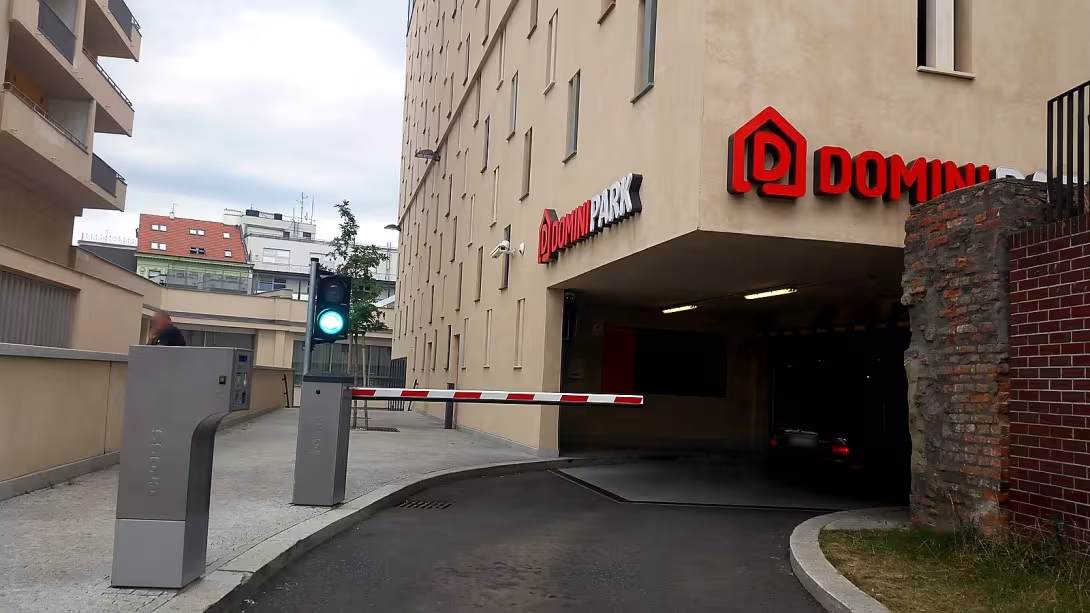
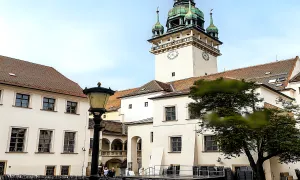
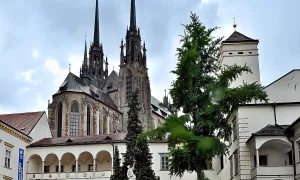
Městská památková rezervace Brno is a protected heritage area in Brno, Czech Republic. Established in 1989, it includes the entire historical center of Brno and extends into parts of Staré Brno and Veveří. This reserve features seven national cultural monuments such as Špilberk Castle, St. Peter and Paul Cathedral at Petrov Hill, and the Old Town Hall. The area showcases a rich architectural history with styles ranging from Gothic to Secessionist, reflecting the city's evolution over centuries.
The establishment of Městská památková rezervace Brno in June 1989 was a significant decision by Czechoslovakia’s government during a period of political change leading up to the Velvet Revolution. This influenced cultural and historical preservation efforts across the country. The reserve's creation aimed to protect and celebrate Brno's extensive architectural heritage for future generations.
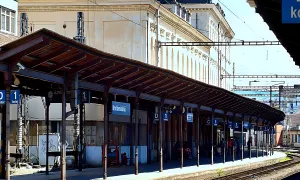
Architecturally, Městská památková rezervace Brno features diverse styles reflecting different eras in the city’s development. Medieval structures, particularly Gothic architecture around Zelný trh and Minoritské street, are present. However, much of the area underwent extensive rebuilding at the turn of the 19th and 20th centuries. This period saw the rise of historicist and secessionist buildings influenced by Vienna’s urban planning trends. Notable examples include the main train station in Secessionist style and several historicist structures around Šilingrové náměstí.
Throughout its history, Brno has experienced dramatic architectural transformations. In the early 20th century, the city's architecture was significantly influenced by Vienna, leading to a proliferation of historicist and secessionist buildings. This transformation resulted in many original medieval townhouses being replaced; today, only about one-fifth remain. The influence of Vienna is evident not just in architectural styles but also in urban planning approaches that shaped the city’s modern landscape.
Key events within Městská památková rezervace Brno include its establishment as a protected area and subsequent preservation efforts for its national cultural monuments. These efforts have ensured that significant structures like Špilberk Castle, St. Peter and Paul Cathedral, and the Old Town Hall remain integral parts of Brno's historical narrative. The reserve also includes modern architectural examples such as Hotel Avion and Nádražní pošta, reflecting the city’s evolution into the 20th century.
Today, Městská památková rezervace Brno stands as a testament to the city's rich history and cultural heritage. It is accessible to visitors who wish to explore its diverse architectural styles and historical significance. The area offers a unique glimpse into the past while showcasing how Brno has adapted and evolved over time. For those interested in architecture, history, or simply experiencing the charm of a historic European city, Městská památková rezervace Brno is undoubtedly worth visiting.
The value of Městská památková rezervace Brno lies not only in its architectural beauty but also in its ability to connect visitors with the historical and cultural narratives that have shaped the city. It invites exploration and appreciation, offering a journey through time within the heart of Brno. Whether you are an architecture enthusiast or simply curious about history, this heritage area promises a rewarding experience.
Then and now
Drag the slider to compare how the landmark may have looked when it was built with the view today.

The historical appearance on the left is an AI-generated visualisation and serves as inspiration only.
Architectural development
The historical core of Městská památková rezervace Brno features a mix of medieval and modern architecture. The area saw extensive rebuilding at the turn of the 19th and 20th centuries, with many original structures replaced by historicist and secessionist buildings. Notable architectural styles include Gothic in Zelný trh and Secessionist exemplified by the main train station building.
Historical events
The reserve was established in June 1989 by the government of Czechoslovakia.
In the early 20th century, Brno underwent significant architectural transformation influenced by Vienna, leading to the development of historicist and secessionist buildings.
Points of interest
- The establishment of Městská památková rezervace Brno in 1989 coincided with a period of significant political change in Czechoslovakia, just before the Velvet Revolution. This timing reflects how cultural preservation became intertwined with broader societal transformations.
- While Špilberk Castle is one of the most prominent landmarks within Městská památková rezervace Brno, it has a unique history as a fortress, prison, and now museum, showcasing its multifaceted role in Brno’s past.
- The Old Town Hall in Brno features a distinctive astronomical clock, which is one of the few remaining examples from the medieval period. This clock not only tells time but also displays intricate astrological information, reflecting the historical interest in astronomy.
- Despite extensive rebuilding at the turn of the 19th and 20th centuries, some original medieval structures survived in Brno. These include parts of Zelný trh and Minoritské street, which now stand as rare examples of Gothic architecture amidst newer styles.
- The influence of Vienna on Brno's architectural landscape led to a unique blend of historicist and secessionist buildings, particularly evident around Šilingrové náměstí. This reflects the broader Austro-Hungarian cultural impact on the region during that era.
Guide
This guide is narrated by a synthetic voice generated by artificial intelligence.
Show guide text
This text was created by artificial intelligence and has not been editorially reviewed. It may contain inaccuracies.
The Brno City Heritage Reservation protects the entire historical centre of the Moravian metropolis. It is located in the Brno-střed district and to a lesser extent also extends into Staré Brno and Veveří. It was established in June nineteen eighty-nine based on a government resolution of the then Czechoslovak Socialist Republic. It is listed in the Central Register of Cultural Monuments under number ten forty-nine.
In addition to the historical core, the reservation includes part of Staré Brno in the area around Pekařská and Pellicova streets, together with the Starobrněnský Monastery. On the Veveří side, it includes the area around the Grain Market as far as Gorkého Street.
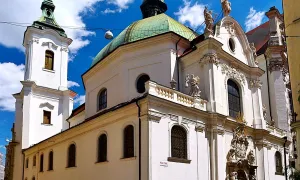
Within the reservation, you can find seven national cultural monuments. These are Špilberk Castle and Fortress, Petrov with the Cathedral of Saint Peter and Paul, the Church of Saint James, the Avion Hotel, the Starobrněnský Monastery, the Old Town Hall, and also the painting Madonna from Veveří.
Medieval and early modern buildings have been preserved in the centre in smaller numbers than one might expect. Gothic buildings are found mainly on the Zelný trh and in its surroundings, further around Minoritská Street, and only occasionally in the rest of the centre. Of the original five hundred historical burgher houses, only one fifth remains standing. Most of them were lost during the great reconstruction of Brno at the turn of the nineteenth and twentieth centuries.
It was precisely then that most of today's buildings were created, namely structures in the style of historicism and art nouveau. Brno was transforming after the model of Vienna, with which it was very closely connected. An example of an art nouveau building is the main railway station. Valuable classical houses stand on Šilingrovo Square and in other parts of the centre.
The First Republic brought another significant transformation. It was then that functionalism flourished in Brno and the city's character changed again. Some of its buildings lie directly in the reservation. These include the Avion Hotel, the Railway Post Office, and the Centrum department store.
Tips for visitors
These seasons offer pleasant temperatures and fewer crowds compared to summer, enhancing your experience as you stroll through the historical center. Additionally, visiting in these months allows you to see the city's parks and gardens in bloom or enjoy their autumnal colors.
Public transportation is highly recommended as it provides convenient access to various parts of the historical center. Always check current routes and schedules online or via local transit apps.
A light jacket is also recommended since weather can change quickly, especially in the spring or fall. Don't forget a camera or smartphone for capturing the beautiful architecture and vibrant street life. Additionally, carrying water and snacks will keep you refreshed during your exploration.
Early morning or late afternoon is ideal for soft lighting that highlights the city's historic buildings. Key locations include the Old Town Hall with its distinctive tower and the Cathedral of St. Peter and Paul, which provides stunning views over the city. The Moravian Gallery in Kounic Palace also presents unique architectural details worth capturing.
Another nearby site is the Villa Tugendhat, a UNESCO World Heritage Site known for its modernist architecture. For families with children, the Brno Zoo provides an enjoyable outing with a variety of animal exhibits in a natural setting.
Frequently asked questions
Can the monument be visited?
We have not verified whether this monument is accessible. Please ask the owner or operator, or the local municipal office.
Where is the monument?
Location: Brno-město, Jihomoravský kraj. The map on this page shows the exact spot.
Why is the monument protected?
It is listed in the Central List of Cultural Monuments of the Czech Republic as a cultural monument (register no. 1000084259).
Businesses nearby
Do you run a restaurant, accommodation, shop, museum, rental, wellness or other visitor service near this monument? Show yourself directly to the people heading to it — this is how they will see you in the app and on the web:
Events nearby


Zdroj akcí: otevřená data měst a obcí ČR (Národní katalog otevřených dat) a kalendář akcí Národního památkového ústavu.
Accommodation nearby
Trips and activities nearby
Guided tours, tickets and activities nearby from GetYourGuide
Affiliate link: if you buy from the partner, we may receive a commission. The price for you does not change.
Search tours and activities →Themed route
Trasa: Brno Heritage Reserve and Surroundings
1. Městská památková rezervace Brno (hlavní cíl) Typ: historical city center Proč stojí za návštěvu: This historic city center is full of baroque and renaissance buildings that bear witness to the rich history of Brno. You can stroll through its narrow streets and explore its architectural landmarks.
2. Kostel svatého Jakuba (0,5 km) Typ: church Proč stojí za návštěvu: This Gothic church is a significant architectural landmark of Brno and is worth visiting for its historical value and beautiful architecture.
3. Spilberk (1 km) Typ: castle Proč stojí za návštěvu: This castle, which stands on a hill above Brno, offers a stunning view of the city and its surroundings. You can also walk along its historic ramparts and explore its exhibitions.
4. Špilberk (park) (1 km) Typ: park Proč stojí za návštěvu: This park, located near Spilberk Castle, offers a pleasant place to sit and beautiful views of the city. You can also stroll along its paths and explore its sculptural works.
Seasonal recommendations
Jaro
The atmosphere is full of life and fertility, as nature awakens from its winter slumber and trees turn green. Lighting is also unique during this season, with sunlight reflecting off freshly green leaves, creating pleasant contrasts.
We recommend visiting early in the morning or late afternoon to avoid crowds of tourists. Don't forget to wear comfortable shoes and clothing for easy walking on paths and terraces.
Léto
The peak summer season is full of life and energy, with the city bustling with tourists and guests. Lighting is also unique during this time, as sunlight reflects off historic buildings, creating pleasant contrasts.
Practical tips: We recommend visiting early in the morning or late afternoon to avoid crowds of tourists. Don't forget comfortable shoes and clothing for easy walking on paths and terraces. Also remember that in summer, terraces and cafes are open where you can relax and enjoy the atmosphere.
Podzim
The atmosphere is full of calmness and wonder as nature changes into autumn colors. Lighting is also unique during this time, with sunlight reflecting off autumn leaves, creating pleasant contrasts.
Practical tips: We recommend visiting early in the morning or late afternoon to avoid crowds of tourists. Don't forget comfortable shoes and clothing for easy walking on paths and terraces. Also remember that during the fall season, terraces and cafes are open where you can relax and enjoy the atmosphere.
Zima
The atmosphere is full of calmness and wonder as nature becomes snow-covered. Lighting is also unique during this time, with Christmas lights illuminating and creating pleasant contrasts.
Practical tips: We recommend visiting early in the morning or late afternoon to avoid crowds of tourists. Don't forget warm clothing and comfortable shoes for easy walking on paths and terraces.
Visualizations and artistic views


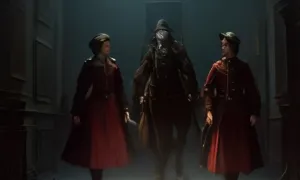
The visualisations are generated by artificial intelligence and serve as inspiration.
Photos from the area
Real photos taken near the monument

Zdroj a licence jsou uvedeny u každého snímku.
Tips from visitors
No tips yet. Be the first!
Log in and add your tip.
Sources and literature
Faktickým podkladem tohoto textu byl článek na Wikipedii, jehož autory jsou přispěvatelé Wikipedie. Článek je dostupný pod licencí CC BY-SA 4.0.
Location on the map
Příběhy a pověsti
Legendy, pověsti a příběhy spjaté s touto památkou
Fotografie návštěvníků
Zatím žádné fotografie. Buďte první, kdo přidá fotografii z návštěvy!
Log in a přidejte svou fotografii nebo hodnoťte.
Za ověřenou návštěvu v aplikaci získáte víc bodů — poznáme podle GPS, že jste na místě.
Reviews and comments