






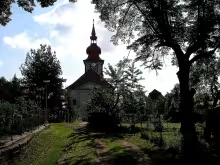
The Mimoň Castle site is located in the town of Mimoň within the Liberec Region of the Czech Republic. Despite its current state as a vanished structure, it holds historical significance. Originally documented in 1256, this medieval castle served as a noble seat until acquired by the Vartenberks around 1371, after which it gradually fell into ruin. Today, remnants such as fragments of earthworks mark where the castle once stood, with no definitive architectural form established without archaeological research.
The origins of Mimoň Castle trace back to at least the 13th century when Bohemia was part of the Holy Roman Empire. During this period, noble families like those with the predicate from Mimoň played significant roles in local governance and military affairs. The castle's history is marked by its acquisition by the Vartenberks around 1371, leading to a decline in its importance and eventual ruin.
Architecturally, while specific details remain elusive due to limited surviving structures, it is assumed that the castle featured typical medieval fortifications such as a moat and ramparts. In the late 17th century, the site was repurposed for the construction of a church dedicated to Saints Peter and Paul between 1681 and 1686.
Throughout its history, Mimoň Castle saw changes in ownership, initially held by nobles with the predicate from Mimoň until it passed into the hands of the Vartenberks. The castle's decline began after this acquisition, leading to its eventual ruin.
Today, the site is marked by the Church of Saints Peter and Paul, built on the former castle grounds. While the castle itself no longer exists, its historical significance remains a point of interest for visitors exploring Mimoň. The church stands as a testament to the area's rich history and offers insight into the architectural transitions from medieval fortifications to Baroque religious structures.
Visiting Mimoň provides an opportunity to explore this site of historical intrigue, where remnants of the past coexist with modern developments. The town itself, with its picturesque setting in the Ralsko Uplands and proximity to natural attractions like the Ploučnice River, offers a compelling backdrop for those interested in Czech history and architecture.
Historical milestones
- 1256
- First documented mention of Mimoň.
- 1371
- Acquisition by the Vartenberks.
Architectural development
The castle's exact architectural style remains unknown due to limited surviving structures. It likely featured typical medieval fortifications such as a moat and ramparts. The site was later repurposed for the construction of a church between 1681 and 1686.
Historical events
First documented mention of Mimoň in 1256.
Acquisition by the Vartenberks around 1371, leading to its decline and eventual ruin.
Owners
Initially owned by nobles with the predicate from Mimoň (1256–1367), later acquired by the Vartenberks before 1371.
Points of interest
- Despite its disappearance, Mimoň Castle's earthworks remain a silent witness to medieval life and governance in the region, hinting at a once bustling noble seat.
- The castle’s transition from a noble stronghold to ruins after being acquired by the Vartenberks around 1371 reflects broader patterns of shifting power dynamics within Bohemia during the late Middle Ages.
Guide
Show guide text
Welcome to the historical site of Mimoň Castle, a fascinating glimpse into the medieval past nestled in the town of Mimoň, Liberecký kraj. As you stand here today, what meets your eyes are not towering walls or grand towers but rather fragments of earthworks that whisper stories from centuries ago. These remnants serve as silent witnesses to the castle's once formidable presence and its role in regional governance.
The origins of Mimoň Castle trace back to at least 1256, marking it as a significant noble seat during medieval times. Its strategic importance was recognized by many, but it was around 1371 that the Vartenberks acquired the castle, heralding a shift in its history and function. This transition reflects broader patterns of change during the era, as castles evolved from bustling centers of power to quieter, more subdued roles.
As you explore this site, focus on the earthworks before you. These are all that remain of what was once a robust structure. While specific architectural details have been lost to time and require archaeological research for full understanding, these remnants invite you to imagine the castle's past grandeur.
The Vartenberks, key figures in the castle’s history, played a significant role in its transformation post-acquisition. Their influence marked the beginning of the end for Mimoň Castle as an active noble seat, leading it towards eventual ruin. This change mirrors the shifting dynamics of power and ownership that characterized medieval Europe.
One intriguing aspect of Mimoň Castle is how, despite its disappearance, it continues to captivate those who visit. The earthworks hint at a once vibrant life within its walls, offering insights into medieval governance and society in this region. It's a testament to the castle's historical significance and the stories that lie buried beneath.
As you conclude your visit here, I invite you to reflect on the layers of history encapsulated in these ruins. Mimoň Castle may no longer stand as it once did, but its legacy endures through the earthworks and tales of those who walked its grounds. Thank you for joining me on this journey into the past. May your curiosity lead you to explore further and uncover more hidden histories waiting just beyond our sight.
Businesses nearby
Do you run a restaurant, accommodation, shop, museum, rental, wellness or other visitor service near this monument? Show yourself directly to the people heading to it — this is how they will see you in the app and on the web:
Nearby
The site is now marked by a church dedicated to Saints Peter and Paul, built on the former castle grounds.
Accommodation nearby
Trips and activities nearby
Guided tours, tickets and activities nearby from GetYourGuide
Search tours and activities →Themed route
Thematic Walking Tour: Mimoň Castle and Surroundings
1. Church of Saints Peter and Paul - Type: Historical Church - Why Visit: This church, built on the former grounds of Mimoň Castle, serves as a poignant reminder of the castle's history. Its architecture and serene atmosphere offer visitors a glimpse into the past life of this region.
2. Mimoň Castle Ruins - Type: Historical Site - Why Visit: Explore the remnants of what was once a significant stronghold in the area. The ruins provide insight into medieval fortifications and the strategic importance of Mimoň during historical times.
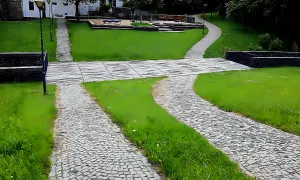
3. Castle Park (Královský park) - Type: Public Park - Why Visit: Adjacent to the castle, this park offers a peaceful retreat with lush greenery and walking paths that allow visitors to reflect on the history they've just explored while enjoying nature's tranquility.
4. Historical Information Board near the Church - Type: Educational Site - Why Visit: This board provides detailed historical context about Mimoň Castle and its transformation into a church dedicated to Saints Peter and Paul, enriching your understanding of the site’s evolution over time.
5. Viewpoint from the Park - Type: Scenic Spot - Why Visit: Take in panoramic views of the surrounding landscape from this vantage point within the park. It's an ideal spot for photography and appreciating the natural beauty that frames Mimoň Castle’s historical legacy.
This tour offers a comprehensive exploration of Mimoň Castle and its immediate surroundings, focusing on history, architecture, and nature.
Seasonal recommendations
Jaro: Návštěva zbořeného hradu Mimoň v jarním období nabízí jedinečný pohled na ožívající přírodu, kdy se lesy a okolní krajinou rozprostírají živé barvy květů. Slunečné dny poskytují ideální podmínky pro procházku kolem zbytků hradu, přičemž mírná teplota a čerstvý vzduch vytvářejí ideální atmosféru k relaxaci. Navštěvníci by měli oblečit vhodné boty pro potenciálně vlhké terény a přinést sluneční brýle, protože jarní slunce může být velmi silné. I když je davová návštěva obvykle střední, dřívější příchod může zajistit klidnější prozkoumání.
Léto: V letních měsících se zbořený hrad Mimoň proměňuje v oblíbené místo pro turisty, kteří si užívají teplých dnů a jasných nocí. Atmosféra je plná života s přítomností mnoha návštěvníků, což zvyšuje energii na místě. Slunečné dny jsou ideální pro fotografii se pozadím lesních obrazů a historických ruin. Navštěvníci by měli být připraveni na teplé počasí, nosit ochranný sluneční krém a závoj, stejně jako dostatek pitné vody. Dřívější návštěva je doporučena, aby se vyhnuli vrchole davů během hlavních letních měsíců.
Podzim: Podzim přináší pastýřskou atmosféru kolem zbořeného hradu Mimoň, když listy v lesích nabírají živé barvy a sluneční dny se stávají méně intenzivními. Tato sezóna je ideální pro klidnou prohlídku s příležitostí k pořízení fotografií v jedinečné podzimní krajině. Teploty jsou obvykle mírné, takže navštěvníci by měli být oblečeni v vrstveném oblečení a mít s sebou deštník pro náhlejší počasí. Navíc je tento čas roka obvykle méně navštěvován, což umožňuje intimnější zážitek.
Zima: Zimní návštěva zbořeného hradu Mimoň nabízí klidnou a tichou atmosféru, kdy je krajinářský pohled ovlivněn sněhem a ledem. Slunečné dny jsou krátké, což vytváří dramatické světelné efekty na zbytcích hradu. Navštěvníci by měli být dobře připraveni s teplým oblečením, ochrannými botami a možná i vodotěsnou obuví pro sněhové podmínky. Otevírací doba je často kratší kvůli zimnímu počasí, takže dřívější návštěva může zajistit plný zážitek během omezeného času dostupného pro procházku.
Visualizations and artistic views

Vizualizace jsou generovány umělou inteligencí a slouží jako inspirace.


Tips from visitors
No tips yet. Be the first!
Log in and add your tip.

Reviews and comments