






kaple svaté Anny (Frýdlant) Chapel
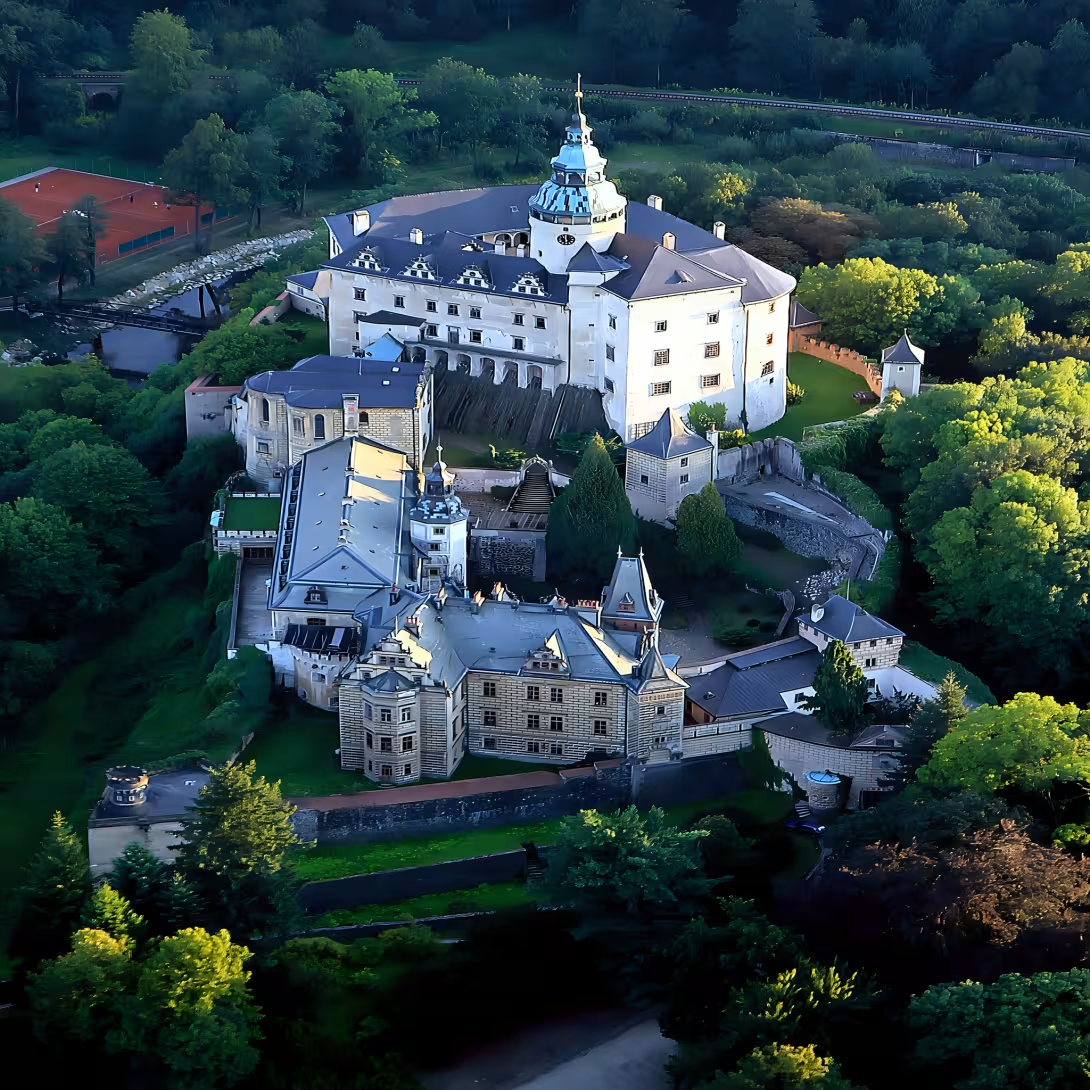
The Chapel of Saint Anne in Frýdlant is a Renaissance sacred space within the Frýdlant Castle complex. It features a unique architectural blend of Northern German Renaissance influences with Gothic elements. Constructed between 1598 and 1602, this chapel was part of transforming the castle into Renaissance style. Its irregular composition, shaped by existing fortifications, includes a three-apse structure and central square plan over a Greek cross layout. Stuccoed star vaults adorn it, making it an architectural marvel.
Initiated during a period when Bohemia was part of the Habsburg Monarchy, the chapel reflects religious tensions between Catholics and Protestants. This era saw a broader European trend towards classical revival in art and architecture, evident in its design. The construction was commissioned by Melchior z Redernu and his wife Kateřina, rozená Šliková, marking an important phase in the castle’s history.
Architecturally influenced by existing fortifications, the chapel features a Renaissance style with Gothic elements like high windows and gabled roofs covered in slate. The interior includes star vaults and lunette ceilings, with sgraffito decorations added in the 19th century. Designed by Marco Spazzio z Lancia and Antonius (polír), its construction was overseen by Ambrosius Fritsch and Bartolomeus Spranger, who contributed to its artistic embellishments.
Throughout its history, the chapel has seen significant changes under various owners and administrators. The interior redecoration in 1781 introduced sgraffito and tempera paintings by F. Dietrich from Dresden, enhancing its aesthetic appeal. Further modifications occurred in 1881 when additional sgraffito decoration was added to the connecting passage.
Key events include the chapel's original construction between 1598 and 1602, initiated by Melchior z Redernu and his wife Kateřina, rozená Šliková. The interior redecoration in 1781 and the addition of sgraffito decoration in 1881 are notable milestones that have contributed to its historical significance.
Today, the Chapel of Saint Anne remains a significant cultural and architectural site within Frýdlant Castle. Its unique blend of Renaissance and Gothic elements, along with its rich history, makes it a worthwhile visit for those interested in architecture and history. The chapel continues to be accessible to visitors, offering a glimpse into the past through its preserved artistic and structural features.
The Chapel of Saint Anne stands as a testament to the architectural ingenuity of its time, inviting visitors to explore its historical depth and aesthetic beauty. Its preservation allows us to appreciate the cultural heritage it represents, making it an essential stop for anyone exploring Frýdlant Castle.
Then and now
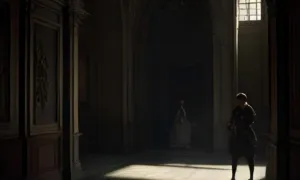
Drag the slider to compare how the landmark may have looked when it was built with the view today.
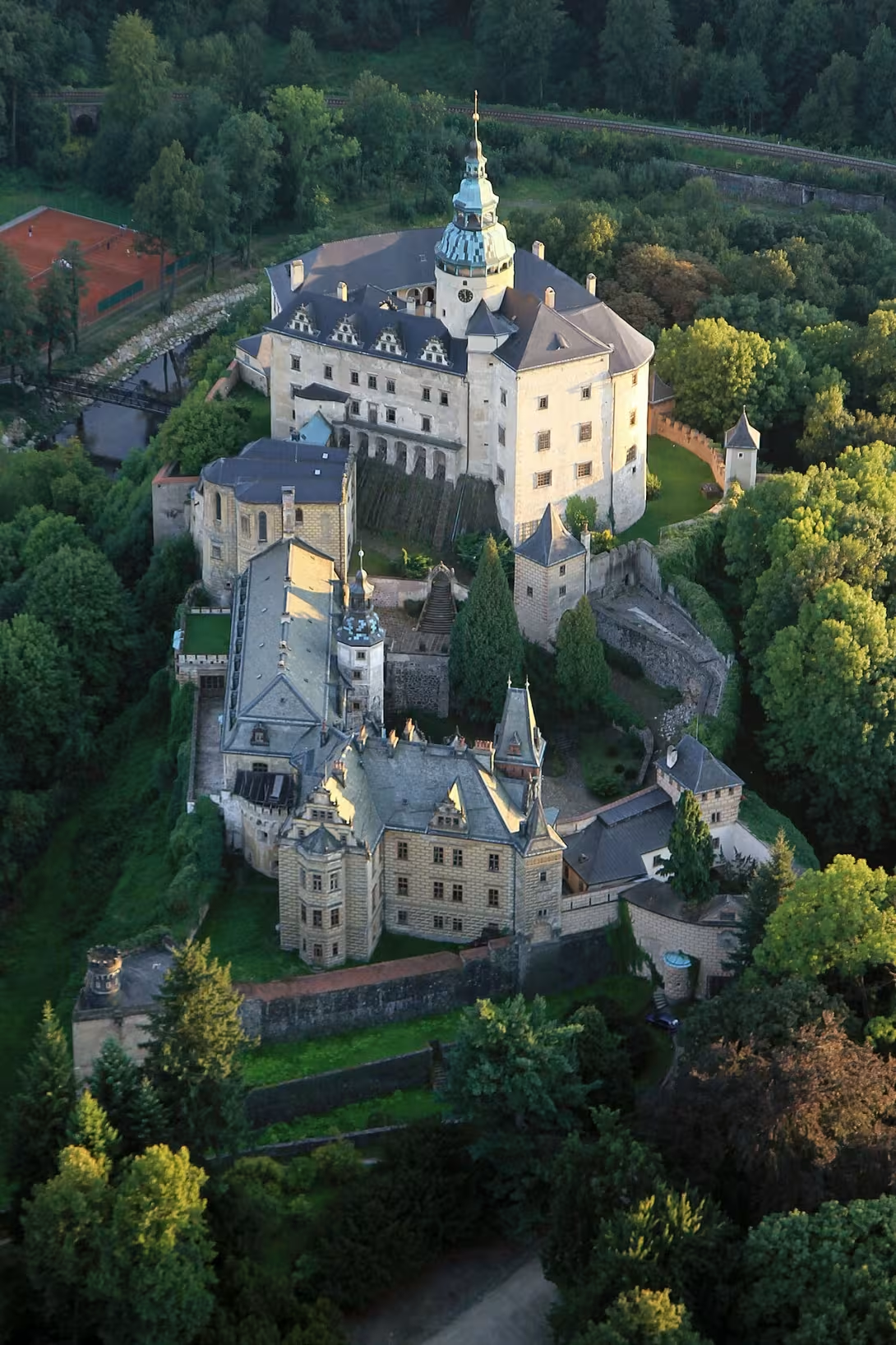

The historical appearance on the left is an AI-generated visualisation and serves as inspiration only.
Historical milestones
- 1598–1602
- Construction of the Chapel initiated by Melchior z Redernu and his wife Kateřina, rozená Šliková.
- 1781
- Interior redecoration with sgraffito and tempera paintings by F. Dietrich from Dresden.
- 1881
- Sgraffito decoration added to the connecting passage.
Architectural development
The chapel's construction was influenced by existing fortifications, leading to its unique layout. It features a Renaissance style with Gothic elements like high windows and gabled roofs covered in slate. The interior includes star vaults and lunette ceilings, with sgraffito decorations added in the 19th century.
Historical events
1598–1602: Construction of the Chapel initiated by Melchior z Redernu and his wife Kateřina, rozená Šliková.
1781: Interior redecoration with sgraffito and tempera paintings by F. Dietrich from Dresden.
1881: Sgraffito decoration added to the connecting passage.
Points of interest
– The Chapel of Saint Anne was constructed during a period of religious tension in Bohemia under the Habsburg Monarchy, reflecting broader European trends towards classical revival amidst Catholic-Protestant conflicts.
– Architect Marco Spazzio z Lancia and Antonius (polír) were responsible for designing this chapel, showcasing their ability to blend Renaissance styles with existing Gothic elements like high windows and gabled roofs covered in slate.
– In 1781, the chapel underwent significant interior redecoration by F. Dietrich from Dresden, introducing sgraffito and tempera paintings that enhanced its aesthetic appeal during a time of artistic transformation across Europe.
– The chapel's unique architectural feature includes stuccoed star vaults over a Greek cross layout, which were innovative for their time and added to the chapel’s status as an architectural marvel within the Frýdlant Castle complex.
– By 1881, additional sgraffito decoration was added to the connecting passage between the chapel and other parts of the castle, illustrating ongoing efforts to preserve and enhance its artistic heritage well into the late 19th century.
Guide
This guide is narrated by a synthetic voice generated by artificial intelligence.
Show guide text
This text was created by artificial intelligence and has not been editorially reviewed. It may contain inaccuracies.
Welcome to the enchanting Chapel of Saint Anne in Frýdlant, a jewel nestled within the historic Frýdlant Castle complex. As you stand before this Renaissance masterpiece, let your senses be captivated by its unique blend of architectural styles and rich history.
The story of this chapel begins at the turn of the 17th century, between 1598 and 1602. It was initiated by Melchior z Redernu and his wife Kateřina, rozená Šliková, as part of their ambitious project to transform Frýdlant Castle into a Renaissance haven amidst the religious tensions in Bohemia under the Habsburg Monarchy. This period saw a classical revival sweeping through Europe, even as Catholic-Protestant conflicts simmered.
As you gaze upon the chapel's exterior, notice its irregular composition—a result of adapting to existing fortifications. The architectural genius behind this structure was Marco Spazzio z Lancia and Antonius (polír), who masterfully integrated influences from Northern German Renaissance architecture while retaining some Gothic elements. This fusion creates a distinctive aesthetic that is both harmonious and intriguing.
Now, turn your attention inside. The chapel's interior underwent significant transformations over the centuries. In 1781, it was redecorated with sgraffito and tempera paintings by F. Dietrich from Dresden, adding layers of artistic depth to this sacred space. Later in 1881, a connecting passage received similar sgraffito decoration, further enhancing its visual appeal.
The chapel's history is intertwined with notable figures such as Ambrosius Fritsch and Bartolomeus Spranger, whose contributions have left an indelible mark on its legacy. These individuals played pivotal roles in shaping the cultural and artistic landscape of Frýdlant during their time.
An intriguing aspect of this chapel lies in its creation during a period marked by religious tension. It reflects broader European trends towards classical revival amidst Catholic-Protestant conflicts, offering a glimpse into the complex interplay between faith, art, and politics of that era.
As you continue to explore, I invite you to immerse yourself fully in the atmosphere of this sacred space. Let your imagination wander through its halls and envision the stories and lives that have unfolded within these walls over the centuries.
Thank you for joining me on this journey through time at the Chapel of Saint Anne. May it inspire curiosity and wonder as you delve deeper into the history and beauty of Frýdlant.
Frequently asked questions
Can the monument be visited?
Yes. We verified the opening hours or admission on the official website (8. 10. 2026); you will find them in the visitor information on this page. Please double-check with the operator before you travel.
What are the opening hours and admission?
Details verified on the official website (8. 10. 2026) are listed in the visitor information on this page. Official website: https://www.zamek-frydlant.cz/
Where is the monument?
Location: Frýdlant, Liberecký kraj. The map on this page shows the exact spot.
Why is the monument protected?
It is listed in the Central List of Cultural Monuments of the Czech Republic as a national cultural monument. It is protected as part of a larger listed ensemble.
Businesses nearby
Do you run a restaurant, accommodation, shop, museum, rental, wellness or other visitor service near this monument? Show yourself directly to the people heading to it — this is how they will see you in the app and on the web:
Events nearby



Zdroj akcí: otevřená data měst a obcí ČR (Národní katalog otevřených dat) a kalendář akcí Národního památkového ústavu.
Accommodation nearby
Trips and activities nearby
Guided tours, tickets and activities nearby from GetYourGuide
Affiliate link: if you buy from the partner, we may receive a commission. The price for you does not change.
Search tours and activities →Themed route
Thematic Walking Tour: Frýdlant and the Chapel of Saint Anne
1. Chapel of Saint Anne (Frýdlant) - Type: Historical Chapel - Why Visit? The Chapel of Saint Anne is a significant historical monument located in Frýdlant, known for its beautiful architecture and serene atmosphere. It serves as the starting point of this tour, offering visitors a glimpse into the region's rich cultural heritage.
2. Frýdlant Castle - Type: Historical Castle - Why Visit? Located just a short walk from the chapel, Frýdlant Castle is an impressive Renaissance structure with stunning gardens and interiors. It provides insight into the historical significance of the area and offers panoramic views of the surrounding landscape.
3. Frýdlant Chateau Park - Type: Historical Garden - Why Visit? Adjacent to the castle, this beautifully maintained park is perfect for a leisurely stroll. The garden features well-preserved pathways, ornamental plants, and classical statues, making it an ideal spot to relax after exploring the castle.
4. Frýdlant Town Square - Type: Historical Town Center - Why Visit? A short walk from the chateau park, the town square is the heart of Frýdlant. It's surrounded by historic buildings and offers a charming atmosphere with local shops and cafes, providing a perfect place to conclude your tour.
This thematic walking tour provides a comprehensive exploration of Frýdlant’s historical sites, starting and ending in close proximity to each other for convenience.
Seasonal recommendations
Spring: Visiting the Chapel of Saint Anne during spring offers a unique experience as nature awakens around Frýdlant, with blooming flowers and fresh greenery enhancing the chapel's serene beauty. The soft light filtering through budding leaves creates an ethereal atmosphere, perfect for those seeking tranquility. During this time, visitor numbers are moderate, allowing for a peaceful exploration of the site. It is advisable to wear layers as temperatures can be variable, with cooler mornings transitioning into warmer afternoons. Arriving in the late morning or early afternoon will provide optimal lighting conditions and comfortable weather.
Summer: The summer months bring vibrant life to the Chapel of Saint Anne, with lush landscapes surrounding Frýdlant offering a picturesque backdrop for visitors. This season is characterized by longer daylight hours, allowing ample time to appreciate both the chapel's historical architecture and its natural setting. However, it is also peak tourist season, so expect larger crowds. To avoid the midday heat, plan your visit in the early morning or late afternoon when temperatures are more pleasant. Comfortable walking shoes and light clothing are recommended for exploring the area comfortably.
Autumn: Autumn transforms Frýdlant into a palette of warm hues, providing a stunning contrast to the Chapel of Saint Anne's historical architecture. The falling leaves create a magical atmosphere, ideal for photography enthusiasts or those seeking a peaceful retreat. While visitor numbers begin to decrease as summer ends, it’s still wise to check opening times, which may be reduced in preparation for winter. Layered clothing is essential due to cooler temperatures and changing weather conditions. Visiting on weekdays can further ensure a quieter experience.
Winter: The Chapel of Saint Anne takes on an enchanting character during the winter months, with snow-covered landscapes creating a serene and almost mystical setting around Frýdlant. Shorter days mean fewer visitors, allowing for a more intimate exploration of this historical site. However, be prepared for limited opening hours as facilities adjust to the season. Warm clothing is essential, including hats, gloves, and insulated layers, to stay comfortable in the cold weather. Arriving early will maximize your visit time before any potential closures due to adverse weather conditions.
Visualizations and artistic views


The visualisations are generated by artificial intelligence and serve as inspiration.
Photos from the area
Real photos taken near the monument


Zdroj a licence jsou uvedeny u každého snímku.
Tips from visitors
No tips yet. Be the first!
Log in and add your tip.
Sources and literature
Photos: Zdeněk Fiedler / CC BY-SA 4.0, rozlišení zvýšeno umělou inteligencí — Wikimedia Commons. The author and licence also appear when you hover over the image.
Faktickým podkladem tohoto textu byl článek na Wikipedii, jehož autory jsou přispěvatelé Wikipedie. Článek je dostupný pod licencí CC BY-SA 4.0.
Location on the map
Příběhy a pověsti
Legendy, pověsti a příběhy spjaté s touto památkou
Fotografie návštěvníků
Zatím žádné fotografie. Buďte první, kdo přidá fotografii z návštěvy!
Log in a přidejte svou fotografii nebo hodnoťte.
Za ověřenou návštěvu v aplikaci získáte víc bodů — poznáme podle GPS, že jste na místě.
Reviews and comments