






Kostel Krista Spasitele Church
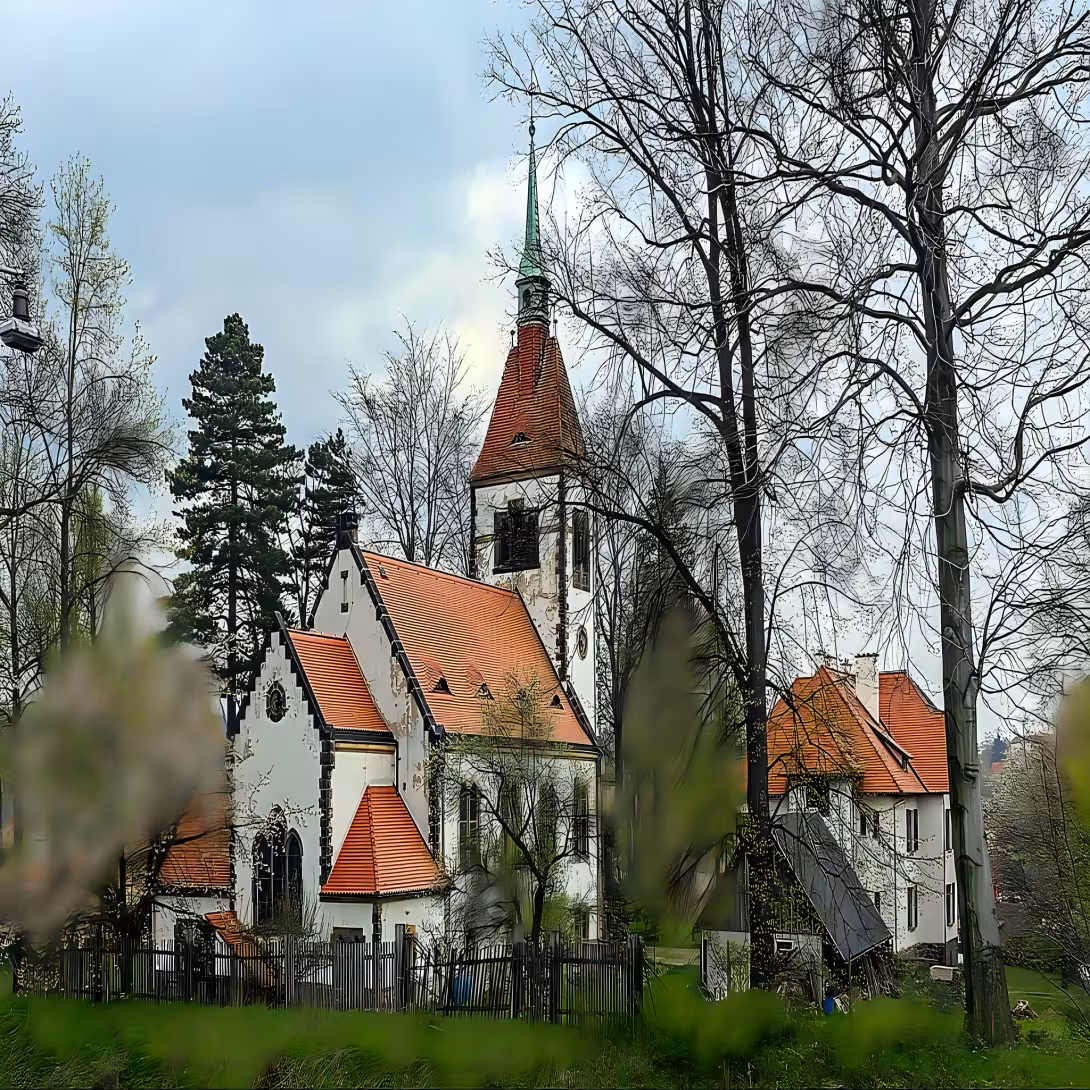
Kostel Krista Spasitele in Frýdlant is a notable historical monument recognized for its architectural style and cultural significance. Constructed between 1902 and 1904, this church exemplifies the Gothicizing Secession style and serves as an important site of worship for the Czechoslovak Hussite Church. Its designation as a cultural monument of the Czech Republic in 2003 underscores its historical and artistic value.
The origins of Kostel Krista Spasitele are deeply rooted in the religious shifts experienced by Frýdlant during the late 19th and early 20th centuries. Initially, the region was predominantly Lutheran until political changes mandated Catholicism as the sole permitted faith in Bohemia. However, due to its proximity to Silesia and Saxony's Upper Lusatia, Frýdlant maintained a degree of religious diversity. In 1883, a preaching station for the Evangelical Church in Liberec was established in Frýdlant, marking the beginning of organized Protestant worship in the area. By 1902, local efforts led by the Evangelical Lutheran community and supported by the Gustav Adolf Union culminated in laying the foundation stone for this church.
Architecturally, Kostel Krista Spasitele is a testament to the Gothicizing Secession style, designed by Julius Rolffs and constructed by the local firm Appelt–Hampel. The church features an open-roofed nave and stained glass windows crafted in Hrádek nad Nisou, adding to its aesthetic appeal. Originally equipped with three bells, only the smallest survived World War II, reflecting the tumultuous history it has witnessed.
Ownership of the church transitioned over time, initially serving the Evangelical Church of the Augsburg Confession until 1945. Following World War II and the displacement of the German population, the church was transferred to the Czechoslovak Hussite Church in 1952. This change marked a significant shift in its religious function, with services conducted in Czech for the first time.
Key events in the church's history include its consecration on June 2, 1904, led by pastor Jiří Pellar, which was a pivotal moment in its establishment as a place of worship. Another notable feature is the organ built in 1903 by A. Schuster from Žitava, donated by Mrs. Kellerová in memory of her sister Bertu, with the organ case gifted by Mrs. E. Schindler from Switzerland.
Today, Kostel Krista Spasitele stands as a preserved cultural monument, offering visitors insight into its rich history and architectural beauty. Its significance is not only religious but also historical, reflecting the broader narrative of religious tolerance and change in the region. Visitors are invited to explore this remarkable site, appreciating its unique blend of artistry and heritage.
Then and now
Drag the slider to compare how the landmark may have looked when it was built with the view today.
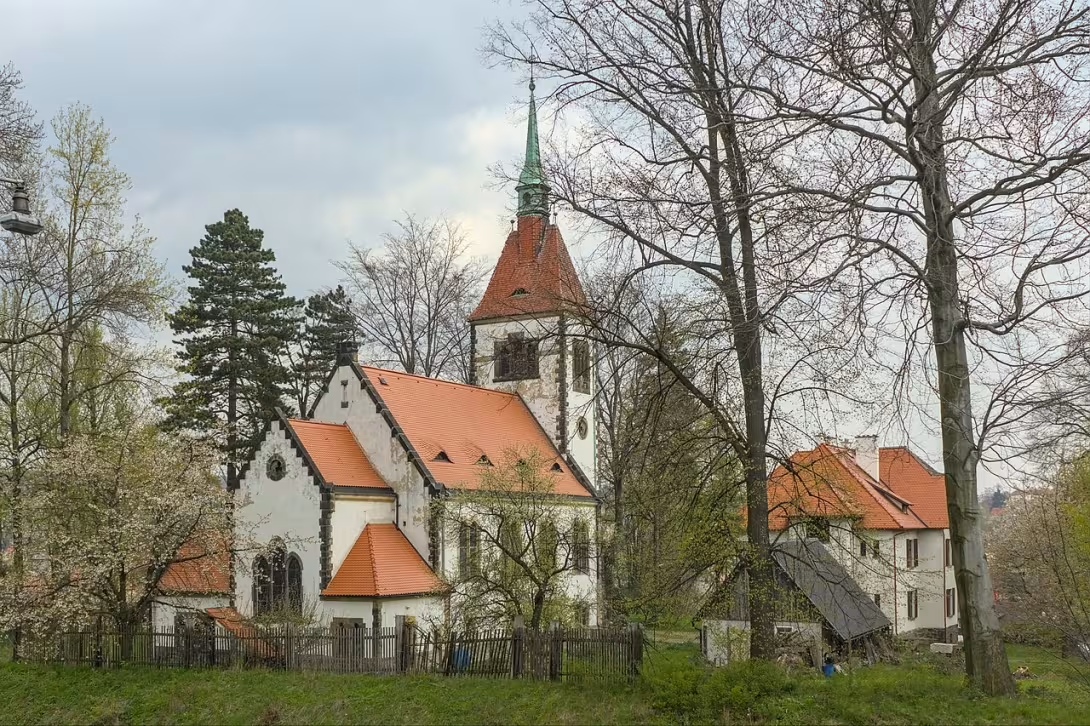

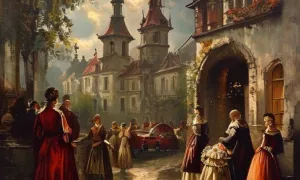
The historical appearance on the left is an AI-generated visualisation and serves as inspiration only.
Historical milestones
- 1883
- Establishment of a preaching station for the Evangelical Church in Liberec in Frýdlant.
- 1902
- Foundation stone laid for Kostel Krista Spasitele by the local Lutheran community and Gustav Adolf Union.
- 1903
- Organ built by A. Schuster from Žitava, donated by Mrs. Kellerová.
- 1904
- Consecration of Kostel Krista Spasitele on June 2, led by pastor Jiří Pellar.
- 1945
- Transfer of church ownership to the Czechoslovak Hussite Church following World War II.
- 1952
- Church officially transferred to the Czechoslovak Hussite Church, services conducted in Czech for the first time.
Architectural development
The church was designed by Julius Rolffs and constructed by local firm Appelt–Hampel. It features an open-roofed nave and stained glass windows from Hrádek nad Nisou. Originally equipped with three bells, only the smallest survived World War II.
Historical events
- 1883
- Establishment of the preaching station by the Evangelical Church in Liberec.
- 1904
- Consecration of the church with a service led by pastor Jiří Pellar.
Points of interest
- The foundation stone of Kostel Krista Spasitele was laid in 1902, marking the culmination of efforts by the local Evangelical Lutheran community and support from the Gustav Adolf Union to establish a Protestant place of worship amidst Frýdlant's religious diversity.
- Originally equipped with three bells, only the smallest survived World War II, highlighting the church's resilience and the turbulent history it has endured over the decades.
- The organ within Kostel Krista Spasitele was built in 1903 by A. Schuster from Žitava and is a significant feature of the church; it was donated by Mrs. Kellerová as a memorial to her sister Bertu, with its case gifted by Mrs. E. Schindler from Switzerland.
- In 1952, following World War II and the displacement of the German population, Kostel Krista Spasitele transitioned to serve the Czechoslovak Hussite Church, marking a significant shift in its religious function as services were conducted in Czech for the first time.
- The stained glass windows of Kostel Krista Spasitele were crafted in Hrádek nad Nisou, adding an artistic dimension to the church's Gothicizing Secession style and contributing to its aesthetic appeal.
Guide
This guide is narrated by a synthetic voice generated by artificial intelligence.
Show guide text
This text was created by artificial intelligence and has not been editorially reviewed. It may contain inaccuracies.
Welcome to the historic site of Kostel Krista Spasitele in Frýdlant, Liberecký kraj. As you stand here today, take a moment to appreciate this architectural gem that stands as a testament to both spiritual devotion and artistic expression. The church before you is an embodiment of the Gothicizing Secession style, with its intricate design elements inviting admiration.
Let's delve into the origins and historical context of this remarkable place. In 1883, Frýdlant witnessed the establishment of a preaching station for the Evangelical Church in Liberec, marking the beginning of a spiritual journey for the local Lutheran community. The cornerstone of Kostel Krista Spasitele was laid in 1902 by this community, with support from the Gustav Adolf Union. This effort culminated in the consecration of the church on June 2, 1904, led by pastor Jiří Pellar.
Architecturally, you are witnessing the vision brought to life by Julius Rolffs. As you look around, notice how the Gothicizing Secession style is reflected in the building's design—its elegant lines and detailed ornamentation creating a harmonious blend of historical styles. While specific visual details aren't specified here, take this opportunity to absorb the atmosphere that surrounds you.
Throughout its history, Kostel Krista Spasitele has been home to several key narratives and figures. In 1945, following World War II, ownership was transferred to the Czechoslovak Hussite Church—a significant shift that marked a new chapter in the church's story. By 1952, services were conducted in Czech for the first time, further embedding this site into the cultural fabric of the region.
One intriguing aspect of Kostel Krista Spasitele is its foundation stone laid in 1902. This act symbolized not just the physical construction of a building but also the culmination of efforts by the local Lutheran community and their supporters to establish a Protestant place of worship amidst Frýdlant's religious diversity.
As we conclude our audio tour, I invite you to linger a little longer, exploring this site at your own pace. Perhaps take a moment to reflect on its rich history or simply enjoy the serene environment it offers. Thank you for joining us today, and may your visit inspire further exploration of Frýdlant's historical treasures.
---
Tips for visitors
The best time to visit the Church of Christ the Savior in Frýdlant is during late spring or early fall, when the weather is mild and pleasant for exploring. During these seasons, you can enjoy the surrounding natural beauty without the crowds that often accompany summer tourism. Additionally, visiting on weekdays might offer a more tranquil experience compared to weekends.
When visiting the Church of Christ the Savior, consider bringing comfortable walking shoes, especially if you plan on exploring the surrounding area. A camera is recommended for capturing the church’s Gothicizing Secession architecture and its picturesque setting. Additionally, carrying a small backpack with water, snacks, and perhaps an umbrella or raincoat can enhance your visit, depending on the weather.
Photography enthusiasts will find several spots around the Church of Christ the Savior ideal for capturing its architectural beauty. The best light is typically during the golden hours—shortly after sunrise or before sunset—when the sunlight enhances the church's intricate details and creates a warm ambiance. Exploring the surrounding area can also provide unique angles and backdrops.
For families with children, visiting the Church of Christ the Savior offers an opportunity to explore Frýdlant’s rich cultural heritage together. While there are no specific family-oriented attractions within immediate proximity, the town itself is walkable and has a charming atmosphere that can be enjoyable for all ages. Engaging children in learning about the church's history might make the visit more interactive.
In terms of nearby attractions within 30 minutes, Frýdlant offers several points of interest such as historical sites and natural landscapes. Exploring these can extend your visit and provide a broader understanding of the region’s cultural and environmental significance.
Frequently asked questions
Can the monument be visited?
Religious buildings are usually open mainly during services; at other times a visit is normally arranged with the parish or the operator. We have not verified specific times.
Where is the monument?
Location: Vrchlického 881, Frýdlant, Liberecký kraj. The map on this page shows the exact spot.
Why is the monument protected?
It is listed in the Central List of Cultural Monuments of the Czech Republic as a cultural monument (register no. 100017).
Businesses nearby
Do you run a restaurant, accommodation, shop, museum, rental, wellness or other visitor service near this monument? Show yourself directly to the people heading to it — this is how they will see you in the app and on the web:
Events nearby
Zdroj akcí: otevřená data měst a obcí ČR (Národní katalog otevřených dat) a kalendář akcí Národního památkového ústavu.
Accommodation nearby
Trips and activities nearby
Guided tours, tickets and activities nearby from GetYourGuide
Affiliate link: if you buy from the partner, we may receive a commission. The price for you does not change.
Search tours and activities →Themed route
Thematic Walking Tour: Frýdlant and the Church of Christ the Saviour
1. Church of Christ the Saviour
Type: Religious Site
Why Visit: Begin your journey at this stunning example of modern religious architecture in Frýdlant, known for its striking design and serene atmosphere. The church offers a peaceful retreat with beautiful stained glass windows that tell biblical stories through vibrant colors.
2. Frýdlant Castle
Type: Historical Site
Why Visit: Just a short walk from the Church of Christ the Saviour, Frýdlant Castle is an architectural gem dating back to the Renaissance period. Explore its grand halls and picturesque gardens that provide insight into the region's rich history and cultural heritage.
3. Frýdlant Town Square
Type: Cultural Site
Why Visit: Stroll through this charming town square, surrounded by historic buildings that reflect Frýdlant’s past as a significant trading center. The area is perfect for enjoying local cafes or shops and soaking in the vibrant community atmosphere.
4. Frýdlant Forest Park
Type: Natural Site
Why Visit: Located near the town, this forest park offers a tranquil escape into nature with well-maintained walking paths ideal for leisurely strolls. The lush greenery and fresh air provide a refreshing contrast to the historical sites you've explored.
5. Frýdlant Museum
Type: Cultural Site
Why Visit: Conclude your tour at this museum, which showcases Frýdlant's history through fascinating exhibits ranging from local art to artifacts that narrate the town’s evolution over centuries. It offers a comprehensive understanding of the area’s cultural and historical significance.
This walking tour provides a balanced experience of Frýdlant's architectural beauty, rich history, and natural charm, all within easy walking distance of each other.
Seasonal recommendations
Spring: Visiting the Church of Christ the Saviour during spring offers a unique experience as nature awakens around Frýdlant. The blooming flowers and lush greenery create a vibrant backdrop, enhancing the church's architectural beauty. This time is perfect for photography enthusiasts who wish to capture the harmony between nature and history. With moderate temperatures, visitors should dress in layers to accommodate the variable weather. Early mornings or late afternoons are ideal times to visit when there are fewer crowds, allowing you to enjoy a peaceful exploration of this historic site.
Summer: The summer months bring warmth and longer daylight hours, making it an excellent time for extended visits to the Church of Christ the Saviour. The lush greenery is at its peak, providing a picturesque setting that complements the church's serene atmosphere. This season often sees higher visitor numbers due to the pleasant weather, so arriving early in the day can help avoid crowds and ensure a more tranquil experience. Comfortable walking shoes and light clothing are recommended, along with sun protection for those exploring the surrounding areas.
Autumn: Autumn transforms Frýdlant into a tapestry of warm colors, with golden leaves creating a stunning contrast against the church's historic facade. This season is particularly enchanting as the cooler temperatures make for comfortable strolls through the area. The reduced number of visitors compared to summer allows for a more intimate experience, perfect for those seeking tranquility and reflection. Layered clothing is advisable due to the fluctuating weather, and carrying an umbrella might be wise in case of sudden rain showers.
Winter: Winter offers a magical atmosphere at the Church of Christ the Saviour, with snow-covered landscapes adding a touch of enchantment to its historic charm. The shorter days mean that visits should be planned during daylight hours to fully appreciate the church's architecture and surrounding scenery. It's advisable to dress warmly in layers and wear sturdy boots for navigating potentially icy paths. Although visitor numbers are lower, some services or events might have adjusted schedules due to the season, so checking opening times beforehand is recommended for a smooth visit.
Visualizations and artistic views


The visualisations are generated by artificial intelligence and serve as inspiration.
Photos from the area
Real photos taken near the monument


Zdroj a licence jsou uvedeny u každého snímku.
Tips from visitors
No tips yet. Be the first!
Log in and add your tip.
Sources and literature
Photos: Miloslav Rejha / CC BY 4.0, rozlišení zvýšeno umělou inteligencí — Wikimedia Commons. The author and licence also appear when you hover over the image.
Faktickým podkladem tohoto textu byl článek na Wikipedii, jehož autory jsou přispěvatelé Wikipedie. Článek je dostupný pod licencí CC BY-SA 4.0.
Location on the map
Příběhy a pověsti
Legendy, pověsti a příběhy spjaté s touto památkou
Fotografie návštěvníků
Zatím žádné fotografie. Buďte první, kdo přidá fotografii z návštěvy!
Log in a přidejte svou fotografii nebo hodnoťte.
Za ověřenou návštěvu v aplikaci získáte víc bodů — poznáme podle GPS, že jste na místě.
Reviews and comments