






Minoritský klášter ve Znojmě Monastery
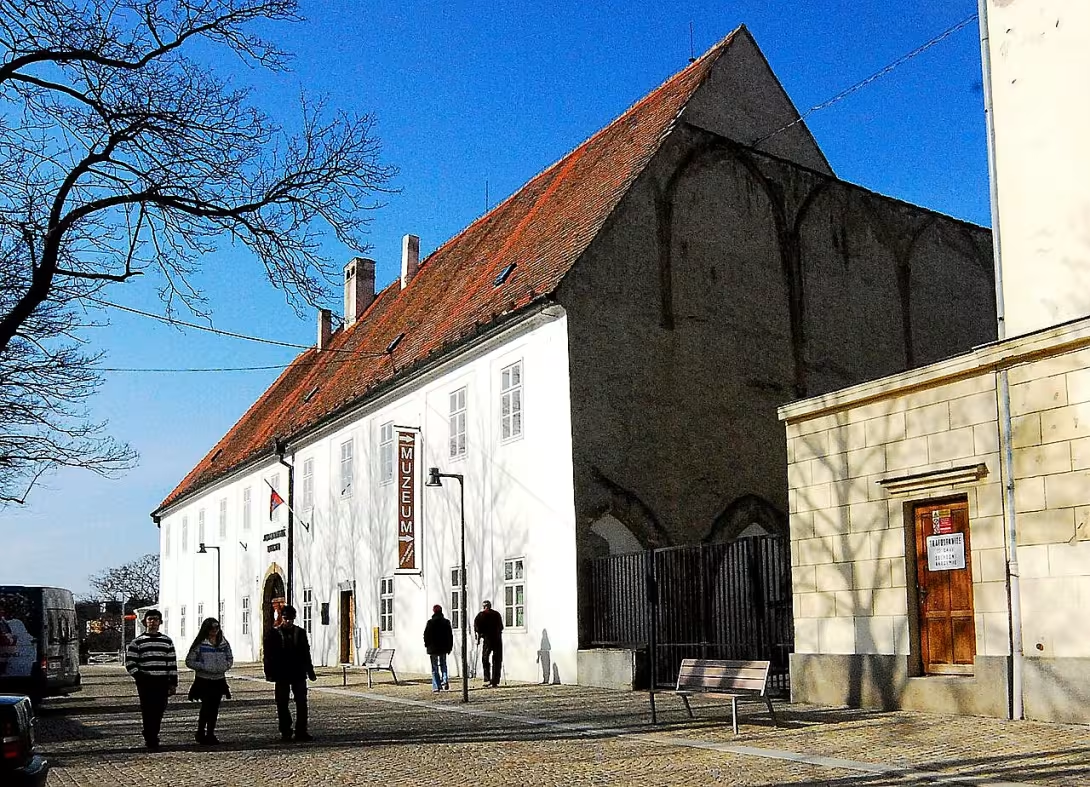
The Minorite Monastery in Znojmo is a historic monastery founded around 1225 by King Wenceslaus I. Initially serving minorites, it later became home to Franciscans. The monastery has undergone several phases of use, from convent to military academy and eventually prison. Since 1945, it has been part of the South Moravian Museum in Znojmo.
The monastery was founded by King Wenceslaus I., who donated the land himself. Minorites settled near the royal castle and built their monastery. The first written record dates back to 1239, when Premysl Otakar II allowed its expansion after his return from Prussia. The Gothic style reflects its early history.
In 1307, Rudolf of Habsburg met with his father Albert I. of Habsburg at the monastery to discuss a new regime for Czech lands. During the Hussite Wars, the monastery was closed due to lack of personnel and later reopened under Franciscans.
The monastery has undergone several architectural phases, including Gothic and Baroque styles. The refectory, expanded between 1728 and 1729, showcases the Baroque style. A new building for the convent hospital was constructed between 1754 and 1758.
After its closure as a monastery, the complex served as a military academy and later as a prison. The exact date of destruction is unknown, but by 1840 it had been largely demolished. Buildings were then used for various purposes, including as a regimental training school for Prince Coburg and eventually as a museum.
Today, the Minorite Monastery in Znojmo is part of the South Moravian Museum in Znojmo, offering visitors a glimpse into its rich history. The surrounding landscape features the city of Znojmo, with its medieval architecture and cultural heritage. This monument is one of the most significant medieval architectural sites in Znojmo, reflecting its complex history and cultural significance.
Then and now
Drag the slider to compare how the landmark may have looked when it was built with the view today.
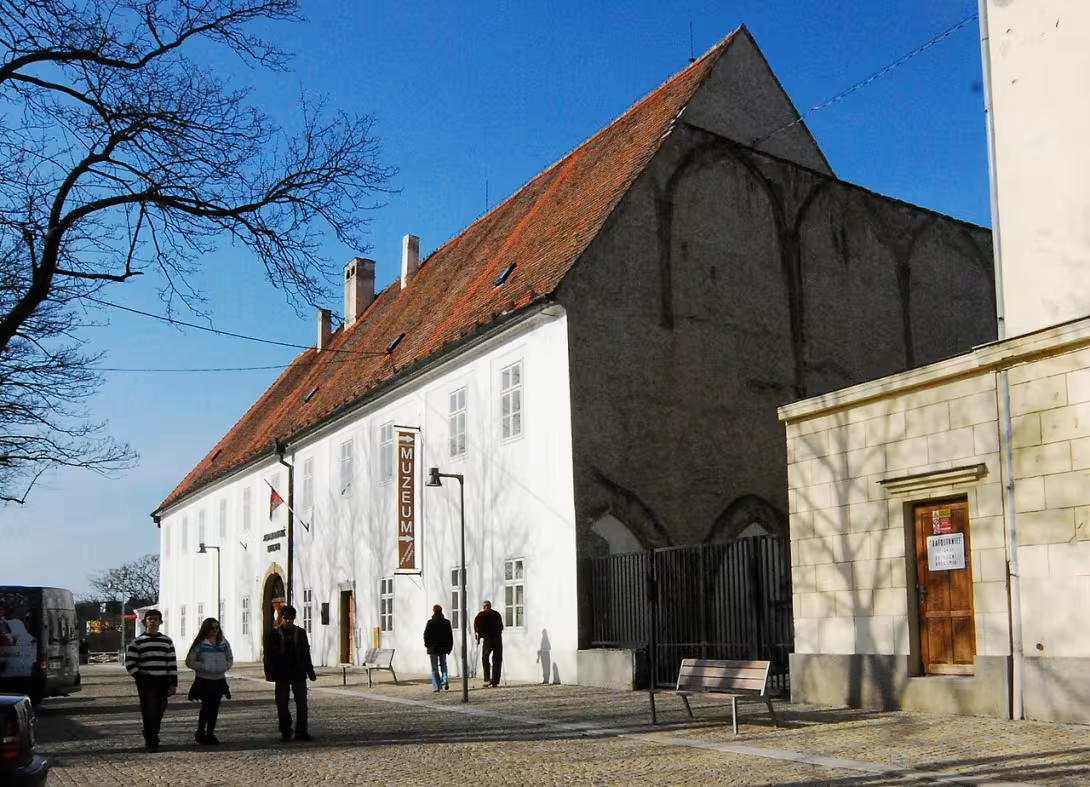
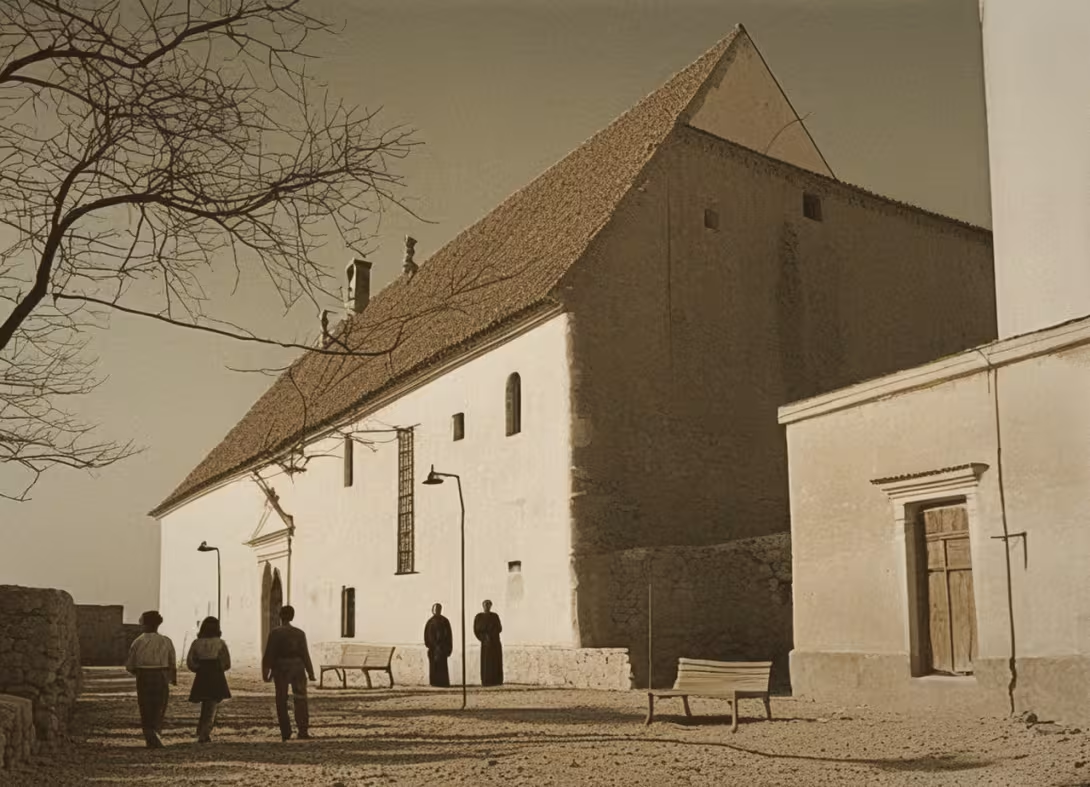
The historical appearance on the left is an AI-generated visualisation and serves as inspiration only.
Historical milestones
- 1225
- Foundation of the monastery by King Václav I.
- 1307
- Meeting between Rudolf Habsburský and his father Albrecht I. Habsburský at the monastery
- 1470
- Františkánů took over the monastery
Architectural development
The monastery has undergone several architectural phases, including Gothic and Baroque styles.
Historical events
The monastery was founded around 1225 by King Václav I.
In 1307, Rudolf Habsburský met with his father Albrecht I. Habsburský at the monastery to discuss a new regime for the throne in Czech lands.
During the Hussite Wars, the monastery was closed due to lack of personnel and later reopened under Františkánů
Owners
King Václav I.
Minorites
Františkánů
Points of interest
– The monastery was once a meeting place for royal and imperial families, including Rudolf Habsburský, who met with his father Albrecht I. Habsburský there in 1307 to discuss a new regime for Czech lands.
– During the Hussite Wars, the monastery was closed due to lack of personnel, but it later reopened under Františkánů, indicating its resilience and adaptability throughout history.
– The complex served as a military academy and prison at different times, reflecting its role in shaping the region's military and social history.
Guide
This guide is narrated by a synthetic voice generated by artificial intelligence.
Show guide text
This text was created by artificial intelligence and has not been editorially reviewed. It may contain inaccuracies.
Welcome to the Minorite Monastery in Žďár nad Sázavou, a historic monastery that has stood the test of time for nearly 800 years. As you stand before this impressive structure, take a moment to appreciate its grandeur.
Founded around 1225 by King Wenceslaus I, this monastery has played host to some of the most influential figures in history. Initially serving as the seat of Minorites and later Franciscans, it has undergone several phases of use, from a convent to a military academy and eventually a prison.
As you gaze upon the monastery's façade, notice the intricate stonework and ornate details that reflect its rich history. The architecture may not be well-known, but the stories it holds are certainly fascinating.
One such story is the meeting between Rudolf of Habsburg and his father Albert I of Habsburg in 1307. This gathering took place right here on these very grounds, where they discussed a new regime for Czech lands. Can you imagine the weight of such a conversation?
As you explore this ancient monastery, keep an ear out for whispers of the past. The walls have seen it all – from royal courts to military academies, and even periods of decline.
Now, let's take a step back in time and revisit some of the key events that have shaped this place. In 1470, Franciscans took over the monastery, bringing with them their own unique traditions and practices.
As you wander through the cloisters, imagine the monks who once called this place home, their daily routines governed by the rhythms of prayer and contemplation.
And what about the mysterious stories that linger here? Did you know that this very monastery was once a meeting place for royal and imperial families? The whispers of power struggles and intrigue still echo through its halls.
As your journey comes to a close, take one last look at this magnificent structure. Remember the centuries of history that have unfolded within these walls, and the secrets that lie hidden beneath the surface.
Thank you for joining me on this journey through time. I hope you've enjoyed exploring the Minorite Monastery in Žďár nad Sázavou as much as I have. Until next time, farewell!
Tips for visitors
Best Time to Visit: The Minoritský klášter ve Znojmě is open year-round, but the best time to visit is during spring and autumn when the weather is mild and sunny. This allows you to fully appreciate the monastery's architecture and surroundings without the crowds that come with peak tourist season.
Businesses nearby
Do you run a restaurant, accommodation, shop, museum, rental, wellness or other visitor service near this monument? Show yourself directly to the people heading to it — this is how they will see you in the app and on the web:
Nearby
The surrounding landscape features the city of Znojmo, with its medieval architecture and cultural heritage.
Accommodation nearby
Themed route
Tematická výletní trasa
Stop 1: Znojmo's City Walls Type: Historical landmark Why visit: Explore the remains of Znojmo's medieval city walls, which once surrounded the city and played a crucial role in its defense.
Stop 2: St. Nicholas Church Type: Gothic church Why visit: Admire the stunning architecture of this 14th-century Gothic church, featuring intricate stone carvings and ornate decorations.
Stop 3: Minoritský klášter ve Znojmě Type: Minorite monastery Why visit: Visit the main attraction – the Minorite monastery, a beautiful example of Baroque architecture with stunning frescoes and ornate decorations.
Seasonal recommendations
Spring
As the snow melts away, the monastery's surroundings come alive with blooming flowers and greenery. The gentle spring breeze carries the sweet scent of blossoms, creating a serene atmosphere. During this time, the monastery's courtyard is particularly beautiful, making it an ideal spot for a peaceful stroll.
Practical tips: Arrive early to avoid crowds, and wear comfortable shoes suitable for walking on uneven terrain. The best time to visit is in the morning or late afternoon when the sun casts a warm glow over the surroundings.
Summer
As the summer solstice approaches, the monastery's courtyard becomes a haven from the heat. The lush greenery provides shade, while the sound of birds chirping and children playing creates a lively atmosphere. Visitors can enjoy the scenic views of the surrounding hills and vineyards during this time.
Practical tips: Be prepared for larger crowds and arrive early to secure parking. Wear comfortable clothing and shoes suitable for walking in warm weather. The best time to visit is in the morning or late afternoon when the sun is not too intense.
Autumn
As the leaves turn golden, the monastery's surroundings take on a picturesque quality. The crisp autumn air carries the scent of ripe fruit and woodsmoke, creating a cozy atmosphere. Visitors can enjoy the scenic views of the surrounding hills and vineyards during this time.
Practical tips: Arrive early to avoid crowds, and wear comfortable shoes suitable for walking on uneven terrain. The best time to visit is in the morning or late afternoon when the sun casts a warm glow over the surroundings.
Winter
As the snow falls gently, the monastery's courtyard takes on a serene quality. The cold winter air carries the scent of woodsmoke and hot chocolate, creating a cozy atmosphere. Visitors can enjoy the peaceful surroundings and take in the beauty of the snow-covered landscape during this time.
Practical tips: Arrive early to avoid crowds, and wear warm clothing and shoes suitable for walking on snowy terrain. The best time to visit is in the morning or late afternoon when the sun casts a warm glow over the surroundings.
Visualizations and artistic views


The visualisations are generated by artificial intelligence and serve as inspiration.
Photos from the area
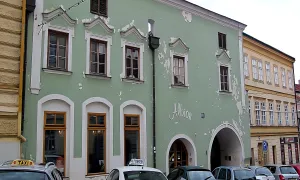
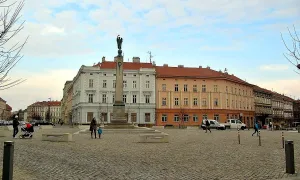
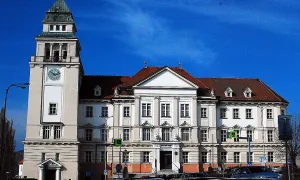
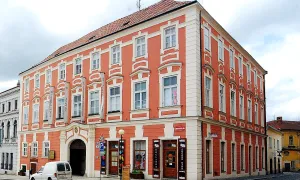
Real photos taken near the monument

Zdroj a licence jsou uvedeny u každého snímku.
Tips from visitors
No tips yet. Be the first!
Log in and add your tip.
Sources and literature
Photos: GuentherZ / CC BY 3.0 — Wikimedia Commons. The author and licence also appear when you hover over the image.
Faktickým podkladem tohoto textu byl článek na Wikipedii, jehož autory jsou přispěvatelé Wikipedie. Článek je dostupný pod licencí CC BY-SA 4.0.
Location on the map

Fotografie návštěvníků
Zatím žádné fotografie. Buďte první, kdo přidá fotografii z návštěvy!
Log in a přidejte svou fotografii nebo hodnoťte.
Za ověřenou návštěvu v aplikaci získáte víc bodů — poznáme podle GPS, že jste na místě.
Reviews and comments