






Muzeum Cheb Museum
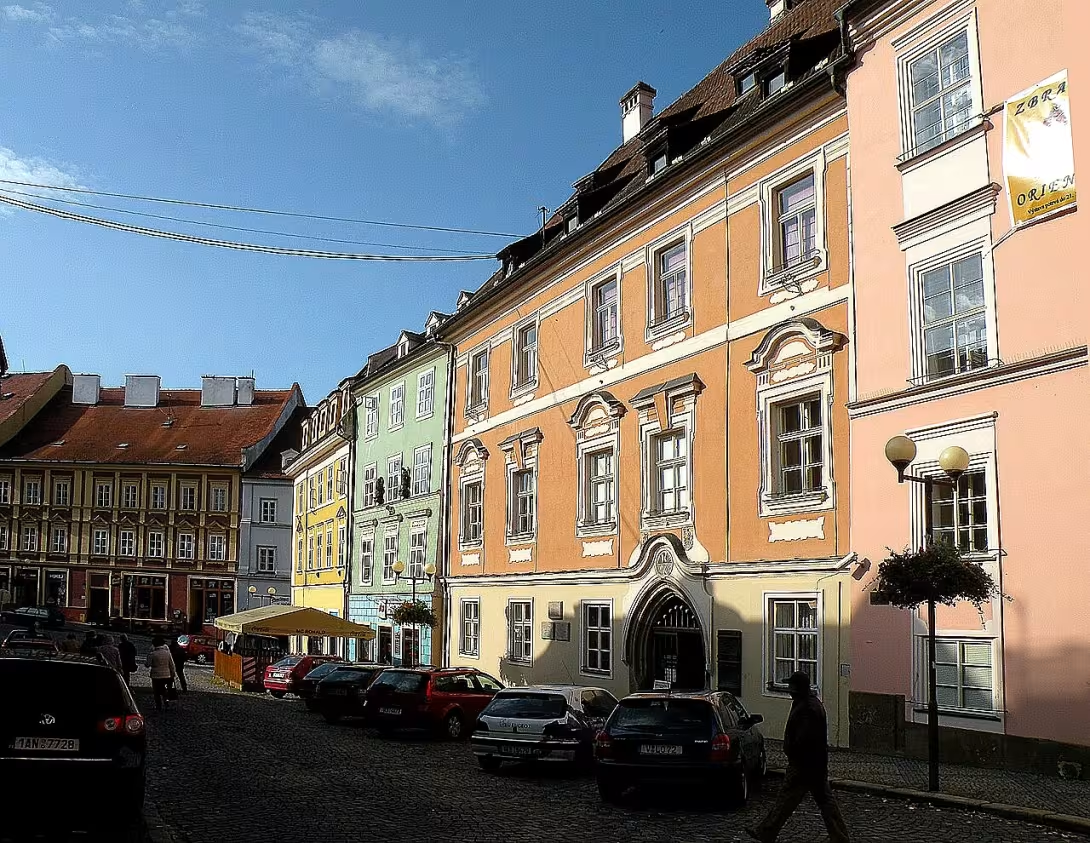
The Muzeum Cheb is located in Pachelbelův dům, on Krále Jiřího z Poděbrad Square in Cheb. Established as one of Bohemia's oldest regional museums, it opened to the public on May 15, 1874. The museum focuses on Cheb's history, Albrecht von Wallenstein, and the Thirty Years' War, making it a significant cultural site that has endured through both World Wars.
The origins of Muzeum Cheb trace back to its establishment in 1873 by Georg Schmid(t), an archivist and librarian. Its founding aimed to preserve regional history during a time when Bohemia was part of the Austro-Hungarian Empire, experiencing significant cultural and political changes. This period marked Europe’s transition through industrialization and shifting national boundaries.
Architecturally, the museum building dates back to the 14th century, originally constructed in the Gothic style. It underwent Renaissance reconstruction at the beginning of the 17th century, reflecting its historical significance as a townhouse that served various roles over time, including as a residence for city officials like Wolf Adam and Alexander Pachelbel. The building's history is further enriched by its association with Albrecht von Wallenstein, who was assassinated there in 1634.
Ownership of the museum has seen several transitions, beginning with early 17th-century figures such as Wolf Adam and Alexander Pachelbel. After the Thirty Years' War, it became part of the city's assets. Over time, notable administrators like Georg Schmid(t), Karl Siegl, and Heribert Sturm played crucial roles in its development and preservation. During World War II, despite challenges due to Sturm’s nationalistic affiliations, efforts were made to safeguard valuable exhibits from Allied bombings.
Key events in the museum's history include a fire in January 1907 that damaged part of its collection. The subsequent inventory by Karl Siegl revealed around 3,300 items, including significant acquisitions like Hermann Hallwich's Wallenstein collection and an ethnographic collection donated by Unser Egerland society. During World War II, valuable exhibits were evacuated to protect them from Allied bombings, a testament to the museum’s resilience.
Today, Muzeum Cheb stands as a testament to regional history, offering exhibitions that delve into the rich past of Cheb, including its association with Albrecht von Wallenstein and the Thirty Years' War. Its collections include unique artifacts such as the chebské antepedium and a Romanesque embroidery from the Clarisse convent in Cheb. The museum's proximity to historical sites like Soos u Františkových Lázní nature reserve enhances its appeal, providing visitors with a comprehensive cultural experience.
Visiting Muzeum Cheb offers an opportunity to explore a pivotal piece of Bohemian history through its well-preserved collections and exhibitions. Its enduring legacy as one of the oldest regional museums in the region makes it a must-see for anyone interested in understanding the historical tapestry of Cheb and its surroundings.
Then and now
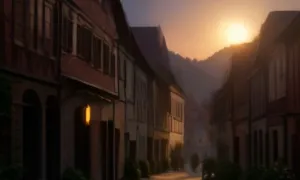
Drag the slider to compare how the landmark may have looked when it was built with the view today.
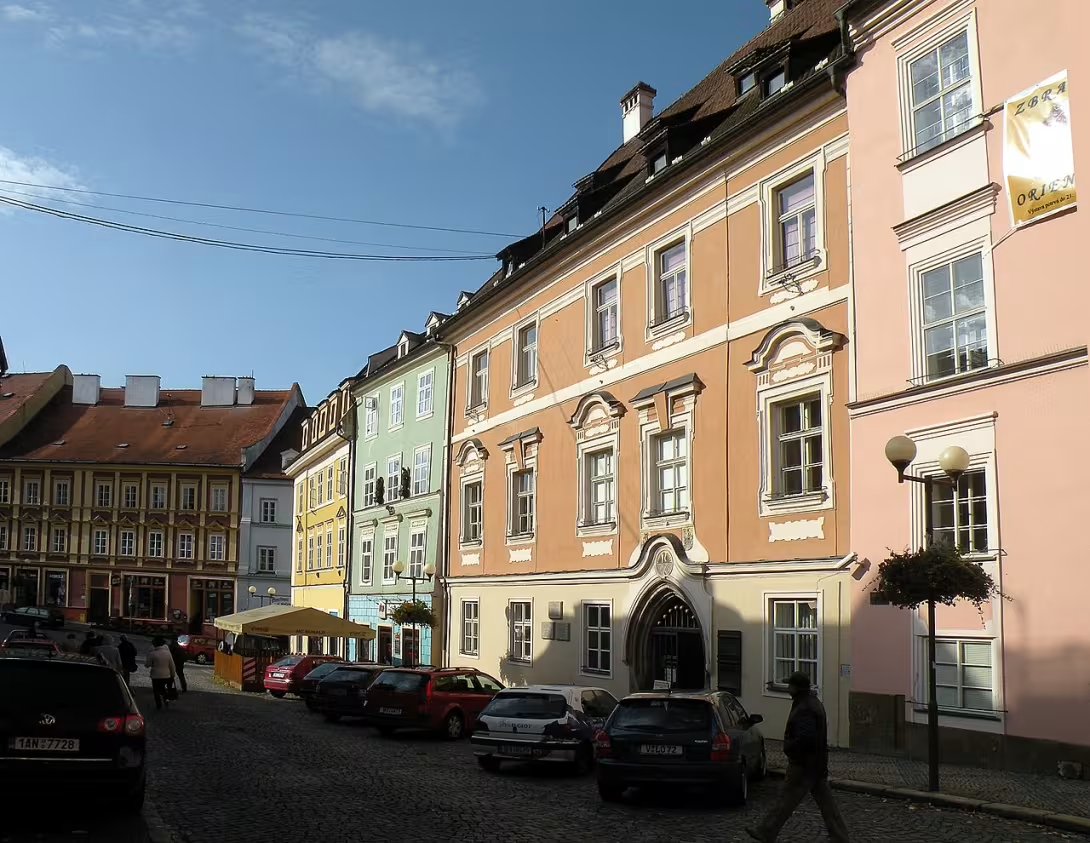
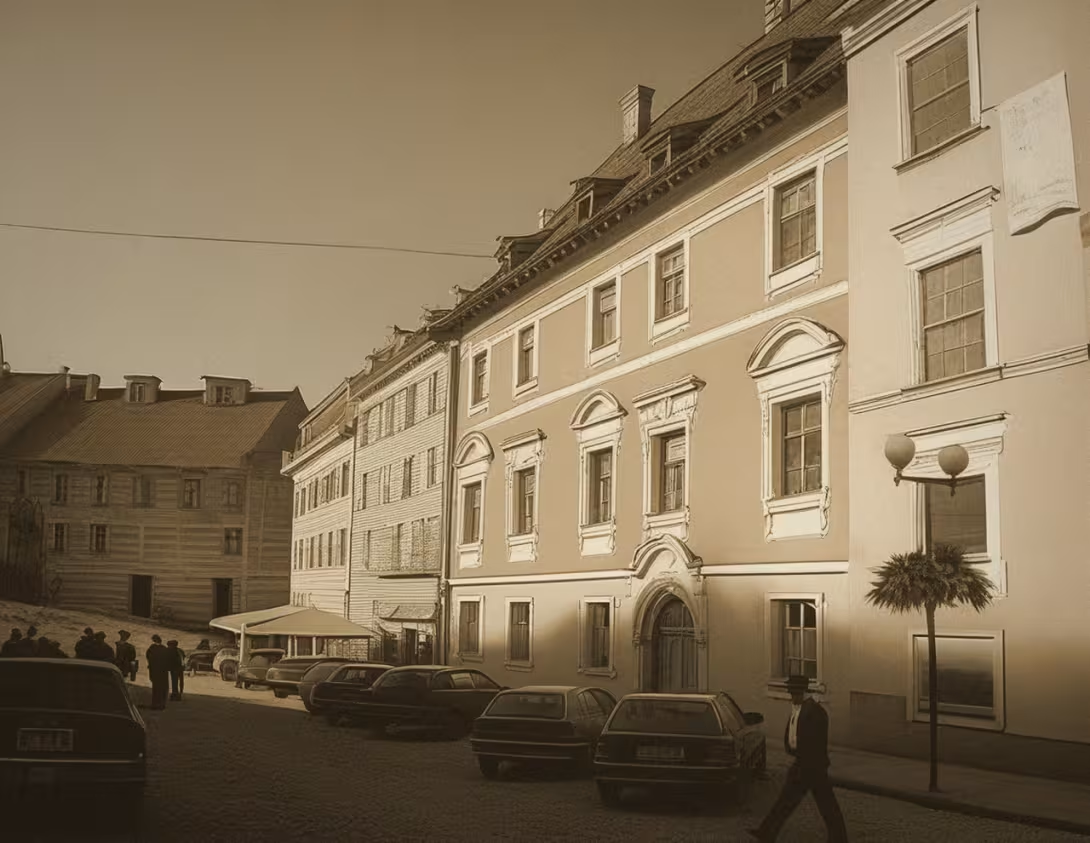
The historical appearance on the left is an AI-generated visualisation and serves as inspiration only.
Historical milestones
- 1634
- Albrecht von Wallenstein was assassinated in this building.
- 1873
- The museum was founded by Georg Schmid(t).
- 1907
- A fire damaged part of the collection.
- 1944
- Valuable exhibits were evacuated due to Allied bombings.
Architectural development
The museum building dates back to the 14th century and was originally a Gothic structure. It underwent Renaissance reconstruction at the beginning of the 17th century. Over time, it served various roles including as a town hall and residence for city officials.
Historical events
The museum was founded in 1873 and opened to the public on May 15, 1874.
A fire damaged part of the collection in January 1907.
During World War II, valuable exhibits were evacuated due to Allied bombings.
Owners
Wolf Adam (early 17th century)
Alexander Pachelbel (early 17th century)
City of Cheb (post-30 Years' War)
Points of interest
- The Muzeum Cheb is housed in a building that dates back to the 14th century and was originally constructed in the Gothic style before undergoing Renaissance reconstruction at the beginning of the 17th century.
- Albrecht von Wallenstein, a notable historical figure associated with the Thirty Years' War, was assassinated in Pachelbelův dům in 1634, adding to the building's rich historical narrative.
Guide
This guide is narrated by a synthetic voice generated by artificial intelligence.
Show guide text
This text was created by artificial intelligence and has not been editorially reviewed. It may contain inaccuracies.
Welcome to the historic heart of Cheb, where you stand before a remarkable testament to time and culture—the Muzeum Cheb. Nestled on Krále Jiřího z Poděbrad Square, this museum resides in the storied Pachelbelův dům, a townhouse that whispers tales from centuries past. As you adjust your headphones, let's embark on a journey through history and architecture.
The Muzeum Cheb traces its origins back to 1873 when Georg Schmid(t) founded it as one of Bohemia’s oldest regional museums. It officially opened its doors to the public on May 15, 1874. This museum is not just a repository of artifacts; it's a narrative woven into the very fabric of Cheb, focusing on pivotal moments in history such as the Thirty Years' War and figures like Albrecht von Wallenstein.
As you gaze upon the building, notice its Gothic roots dating back to the 14th century. Over time, this structure embraced Renaissance influences at the dawn of the 17th century, reflecting a blend of architectural styles that speak volumes about its resilience through eras of change. The façade itself is an invitation to delve deeper into history.
Within these walls, you’re stepping into a place where history was made in 1634 when Albrecht von Wallenstein met his fate. His assassination here adds a layer of intrigue and gravity to the museum's narrative. Each artifact within tells part of this story, connecting us with the past through tangible pieces of time.
The museum has weathered its share of challenges, from fires that threatened its collections in 1907 to the evacuation of valuable exhibits during the Allied bombings in 1944. Yet, it stands resilient, a beacon of preservation and education amidst adversity.
As you explore further, let your imagination wander through the stories of Georg Schmid(t), Maria Glocker (also known as Ernst Stirner), Alois John, Karl Siegl, Heribert Sturm, Jan Kubín, and Mira Mladějovská. These figures have contributed to the museum’s legacy, each adding their own thread to its rich tapestry.
Now, consider this: The building housing the Muzeum Cheb has stood for over six centuries, witnessing the ebb and flow of history. It's a silent guardian that has seen epochs unfold—from the Renaissance to modern times—each leaving its mark on this enduring structure.
As we draw our audio tour to a close, I invite you to linger in the presence of these walls, to let your curiosity guide you through each exhibit, and to discover more about Cheb’s storied past. Thank you for joining me on this journey; may your visit here inspire you to explore further and cherish history's enduring stories.
Tips for visitors
The best time to visit the Muzeum Cheb is during late spring or early autumn when the weather is pleasant, allowing for comfortable exploration of both the museum and nearby outdoor sites like Soos u Františkových Lázní nature reserve. These seasons offer mild temperatures and fewer crowds, enhancing your experience as you explore the rich cultural landscape of Cheb.
Parking near Muzeum Cheb can be found in the vicinity of Krále Jiřího z Poděbrad Square. For those preferring public transport, the museum is accessible by bus or tram; however, it's advisable to check current routes and schedules online before your visit. This ensures a smooth journey to this historical site.
When visiting Muzeum Cheb, consider bringing comfortable walking shoes as you'll likely explore both indoor exhibits and outdoor sites nearby. A camera or smartphone is recommended for capturing the architectural beauty of Pachelbelův dům and the historic Špalíček houses. Early morning light provides excellent conditions for photography in these areas.
For families with children, Muzeum Cheb offers an engaging experience with its historical exhibits that can spark interest in regional history. Nearby attractions such as the Soos u Františkových Lázní nature reserve are perfect for a family outing, offering trails and natural scenery within a short drive from the city.
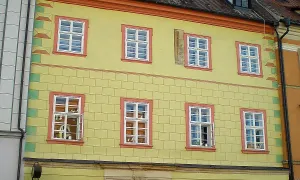
In addition to visiting Muzeum Cheb, consider exploring other nearby sites within 30 minutes, such as the Špalíček houses. These unique townhouses offer insight into local architecture and history, making them an ideal complement to your museum visit.
Businesses nearby
Do you run a restaurant, accommodation, shop, museum, rental, wellness or other visitor service near this monument? Show yourself directly to the people heading to it — this is how they will see you in the app and on the web:
Nearby
Located in Cheb, the museum is near historical sites such as the Chebsko region and Soos u Františkových Lázní nature reserve. The city itself offers a rich cultural landscape with other monuments like the Špalíček houses.
Accommodation nearby
Themed route
Thematic Walking Tour: Cheb and Its Cultural Heritage
1. Muzeum Cheb (Museum of Cheb) - *Type:* Museum - *Why Visit:* Begin your journey at the heart of Cheb's cultural heritage with the Muzeum Cheb, which offers a deep dive into the region's rich history and art. The museum showcases local artifacts and exhibitions that highlight the historical significance of the area.
2. Špalíček Houses - *Type:* Historical Monuments - *Why Visit:* A short walk from the museum will lead you to the charming Špalíček houses, a unique architectural ensemble in Cheb. These colorful row houses are renowned for their distinctive design and vibrant facades, reflecting the town's historical charm.
3. Chebsko Region - *Type:* Historical Sites - *Why Visit:* Explore the broader Chebsko region to appreciate its historical significance. This area is steeped in history, offering insights into the cultural evolution of Cheb and its surroundings through various landmarks and sites that tell stories from different eras.
4. Soos u Františkových Lázní Nature Reserve - *Type:* Natural Site - *Why Visit:* Conclude your tour with a visit to Soos u Františkových Lázní nature reserve, located nearby. This serene natural area provides a beautiful contrast to the historical sites you've explored, offering picturesque landscapes and tranquil settings for reflection.
This thematic walking tour offers a comprehensive experience of Cheb's cultural and natural heritage, connecting history with the beauty of its surroundings.
Seasonal recommendations
Spring: Visiting the Cheb Museum during spring offers a unique experience as nature comes alive with blooming flowers and fresh greenery, creating an enchanting atmosphere around the historic site. The longer daylight hours provide excellent natural lighting for exploring exhibits, enhancing the visual appeal of artifacts. This time is ideal for those who enjoy mild weather, but it's wise to carry a light jacket or umbrella due to occasional spring showers. While visitor numbers are moderate, arriving early can help avoid any potential queues and allow for a more leisurely exploration.
Summer: The summer months bring vibrant energy to the Cheb Museum as visitors flock to enjoy the warm weather and longer days. This period is characterized by bustling activity both inside and outside the museum, with lush landscapes surrounding the historic site in full bloom. It's advisable to wear comfortable clothing suitable for warmer temperatures and plan your visit during off-peak hours, such as early mornings or late afternoons, to avoid large crowds. Don't forget sun protection like hats and sunscreen to ensure a pleasant experience.
Autumn: Autumn at the Cheb Museum offers a serene and picturesque setting with its rich tapestry of fall colors enhancing the historic ambiance of the site. The cooler weather makes it an ideal time for exploration without the summer heat, though visitors should dress in layers to accommodate fluctuating temperatures. As the days grow shorter, natural lighting inside the museum becomes softer, creating a cozy atmosphere perfect for appreciating the exhibits. This is also a quieter period compared to peak tourist seasons, allowing for more intimate engagement with the history on display.
Winter: Winter transforms the Cheb Museum into a magical experience as snow blankets the historic surroundings, adding a touch of enchantment to the visit. The shorter days mean that natural lighting inside the museum may be limited, but this creates an opportunity to enjoy the exhibits in a unique setting illuminated by artificial lights. Visitors should dress warmly and prepare for potentially icy conditions when traveling to the site. Although visitor numbers are typically lower during this season, it's still wise to check opening hours as they can vary due to shorter daylight periods.
Visualizations and artistic views


The visualisations are generated by artificial intelligence and serve as inspiration.
Photos from the area
Real photos taken near the monument


Zdroj a licence jsou uvedeny u každého snímku.
Tips from visitors
No tips yet. Be the first!
Log in and add your tip.
Sources and literature
Fotografie: Витольд Муратов / CC BY-SA 3.0 — Wikimedia Commons. The author and licence also appear when you hover over the image.
Faktickým podkladem tohoto textu byl článek na Wikipedii, jehož autory jsou přispěvatelé Wikipedie. Článek je dostupný pod licencí CC BY-SA 4.0.
Location on the map

Příběhy a pověsti
Legendy, pověsti a příběhy spjaté s touto památkou
Fotografie návštěvníků
Zatím žádné fotografie. Buďte první, kdo přidá fotografii z návštěvy!
Přihlaste se a přidejte svou fotografii nebo hodnoťte.
Za ověřenou návštěvu v aplikaci získáte víc bodů — poznáme podle GPS, že jste na místě.
Reviews and comments