






Náměstí Republiky 15 House
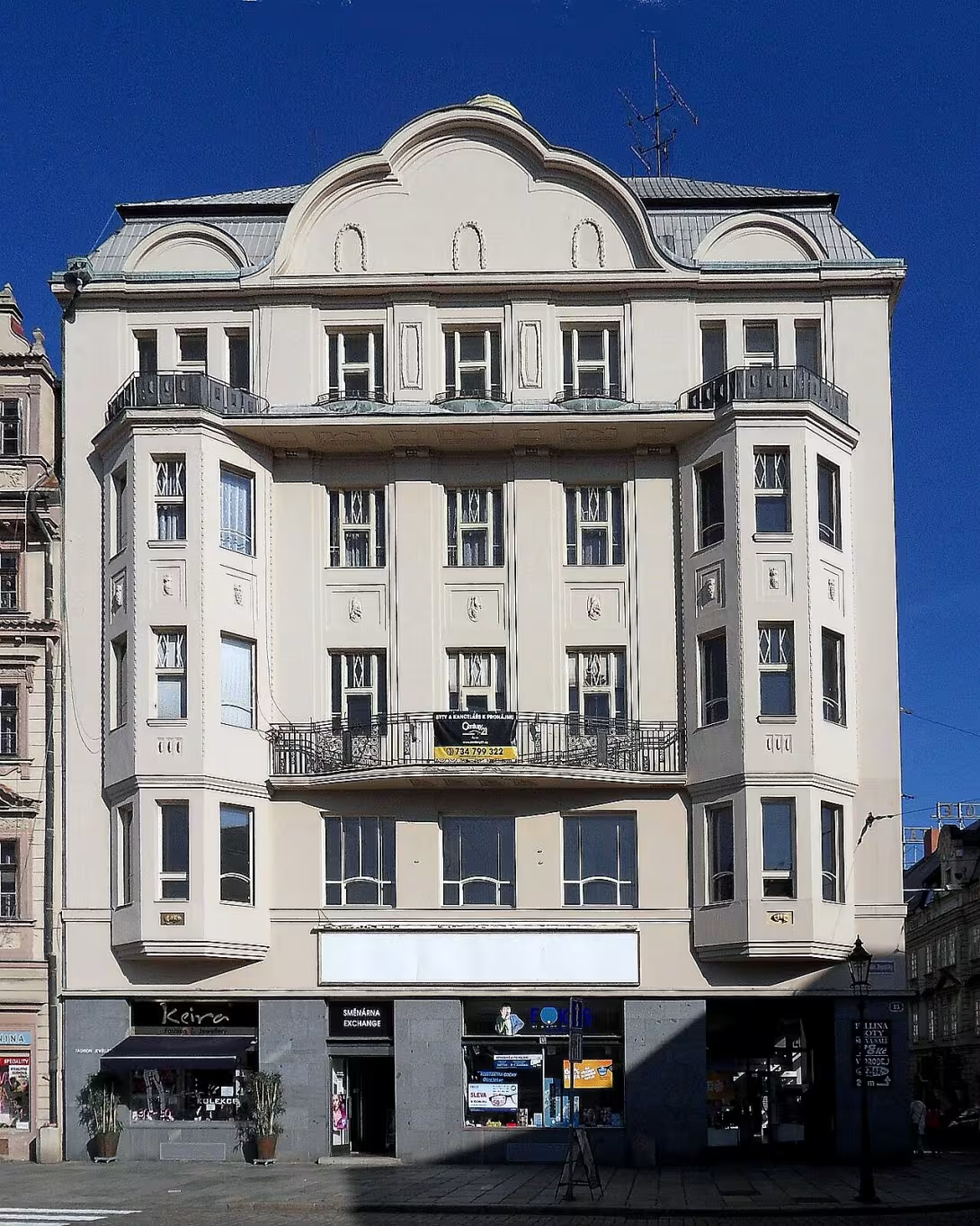
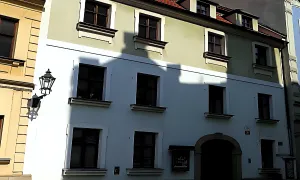
Náměstí Republiky 15 in Plzeň houses Dům dědiců Svátkových, a notable example of Secessionist architecture with Modernism elements. Located at the intersection of Zbrojnická ulice and Náměstí Republiky, it has been recognized as a cultural monument since 1991. Its architectural significance stems from its transformation in the early 20th century, reflecting broader cultural shifts in Bohemia.
The building's origins trace back to two separate houses, numbers 109 and 110, unified into one property by Josef and Josefa Tuschnerové in 1844. This merger set the stage for significant architectural evolution decades later. Between 1909 and 1911, architect Alois Dryák guided its extensive reconstruction, marking a transition from traditional styles to modernist approaches influenced by Secessionism across Europe.
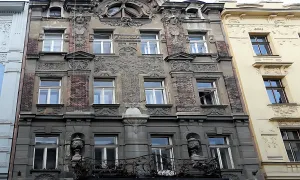
Architecturally, Dům dědiců Svátkových blends Secessionist elements with Modernism. The four-story building features a five-bay façade facing the square and an eight-bay façade along Zbrojnická ulice. Notable highlights include two side flat three-story arcades capped with balconies on the square-facing façade, and a broad balcony in the second story adorned with secessionist wrought-iron railings. The façade is crowned by a trefoil-shaped shield. On the street-facing side, two flat two-story arcades topped with sheet metal roofs draw attention, especially near the corner where a ceramic relief depicting the Four Seasons by academic sculptor Josef Drahoňovský can be found. Additional small reliefs by Otokar Walter enhance the main entrance.
Ownership of this property has seen several notable figures over the centuries. Besides the Tuschnerové, it was once owned by zlatník Jiřík in the 16th century, Vlach Marian Botule, Jan Arnošt Štoc, Jan Adam Sammer, and Ignác Muerzinski z Polné. The significant reconstruction phase saw manželé Svátkovi as investors, further embedding their legacy into the building's history.
Today, Dům dědiců Svátkových stands as a testament to early 20th-century architectural innovation in Plzeň. Its status as a cultural monument underscores its importance within the city and Bohemia’s rich historical tapestry. Visitors are drawn to Náměstí Republiky, where this building is situated amidst other significant urban architecture, making it an essential stop for those exploring Plzeň's architectural heritage.
The enduring value of Dům dědiců Svátkových lies in its ability to encapsulate a pivotal era in Bohemian history through its unique blend of styles and artistic elements. Its preservation as a cultural monument ensures that future generations can appreciate the architectural ingenuity and historical significance it represents. A visit offers an insightful glimpse into the past, inviting exploration and admiration for its storied walls and intricate designs.
Then and now
Drag the slider to compare how the landmark may have looked when it was built with the view today.
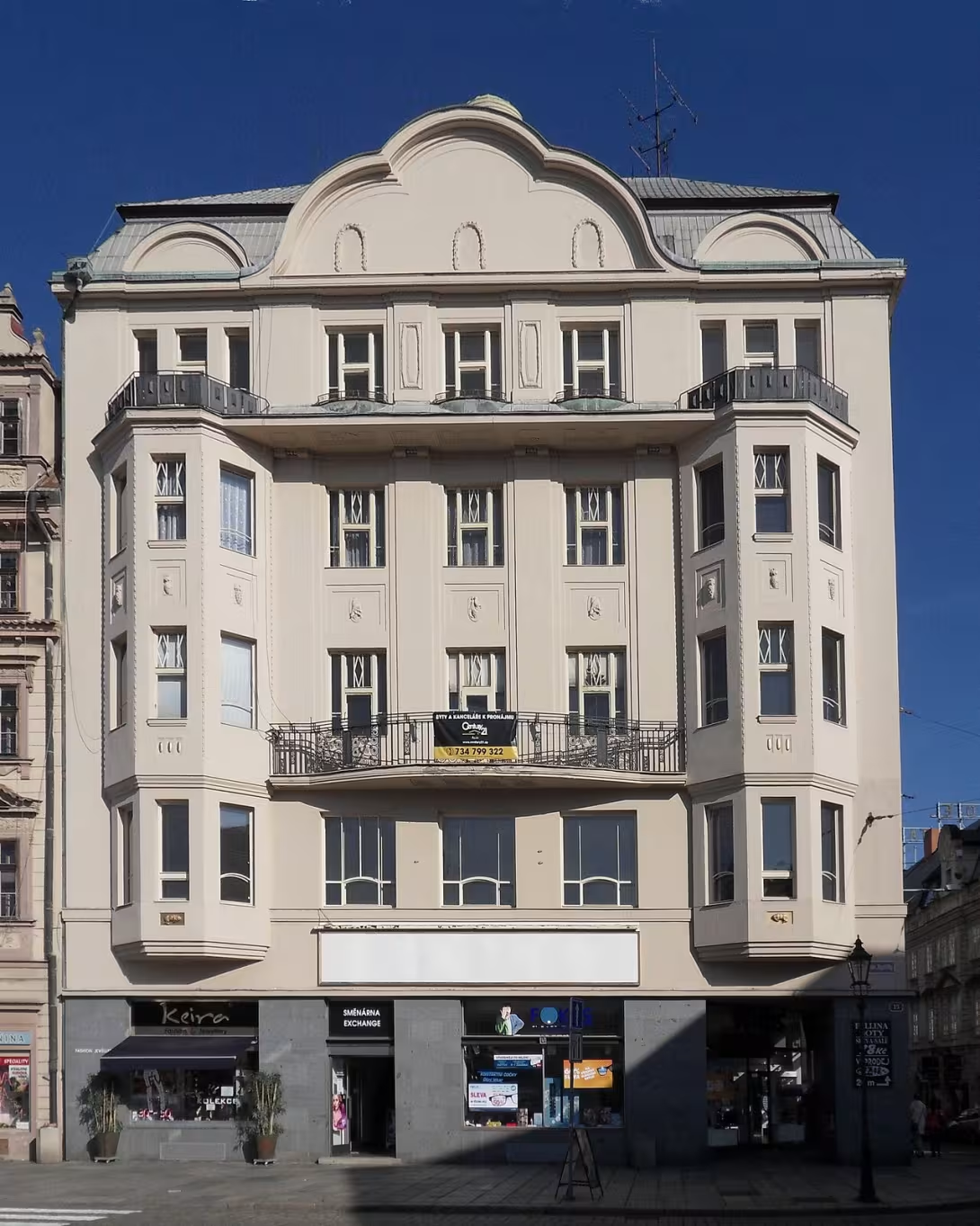
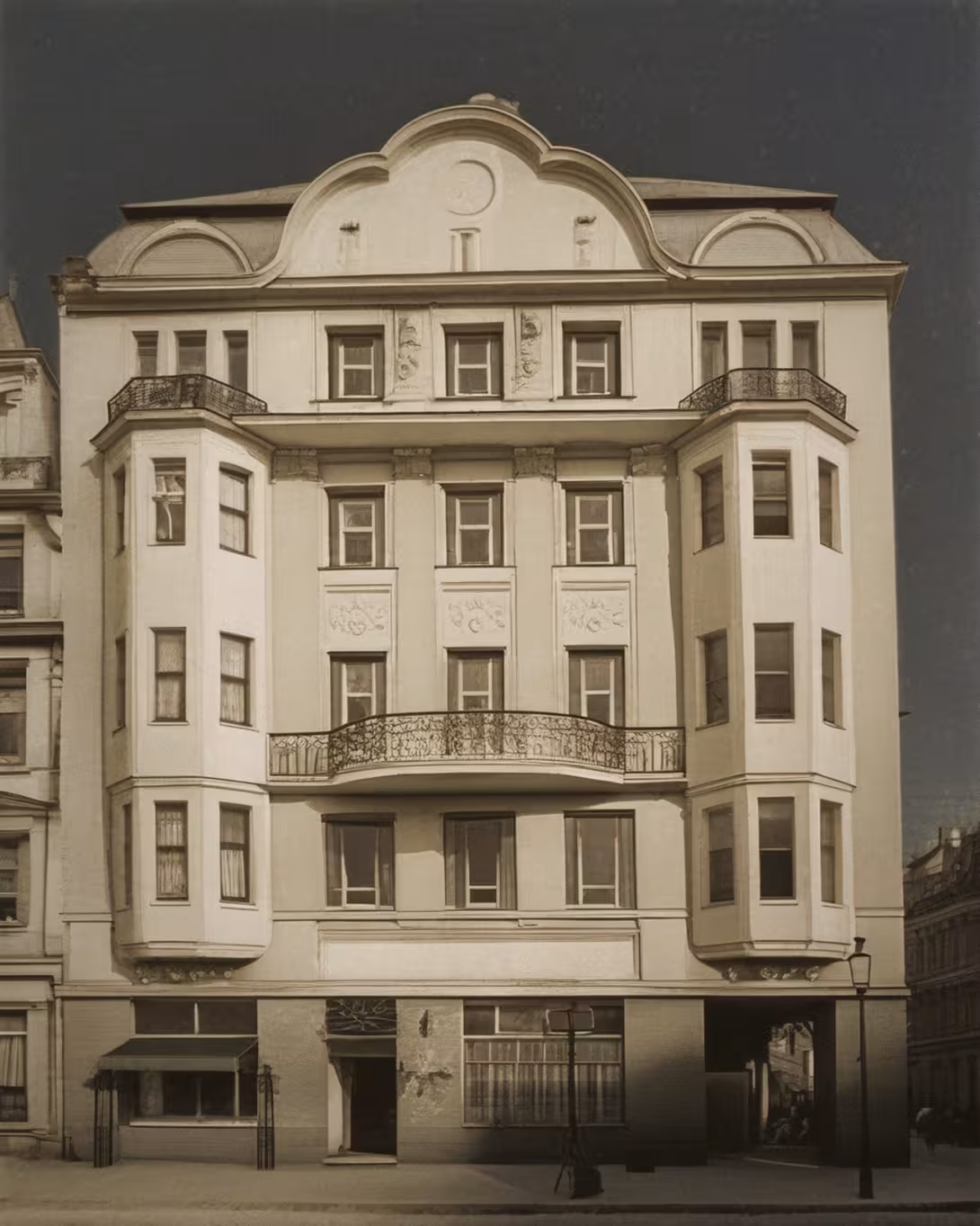
The historical appearance on the left is an AI-generated visualisation and serves as inspiration only.
Historical milestones
- 1991
- The building was declared a cultural monument.
Architectural development
Initially comprising two separate structures, the house underwent major changes in the early 20th century. The architectural redesign by Alois Dryák introduced Secessionist elements and modern features, transforming it into a cohesive four-story building with distinctive arcades and balconies.
Historical events
In 1844, the houses were merged into a single property by Josef and Josefa Tuschnerové.
The significant reconstruction of the building took place between 1909-1911.
Owners
The property's ownership history includes notable figures such as Josef and Josefa Tuschnerové, zlatník Jiřík in the 16th century, Vlach Marian Botule, Jan Arnošt Štoc, Jan Adam Sammer, Ignác Muerzinski z Polné, and later the manželé Svátkovi.
Points of interest
- The building's transformation from two separate houses into a single property by Josef and Josefa Tuschnerové in 1844 laid the groundwork for its later architectural evolution, highlighting an early example of urban consolidation in Plzeň.
- Architect Alois Dryák not only oversaw the extensive reconstruction between 1909 and 1911 but also infused the building with a unique blend of Secessionist elements and Modernism, reflecting broader European artistic movements during that period.
- The ceramic relief depicting the Four Seasons by Josef Drahoňovský on the street-facing façade is an intriguing example of integrating art into architecture, showcasing how local artists contributed to the building's aesthetic appeal.
- Ownership history includes notable figures such as zlatník Jiřík from the 16th century and Ignác Muerzinski z Polné, illustrating a rich tapestry of diverse professions and influences linked to this property over centuries.
- The small reliefs by Otokar Walter at the main entrance add an additional layer of artistic detail, emphasizing the building's role as both a functional space and a canvas for early 20th-century Bohemian artistry.
Guide
This guide is narrated by a synthetic voice generated by artificial intelligence.
Show guide text
This text was created by artificial intelligence and has not been editorially reviewed. It may contain inaccuracies.
Welcome to Náměstí Republiky 15 in Plzeň, a place where history and architectural beauty converge. As you stand here, take a moment to appreciate the elegant facade before you. This building, known as Dům dědiců Svátkových, is a remarkable example of Secessionist architecture with elements of Modernism that captivate your senses.
Let's delve into its origins and historical context. The transformation of this site began in 1844 when Josef and Josefa Tuschnerové united two separate houses into one property. This early act of urban consolidation set the stage for what would become a significant architectural evolution. Fast forward to the turn of the century, between 1909 and 1911, and you'll find that Alois Dryák, a visionary architect, was instrumental in its redesign. Under his guidance, the building underwent extensive reconstruction, unifying its form into the striking structure we see today.
Now, direct your gaze at the architectural features that define this edifice. Notice the distinctive arcades and balconies that adorn the facade—these are characteristic elements of Secessionist style, blending seamlessly with Modernist influences. The design is both graceful and bold, inviting you to explore its details further.
Throughout its history, this building has been home to various stories and personalities, though many remain unnamed. Yet, it stands as a testament to the architectural vision of Alois Dryák, whose work on this site left an indelible mark on Plzeň's urban landscape.
Here's something intriguing: in 1991, Náměstí Republiky 15 was declared a cultural monument. This recognition underscores its significance not just as a structure but as a piece of living history that continues to enchant and educate those who visit.
As you take in the atmosphere around you, consider this place more than just bricks and mortar—it's a narrative woven into the fabric of Plzeň itself. I invite you to continue exploring and discovering what other stories lie within its walls and beyond.
Thank you for joining me on this journey through time and design. May your exploration be filled with wonder and inspiration as you uncover the layers of history that Náměstí Republiky 15 has to offer. Safe travels, and until next time!
Frequently asked questions
Can the monument be visited?
This is a residential or farm building, not a museum with opening hours. Please view it from public space and respect the owners' privacy. We have no information about access to the interior.
Where is the monument?
Location: Plzeň, Plzeňský kraj. The map on this page shows the exact spot.
Why is the monument protected?
It is listed in the Central List of Cultural Monuments of the Czech Republic as a cultural monument (register no. 1000156639).
Businesses nearby
Do you run a restaurant, accommodation, shop, museum, rental, wellness or other visitor service near this monument? Show yourself directly to the people heading to it — this is how they will see you in the app and on the web:
Events nearby

Zdroj akcí: otevřená data měst a obcí ČR (Národní katalog otevřených dat) a kalendář akcí Národního památkového ústavu.
Nearby
Náměstí Republiky is a central square in Plzeň, surrounded by other historical and modern buildings. The area features significant urban architecture and serves as an important public space.
Accommodation nearby
Trips and activities nearby
Guided tours, tickets and activities nearby from GetYourGuide
Affiliate link: if you buy from the partner, we may receive a commission. The price for you does not change.
Search tours and activities →Themed route
Thematic Walking Tour of Náměstí Republiky, Plzeň
1. Náměstí Republiky 15 (dům) - Type: Historical Building - Why Visit: This iconic building is a prime example of Art Nouveau architecture in Plzeń and serves as the headquarters for the Czech Technical University in Plzeň. Its intricate design and historical significance make it a must-see for anyone interested in architectural history.
2. Náměstí Republiky Fountain - Type: Public Sculpture - Why Visit: Located at the heart of Náměstí Republiky, this fountain is not only a beautiful piece of art but also a central gathering spot for locals and tourists alike. Its presence enhances the square's vibrant atmosphere and offers a picturesque setting for relaxation.
3. Náměstí Republiky Surrounding Buildings - Type: Urban Architecture - Why Visit: The buildings surrounding Náměstí Republiky showcase a blend of historical and modern architecture, reflecting the city's evolution over time. Walking around these structures provides insight into Plzeň's urban development and architectural diversity.
4. Náměstí Republiky as Public Space - Type: Urban Square - Why Visit: As a central public space in Plzeň, Náměstí Republiky is the heart of city life where cultural events, markets, and social gatherings take place. Its significance lies not only in its architecture but also as a lively hub for community interaction.
This tour offers a comprehensive exploration of Náměstí Republiky, highlighting its architectural beauty and role as a central urban space in Plzeň.
Seasonal recommendations
Spring: Visiting Náměstí Republiky 15 during spring offers a delightful experience as the city of Plzeň awakens with vibrant colors and fresh blossoms. The daylight hours are longer, providing ample time to explore the historical details of the building under the gentle glow of early morning or late afternoon light. Spring weather can be unpredictable, so it's wise to dress in layers that accommodate both warm sunshine and occasional rain showers. This season often sees fewer tourists compared to summer, allowing for a more tranquil visit where you can appreciate the architecture without large crowds.
Summer: Summer is an ideal time to explore Náměstí Republiky 15 as Plzeň basks in long days filled with sunshine and warm temperatures. The lively atmosphere of this season invites visitors to enjoy outdoor cafes and vibrant street life surrounding the historical site. However, it's important to plan your visit early in the day or later in the afternoon to avoid peak tourist hours when the area can become quite busy. Light, breathable clothing is recommended to stay comfortable during your exploration, and don't forget sunscreen for protection against the strong summer sun.
Autumn: Autumn brings a picturesque setting to Náměstí Republiky 15 with its rich palette of reds, oranges, and yellows adorning the surrounding trees. The cooler temperatures make it an enjoyable time for leisurely strolls through Plzeň's historic center without the summer crowds. As days begin to shorten, it’s beneficial to take advantage of longer daylight hours by visiting in the morning or early afternoon. Layered clothing is advisable as temperatures can vary significantly throughout the day, and carrying a light jacket will help you stay comfortable during cooler evenings.
Winter: Winter transforms Náměstí Republiky 15 into a charming scene with festive lights and decorations that enhance its historical grandeur. The crisp air and shorter days create a unique atmosphere perfect for capturing memorable photos of the area blanketed in snow. However, visitors should be prepared for colder temperatures by dressing warmly in coats, hats, gloves, and scarves. Planning your visit earlier in the day can help you make the most of the available daylight while avoiding any potential winter closures or delays.
Visualizations and artistic views


The visualisations are generated by artificial intelligence and serve as inspiration.
Photos from the area
Real photos taken near the monument


Zdroj a licence jsou uvedeny u každého snímku.
Tips from visitors
No tips yet. Be the first!
Log in and add your tip.
Sources and literature
Photos: Jik jik / CC BY-SA 3.0 — Wikimedia Commons. The author and licence also appear when you hover over the image.
Faktickým podkladem tohoto textu byl článek na Wikipedii, jehož autory jsou přispěvatelé Wikipedie. Článek je dostupný pod licencí CC BY-SA 4.0.
Location on the map
More monuments – Plzeň
Show all in the municipality

Příběhy a pověsti
Legendy, pověsti a příběhy spjaté s touto památkou
Fotografie návštěvníků
Zatím žádné fotografie. Buďte první, kdo přidá fotografii z návštěvy!
Log in a přidejte svou fotografii nebo hodnoťte.
Za ověřenou návštěvu v aplikaci získáte víc bodů — poznáme podle GPS, že jste na místě.
Reviews and comments