






Opatovický klášter Monastery
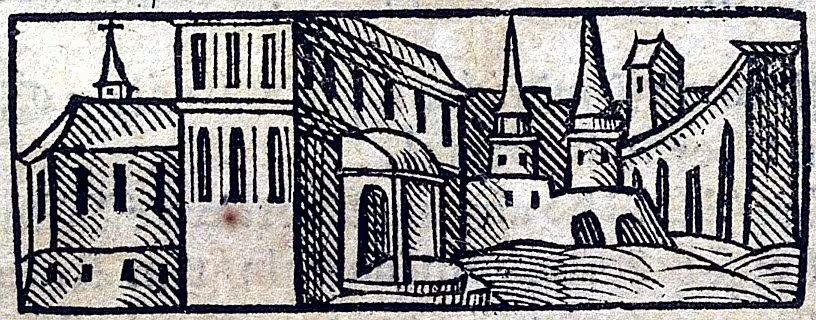
The Opatovický klášter, a medieval Benedictine monastery, was a significant cultural and spiritual hub in the region. Founded in 1086 by Vladislav II, it became a major center of learning and spirituality. Unfortunately, the monastery was destroyed by the Hussites in 1421, leaving behind only remnants of its glorious past.
The Opatovický klášter was built on the site of an older cell established by Mikulc, a nobleman, between 1086 and 1088. According to the founding charter, which dates back to the 12th century, Vladislav II elevated the monastery to the status of a St. Vitus' Abbey in 1086. Initially, the monastery held the villages of Opatovice, Osice, Vysoká, and Přelouč, and later acquired additional lands and villages, including Stolany, Lohenice, Březhrad, Dolany, and Stěžery, in 1129.
The original wooden buildings were replaced by a stone structure in the 12th century. Over the centuries, the monastery underwent rebuilding and expansion, incorporating various architectural styles and materials. The first known abbot of the monastery was Mysloch, who served from 1148 to 1163. He was ordained as a priest by Prague Bishop Daniel I and later became involved with the Cluny movement. After his return, Mysloch founded the first stone building of the monastery and the church.
The Opatovický klášter was a significant center of learning and spirituality. The monks created important written records, known as the Hradišťsko-opatovické letopisy, after they were forced to leave the monastery in Hradisko. During Charles IV's reign, Abbot Jan Neplach wrote a chronicle. The monastery was also known for its prosperity, with some legends suggesting it had a hidden treasure. However, the true extent of this treasure remains unknown.
The monastery's fortunes changed in 1415, when it was attacked and plundered by Jan Městecký z Opočna and Ota z Bergova. The abbot, Petr Lazur, was brutally murdered, and the monks who escaped fled to Hradec Králové. The king, initially outraged by the attack, eventually pardoned the perpetrators. In the following years, the monastery acquired new lands and villages, including those from Půta z Častolovic and Aleš Holický ze Šternberka.
However, the monastery's fate was sealed during the Hussite Wars. In 1421, the Hussites, led by Diviš Bořek z Miletínka, destroyed the monastery, and the monks fled to Silesia. The title of the Opatovický abbot was later associated with the position of the Probst of the Middle Region from 1436 to 1535. Today, the site of the former monastery is an important archaeological location, with remnants of the original buildings discovered during excavations in 1925.
The Opatovický klášter is a testament to the region's rich history and cultural heritage. Its legacy lives on, and visitors can still explore the remnants of this once-great monastery. The site serves as a reminder of the importance of preserving our cultural and historical heritage, inviting us to reflect on the transience of human endeavors.
Then and now
Drag the slider to compare how the landmark may have looked when it was built with the view today.
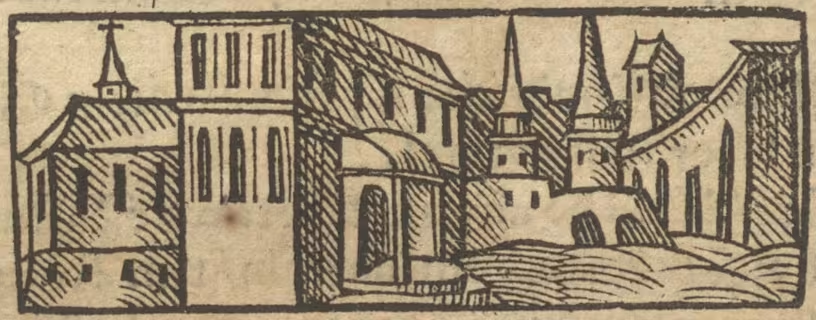
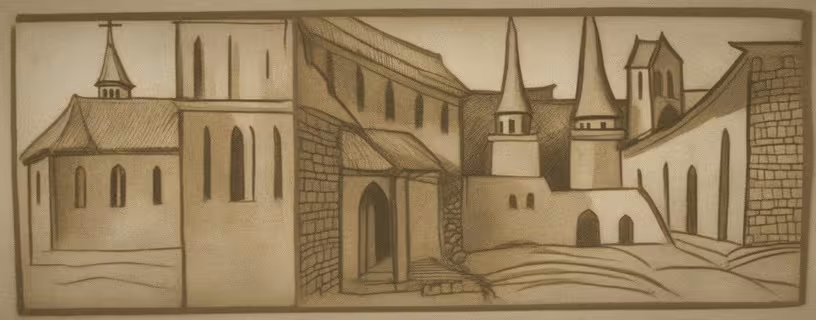
The historical appearance on the left is an AI-generated visualisation and serves as inspiration only.
Historical milestones
- 1086
- Founded by Vladislav II
- 1129
- Obtained additional lands and villages
- 1227
- Markrabí Vladislav was buried in the monastery
- 1415
- Attacked and plundered by Jan Městecký z Opočna and Ota z Bergova
- 1421
- Destroyed by the Hussites
Architectural development
The original wooden buildings were replaced by a stone structure in the 12th century. The monastery was rebuilt and expanded over the centuries, with various architectural styles and materials used.
Historical events
Founded in 1086 by Vladislav II
Destroyed by the Hussites in 1421
Excavations in 1925 uncovered remnants of the original buildings
Owners
Benedictine monks, Vladislav II
Points of interest
– The Opatovický klášter was initially established on the site of an older cell founded by Mikulc, a nobleman, between 1086 and 1088.
– The monastery's first abbot, Mysloch, was ordained as a priest by Prague Bishop Daniel I and later became involved with the Cluny movement.
– The monks of the Opatovický klášter created important written records, known as the Hradišťsko-opatovické letopisy, after they were forced to leave the monastery in Hradisko.
– The monastery was said to have had a hidden treasure, but the true extent of it remains unknown.
– The Opatovický klášter was a significant center of learning and spirituality during Charles IV's reign, with Abbot Jan Neplach writing a chronicle.
Guide
This guide is narrated by a synthetic voice generated by artificial intelligence.
Show guide text
This text was created by artificial intelligence and has not been editorially reviewed. It may contain inaccuracies.
Welcome to the Opatovický Klášter, a historic monument standing on the site where a significant Benedictine monastery once stood. You're standing in front of the wall that remains from the former convent, and you can feel like you've taken a step back into the past. The Opatovický Klášter was founded in 1086 by Vladislav II and became a center for education and spirituality.
Let's take a journey through time and discover how the monastery developed. In 1129, the monastery acquired additional land and villages that ensured its financial stability. Markrabí Vladislav was buried in the monastery church in 1227, which testifies to his importance in society at the time. In 1415, the monastery was attacked and plundered by Jan Městecký z Opočna and Oty z Bergova. And finally, in 1421, the monastery was destroyed by the Hussites.
Notice how you're presented with a view of the remnants of original buildings. The architecture of the monastery was influenced by the Romanesque period. The façade you see before you is a remnant of the former church. Take a closer look at the stone architecture and try to imagine what this place looked like several centuries ago.
The monastery was connected with many notable individuals. The first abbot, Mysloch, was ordained as a priest by Prague Bishop Daniel I and later joined the Cluny movement. Another significant figure was Jan z Orle, who served as the abbot of the monastery. Aleš Vřešťovský z Rýzmburka and Diviš Bořek z Miletínka were also notable individuals associated with Opatovický Klášter.
I invite you to explore this place further. The Opatovický Klášter is full of secrets and mysteries waiting to be unraveled. Wait a moment, take some photos, and then return back to the present.
Tips for visitors
The best time to visit the Opatovický klášter is during the spring and summer months when the weather is mild and the surroundings are lush and green.
It's a good idea to bring a camera and binoculars to capture the stunning views of the surrounding countryside and the monastery's architecture.
The best spots for photography are around the monastery's entrance and in the surrounding fields and forests, where you can capture the beautiful scenery and wildlife.
If you're looking for something to do nearby, you can visit the nearby town of Pardubice, which has a rich history and culture, or the nearby forests, where you can go hiking and explore the local wildlife.
Frequently asked questions
Can the monument be visited?
Religious buildings are usually open mainly during services; at other times a visit is normally arranged with the parish or the operator. We have not verified specific times. According to the heritage register the structure is in poor condition – do not enter it and take care nearby.
Where is the monument?
Location: Opatovice nad Labem, Pardubický kraj. The map on this page shows the exact spot.
Why is the monument protected?
It is listed in the Central List of Cultural Monuments of the Czech Republic as a cultural monument (register no. 34139/6-2120).
Businesses nearby
Do you run a restaurant, accommodation, shop, museum, rental, wellness or other visitor service near this monument? Show yourself directly to the people heading to it — this is how they will see you in the app and on the web:
Events nearby


Zdroj akcí: otevřená data měst a obcí ČR (Národní katalog otevřených dat) a kalendář akcí Národního památkového ústavu.
Nearby
The monastery is located in the countryside, surrounded by fields and forests.
Accommodation nearby
Themed route
Route: Opatovický Klášter and Surroundings
1. Opatovický Klášter (main attraction) This monastery is definitely worth a visit due to its unique history and architecture. Founded in 1130, it's one of the oldest monasteries in Bohemia. Its buildings are beautiful examples of Gothic architecture.
2. Way of the Cross (about 1 km from the monastery) Located near the monastery, this offers a nice walk among trees. The Way of the Cross is ideal for those seeking peace and tranquility in nature.
3. Hillside Meadow (about 2 km from the monastery) This spot offers a stunning view of the surrounding countryside and is perfect for a picnic or rest stop.
Seasonal recommendations
Spring
In the spring period, the Opatovický Klášter is surrounded by greenery and flowers. The atmosphere is calm and peaceful, with a pleasant feeling of renewal and new life. We recommend visiting after rain, when the sunlight highlights the interior's symmetry.
We suggest visiting in early March, when new walking trails are open and special spring events take place. Don't forget to bring an umbrella and comfortable shoes for a stroll around the area.
Summer
In the summer season, the Opatovický Klášter is surrounded by floral gardens and pleasant sunshine. The atmosphere is relaxed and peaceful, with a pleasant feeling of release. We recommend visiting in early July, when new walking trails are open and special summer events take place.
It's a good idea to arrive early to avoid tourist crowds. Don't forget to bring sunglasses and comfortable shoes for a stroll around the area.
Autumn
In the autumn period, the Opatovický Klášter is surrounded by the colors of nature and pleasant coolness. The atmosphere is calm and peaceful, with a pleasant feeling of slowing down and wrapping up the year. We recommend visiting in early October, when new walking trails are open and special autumn events take place.
It's a good idea to bring warm clothing and comfortable shoes for a stroll around the area. Don't forget to bring a camera to capture beautiful autumn scenes.
Winter
In the winter period, the Opatovický Klášter is surrounded by white snow and pleasant quietness. The atmosphere is calm and peaceful, with a pleasant feeling of stillness and quiet. We recommend visiting in early January, when special winter walking trails are open.
It's a good idea to bring warm clothing and comfortable shoes for a stroll around the area. The Opatovický Klášter has limited hours, so it's a good idea to check the opening time in advance.
Visualizations and artistic views


The visualisations are generated by artificial intelligence and serve as inspiration.
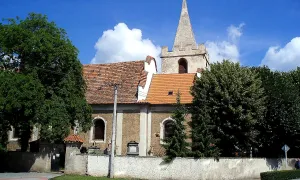
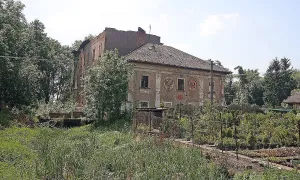
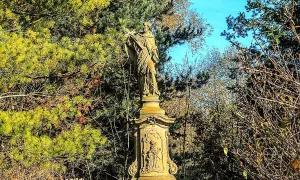
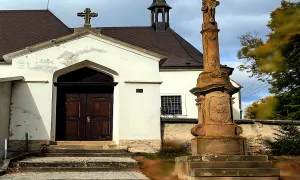
Photos from the area
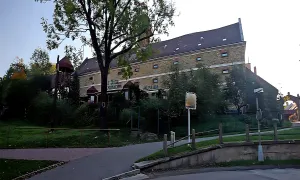
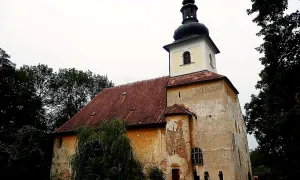
Real photos taken near the monument


Zdroj a licence jsou uvedeny u každého snímku.
Tips from visitors
No tips yet. Be the first!
Log in and add your tip.
Sources and literature
Photos: Bartosz Paprocki / CC BY-SA 4.0 — Wikimedia Commons. The author and licence also appear when you hover over the image.
Faktickým podkladem tohoto textu byl článek na Wikipedii, jehož autory jsou přispěvatelé Wikipedie. Článek je dostupný pod licencí CC BY-SA 4.0.
Location on the map
Příběhy a pověsti
Legendy, pověsti a příběhy spjaté s touto památkou

Fotografie návštěvníků
Zatím žádné fotografie. Buďte první, kdo přidá fotografii z návštěvy!
Log in a přidejte svou fotografii nebo hodnoťte.
Za ověřenou návštěvu v aplikaci získáte víc bodů — poznáme podle GPS, že jste na místě.
Reviews and comments