



Pevnost Radíkov 2 Fortress
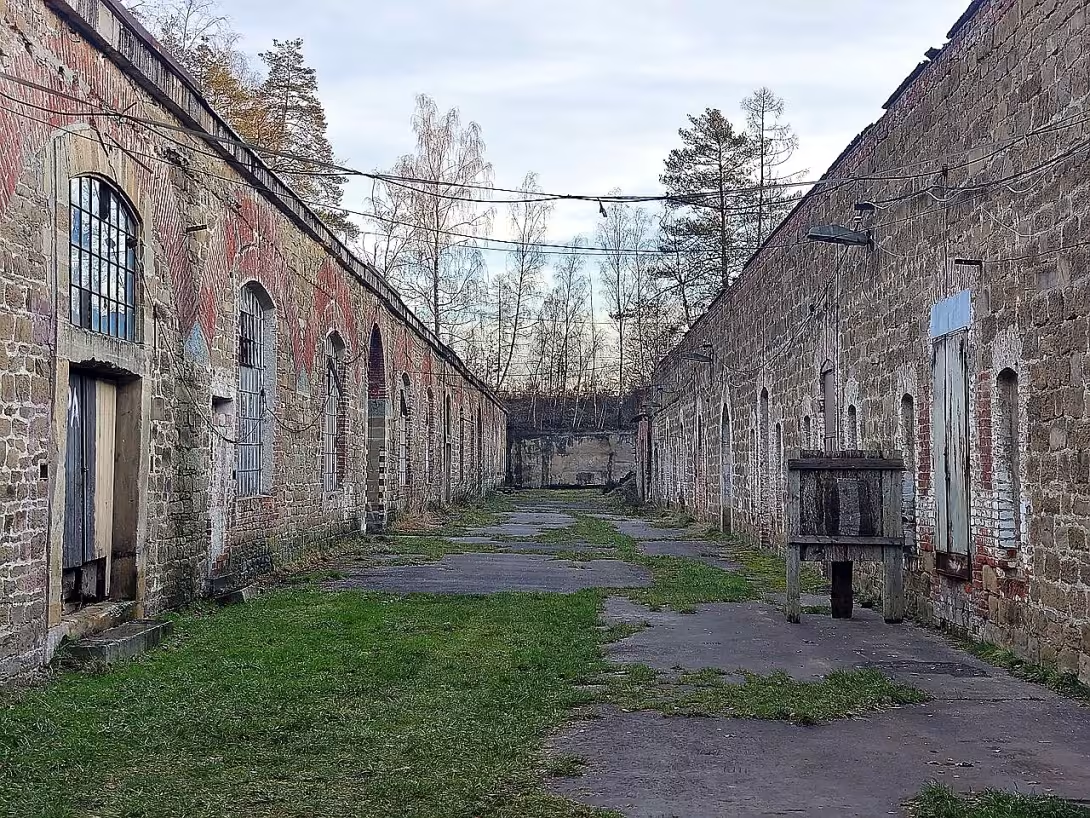
Fortress Radíkov, also known as Fort II Radíkov, is a unique artillery object without reduction, located in Olomouci. This preserved fort belongs to the wider system of Fortress Olomouc and is registered as a cultural monument of the Czech Republic.
The construction took place between 1871- 1876 as part of a larger fortification known as the Saint Kopecek Fest, which included three other objects: Tover No I, Radíkov No II, Lošov No III and Yazdín No IV. The project was designed by Captain Karel rytíř von Peche, an employee of the Reich War Ministry in Vienna. The fortress was built from quarry stone and fortification bricks with capacity for 800 soldiers to strengthen the defense of the then border city Olomouce. On 5 August 1872 he discovered it at the inspection císař František Josef I.
The building is situated on an area of approximately 6 hectares and is embedded in the terrain of Radíkovsky Hill, the ground of which was created by removing rocky ground. The floor plan of the fort has an irregular hexagon shape and does not reduce. The structure can be divided into two main parts. The fighting space consists of a perimeter ground wall surrounded by a dry moat, broken in a rock, whose defence was provided by three caoniers. The inside of the fort is connected to the holes passing through the main vall and the front yard. The second part contains two single-deck barracks with dimensions of 8 × 60 metres and 8 × 80 metres, separated by an internal court. The buildings are protected by a durable brick-filled vault covered with concrete and a thick layer of soil. 216 men were to be accommodated in the Paradis building, while the Shia building was intended for officers and 50 other soldiers. The fortress was equipped with 26 cannons on the outside of the gallery and 10 cannons for internal defence in the cauniers.
Although a significant part of the construction was built in 1876, the fort was never fully completed. Due to the improvement of relations between Austria and Prussia, the object was never used for combat purposes. On 9 March 1886 the emperor decided to abolish the fortress status of the city of Olomouce. In 1894, the fort was sold to a private person, which began its gradual devastation; There have been pyrotechnics here for several years. After World War II, the object fell on the basis of the Beneš Decrees of the State and was used by the army as military warehouses. Since the early 1960s, it has served as a wholesale warehouse of paints, varnishes and flammable substances. After the Velvet Revolution, the building was privatized.
Since 2006, the fort has been owned by the civil association Fort Radíkov. The association manages the building, gradually repairs it and provides tours and various events for the public.
The historical value of this artillery fort lies in its unique design and preservation. The visit offers insight into the technical history of military fortification in the late nineteenth century.
Historical milestones
- 1872
- She visited Fort císař František Josef I.
Architectural development
Fort was built by the technique of entering into the field of Radíkovsky Hill. He had two main parts, occipital with barracks and combat space on the perimeter of the ground. It was equipped with guns for both external and internal defence.
Historical events
- 1872
- She visited Fort císař František Josef I.
- 1886
- City strength status Olomouce cancelled
- after world war ii
- The fort went under state administration
Owners
- 1876
- 1894
- after world war ii
- after velvet revolution
Points of interest
- A unique artillery object without reduction, built from quarry stone and bricks. - The fort had capacity for 800 soldiers and was equipped with a total of 36 guns. - On 5 August 1872 she was visited by císař František Josef I. - The construction was never fully completed and was not used for combat purposes. - The building has produced pyrotechnics in the past and has also served as a warehouse of paints, varnishes and flammable substances.
Guide
Show guide text
This text was created by artificial intelligence and has not been editorially reviewed. It may contain inaccuracies.
Welcome to this monumental building that stands out from the surrounding terrain with its unusual strength and mass. You are standing in front of Radíkov's fortress, a unique artillery object carrying the incredible weight of history. Feel the atmosphere surrounding you right now. It's a combination of calm, silence and a sense of something unfinished, something that was supposed to be much bigger than what you see today. Look around you and see how this massive object fits into the landscape of Olomouce. Before your eyes is a work that was designed to defend, fight and protect, but paradoxically it only became a silent witness to the ancient times, which never had to experience the noise of a real battle.
In order to understand why this place looks just like this and why it is present here, we must return together in time to the second half of the nineteenth century. This whole project was created between the years one thousand eight hundred seventy-one and one thousand eight hundred seventy-six. The fortress was not built as an isolated object, but as part of a much wider and ambitious fortification system known as Saint Kopecek. At that time, it was necessary to build strong, artillery positions that could protect strategic areas. This whole process was part of a large military strategy to ensure security and stability. Yet, although the construction was designed with such care and scope, its fate was a little different than originally planned. This building has never been fully completed and has never been used for any real combat purposes. It is therefore a monumental reminder of plans that have been stopped and ambitions that have never been fully realised.
Now pay attention to what you see right in front of you and try to see the details of this building. If you look at the overall structure, you'll notice that this artillery object has a very specific, greyhound plan. This geometry is not random, but it was chosen to provide the best cover and defense. Note also how materials are used here. This fortress is built from a combination of two main elements that together create interesting visual and technical contrast. It's a quarry stone and fortifying bricks. The quarry stone gives the whole a sense of impenetrable rock, brute and immense resistance to time. On the contrary, bricks allowed architects to perform more precise work and to create structures that were necessary for artillery functions. The whole project, in its unique form and used materials, was designed by the architect Karel rytíř von Peche. His vision was ambitious and he tried to create an object that was not only functional, but solid as a mountain. Feel the combination of natural stone and human craft that forms this unusual shell here.
The history of this place is not only about stones and bricks, but also about the people who left their trail and who perceived this place as a symbol of power. One of the most important moments in the history of this fortress was the day of the fifth August of the year one thousand eight hundred seventy-two. A very important inspection took place here on this day. The fortress was visited by emperor Franz Joseph first. Imagine the scene, the seriousness and the dignity that was present on this day. The emperor looked at the construction as a key element of his defense strategy. Although the construction was not finished at the time, its importance for the then power structures was clear and immense. This visit added importance to the site and showed that it was not any construction, but a project with the highest priority level to ensure the stability of the entire empire.
And now I want to invite you to think about what makes this building really unique and what may surprise you. Fortress Radíkov Two is an artillery object that has one very special property: it does not reduce. In the context of the military architecture at that time, it is something unusual because it was meant to reduce it as a safe haven in the event of a breakthrough in defense. However, this object was designed differently. Although he lacks this typical element, his planned strength was overwhelming. Imagine this fortress was supposed to be home to 800 soldiers. This is a huge group of people who were supposed to live here, train and defend. In addition, this position was to be equipped with a total of 36 guns. Imagine that pile of steel, that artillery force that was supposed to be concentrated here and ready for immediate use. And yet, it all remained in the plane of plans and partially built walls. This unfinished business creates a special charge around the fort. It is a monumental reminder of a force that has never been fully unleashed, and a space that has been prepared for thousands of people, but in the end remained a silent witness to history.
Now that you have learned the basics of this place and its unusual character, I suggest you continue your search and perceive the atmosphere of this place in a broader context. Take a look at the details of the stone walls, feel the silence that exists here, and try to imagine those lonely soldiers who should live here and defend themselves if the project is completed. The fortress is today a valuable cultural monument of the Czech Republic and is here to study it, admire its architecture and perceive its uniqueness. I wish you a pleasant further discovery and enjoy the beauty and mystery of this historic place. Goodbye.
Frequently asked questions
Can the monument be visited?
We have not verified whether this monument is accessible. Please ask the owner or operator, or the local municipal office.
Where is the monument?
Location: Olomouc. The map on this page shows the exact spot.
Why is the monument protected?
It is listed in the Central List of Cultural Monuments of the Czech Republic as a cultural monument (register no. 1000149220).
Businesses nearby
Do you run a restaurant, accommodation, shop, museum, rental, wellness or other visitor service near this monument? Show yourself directly to the people heading to it — this is how they will see you in the app and on the web:
Events nearby

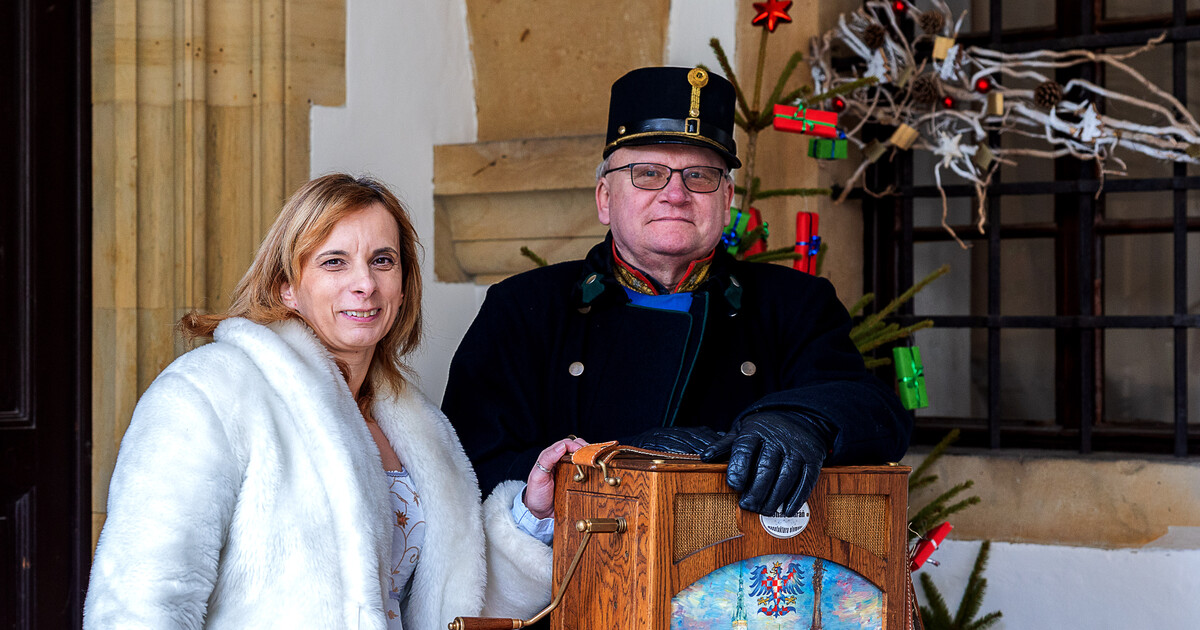
Zdroj akcí: otevřená data měst a obcí ČR (Národní katalog otevřených dat) a kalendář akcí Národního památkového ústavu.
Nearby
Pevnost se nachází na Radíkovském kopci v okolí Svatého Kopečku. V blízkosti jsou další historická opevnění jako Toveř č. I., Lošov č. III. a Droždín č. IV.
Accommodation nearby
Trips and activities nearby
Guided tours, tickets and activities nearby from GetYourGuide
Affiliate link: if you buy from the partner, we may receive a commission. The price for you does not change.
Search tours and activities →Themed route
Thematic cruise route around the fort Radíkov 2
1. Fortress Radíkov No II - Type: Historical fortification - Why it is worth a visit: Fortress Radíkov No. II is a key part of the historic defence systems in the Olomouce area. Its position on Radíkov Hill offers views of the surrounding landscape and reminds of the history of regional reinforcement.
2. Toverman No I - Type: Historical fortification - Why is it worth a visit: Tověř No I is another important element of the defence system from a time when this area was strategically important. Its proximity to strength Radíkov No II allows to understand the connection and function of individual fortifications.
3. Lošov No III - Type: Historical fortification - Why is it worth a visit: Lošov No. III presents another peak of defence structures around Olomouce. Its location and condition allow travelers to explore the historical techniques of strengthening and their role in defence strategy.
4. Yeasts No IV - Type: Historical fortification - Why is it worth visiting: Yachdina No. IV concludes the cycle of exploring historical fortifications in this area. Its location and condition provide further insight into the history of regional defence systems, which complements the findings of previous visits.
This route offers a view of the historical fortifications around Olomouce and allows travelers to explore their connectivity and strategic importance.
Seasonal recommendations
Spring: In the spring period, the surrounding area of Radíkov 2 is revived by flowering bushes and trees that colour the landscape with a diverse brush. Sun rays penetrate through the fog, creating wonderful light effects on the walls of the fortress and surrounding landscape. The atmosphere is full of promises of new life and mild temperatures that increase the pleasure of walking around the historic place. It is recommended to visit in the early spring season when the least probability of rainy days and the presence of crowds is minimal. A good idea is to wear comfortable shoes for walking on uneven terrain and light jacket to help you adapt to a quick change of temperature.
Summer: In the summer period, the surrounding area of Radíkov is full of green and sunlight, creating ideal conditions for long walks. The warm air is mixed with the cold of old stone walls, creating a comfortable atmosphere for visitors. In the main summer season you can expect more tourists, but this also means that local shops and restaurants offer a wider choice of services. It is recommended to visit in the morning or in the evening when the temperature is milder, and wear light clothes along with sun protection such as hat and glasses.
Autumn: In the autumn period, the surrounding area of Radíkov 2 is transformed into a golden and red landscape of flowering leaves. The sunny days are short, but they shine brighter, which highlights the historical architecture of the fortress. The atmosphere is calm and slightly cold, making the visit comfortable even on the eve of winter. It is recommended to wear warm clothes such as jacket and socks, and take advantage of the opportunities for relaxation in a quiet environment.
Winter: In winter, the surrounding area of Radíkov 2 is covered with snow, which brings views full of silence and calm. Freezing temperatures and the possibility of seeing animal tracks in the snow give a visit a unique atmosphere. Sun rays are reflected on ice, creating dramatic light effects. Despite the cold, the visit can be comfortable thanks to a relatively small number of people. It is recommended to wear warm clothes such as leather shoes and insulation jacket, and to visit the fort on the day without freezing storms or strong snow rain.
Visualizations and artistic views

The visualisations are generated by artificial intelligence and serve as inspiration.
Photos from the area
Real photos taken near the monument


Zdroj a licence jsou uvedeny u každého snímku.
Tips from visitors
No tips yet. Be the first!
Log in and add your tip.
Sources and literature
Photos: Cepice / CC BY 4.0 — Wikimedia Commons. The author and licence also appear when you hover over the image.
Faktickým podkladem tohoto textu byl článek na Wikipedii, jehož autory jsou přispěvatelé Wikipedie. Článek je dostupný pod licencí CC BY-SA 4.0.
Location on the map
Příběhy a pověsti
Legendy, pověsti a příběhy spjaté s touto památkou
Fotografie návštěvníků
Zatím žádné fotografie. Buďte první, kdo přidá fotografii z návštěvy!
Log in a přidejte svou fotografii nebo hodnoťte.
Za ověřenou návštěvu v aplikaci získáte víc bodů — poznáme podle GPS, že jste na místě.
Reviews and comments