






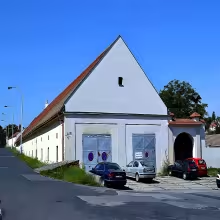
Proboštský dvůr in Dejvice, Prague, is a historically significant estate recognized as a cultural monument of the Czech Republic. Situated at the intersection of Proboštská, U Dráhy, and Zavadilova streets, it includes residential and economic buildings, a chapel dedicated to Saint Wenceslas, a bell tower, a forge, a brewery, a wall, and an entrance gate. Its historical importance stems from its association with the Svatovítská Chapter and its evolution through various ownership phases, reflecting broader socio-political changes in Bohemia.
The estate's origins trace back to when it was owned by the Svatovítská Chapter. After the Battle of White Mountain in 1620, the chapter struggled to find tenants for Proboštský dvůr and began managing the property themselves. This period marked significant religious and political transformation in Bohemia, influencing the estate's history. In the early 20th century, the sisters of Apoštolať sv. Františka established a children's nursery on the premises, converting part of the brewery into a chapel dedicated to Saint Wenceslas.
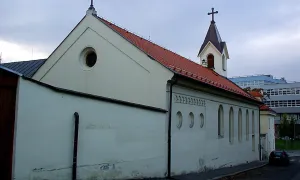
Architecturally, Proboštský dvůr is notable for its blend of styles. The oldest parts are early Baroque with neoclassical modifications made around 1800. A remarkable feature is the chapel of Saint Wenceslas, showcasing the Beuron School style, adding to the site's artistic and historical value.
Throughout its history, Proboštský dvůr has seen various owners and administrators. Initially managed by the Svatovítská Chapter post-1620 due to a lack of tenants, it later became home to the sisters of Apoštolať sv. Františka in the early 20th century. Following World War II, the estate transitioned into state property and served as a collection center from the 1950s onward.
Key events at Proboštský dvůr include its transformation by the sisters of Apoštolať sv. Františka, who repurposed part of the brewery into a chapel. This adaptation highlights the estate's ability to evolve and serve different community needs over time. The chapel stands as a testament to the artistic influences of the Beuron School.
Today, Proboštský dvůr remains an important cultural monument, reflecting its rich historical tapestry. Visitors can explore preserved structures, including the chapel and other buildings that tell stories of its varied past. Its significance lies not only in its architectural beauty but also in its representation of the socio-political shifts experienced by Bohemia over centuries.
Proboštský dvůr invites visitors to delve into a piece of Prague's history, offering insights into the cultural and historical narratives that have shaped this region. It stands as a testament to resilience and adaptation through changing times, making it a worthwhile destination for those interested in exploring Czech heritage.
Historical milestones
- None
- The estate was originally owned by Svatovítská Chapter and self-managed post-1620.
- None
- Sisters of Apoštolať sv. Františka established a children's nursery in the early 20th century.
- None
- Post-World War II, the estate became state property and served as a collection center from the 1950s.
Architectural development
The oldest part of Proboštský dvůr is early Baroque, with neoclassical modifications around 1800. Notable features include the chapel of Saint Wenceslas adorned in the style of the Beuron School.
Historical events
Post-1620: Svatovítská Chapter managed the estate due to lack of tenants.
Early 20th century: Sisters of Apoštolať sv. Františka established a children's nursery and converted part of the brewery into a chapel.
Post-World War II: The estate became state property and was used as a collection center from the 1950s.
Owners
Originally owned by Svatovítská Chapter; managed by itself post-1620; used as a children's nursery by sisters of Apoštolať sv. Františka in early 20th century; became state property after World War II and served as a collection center from the 1950s.
Points of interest
- The Proboštský dvůr estate has a unique architectural blend that includes early Baroque elements with neoclassical modifications from around 1800, making it an intriguing example of historical architectural evolution in Prague.
- A surprising aspect of the chapel dedicated to Saint Wenceslas is its Beuron School style, which stands out as an artistic influence distinct from the more common styles found in Bohemian religious architecture.
Guide
Show guide text
Welcome to the Proboštský dvůr in Dejvice, a remarkable estate nestled within Prague's vibrant landscape. As you stand here, imagine the whispers of history that echo through its walls and gardens. The sight before you is one of architectural harmony—a blend of early Baroque elements gracefully complemented by neoclassical modifications from around 1800. This unique combination offers a fascinating glimpse into the historical evolution of architecture in Prague.
The origins of Proboštský dvůr trace back to its initial ownership by the Svatovítská Chapter. After 1620, it transitioned to self-management, marking a significant chapter in its storied past. This estate has witnessed various transformations over the centuries, each layer adding depth to its narrative.
As you explore, take note of the residential and economic buildings that form the core of this complex. The chapel dedicated to Saint Wenceslas stands as a testament to the spiritual heritage of the site. Its presence adds an element of solemn grace to the estate's atmosphere. Nearby, the bell tower reaches skyward, while remnants of a forge and brewery hint at the industrious life once thriving here.
The entrance gate, flanked by walls that have withstood the test of time, invites you into this historical enclave. Each step through the gates is a journey back to an era where craftsmanship and community intertwined seamlessly.
In the early 20th century, the estate embraced a new chapter when Sisters of Apoštolať sv. Františka established a children's nursery here. This period added layers of compassion and care to its legacy, reflecting the evolving needs of society over time.
Post-World War II, Proboštský dvůr became state property, serving as a collection center from the 1950s onwards. Each era left an indelible mark on this estate, weaving a tapestry rich with stories and transformations.
A surprising aspect of the chapel dedicated to Saint Wenceslas is its intricate design that seamlessly blends spiritual reverence with architectural elegance. The chapel's details invite you to pause and reflect on its historical significance.
As we conclude our journey through Proboštský dvůr, I encourage you to wander further, letting your curiosity guide you through this captivating estate. There are countless stories waiting to be discovered here—each corner holds a whisper of the past, inviting you to listen closely. Thank you for joining me on this exploration, and may your visit inspire a deeper appreciation for the rich history that surrounds us.
Tips for visitors
The best time to visit Proboštský dvůr is during the late spring or early fall when the weather is mild, and the surrounding gardens are lush with flowers. These seasons offer pleasant temperatures for walking around the estate and exploring its historical architecture without the crowds that might be present in peak tourist months like summer. Additionally, visiting on a weekday can provide a more serene experience as weekends tend to attract more visitors.
Parking and transportation options near Proboštský dvůr are convenient. Visitors can drive to the site, though it's advisable to check for any local parking restrictions or availability beforehand. Public transport is also accessible; you can use buses or trams that connect Dejvice with other parts of Prague. For precise routes and schedules, it’s recommended to consult a transportation app or website. This flexibility makes the estate easily reachable whether you prefer driving or using public transit.
When planning your visit, consider bringing comfortable walking shoes as there may be some uneven paths around the estate. A camera is also advisable for capturing the architectural details of the buildings and the natural beauty of the gardens. Since Proboštský dvůr is a cultural monument, it's wise to bring along a light jacket or umbrella in case of sudden weather changes, ensuring you can enjoy your visit comfortably regardless of the conditions.
Photography enthusiasts will find several spots within Proboštský dvůr that offer excellent lighting and picturesque views. Early morning or late afternoon is ideal for capturing soft natural light that highlights the estate's historic features. The gardens provide a beautiful backdrop, especially during sunrise or sunset when shadows add depth to your photos. Exploring different angles around the buildings can also yield unique perspectives of this historical site.
For families with children visiting Proboštský dvůr, there are several activities that make it an enjoyable outing. The estate's gardens offer ample space for kids to run and explore, making it a great spot for family picnics or leisurely walks. Additionally, the historic nature of the site can be educational, sparking curiosity about history and architecture among younger visitors.
In terms of nearby attractions within 30 minutes, families might consider visiting the Prague Zoo, which is known for its diverse animal exhibits and interactive experiences that appeal to children. Another option is the National Museum in Veletržní palác, offering a range of exhibitions that can be both educational and entertaining. Both locations provide additional opportunities for exploration after your visit to Proboštský dvůr.
Businesses nearby
Accommodation nearby
Trips and activities nearby
Guided tours, tickets and activities nearby from GetYourGuide
Search tours and activities →Themed route
Tematická výletní trasa: Proboštský dvůr a okolí
1. Proboštský dvůr - Typ: Historické sídlo - Proč stojí za návštěvu: Tento barokní dvořanský komplex, postavený v 18. století, je jednou z nejstarších a nejlépe zachovaných budov na Dejvicích. Je známý svou architektonickou krásou s bohatě zdobeným fasádou a historií spojenou s pražskými arcibiskupy.
2. Kostel svatého Vojtěcha - Typ: Kostel - Proč stojí za návštěvu: Nachází se v blízkosti Proboštského dvora a je jedním z nejstarších kostelů na Dejvicích. Jeho historie sahá do 14. století, což mu dodává bohatou historickou hodnotu a architektonický význam.
3. Náměstí Jiřího z Poděbrad - Typ: Náměstí - Proč stojí za návštěvu: Toto centrální náměstí je srdcem Dejvic a nabízí krásné výhledy na okolní architektonické památky, včetně Proboštského dvora. Je ideálním místem pro relaxaci a pochopení historického kontextu oblasti.
4. Dejvický hřbitov - Typ: Hřbitov - Proč stojí za návštěvu: Nachází se nedaleko Proboštského dvora a je známý svou historií i architekturou. Zde leží mnozí významní čeští osobnosti, což z něj činí zajímavé místo pro ty, kteří chtějí poznat více o kulturním dědictví Prahy.
Tato trasa nabízí pohled na bohatou historii a architekturu oblasti Dejvice, přičemž každý bod přináší jedinečný pohled do minulosti této části hlavního města.
Seasonal recommendations
Spring: The arrival of spring at Probošt's Court brings a refreshing atmosphere as the surrounding gardens begin to bloom with vibrant flowers and fresh greenery, creating an idyllic setting for visitors. The gentle warmth of the season encourages longer daylight hours, making it ideal to explore the historical site during late morning or early afternoon when the sunlight beautifully illuminates the architecture. While spring tends to attract fewer crowds compared to summer, it's still wise to dress in layers as temperatures can vary throughout the day.
Summer: Summer at Probošt's Court is characterized by lush landscapes and extended daylight hours, offering ample time for exploration. The site becomes a popular destination during this season, so visitors are advised to arrive early to avoid larger crowds. With warm weather typical of Prague summers, wearing light clothing and comfortable footwear is recommended. Don't forget to bring water and perhaps an umbrella or hat, as the sun can be quite intense.
Autumn: Autumn at Probošt's Court offers a picturesque setting with its rich tapestry of changing leaves, creating a serene and cozy atmosphere perfect for photography enthusiasts. The cooler temperatures make it comfortable to stroll around the site without the summer heat. As daylight begins to shorten, planning your visit in the morning or early afternoon ensures you have enough time to appreciate the historical details. Layered clothing is advisable as the weather can be unpredictable.
Winter: Winter transforms Probošt's Court into a tranquil and enchanting destination with its snow-covered surroundings, offering a unique charm during the colder months. The shorter days mean that visiting in the morning is ideal to make the most of natural light. Visitors should dress warmly in layers, including hats, scarves, and gloves, as temperatures can be quite chilly. Keep in mind that some facilities may have reduced hours or be closed due to winter conditions.
Visualizations and artistic views

Vizualizace jsou generovány umělou inteligencí a slouží jako inspirace.


Tips from visitors
No tips yet. Be the first!
Log in and add your tip.
Location on the map




Příběhy a pověsti
Legendy, pověsti a příběhy spjaté s touto památkou
Reviews and comments